Why is Timing Critical for the 2026 Winter Camping Wholesale Market?
As the outdoor lifestyle consumer base continues to expand, the global camping gear and equipment market is projected to reach nearly $6 billion in 2026. However, for B2B buyers and outdoor retailers, securing high-margin winter inventory requires moving faster than ever. Securing cold-weather tents, sub-zero sleeping bags, and tech-enabled thermal gear is no longer a Q3 task—it demands strategic planning and early procurement at the start of the year.
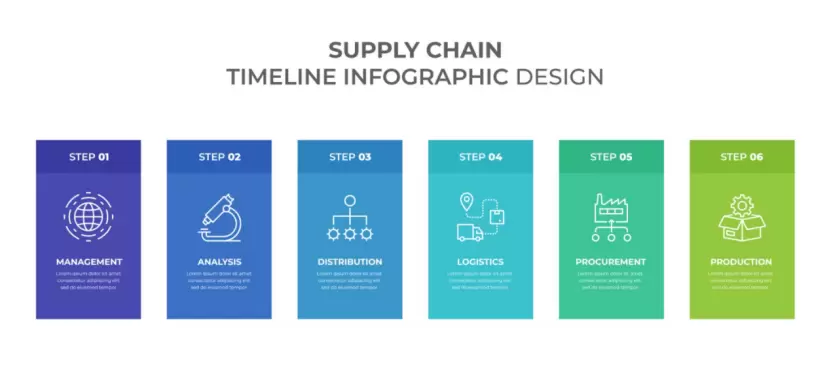
Current Global Supply Chain Diagnostics for Outdoor Gear
Navigating the 2026 B2B procurement landscape means addressing volatile raw material prices and extended international logistics timelines. Tightening environmental regulations have made eco-friendly, PFAS-free waterproofing, bio-based synthetics, and recycled insulation non-negotiable for consumers. Manufacturing these compliant, high-tech materials requires longer factory lead times.
Simultaneously, global shipping routes face ongoing capacity strain. To avoid the nightmare of empty shelves during peak seasons, wholesale buyers must factor in multi-month transit windows from Asian factories to Western fulfillment centers.
Shifting Consumer Demand and Peak Winter Retail Windows
Consumer behavior in 2026 shows a major spike in "all-season" and minimalist winter camping. Retail data reveals that modern outdoor enthusiasts research and pre-order winter gear months in advance. To capture this high-intent traffic and maximize peak retail windows (which now trigger as early as October's autumn freeze), wholesalers must have inventory fully cleared through customs and stocked in local warehouses by late summer. Early planning is the only way to insulate your supply chain from peak-season rate hikes and guarantee product availability.
When is the Absolute Deadline to Place Bulk Orders for Winter 2026?
In the highly competitive outdoor gear industry, inventory availability dictates market share. To capture the profitable Q4 retail surge, global B2B buyers must synchronize their procurement schedules with strict international manufacturing and shipping timelines. Missing the production window by even a week can result in delayed shipments, directly translating to lost revenue during the year's most lucrative shopping days.
The Recommended "Golden Window" for B2B Buyers
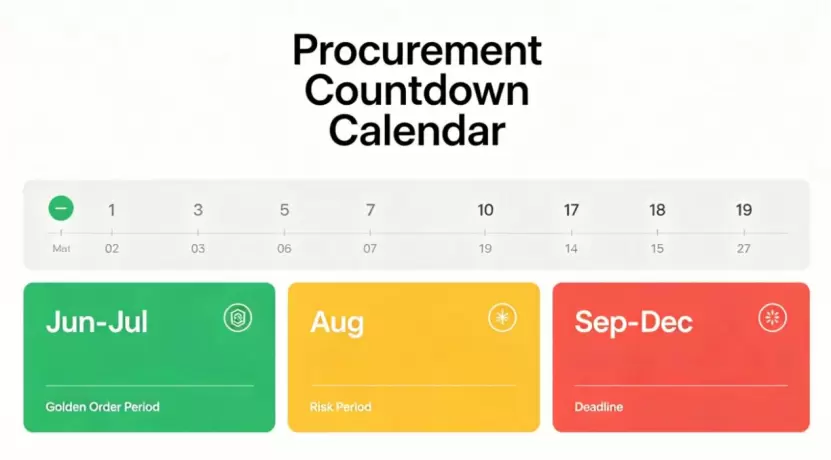
The absolute "Golden Window" for securing Winter 2026 wholesale stock spans from June to July 2026. Placing bulk orders during this timeframe ensures that your outdoor gear—such as heavy-duty winter tents, thermal sleeping pads, and sub-zero apparel—moves into factory production before the autumn peak.
By locking in orders by July, wholesalers allow manufacturers ample time to source premium, eco-compliant materials, conduct rigorous cold-weather quality control, and prepare shipments before global freight routes experience seasonal congestion.
Below is the optimized timeline for 2026 winter camping procurement:
Risks of Delaying Orders Past August 2026
Delaying bulk order placement beyond mid-August 2026 invites a procurement "perfect storm." Historically, global ocean carriers implement substantial General Rate Increases (GRI) and Peak Season Surcharges (PSS) heading into September. Buyers who hesitate will face skyrocketing ocean freight costs that severely eat into wholesale margins.
Furthermore, shipping delays during this period mean your inventory likely won't clear Western customs and enter distribution networks until late December. This logistical bottleneck guarantees you will entirely miss Black Friday, Cyber Monday, and the early December peak winter retail windows—leaving your business stuck with excess winter stock that arrives far too late.
What is the Complete Lead Time Timeline for Winter Gear Production?
Successfully launching a winter camping product line requires a granular understanding of the manufacturing and logistics lifecycle. B2B buyers often underestimate the cumulative time required for specialized cold-weather equipment, leading to catastrophic stockouts. To secure premium products like double-layered thermal tents, down-filled sub-zero sleeping bags, and cold-resistant portable power stations, you must map your procurement against a realistic, multi-stage timeline.
Factory Manufacturing Cycles for Heavy Duty Tents and Sleeping Bags
The production cycle for high-performance winter gear is inherently longer than standard summer equipment due to technical complexity and specialized materials.
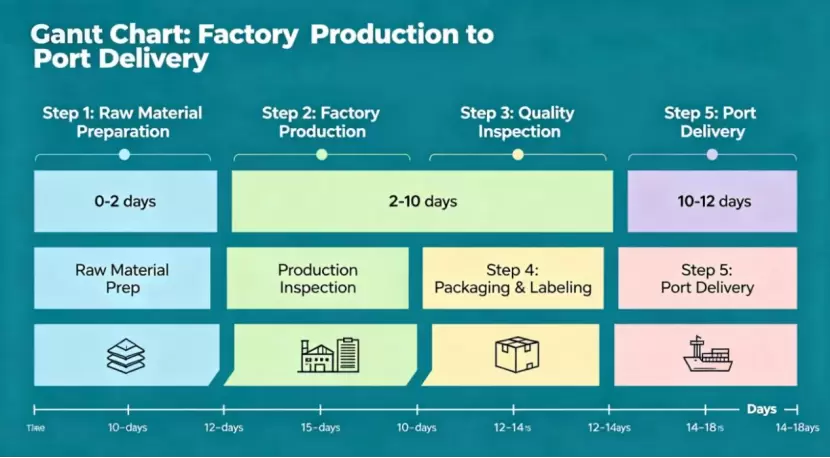
1.Phase 1: Pre-Production & Sampling (15 Days): This initial stage involves finalizing technical specifications, fabricating custom samples, and conducting lab testing for hydrostatic head (waterproofing) and thermal ratings (ISO/EN standards).
2.Phase 2: Bulk Manufacturing (45 - 60 Days): Once samples are approved and the deposit is secured, raw material sourcing and mass assembly begin. Winter gear requires meticulous craftsmanship—such as heat-sealed seams for heavy-duty tents, baffled chamber construction for 800-fill-power goose down sleeping bags, and strict battery management system (BMS) integration for winter-proof portable power stations.
Quality Control (QC) and International Logistics Buffers
Production completion is not the finish line. Wholesalers must build in rigid buffers to safeguard product integrity and navigate global transit realities.
1.Phase 3: Quality Control & Packaging (7 - 10 Days): Third-party inspections are critical. Every batch must undergo rigorous testing, including fabric tear-strength tests, zippers stress tests, and battery thermal runaway simulations for power stations.
2.Phase 4: Port Forwarding & Ocean Freight (30 - 45 Days): This includes trucking from the factory to the export port (e.g., Shanghai or Shenzhen), customs clearance, ocean transit across the Pacific or Atlantic, and final destination port handling.
3.Phase 5: Domestic Inland Warehousing (7 - 10 Days): The final leg involves customs clearance at the destination port, transport to your regional fulfillment centers, and inventory unpacking/sorting.
In total, the end-to-end lead time spans 105 to 140 days. Acknowledging this 3.5 to 4.5-month cycle is the foundational step to mastering your 2026 winter retail supply chain.
Which Winter Camping Products are Facing the Highest Demand in 2026?
The winter camping landscape in 2026 has transitioned from a niche extreme sport into a mainstream lifestyle trend. Driven by consumer desires for multi-season outdoor exploration, retailers must shift their inventory from basic survival gear to premium, high-comfort, and tech-integrated equipment. To secure high profit margins, B2B buyers must identify these high-demand product categories early and lock in factory production quotas before peak seasonal capacity is reached.
Insulated 4-Season Glamping Tents and Hot Tents
"Glamping" is no longer restricted to summer. In 2026, the demand for winterized luxury shelters has skyrocketed. Buyers are actively seeking heavy-duty, 4-season glamping tents engineered with multi-layer insulated fabrics (such as composite cotton-canvas blends) that offer superior thermal retention and wind resistance.
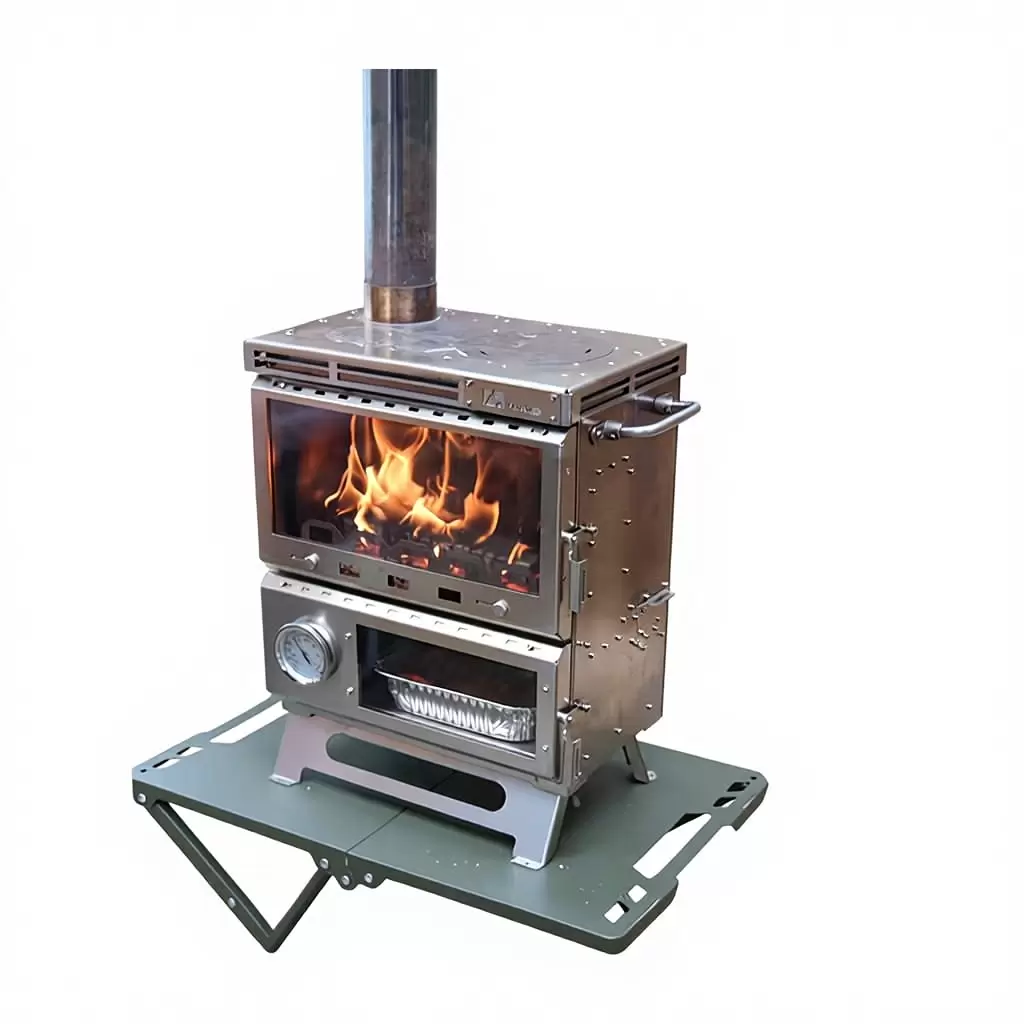
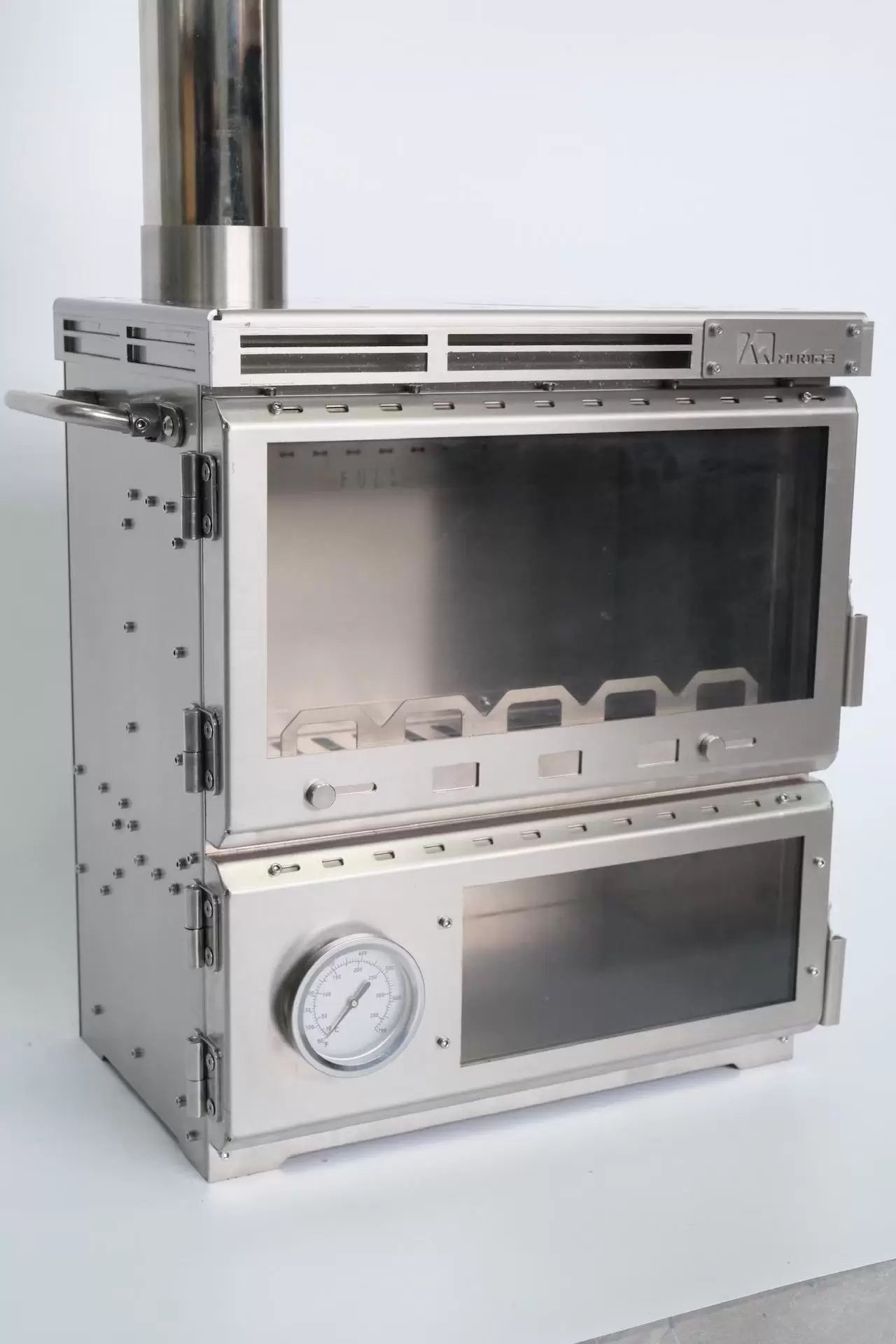
Crucially, "Hot Tents" equipped with integrated stove jacks (chimney openings) have become a viral consumer favorite. These tents allow campers to safely install portable wood-burning stoves inside. Wholesalers should prioritize sourcing fire-retardant, silicone-coated stove jack patches and reinforced, double-walled structure designs to satisfy safety-conscious outdoor enthusiasts who refuse to compromise on comfort during freezing temperatures.
Portable Lithium Power Stations and Heated Camping Gear
The second major pillar of 2026 winter camping is the explosion of "Smart Anti-Cold Tech." Modern campers rely heavily on electronics, driving massive wholesale demand for cold-resistant, high-capacity Portable Lithium Power Stations (LiFePO4). These power hubs must feature advanced Battery Management Systems (BMS) optimized to prevent voltage drops and capacity loss in sub-zero environments.
These power stations act as the energy backbone for another booming category: Heated Camping Gear. B2B inventory for 2026 must include smart apparel and gear featuring built-in, carbon-fiber heating elements. Key high-turnover items include:
Graphene-heated sleeping bags with multi-zone temperature controls.
USB-powered thermal camping chairs and reusable heated tent mats.
App-controlled heated vests and gloves featuring weather-resistant, intelligent zone-heating.
By securing supplier quotas for these tech-driven, high-ticket items by mid-year, wholesale distributors can position themselves to dominate the lucrative 2026 Q4 retail rush.
How Do Production Lead Times Vary by Product Category?
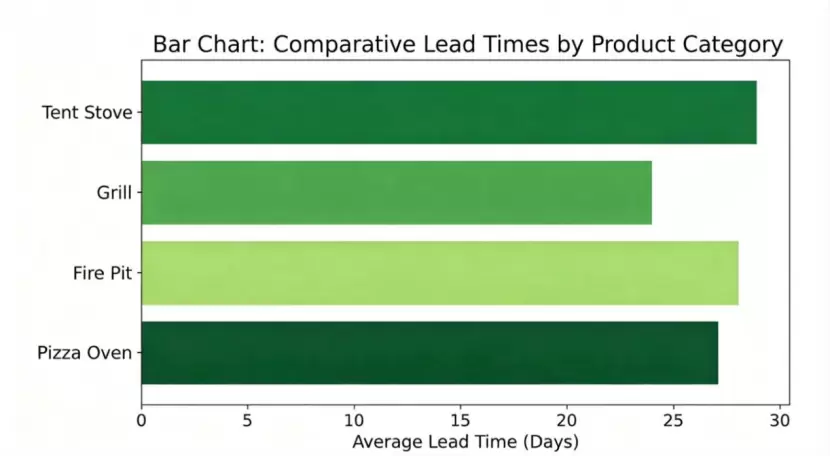
A common mistake in B2B procurement is applying a blanket timeline to an entire outdoor catalog. In reality, supply chain architectures vary drastically depending on the materials, manufacturing complexity, and regulatory requirements of each product type. Understanding these category-specific variations is essential for accurate inventory planning.
Textile-Based Gear: Sleeping Bags, Mats, and Apparels
For textile-heavy winter gear—such as RDS-certified (Responsible Down Standard) sleeping bags, multi-layer insulated sleeping pads, and technical outerwear—the critical bottleneck is raw material allocation.
Sourcing premium 800+ fill-power goose down, specialized ripstop nylon, and eco-friendly, PFAS-free waterproofing treatments requires early commitment. While the actual stitching and assembly move relatively fast, securing these high-demand raw materials during peak global sourcing seasons can add weeks to the pre-production phase if not locked in early.
Hardware and Electronics: Camp Stoves, Heaters, and Power Supplies
Conversely, hardware and electronics like portable wood-burning camp stoves, propane tent heaters, and lithium power supplies operate on an entirely different supply chain rhythm. These products face much tighter scrutiny.
Because they involve combustible fuels or high-capacity batteries, they require strict compliance testing and specialized international safety certifications (such as CE, FCC, RoHS, or UN38.3 for battery transport). Navigating these quality assurance gates, alongside sourcing semiconductor chips for smart power stations, typically adds an extra 2 to 3 weeks to the production lifecycle compared to textiles. Wholesale buyers must build this buffer into their procurement calendars to avoid costly Q4 shipping delays.
What Logistics and Shipping Bottlenecks Should Wholesale Buyers Expect in Q3/Q4?
As the high-volume second half of the year approaches, the global shipping ecosystem is moving into a period of heightened operational tension. For B2B buyers importing winter camping inventory, understanding the upcoming Q3 and Q4 logistics landscape is the difference between healthy retail margins and costly supply chain delays.
Ocean Freight Capacity and Port Congestion Forecasts
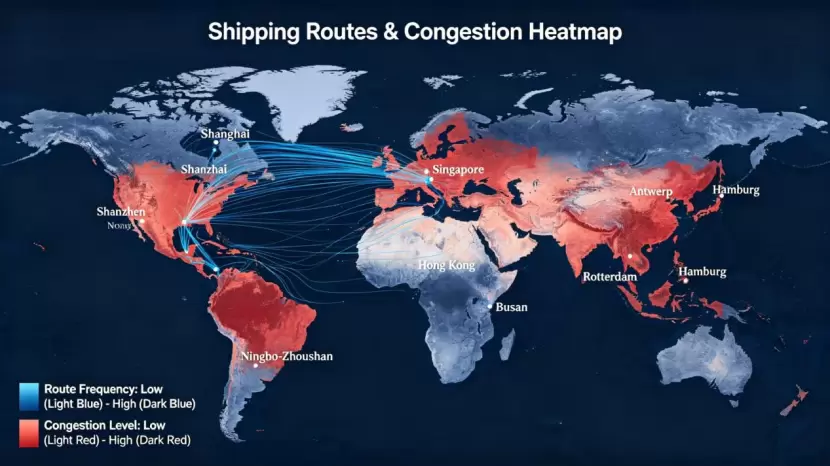
The freight market faces an early and volatile peak season. Geopolitical rerouting and unexpected bottlenecks at major Southeast Asian transshipment hubs have significantly constrained global container vessel availability. Major trade lanes are seeing intense capacity strain:
US West Coast Routes: Spot rates have shot up rapidly due to front-loading surges as importers race to beat holiday deadlines.
US East Coast & European Lines: Extended transit times around Africa continue to absorb an enormous amount of vessel capacity, creating localized container shortages at manufacturing ports.
Compounding this, major destination gateways in Savannah, Southern California, and Western Europe are bracing for severe seasonal vessel bunching, which will inevitably trigger customs and offloading delays throughout Q3.
Mitigating Peak Season Surcharges (PSS) in Late 2026
To offset rising operational costs and fuel price shocks, ocean carriers are rolling out aggressive Peak Season Surcharges (PSS). These emergency fees can easily add hundreds of dollars per container, drastically escalating your total landed cost.
The most effective strategy to shield your business from these hikes is timing. Wholesalers who book container space early—ideally locking in bulk allocations during the June-July window—can secure stable contract base rates and bypass spot market volatility. Industry data indicates that early procurement and volume consolidation can save buyers up to 30% in total freight expenditures compared to scrambling for emergency spot market space in late August and September.
How Can Outdoor Brands and Retailers Optimize Their Inventory for Winter 2026?
Maximizing profitability in the volatile 2026 winter camping market requires moving beyond guesswork. With shifting consumer preferences and compressed retail windows, outdoor brands and retailers must implement precise, agile inventory strategies to protect their bottom lines.
Implementing Data-Driven Demand Forecasting
The foundation of modern inventory optimization is robust, data-driven forecasting. Retailers should analyze historical sales metrics from previous winter seasons, adjusting for micro-trends like the sudden rise of tech-integrated heated gear and hot tents.
By utilizing Predictive Analytics and monitoring early-season search volume, wholesale buyers can accurately anticipate regional product demand. Furthermore, incorporating a decentralized logistics model—such as utilizing strategic regional Overseas Warehousing—allows brands to store bulk merchandise closer to destination markets. This enables quick, flexible multi-batch replenishment throughout Q4, drastically cutting down on domestic shipping times.
The Balance Between Overstocking and Out-of-Stock Costs
In B2B outdoor retail, inventory management is a balancing act between two capital-draining risks: overstocking and out-of-stock (OOS) occurrences. Overstocking high-ticket winter gear triggers steep warehouse holding fees and forces deep, margin-killing discounts post-holiday. Conversely, being out of stock during peak December freezes means permanently losing high-intent buyers to competitors.
To mitigate this, successful brands utilize an Inventory Optimization Matrix, sorting SKUs by sales velocity and profit margin. High-margin, high-velocity items like cold-resistant power stations should be secured early via primary factory allocations. Lower-velocity or highly specialized gear can be managed through smaller, agile re-orders backed by localized safety stock, guaranteeing maximum capital efficiency through the end of the year.
What are the Financial Benefits of Early Bulk Booking?
In the low-margin, high-ticket outdoor gear industry, strategic timing is a powerful financial lever. Shifting your procurement schedule from a reactive model to proactive, early-bird bulk booking directly optimizes your cash flow and safeguards your bottom line against unpredictable market forces.
Securing Early-Bird Discounts and Flexible Payment Terms
Manufacturers favor predictable production schedules. By placing your Winter 2026 bulk orders during the mid-year opening windows, you gain maximum leverage to negotiate substantial early-bird factory discounts.
Furthermore, early orders often unlock highly favorable and flexible payment terms, such as lower initial deposit requirements (e.g., 20% instead of 30%) with the remaining balance due upon bill of lading (BL) release. This dramatically improves your working capital efficiency throughout the peak manufacturing months.
Hedging Against Raw Material Price Fluctuation
Winter camping gear relies heavily on premium, commodity-dependent materials. Aluminum poles for heavy-duty tents, high-fill-power goose down for sub-zero sleeping bags, and specialized treated Oxford fabrics are subject to intense global market price volatility.
Waiting until late summer means buying when global factory demand peaks, forcing you to absorb inflated material costs. Early booking allows you to lock in base material prices before the seasonal surge, shielding your wholesale business from sudden price hikes and guaranteeing stable, predictable profit margins when you go to market in Q4.
How to Choose a Reliable Manufacturing Partner for Your Winter Gear?
Selecting the right manufacturing partner is the ultimate linchpin of a successful winter product launch. Because cold-weather equipment directly impacts user safety and comfort, your supplier must deliver flawless technical execution, robust quality compliance, and scalable production capacity.
Checking Factory Certifications
The first step in vetting a Tier-1 wholesale supplier is verifying international certifications. A reputable manufacturer should readily provide proof of ethical and operational compliance through ISO 9001 (Quality Management) and BSCI (Business Social Compliance Initiative) audits.
For high-ticket electronics like winterized portable power stations and heated gear, look for stringent CE, FCC, and RoHS certifications alongside UN38.3 compliance for safe lithium-battery transit. These credentials prove the factory operates under strict quality-control protocols, mitigating the risk of costly customs seizures or product recalls in Western markets.
Evaluating Customization (OEM/ODM) Capabilities and Sample Speeds
A truly reliable partner does more than execute assembly lines—they accelerate your time-to-market. Evaluate their OEM/ODM capabilities by testing their engineering responsiveness. High-tier manufacturers feature dedicated R&D teams that can transition technical CAD blueprints into functional prototypes within a swift 10 to 15-day window.
As a leading end-to-end supply chain solution provider, we specialize in helping global outdoor brands navigate this exact process. From sourcing advanced weather-resistant textiles to performing rigorous sub-zero stress testing in our specialized quality-assurance labs, we ensure your custom designs are built to perform. Partnering with a vertically integrated manufacturer like us guarantees locked-in production priorities, complete transparency, and a frictionless bridge from initial sample approval to Q4 retail delivery.
FAQ: Key Questions B2B Buyers Ask About Winter Camping Bulk Orders
Navigating the procurement process for technical cold-weather gear involves addressing specific manufacturing, compliance, and logistical complexities. To help streamline your supply chain planning, we have compiled the most critical questions global B2B buyers ask when preparing their wholesale orders for the upcoming season.
What is the minimum order quantity (MOQ) for custom winter tents?
For specialized winter camping shelters—such as 4-season glamping tents and hot tents with integrated stove jacks—the Minimum Order Quantity (MOQ) typically ranges from 100 to 200 units per style or color. This threshold is dictated by the specialized textile manufacturing runs required for heavy-duty, fire-retardant, and multi-layer insulated fabrics.
For standard sizes or pre-existing factory designs without heavy OEM customization, we can often offer more flexible entry-level MOQs starting at 50 units to help distributors test new regional markets.
Can we arrange third-party inspection (like SGS) before shipping?
Absolutely. We highly encourage and fully support independent, third-party quality assurance audits prior to port dispatch. Buyers can contract globally recognized agencies such as SGS, TÜV Rheinland, or Intertek to conduct on-site factory inspections.
Our facility provides full access for inspectors to conduct fabric tear-strength tests, seams hydrostatic pressure tests, zipper endurance cycles, and battery safety protocols for electronic heated gear. Final cargo loading is only executed once the official inspection report passes your exact QA criteria.
How do you handle shipping delays if weather conditions worsen in late autumn?
Weather-induced logistics disruptions are a known reality in late autumn. To safeguard your inventory against seasonal port closures or ocean route delays, we implement a multi-layered mitigation strategy:
Strategic Buffer Weeks: We build a mandatory 7-to-10-day buffer into our initial timeline estimates, ensuring goods leave the factory well ahead of the late-autumn congestion.
Flexible Route Allocation: We partner with multiple top-tier freight forwarders, allowing us to rapidly shift cargo from congested ports to alternative maritime routes if a bottleneck occurs.
Multimodal Transport Options: For critical high-demand stock facing unexpected ocean delays, we can facilitate expedited sea-air combined transport or rail freight alternatives to ensure your inventory arrives at destination warehouses before peak shopping windows begin.


 en
en ja
ja ko
ko zh
zh es
es ru
ru fr
fr ar
ar pt
pt tr
tr nl
nl it
it de
de

 RELATED MAGAZINE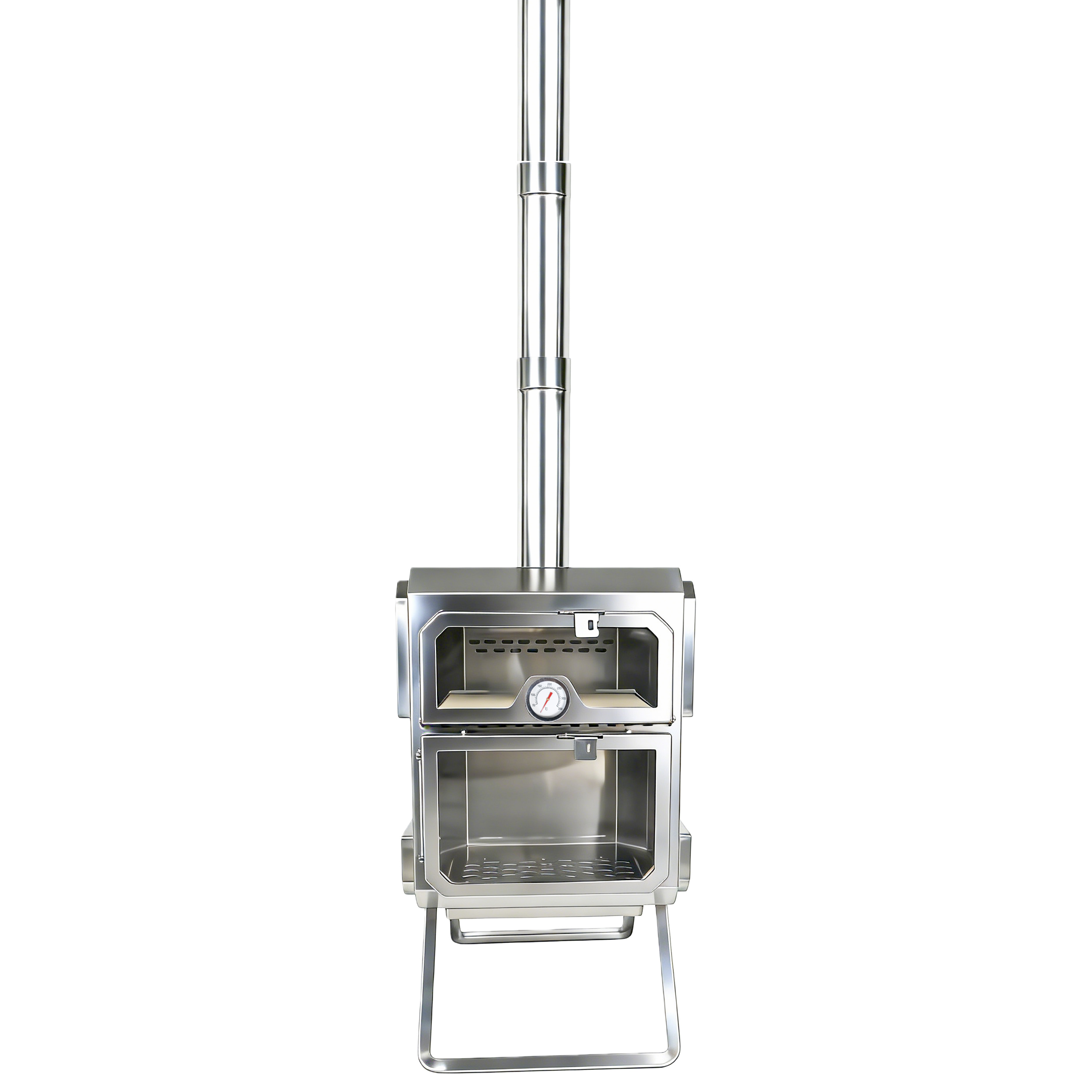








 Leave a Message