The global outdoor living market is undergoing a structural upgrade. Camping is no longer defined solely by survival or simplicity; it is increasingly shaped by comfort expectations, visual experience, and brand storytelling. Within this shift, the camping tent stove heater has evolved from a functional heat source into a central product that defines how users perceive quality, safety, and lifestyle value.
For outdoor brands, distributors, and project buyers, transforming a tent stove concept into a scalable, market-ready product requires more than design inspiration. It demands manufacturing depth, engineering discipline, supply-chain reliability, and the ability to translate brand positioning into physical performance. This article explores how a modern panoramic tent stove heater moves from concept to commercialization, and how manufacturers like INBESTCAMP enable brands to compete in this increasingly premium segment.
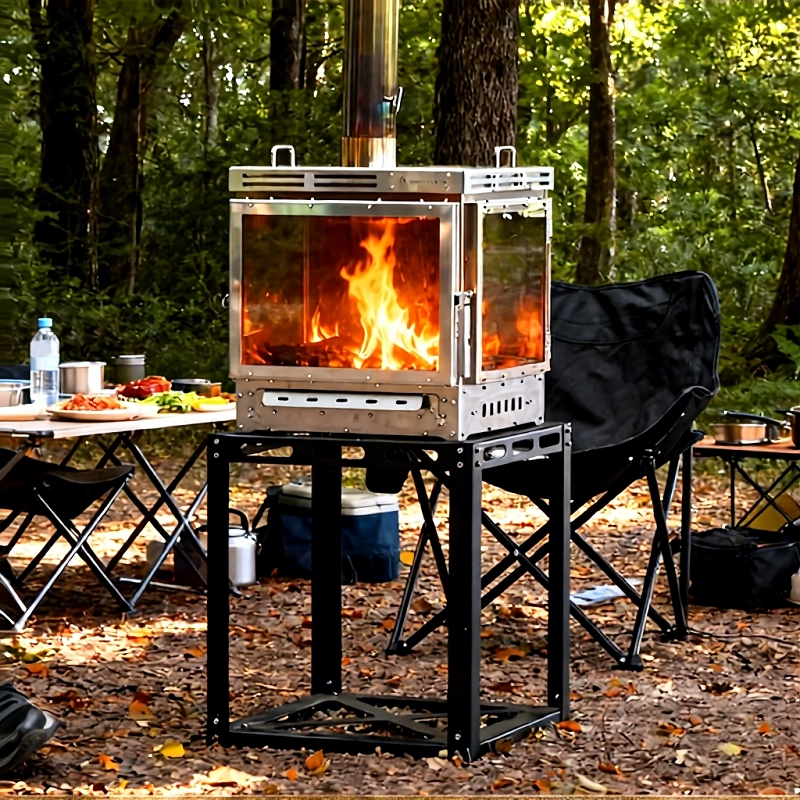
Market-Driven Product Positioning in the Tent Stove Segment
Industry data from Allied Market Research shows that the global camping equipment market is projected to surpass USD 30 billion before the end of the decade, with cold-weather and four-season camping growing faster than the overall average. Within this category, heating solutions represent one of the highest value-density products due to safety requirements, material standards, and regulatory scrutiny.
A camping tent stove heater positioned for today’s market must simultaneously satisfy three expectations:
• reliable thermal output in extreme environments
• visual appeal suitable for glamping and social sharing
• operational safety for enclosed or semi-enclosed spaces
This convergence has reshaped how products are engineered. Heat alone is no longer the differentiator; how that heat is delivered, controlled, and perceived defines market acceptance.
Translating User Experience into Engineering Specifications
A common failure point in outdoor product development is the gap between user expectations and engineering decisions. Successful stove development begins with usage scenarios rather than component lists.
Large-volume tents, communal shelters, and winter camps introduce complex variables such as airflow stability, refueling frequency, and radiant heat distribution. An oversized combustion chamber, for example, is not simply about higher output. It reduces temperature fluctuation, stabilizes overnight burn cycles, and minimizes user interaction during rest periods.
Similarly, panoramic fire-viewing glass is not only an aesthetic decision. High-temperature, multi-surface glass panels must meet thermal shock resistance standards while maintaining structural integrity under prolonged combustion. This is where design intent must be backed by material science, glass thickness calibration, and precise sealing tolerances.
Manufacturing Infrastructure as Brand Capability Multiplier
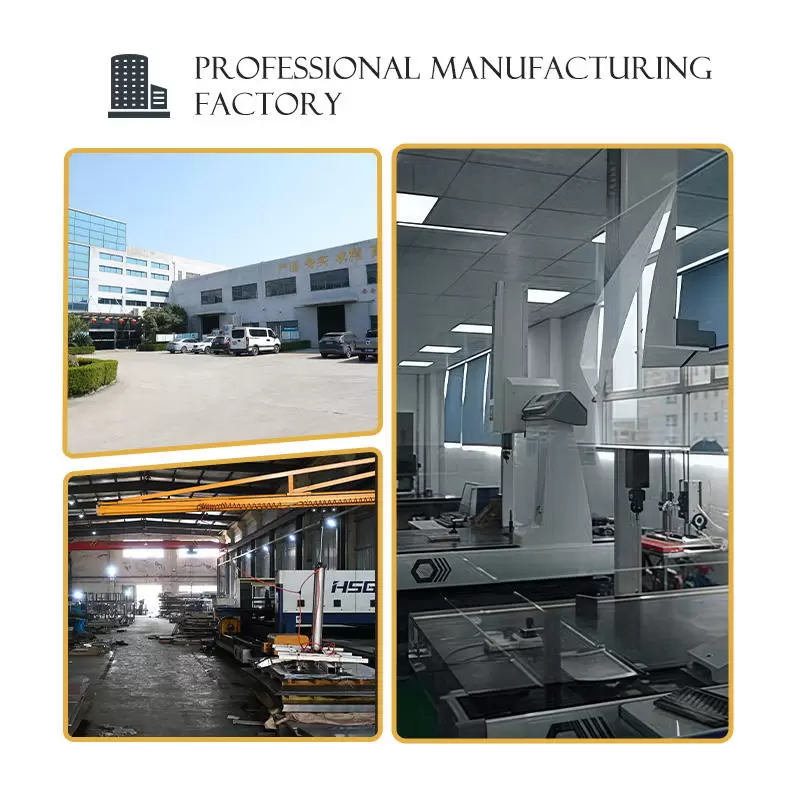
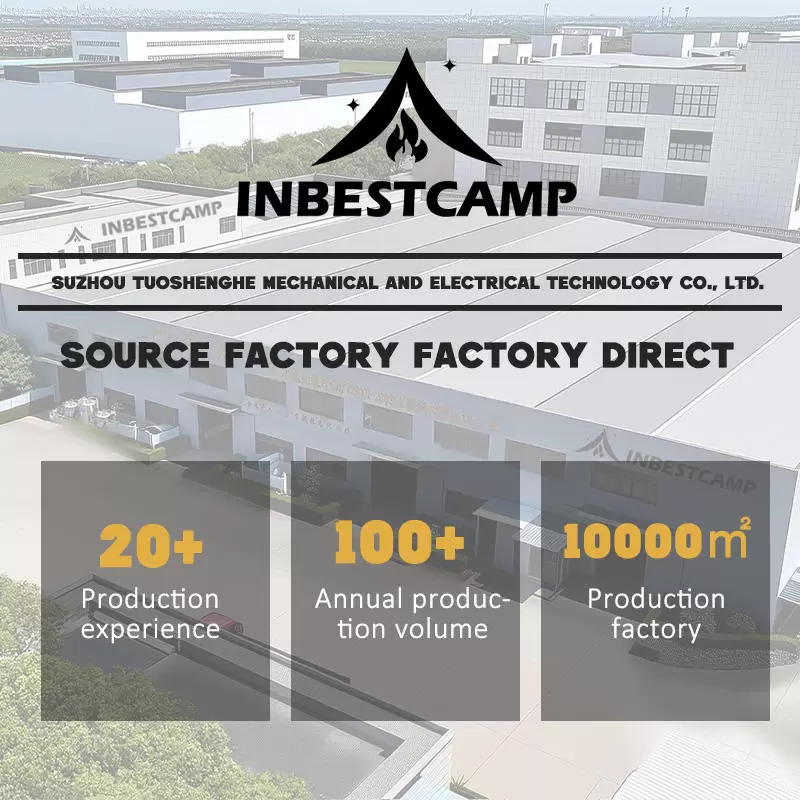
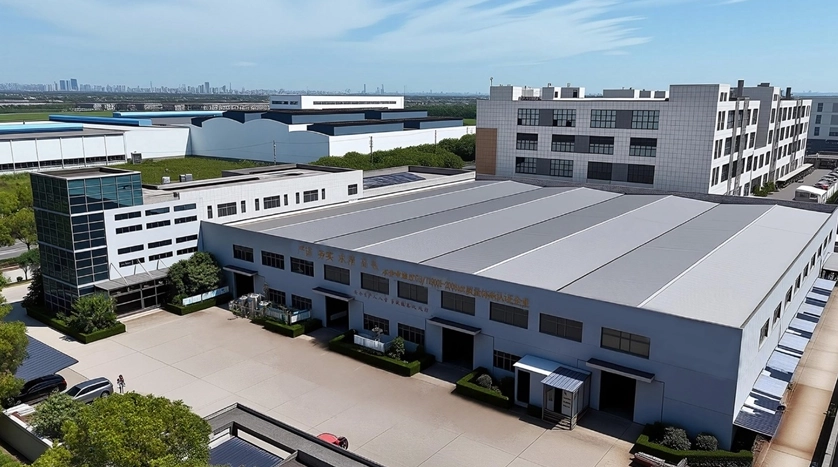
For brands entering or upgrading within the tent stove category, the choice of manufacturing partner directly impacts brand credibility. INBESTCAMP operates not only as a supplier but as a vertically integrated manufacturer with independent production lines, technical design teams, exhibition facilities, and warehouse systems.
This infrastructure enables faster iteration cycles, controlled quality outputs, and customization without outsourcing critical processes. According to McKinsey manufacturing research, brands working with vertically integrated factories report up to 27 percent fewer post-launch quality adjustments compared to fragmented sourcing models.
From tooling development to final assembly, internalized production reduces variability and allows design refinements to be implemented without restarting the supply chain.
Visual Design as Commercial Growth Lever
In outdoor retail, visual differentiation increasingly influences purchasing decisions. Studies by Think with Google indicate that over 70 percent of outdoor equipment buyers research products visually before engaging with specifications.
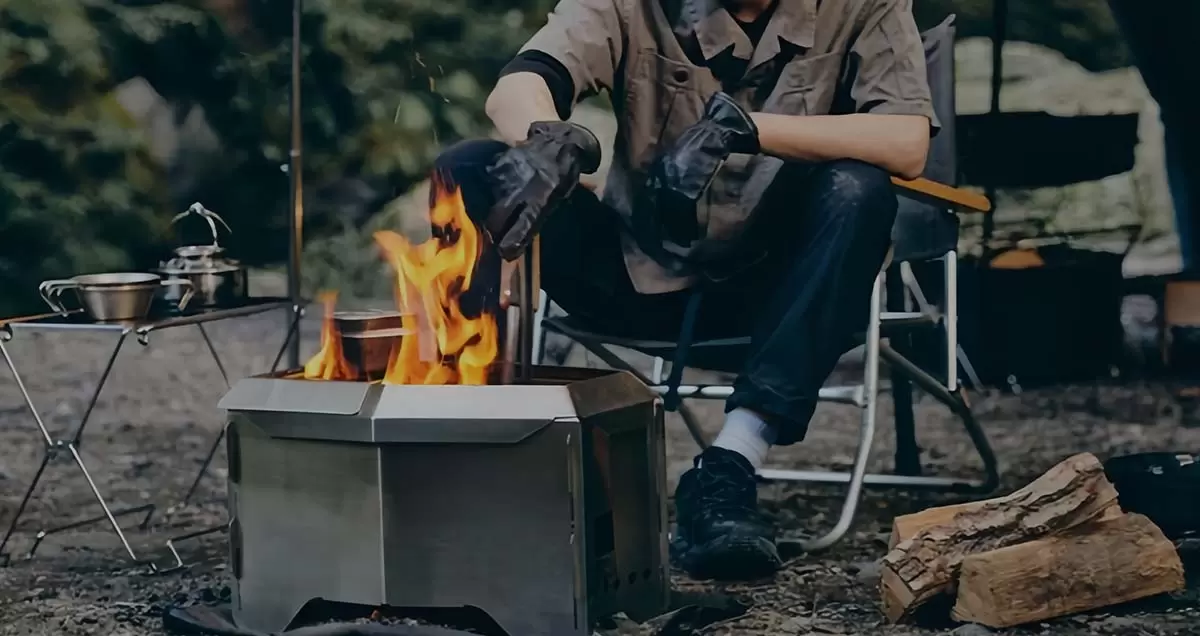
A four-sided panoramic stove design converts functional equipment into a visual anchor within the campsite. This directly affects user behavior: longer dwell time, higher perceived value, and stronger emotional attachment. For brands, this translates into organic exposure across social platforms and stronger shelf presence in physical retail environments.
Importantly, visual design must never compromise safety. Integrated elevation bases, controlled air intake pathways, and stable weight distribution ensure that aesthetic appeal aligns with operational reliability.
Integrated System Design and Logistics Efficiency
One overlooked challenge in stove commercialization is transport and storage inefficiency. Disassembled components, loose chimney pipes, and inconsistent packaging often increase logistics costs and damage rates.
An integrated base that doubles as a storage solution addresses both safety and supply-chain efficiency. By allowing chimney components to be securely stored within the stove structure, the product reduces accessory loss, simplifies inventory management, and lowers return risks.
From a distributor’s perspective, compact and standardized packaging improves container utilization and reduces handling complexity at port warehouses and regional distribution centers.
Quality Control Frameworks That Protect Brand Reputation
Quality control in combustion equipment is non-negotiable. Regulatory scrutiny, liability exposure, and end-user safety expectations demand multilayer inspection systems.
INBESTCAMP implements batch-level process control combined with final inspection protocols before shipment. Visual verification, dimensional checks, and functional assessments are conducted throughout production cycles, not only at completion.
For overseas buyers unable to conduct on-site inspections, real-time photo documentation and live video inspections provide transparency and reduce trust barriers. This approach aligns with ISO-influenced quality management principles increasingly adopted across global manufacturing ecosystems.
Customization as Strategic Differentiator for Outdoor Brands
Brand differentiation in the tent stove market often comes down to details rather than core structure. Customization options such as brand logos, surface finishes, material upgrades, and exclusive accessories allow brands to create proprietary identity without assuming full development risk.
This model is particularly effective for brands seeking wood burning tent heater odm solutions that preserve design ownership while leveraging existing engineering platforms. By collaborating at the design stage, brands can adjust performance parameters and visual language to suit regional preferences or niche user groups.
Lead Time Optimization and Inventory Planning
Supply reliability directly affects seasonal sales cycles. Typical production lead times range from 20 to 35 days depending on order volume and customization scope. Stocked configurations can ship in significantly shorter timeframes, supporting urgent replenishment or trial launches.
With Shanghai Port serving as a primary logistics hub, access to major global shipping routes ensures predictable transit schedules. According to World Shipping Council data, Shanghai remains one of the most stable ports for outbound industrial goods, reducing downstream delays for international buyers.
Empowering Brands Through Factory-Level Collaboration
Working directly with a tent heating stove manufacturer offers strategic advantages beyond cost efficiency. It enables early involvement in design validation, real-time feedback during prototyping, and the flexibility to adapt products based on market response.
INBESTCAMP’s professional design team collaborates with brand stakeholders to translate market positioning into manufacturable specifications. This partnership model shortens learning curves and helps brands avoid costly post-launch corrections.
For buyers seeking long-term scalability, partnering with an outdoor camping stove factory that controls production, design, and quality under one roof creates a foundation for sustainable growth.
Why Choose INBESTCAMP for Your Tent Heating Stove
Selecting the right partner for your tent stove project can make or break your product launch. INBESTCAMP stands out as a tent heating stove manufacturer with full-cycle capabilities—from conceptual design to finished product delivery. With a professional design team, independent production lines, and dedicated quality control, the company ensures every unit meets rigorous safety, durability, and performance standards.
Beyond manufacturing expertise, INBESTCAMP offers flexible customization options including branding, material selection, and accessory integration, allowing outdoor brands to create distinctive, market-ready products without compromising on efficiency. Their integrated warehouse and exhibition facilities support fast sampling and real-time product inspection, while global logistics through Shanghai Port guarantees smooth international delivery. This combination of engineering reliability, creative flexibility, and logistical efficiency makes INBESTCAMP a trusted partner for outdoor brands seeking high-quality wood burning tent heater ODM solutions.
Frequently Asked Questions
What types of customization are supported for branded tent stove projects
Customization can include brand identification, material selection, structural adjustments, and dedicated accessory development based on project requirements.
How is product quality verified before shipment
Quality is monitored throughout production, with mandatory final inspections. Buyers can also request photo documentation or live video verification prior to dispatch.
What environments are these tent stove heaters designed for
They are engineered for cold-weather tents, snow shelters, mountain cabins, and large communal outdoor spaces where stable heat and safety are critical.
How does factory collaboration benefit new outdoor brands
Direct collaboration reduces development risk, accelerates time-to-market, and ensures product consistency aligned with brand positioning.
What logistics advantages come from integrated storage design
Integrated storage minimizes accessory loss, improves packing efficiency, and lowers transportation damage rates across international shipping routes.


 en
en ja
ja ko
ko zh
zh es
es ru
ru fr
fr ar
ar pt
pt tr
tr nl
nl it
it de
de

 RELATED MAGAZINE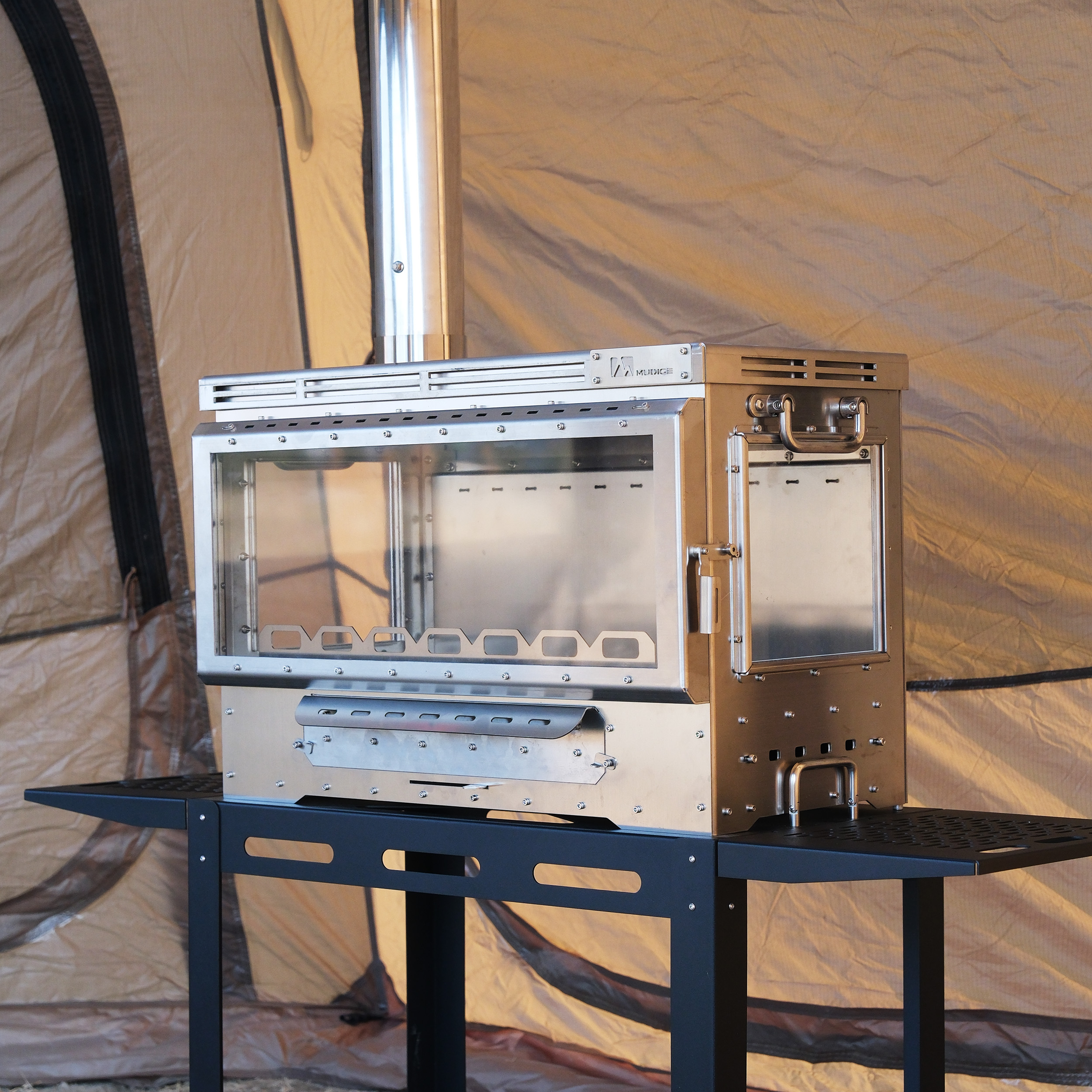







 Leave a Message