Why July is the "Golden Window" for Winter Tent Stove Sourcing
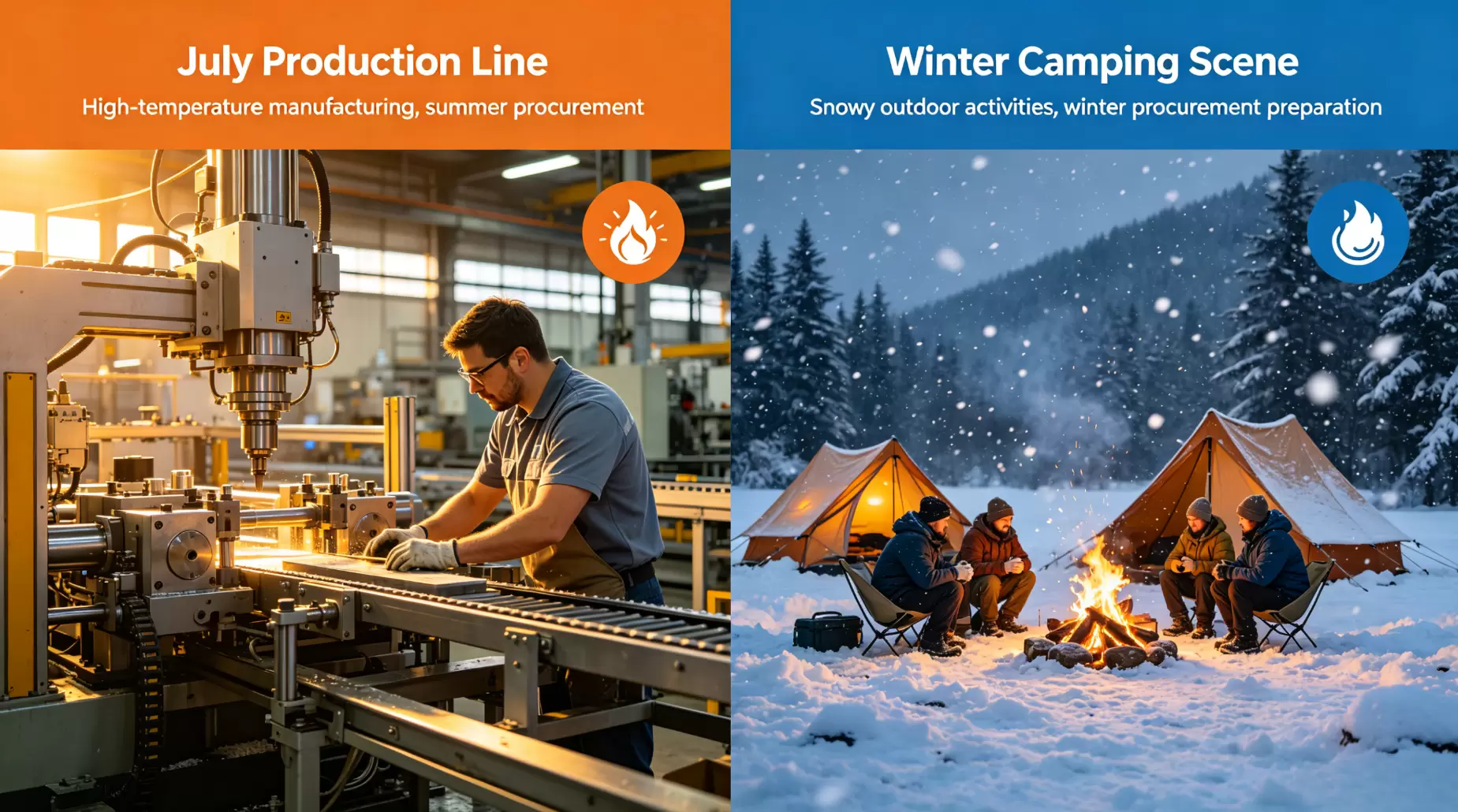
In the outdoor retail industry, proactive inventory management dictates market dominance. While July brings peak summer heat, experienced procurement managers know it represents the absolute "golden window" for winter tent stove sourcing.
Implementing an anti-seasonal purchasing strategy is no longer just a smart cost-saving tactic; it is the cornerstone of resilient supply chain planning. By securing bulk orders with a trusted B2B camping gear wholesale partner during Q3, brands can completely bypass the inevitable late-autumn manufacturing bottlenecks, global freight congestion, and peak-season raw material surcharges.
Placing factory orders in July ensures your inventory clears customs and arrives on retail shelves well before the first freeze. This strategic foresight allows your business to avoid Q4 supply chain paralysis and capitalize on early winter demand while competitors are still facing production delays.
Deconstructing the Timeline: Total Lead Time from July Order to Winter Shelf Space
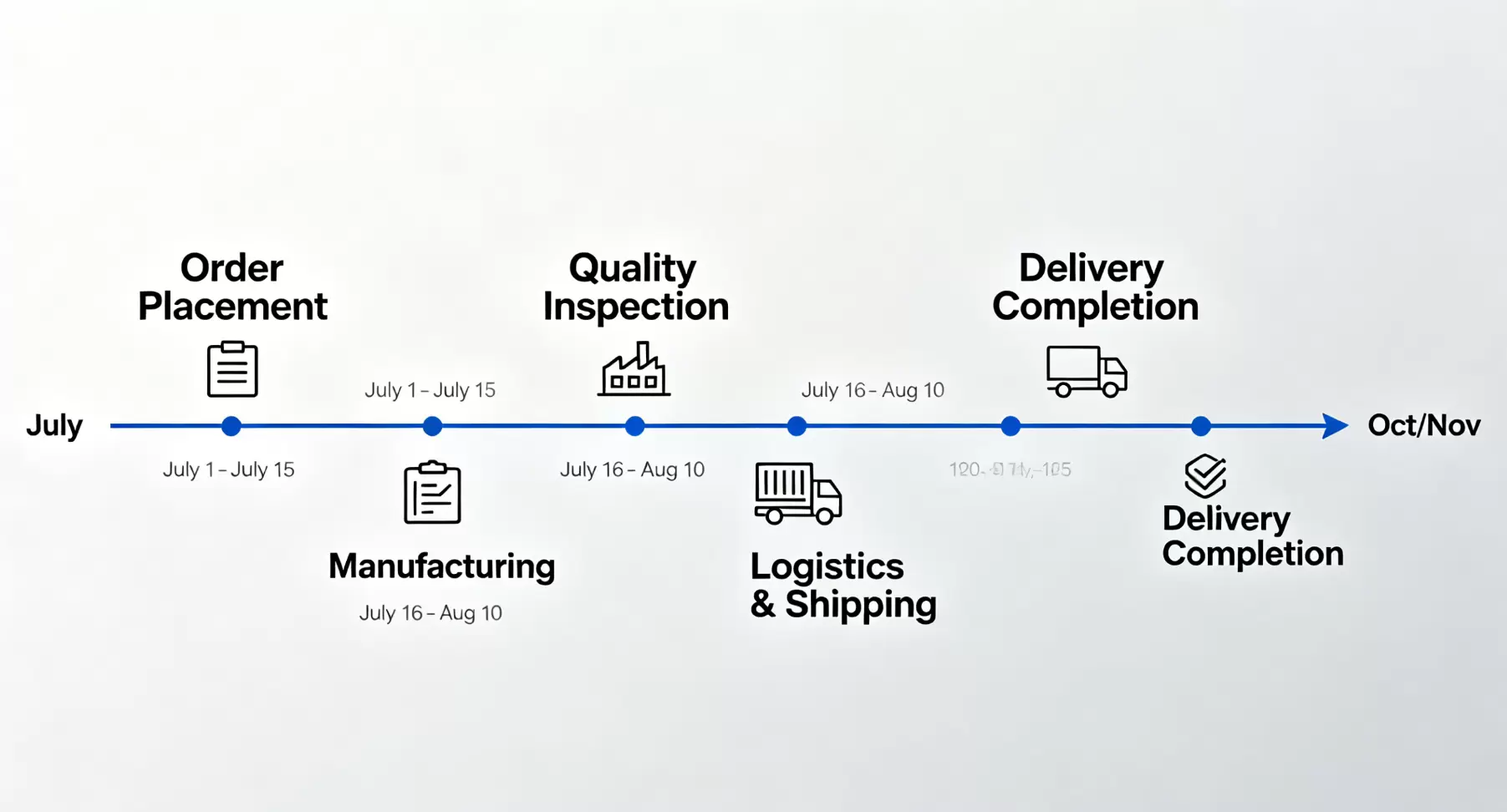
For international outdoor brands and B2B distributors, calculating procurement lead times with absolute precision is mandatory. Relying on tight estimates during peak seasons frequently results in stockouts during prime retail months. To ensure your winter tent stoves are positioned on retail shelves or ready for e-commerce fulfillment by late October, you must reverse-engineer your procurement schedule based on standard manufacturing and international logistics milestones.
B2B Winter Stove Procurement Milestones
| Supply Chain Phase | Operational Processes & Requirements | Estimated Duration |
| Phase 1: Order & Scheduling | Technical blueprint finalization, contract signing, deposit clearance, and factory production queuing. | 20 - 30 Days |
| Phase 2: Bulk Manufacturing | Raw material sourcing (titanium/stainless steel), stamping, welding, assembly, and stringent Quality Control (QC) inspection. | 30 Days |
| Phase 3: Ocean & Customs | Port drayage, container loading, ocean transit, and import customs clearance at the destination port. | 30 - 45 Days |
| Phase 4: Intake & Distribution | Palletization, warehouse receiving, inventory logging, and last-mile logistics to retail hubs. | 10 - 15 Days |
Upstream Production vs. Downstream Logistics
Upstream Manufacturing Window (Days 1–60): Securing your production slot in July guarantees that your bulk order enters the factory floor before manufacturers face mid-autumn backlogs. This 50-to-60-day manufacturing window provides ample time for rigorous batch testing, ensuring welding points and heat-resistant glass components pass strict compliance standards without rushed deadlines.
Downstream Logistics Buffer (Days 61–120): Cross-border freight and customs processing remain the most volatile variables in supply chain management. Allocating a 30-to-45-day window for ocean shipping accounts for potential port congestion or customs delays. Once landside, your domestic distribution centers require an additional two weeks to sort, pack, and ship products to their final retail destinations.
Accounting for a total delivery cycle of approximately 90 to 120 days, a July purchase order is the only way to guarantee a reliable, uninterrupted winter product launch.
Avoiding the Q3 Crunch: Anticipating Factory Production Delays During Peak Season

The period from August to October represents the most volatile window in global manufacturing. As the international supply chain pivots toward the holiday retail surge, traditional manufacturing facilities experience unprecedented capacity strains. Waiting until the end of summer to initiate your procurement contract puts your brand at a severe risk of prolonged factory production delays.
The Q3 bottleneck is driven by a convergence of unavoidable macroeconomic factors:
Holiday Inventory Monopolization: Factory floors prioritize high-volume, mass-market orders designated for major Q4 retail events like Black Friday, Cyber Monday, and the Christmas rush.
Raw Material Gridlock: The simultaneous spike in global manufacturing drives up demand for high-grade metals like titanium and stainless steel, extending component lead times from sub-suppliers.
Logistical Bottlenecks: Container shortages and port congestion intensify as peak shipping season begins, driving up spot freight rates and stalling transit times.
Securing Your Priority Production Slot
By finalizing your winter inventory in July, you effectively bypass this seasonal chaos. Forward-thinking B2B procurement managers utilize this early window to secure a priority production slot.
Locking in your manufacturing run before the autumn rush guarantees that your order receives dedicated assembly line time, stable material pricing, and strict adherence to quality control protocols—long before factory capacity is throttled by the holiday crunch.
Global Logistics and Ocean Freight Planning: Navigating the Q3/Q4 Shipping Peak

Managing cross-border transportation in the latter half of the fiscal year requires a defensive logistics strategy. As global supply chains shift toward the winter peak season, ocean freight rates inevitably surge, driven by heightened demand for holiday retail space. For B2B buyers sourcing seasonal hardware like winter tent stoves, securing freight capacity in July is the definitive method to safeguard margins and guarantee on-time delivery.
Mitigating Peak Season Surcharges (PSS) and Volatility
Starting in August, ocean carriers systematically introduce operational penalties to capitalize on high-volume lanes. Importers face aggressive General Rate Increases (GRI) alongside steep Peak Season Surcharges (PSS). Compounding these costs is the persistent risk of equipment imbalances; global container shortages frequently emerge at major manufacturing hubs as outbound volume outpaces empty container returns. By organizing shipping logistics in July, procurement managers can lock in stable contract rates, avoiding the volatile spot market pricing that degrades profitability later in the year.
Countering Capacity Controls and Blank Sailings
Beyond escalating costs, structural shipping disruptions pose a severe threat to winter delivery timelines. To manage carrier capacity and artificially maintain high freight rates, global shipping alliances frequently implement blank sailings (canceled scheduled port calls). This practice leads to a massive backlog of rolled cargo, leaving late-season shipments stranded at departure ports for weeks.
Pre-booking cargo space four to six weeks in advance during July provides a crucial buffer. It allows freight forwarders to secure guaranteed vessel allocations and optimal routing before shipping lines restrict capacity. Implementing this early logistics planning mitigates supply chain friction, lowers international freight expenses, and ensures your winter product lines clear destination customs precisely on schedule.
Sample Testing and Compliance Control: The Essential Safety Certification Cycle Before Mass Production

Solid-fuel heating systems like winter tent stoves are subject to strict regulatory scrutiny due to inherent operational risks, specifically high-temperature thermal transfer and carbon monoxide mitigation. For international B2B buyers, prioritizing rigorous product safety testing over immediate speed-to-market is a commercial necessity. Moving directly to mass production without a dedicated prototype evaluation phase exposes your brand to severe product liability claims, costly inventory recalls, and potential border customs seizures.
Utilizing the July procurement window provides the necessary buffer to complete thorough sample iteration and physical diagnostics. Evaluating pre-production samples allows your quality assurance (QA) engineering teams to scrutinize weld integrity, verify rivet durability, and test air-tightness under sustained thermal stress. If minor design flaws or structural adjustments are identified, they can be corrected with the manufacturer before the factory floor begins large-scale manufacturing.
Furthermore, securing mandatory safety certifications for primary consumer markets requires a realistic, unhurried timeline:
European Market: Products must conform to strict European Union CE marking directives regarding consumer heating appliances.
North American Market: Compliance with relevant UL/ULC standards for solid-fuel appliances and adherence to EPA emission guidelines are critical for legal cross-border market entry.
Because independent accredited testing laboratories experience heavy backlogs during late Q3, initiating the compliance process in July ensures your product line is fully certified, legally compliant, and safely optimized for retail long before peak winter demand hits.
Material Sourcing Dynamics: Titanium vs. Stainless Steel Production Cycles and MOQ Comparison
In B2B winter gear procurement, material selection directly dictates your upstream supply chain timeline and financial commitment. Titanium alloy and stainless steel—the two dominant materials in the winter tent stove market—exhibit vastly different behaviors regarding raw material lead times, manufacturing complexity, and Minimum Order Quantities (MOQ).
Upstream Supply Chain Comparison: Titanium vs. Stainless Steel
| Supply Chain Metric | Titanium Alloy Folding Stoves | Stainless Steel Fixed Stoves |
| Upstream Material Availability | Volatile (Influenced by aerospace/defense demand) | Highly Stable (Commoditised global supply) |
| Manufacturing Complexity | High (Requires precision tooling & inert gas welding) | Moderate (Standard CNC forming & conventional spot welding) |
| Raw Material Sourcing Lead Time | 30 - 45 Days (Requires early capacity allocation) | 10 - 15 Days (Rapid mill turnaround) |
| Average Factory MOQ | Higher (Typically 200 - 500 units per contract) | Lower (Highly flexible, often 50 - 100 units) |
| Total Production Cycle Length | Extended (45 - 60 Days during Q3) | Accelerated (30 - 40 Days) |
Upstream Material Constraints and Manufacturing Complexity
Titanium Alloy Folding Stoves: Sourcing premium titanium folding stoves requires significant strategic planning. Titanium sheet metal is a high-tier commodity heavily influenced by aerospace demand, often leading to upstream supply constraints and raw material price fluctuations. Furthermore, processing thin-gauge titanium requires specialized precision stamping tools and advanced welding techniques to prevent atmospheric contamination. Because of these intense calibration costs and the necessity of bulk material purchasing from mills, manufacturers invariably enforce a higher MOQ and an extended production window.
Stainless Steel Fixed Stoves: Conversely, stainless steel fixed stoves offer a highly predictable and agile procurement option. The global steel supply chain is exceptionally mature, drastically reducing the risk of component delays. Because stainless steel is highly malleable and compatible with automated CNC lines and standard welding procedures, factories can execute rapid turnarounds. This manufacturing efficiency translates into lower MOQs and shorter lead times, making stainless steel the ideal product line for distributors looking to test market traction with lower initial capital expenditure.
Cash Flow and Payment Terms Planning: Optimizing Capital Recovery for Bulk Winter Procurement
While securing inventory in July guarantees supply chain resilience, it introduces a significant financial trade-off: an extended capital lockup period. Initiating a procurement contract four to five months ahead of the winter retail launch means your working capital remains tied up in manufacturing deposits throughout the summer, potentially straining liquidity during your peak warm-weather sales cycles.
To mitigate this financial pressure, professional procurement managers must leverage strategic payment terms negotiations with their manufacturing partners. Rather than accepting restrictive upfront terms, negotiate milestone-based structures such as a 30/70 payment model:
30% Initial Deposit: Disbursed in July to secure factory line capacity, lock down raw material pricing, and initiate production scheduling.
70% Balance Payment: Deferred until the bulk order passes final quality control (QC) inspection and is released for Bill of Lading (B/L) issuance at the port of origin.
Furthermore, for established buyers, this early window provides the leverage needed to negotiate advanced financing terms, such as Net 30 or Net 60 days post-delivery. Optimizing these payment milestones ensures you protect your summer cash reserves, maintain working capital liquidity, and successfully fund a high-margin winter rollout without compromising your operational budget.
Winter 2026 Market Trends: High-Demand Product Selection Guide for Early Sourcing
To maximize profitability, summer procurement strategies must align with shifting consumer demands. Data from the Winter 2026 outdoor market trends report indicates that consumer purchasing behavior is heavily pivoting toward two distinct high-margin categories: ultralight performance for backcountry mobility and high-tech safety for basecamp comfort. Adjusting your wholesale SKU structure during the July sourcing window allows your brand to capture these lucrative segments early.
High-Growth SKU Categories for Winter 2026/2027
Ultralight Titanium Stoves with Secondary Combustion: The backpacking community is rapidly upgrading to highly efficient eco-friendly systems. Stoves featuring integrated secondary combustion (afterburner technology) are in extreme demand due to their clean-burn efficiency, which minimizes smoke output and reduces fuel wood consumption by up to 30%. Prioritizing precision-engineered, folding titanium variants in your Q3 inventory allocation will target premium, high-spend consumers.
Large Basecamp Stoves with Integrated Magnetic Accessories: Conversely, family and luxury car-campers are opting for large-format, heavy-duty stoves that emphasize structural safety. Commercial packages that feature pre-bundled, next-generation magnetic stove jack connectors and dual-layer mesh heat shields are experiencing substantial wholesale pre-order growth.
Strategic Portfolio Rebalancing
For a resilient winter portfolio, distributors are advised to allocate 45% of their sourcing budget to ultralight secondary combustion titanium models, 35% to large-capacity steel basecamp stoves with magnetic compatibility, and 20% to modular chimney components and safety accessories. Securing these high-demand product lines in July ensures your business captures early-season retail momentum with the most innovative, market-ready solutions.
Risk Management: Mitigating Peak-Season Disruptions with a Dual-Sourcing Strategy
Relying exclusively on a single manufacturing partner during the critical Q3 production window introduces severe vulnerabilities to your winter gear portfolio. Unexpected macroeconomic shocks—such as sudden environmental compliance audits, regional power grid rationing, or localized labor disputes—can instantly paralyze a factory's operations, leaving your brand stranded without inventory during peak retail months. To establish true supply chain resilience, implementing a formalized dual-sourcing strategy is an operational imperative.
The most effective framework for managing seasonal manufacturing risk is the 70/30 allocation model:
The Primary Manufacturer (70% Allocation): Award the majority volume to your primary vendor. This ensures your brand maintains strong economies of scale, maximizes purchasing leverage, and secures preferential per-unit pricing.
The Secondary Factory (30% Allocation): Route the remaining volume to a pre-vetted, independent secondary facility.
While managing a split order slightly increases short-term logistical coordination, keeping a backup factory active is highly strategic. It ensures their production lines remain calibrated, tooling patterns are validated, and quality control (QC) teams are fully aligned with your specifications. Should your primary supplier suffer a sudden operational stoppage, the secondary vendor can immediately scale up production capacity to absorb the deficit. This preventative infrastructure eliminates single-source dependency, safeguards your market share, and protects your winter revenue streams from unexpected upstream volatility.
Conclusion: The Ultimate July Procurement Checklist for Winter Tent Stoves
Capturing the high-margin Q4 winter camping market requires turning strategic foresight into immediate operational milestones. Initiating your winter tent stove sourcing in July is the definitive method to outmaneuver autumn factory gridlocks and volatile freight spikes.
Use this ready-to-implement executive checklist to audit your Q3 supply chain readiness:
Supplier Allocation: Finalize manufacturing volume distributions utilizing the 70/30 dual-sourcing framework to eliminate single-source vulnerabilities.
Financial Optimization: Secure a negotiated 30/70 payment milestone contract to safeguard summer cash flow and working capital liquidity.
Compliance Verification: Execute final sample iterations and submit prototypes to accredited labs for mandatory CE and UL/EPA certifications.
Logistics Reservation: Pre-book ocean container space 4 to 6 weeks in advance to lock in stable contract rates and bypass peak season surcharges (PSS).
Quality Control Milestones: Embed mandatory mid-production and pre-shipment third-party QC inspection protocols into the master production schedule.
Frequently Asked Questions: B2B Winter Tent Stove Sourcing & Logistics
Q1: Why must I initiate sourcing in July instead of waiting until September?
Placing a procurement order in September positions your brand at the back of a massive holiday manufacturing queue, pushing factory completion dates into late November or December. When you factor in peak-season ocean freight congestion, container shortages, and destination port bottlenecks, your bulk inventory likely won't clear customs until after Christmas or early spring. Sourcing in July is the only defensive strategy to guarantee your product lines are on retail shelves before the high-demand winter retail window opens.
Q2: What is the average production lead time for titanium alloy tent stoves?
Because titanium alloy requires highly precise sheet metal stamping, specialized tooling calibration, and advanced inert gas welding to prevent heat warping, the standard peak-season manufacturing lead time runs between 45 and 60 days (excluding international transit). However, by locking in your production run during the tail end of the factory off-season in July, manufacturers can often accelerate this timeline, reducing factory lead times to approximately 35 days.
Q3: How should I negotiate the most favorable payment terms with overseas factories for off-season bulk purchasing?
For off-season procurement, you should leverage your early commitment to secure capital-friendly payment terms. Aim for a traditional 30% deposit / 70% balance against the Copy of Bill of Lading (B/L) framework. If you are working with long-term, pre-vetted manufacturing partners, the July production lull gives you the leverage to negotiate an optimized 20% deposit, or request deferred balance payments until the cargo reaches your destination logistics hub, maximizing your summer operational cash flow.
Q4: What core customs clearance certifications are required to import bulk camping wood stoves into the US and European markets?
Regulatory compliance varies by destination market, and non-compliance can result in costly customs seizures:
European Union (EU): Shipments must conform to strict CE marking directives for heating appliances and include REACH declarations verifying the absence of restricted hazardous chemicals in the alloys and seals.
North American Market (US/Canada): Depending on the product classification (especially for semi-fixed shelters or canvas wall tents), certain states enforce strict EPA solid-fuel emission guidelines. Furthermore, ensuring your factory units pass independent third-party lab testing for air-tightness, carbon monoxide containment, and thermal safety is critical to smoothly clearing customs audits.


 en
en ja
ja ko
ko zh
zh es
es ru
ru fr
fr ar
ar pt
pt tr
tr nl
nl it
it de
de


 RELATED MAGAZINE








 Leave a Message