The global glamping market continues to evolve from basic outdoor lodging into fully immersive wellness destinations. Outdoor sauna experiences have transitioned from high-end amenities into primary revenue drivers for luxury campsites, geodesic domes, and wilderness resorts.
A high-performance wood-fired sauna stove provides an authentic, off-grid wellness experience that justifies premium room rates. For resort owners, procurement managers, and B2B buyers, sourcing the right hardware requires balancing thermal engineering, eco-compliance, safety, and operational return on investment. This guide outlines strategic procurement principles for sourcing premium wood-fired sauna stoves.
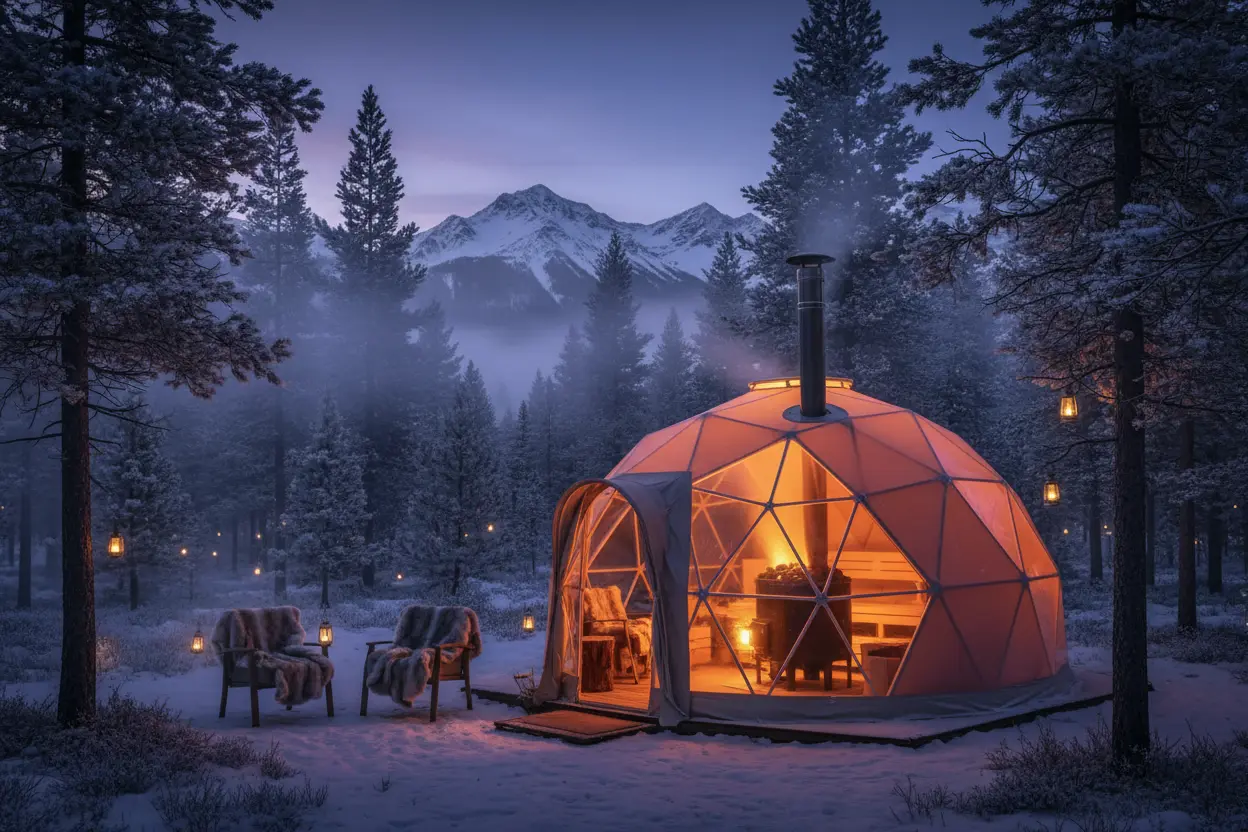
Introduction: The Evolution of Glamping and the Sauna Trend in 2027
The convergence of experiential travel and outdoor wellness tourism has redefined guest expectations. Travel trends emphasize self-care, nature immersion, and off-grid luxury.
Wood-fired sauna stoves serve as central anchors for glamping properties. Unlike generic heating appliances, a well-crafted wood stove offers a tactile, multisensory draw that boosts occupancy during shoulder and off-peak seasons. Sourcing the right stove requires evaluating supplier capabilities, material durability, and international environmental compliance.
Understanding the Wellness Guest: Why Wood-Fired Beats Electric in Outdoor Saunas
While electric sauna heaters offer push-button convenience, wood-fired stoves deliver an unmatchable sensory narrative for luxury glamping guests:
Authentic Sensory Experience: The scent of burning pine or birch, the crackle of timber, and the natural ambient glow of flames foster deep mental relaxation.
True Off-Grid Capability: Wood-fired systems require zero electrical grid infrastructure, making them ideal for remote wilderness locations, eco-lodges, and mountaintop retreats.
Higher Perceived Value: Guests willingly pay higher daily rates for authentic Scandinavian-style wood-fired sauna experiences compared to standard electric saunas.
Thermal Efficiency and Heat Output: Matching Kilowatts to Sauna Cube Volume
Matching heater capacity to interior volume is critical for guest comfort and fuel efficiency:
Sizing Calculation: Standard sauna rooms require roughly 1 kW of thermal output per cubic meter of insulated space. A typical 8 to 12 cubic meter glamping dome requires a 12 to 16 kW stove.
Panoramic Glass Compensation: Modern glamping saunas feature large glass walls. Uninsulated glass surfaces require adding 1.2 to 1.5 cubic meters of calculated volume per square meter of glass when sizing the stove.
Stone Capacity: Larger rock baskets (40kg to 100kg) absorb intense heat, ensuring long-lasting thermal inertia and soft, voluminous steam (Löyly) when water is poured over the rocks.
Material Excellence: Stainless Steel vs. Cast Iron vs. Carbon Steel
Sauna stoves endure extreme heat stress combined with high moisture. Selecting the proper metallurgy determines lifespan:
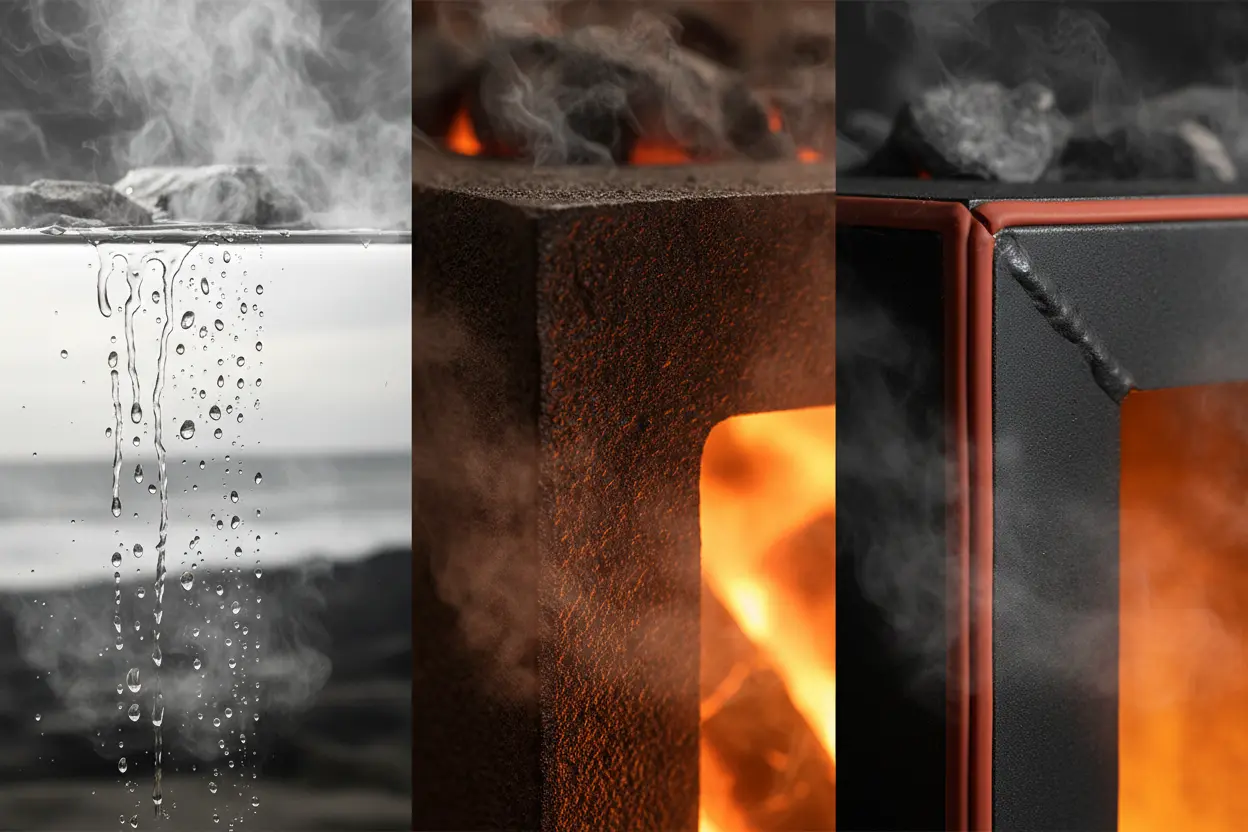
304/316 Stainless Steel: Offers superior corrosion resistance against water and steam. Ideal for high-humidity environments and coastal campsites, eliminating rust degradation.
Heavy Cast Iron: Exceptional heat retention and structural stability. Cast iron fireboxes resist thermal warping under continuous commercial use.
Heat-Resistant Carbon Steel: A cost-effective alternative for structural frames when coated with high-temperature silicone-based coatings rated for 800°C.
Combustion Technology and Eco-Design 2027 Compliance
Commercial glamping sites must comply with evolving global clean-air standards:
Environmental Standards: Sourcing models that meet EU Ecodesign directives and US EPA emissions limits prevents regulatory fines or shutdown notices.
Secondary Combustion: Advanced stoves introduce pre-heated secondary air into the upper firebox, igniting unburned gases and smoke particles.
Low Smoke & High Yield: Secondary combustion boosts wood efficiency by up to 25% while producing virtually smokeless exhaust, protecting eco-resort air quality and neighboring properties.
Safety First: Distance to Combustibles, Shielding, and Flue Systems
Fire prevention is the top priority when integrating wood stoves into timber cabins or canvas domes:
Combustible Clearances: Stoves must maintain strict clearance distances from wood walls or canvas fabric, typically reduced using integrated stainless steel heat shields.
Insulated Flue Pipes: Double-wall or triple-wall insulated stainless steel chimneys are mandatory where flue pipes pass through roofs or tent walls.
Spark Arrestors: Top-mounted chimney caps with fine mesh arrest sparks before they can ignite dry surrounding forest cover or canvas structures.
Aesthetics and Guest Experience: Panoramic Glass Windows and Ergonomics
Aesthetics directly impact guest satisfaction and social media marketing:
Panoramic Robax Glass: Microcrystalline glass doors withstand thermal shocks up to 800°C while offering guests mesmerizing views of the firebox.
Airwash Technology: Integrated air curtains direct cool air across the inner glass surface, preventing soot buildup and maintaining clear fire visibility.
User-Friendly Ergonomics: Deep ash pans, cool-touch handles, and wide firebox doors ensure safe, clean operation by resort staff or guests.
Freight, Flat-Pack Logistics, and Freight Cost Control
Heavy steel hardware and sauna stones can incur high international freight costs if not managed strategically:
Modular & Flat-Pack Designs: Sourcing stoves with removable baffles, modular legs, and detachable rock cages optimizes container cubic meters (CBM).
Localized Stone Sourcing: Import the precision-engineered steel stove body from specialized OEM suppliers, but source heavy vulcanite or olivine diabase stones locally to save on shipping weight.
Protective Packaging: Heavy-duty wooden crating prevents transit deformation on high-value glass doors and finished sheet metal.
Evaluating OEM/ODM Suppliers for High-End Hospitality
Partnering with the right manufacturer ensures consistent product quality and brand customizability:
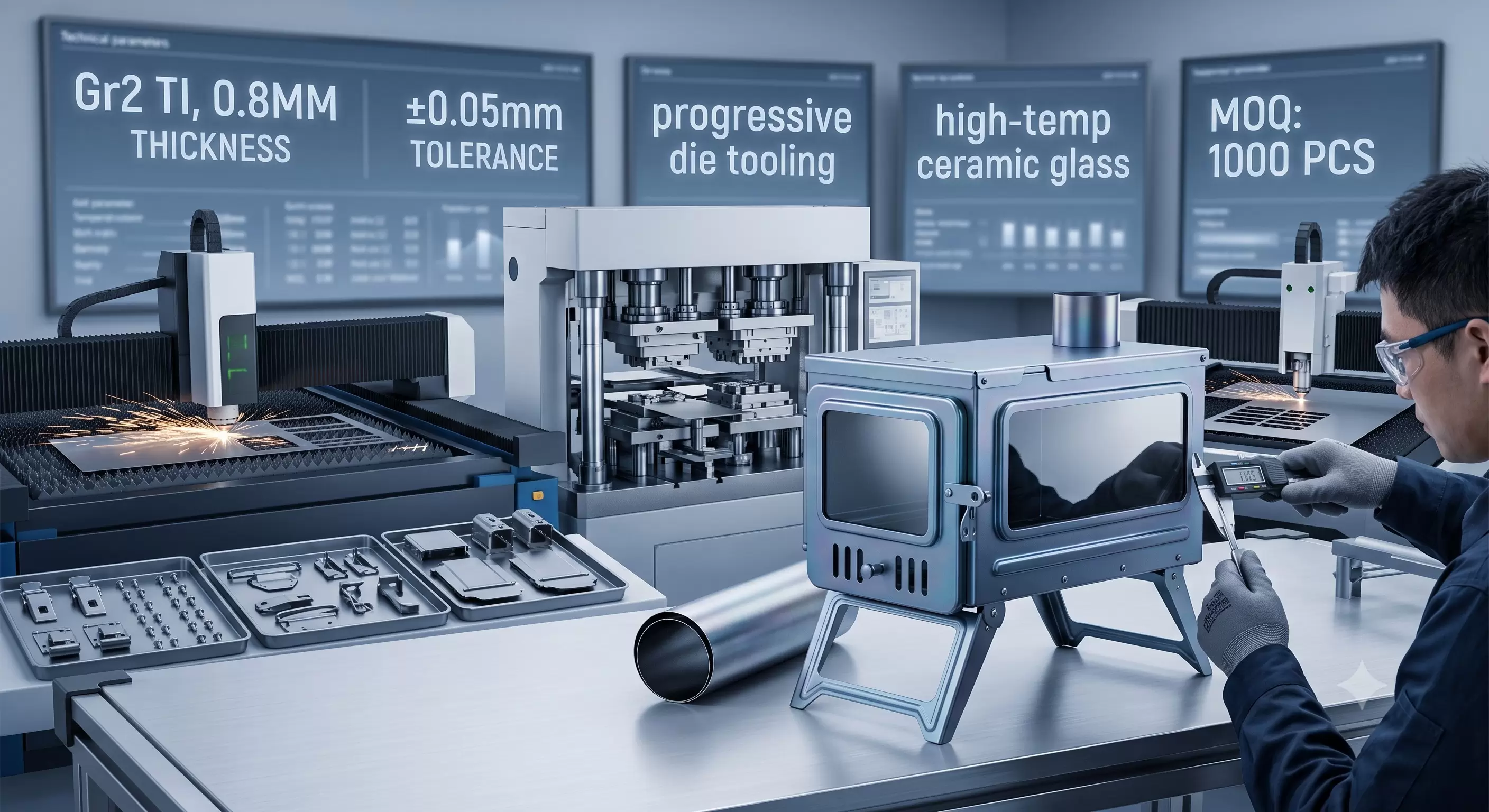
Manufacturing Precision: Audit suppliers for fiber laser cutting, robotic TIG welding, and automated pressure testing to ensure smoke-tight fireboxes.
Hospitality Track Record: Verify that the supplier has experience supplying luxury resorts across Europe, North America, or Scandinavia.
Customization Options: Premium OEMs offer custom branding, laser-cut logos, embossed cast doors, and custom high-temp powder coatings.
TCO (Total Cost of Ownership) & ROI Analysis for Glamping Operators
Investing in commercial-grade sauna equipment delivers strong financial returns:
TCO Breakdown: Total ownership costs include initial stove procurement, shipping, certified installation, routine chimney sweeps, and firewood consumption.
ADR & Occupancy Lift: Adding a private wood-fired sauna can increase Average Daily Rates (ADR) by 20% to 35% and boost midweek winter bookings.
Rapid Payback: With steady booking rates, a premium wood-fired sauna stove setup typically achieves full ROI payback within 3 to 6 months of operation.
Frequently Asked Questions
What size wood-fired sauna stove do I need for a typical glamping dome or cabin?
Stove size depends on total interior volume and insulation efficiency. A standard 6 to 10 m³ dome or cabin requires a stove with a 12 to 16 kW heat output rating. If your sauna features large panoramic glass windows, multiply the room's physical volume by 1.2 to 1.5 to select a stove with adequate thermal output.
Are wood-fired sauna stoves allowed in eco-campsites with strict smoke regulations?
Yes, provided you source stoves equipped with secondary combustion technology certified under EU Ecodesign or US EPA standards. These systems re-burn smoke particles and volatile gases, delivering clean, virtually smokeless exhaust that meets strict environmental regulations.
How much heat-resistant glass viewing space can a sauna stove have without sacrificing thermal efficiency?
Premium stoves using German Robax microcrystalline glass offer large viewing windows without significant efficiency loss. As long as the stove door utilizes high-density fiberglass gaskets and an airwash system, heat retention remains extremely high while providing exceptional ambiance.
How do I calculate the true ROI of adding a wood-fired sauna stove to a glamping site?
Calculate ROI using the formula: [(Daily Rate Increase x Annual Occupancy Days) - (Total Procurement & Installation Cost + Annual Operating Costs)] / Total Investment Cost. Most luxury glamping sites boost daily room rates by 20% to 35%, achieving full equipment payback within 3 to 6 months.


 en
en ja
ja ko
ko zh
zh es
es ru
ru fr
fr ar
ar pt
pt tr
tr nl
nl it
it de
de

 RELATED MAGAZINE









 Leave a Message