When evaluating high-efficiency tent stoves for cold-weather camping or off-grid scenarios, two critical specifications often appear in product descriptions: CE EN 13240 certification and 304 food-grade stainless steel construction. Understanding why these standards matter—and how they work together—can mean the difference between a safe, reliable heating solution and a potential hazard in confined spaces.
Understanding CE EN 13240: Europe's Gold Standard for Tent Stoves
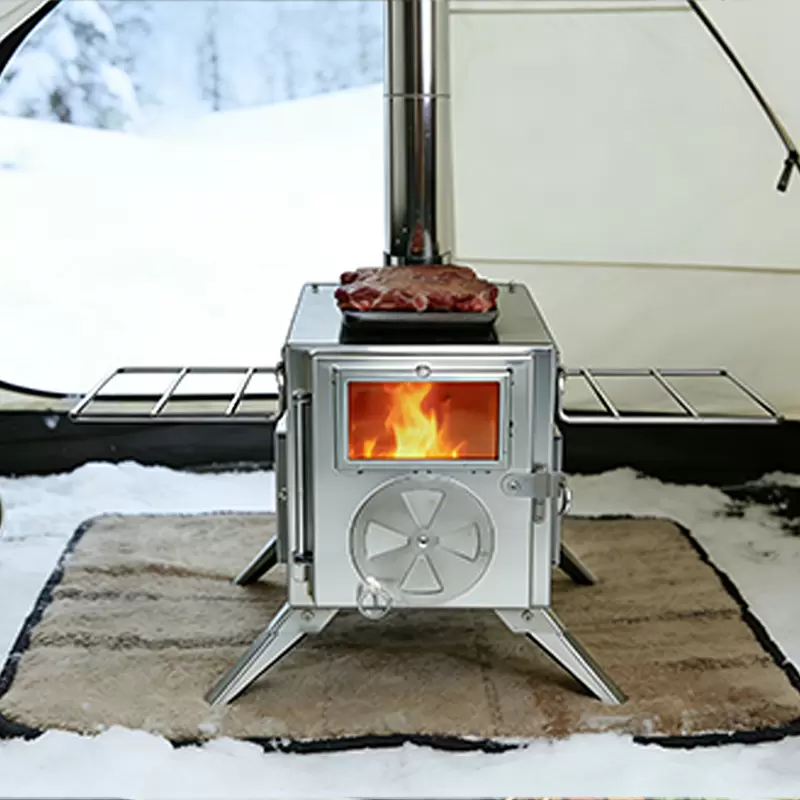
CE EN 13240 represents the European safety standard specifically designed for solid fuel local space heaters. Unlike generic heating certifications, this standard evaluates stoves under real-world conditions that mirror tent camping environments: enclosed spaces, variable fuel quality, and extended burn cycles. The certification process tests emissions levels, structural integrity under thermal stress, and combustion efficiency to ensure the appliance won't produce dangerous carbon monoxide levels or pose fire risks when operated according to manufacturer guidelines.
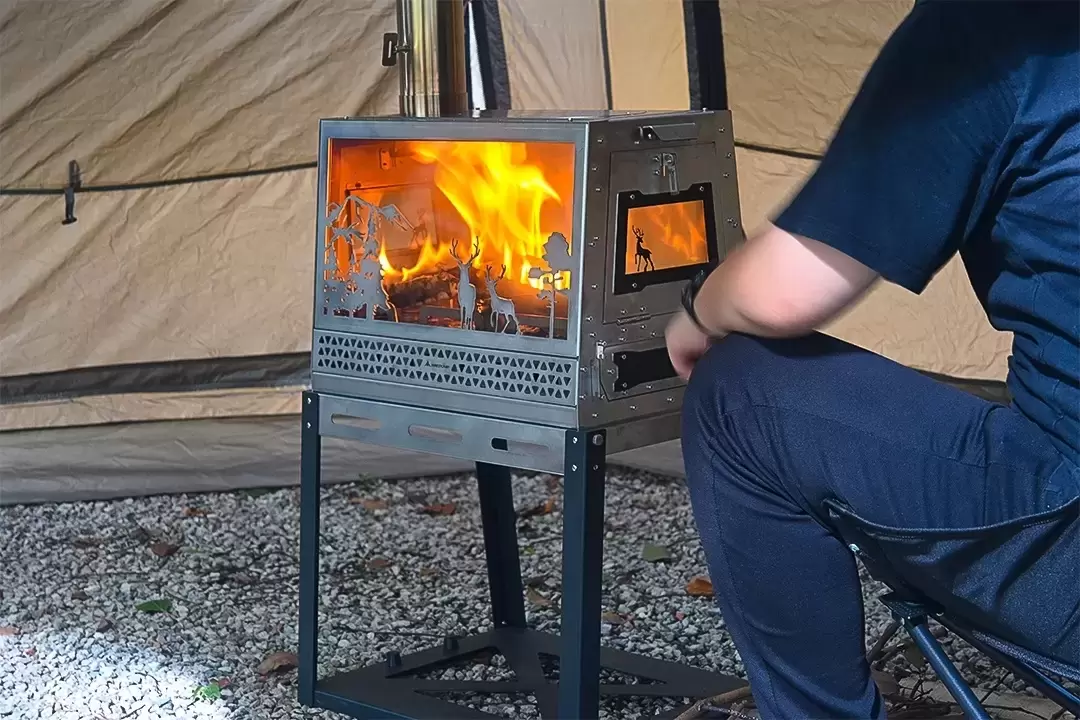
For users camping in alpine environments, ice fishing shelters, or glamping setups, this certification provides measurable assurance. The testing protocol requires stoves to maintain stable combustion across different fuel types (hardwood, softwood, compressed logs) while keeping surface temperatures within safe ranges. This becomes critical when children or pets occupy the same tent space, or when the stove operates unattended during sleep hours.
The Food-Grade Steel Imperative
While safety certifications address combustion risks, material selection directly impacts both durability and health outcomes. 304 stainless steel, commonly specified as "food-grade," contains 18% chromium and 8% nickel—a composition that resists corrosion, withstands thermal cycling, and prevents metal leaching even when exposed to moisture, acidic wood smoke, or fluctuating temperatures.
This material specification matters for three operational reasons. First, tent stoves frequently encounter condensation from temperature differentials between the hot stove body and cold tent fabric. Non-food-grade metals may rust within a single season, compromising structural integrity and creating jagged edges. Second, creosote buildup—a byproduct of wood combustion—contains acidic compounds that accelerate corrosion in inferior steel alloys. Third, users sometimes place cookware directly on stove surfaces or use integrated cooktop features, making food-contact safety a legitimate concern.
The GB 4806.9 standard, China's national food safety specification for metal food-contact materials, provides an additional verification layer. Products certified under this standard undergo migration testing to confirm that nickel, chromium, and other metallic elements remain below safe thresholds even under high-heat cooking scenarios.
Engineering Synergy: Where Safety Meets Performance
Advanced tent stove designs integrate CE EN 13240 compliance with food-grade steel construction to address the core challenge of wood-burning appliances: incomplete combustion. Traditional single-wall stoves waste up to 40% of fuel energy while producing eye-stinging smoke. Modern secondary combustion systems solve this by introducing preheated air above the primary firebox, reigniting unburned gases before they exit the chimney.
This technology yields quantifiable benefits. Laboratory testing shows properly designed secondary air intake systems can reduce particulate emissions by 80% while increasing heat output by 20-45% compared to conventional stoves. For users, this translates to longer burn times per fuel load, faster tent heating, and drastically reduced smoke odor clinging to gear and clothing.
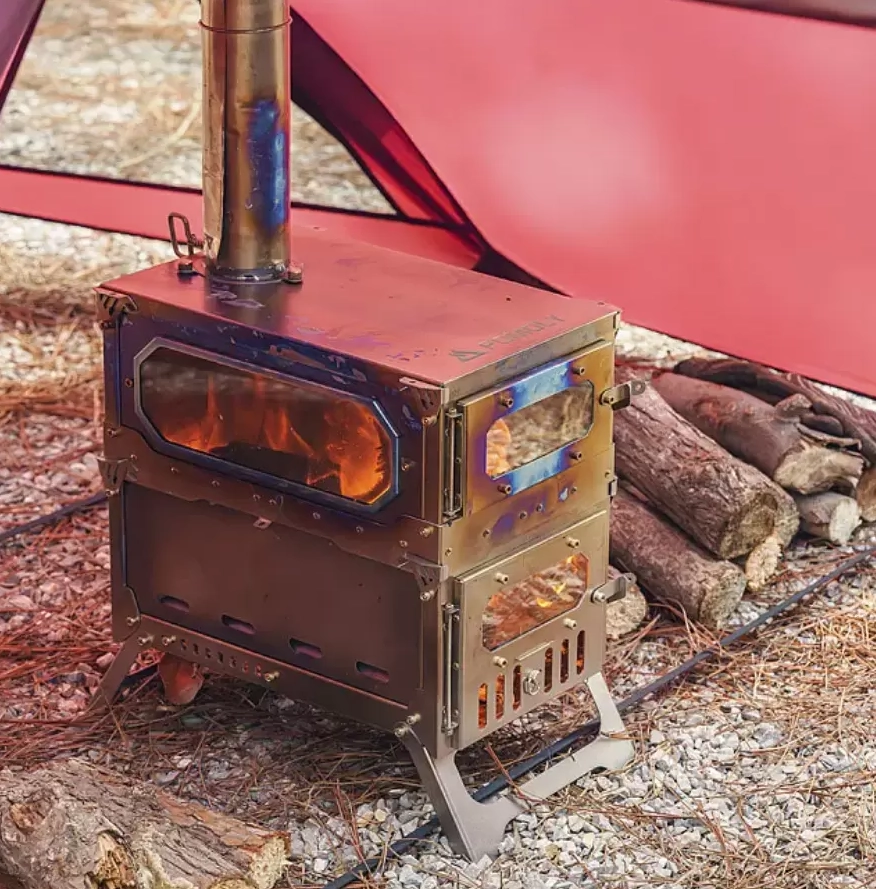
The inverted chimney design represents another critical innovation. Standard chimney connections allow creosote condensate to leak at pipe joints, creating mess and fire hazards. Inverted stacking—where each pipe section nests inside the one below—channels all condensate back into the firebox for re-combustion. When combined with 3.0mm thick 304 stainless steel construction, this design prevents the warping and joint separation that commonly occurs after 50-100 burn cycles in thinner-gauge stoves.
Real-World Validation: Case Studies in Extreme Conditions
Implementation data from specialized markets demonstrates the practical value of certified, food-grade tent stoves. A Norwegian glamping operator serving guests in sub-arctic conditions reported zero carbon monoxide incidents across 1,200 tent-nights after switching to CE EN 13240-certified secondary combustion stoves, compared to three evacuations the previous season with uncertified equipment. The same operator noted a 60% increase in per-night revenue by extending the operational season into shoulder months, as guests felt confident using stoves overnight.
Canadian ice fishing outfitters operating in temperatures below -30°C documented fuel consumption reductions of 35% when upgrading to high-efficiency models with secondary air systems. The thicker steel construction maintained structural integrity despite daily thermal shocks from rapid heating and cooling, while competitors' thinner stoves developed warped doors and air leaks within a single season.
In the Japanese outdoor retail market, a premium brand achieved an 80% price premium over generic alternatives by highlighting CE certification and food-grade steel in their marketing. First-month sales of 5,000 units demonstrated that educated consumers prioritize verifiable safety standards over lowest-cost options when family safety is at stake.
Selecting the Right Specification for Your Application
Different use cases demand different priorities within the certified tent stove category. Weekend recreational campers in moderate climates may prioritize compact folding designs that sacrifice some thermal mass for portability. Extended off-grid users or commercial operators should focus on maximum steel thickness (3.0mm or greater) and welded construction over bolted assemblies, as mechanical fasteners loosen under repeated thermal expansion.
For multi-season use, seek models with adjustable secondary air controls rather than fixed intake geometry. This allows users to optimize combustion for different wood moisture contents and altitude conditions. At elevations above 8,000 feet, reduced oxygen availability requires larger air intake ratios to maintain complete combustion—a variable that fixed-geometry stoves cannot accommodate.
The chimney system deserves equal scrutiny to the stove body. Certified installations require double-wall insulated pipe for any sections passing within 18 inches of tent fabric, with spark arrestors mandatory in fire-prone regions. Stainless steel chimneys rated to 600°C continuous operation prevent the sagging and discoloration that occurs with aluminum alternatives after just a few seasons.
Manufacturing Precision: The Foundation of Certification
Achieving CE EN 13240 certification requires manufacturing consistency that exceeds typical outdoor equipment standards. Robotic welding systems ensure uniform bead penetration and eliminate the cold joints that cause premature failure. Laser-cut air intake ports maintain dimensional accuracy within 0.5mm, critical for achieving the designed air-to-fuel ratios that secondary combustion systems require.
The certification process itself involves destructive testing of production samples, not just prototypes. Stoves must maintain emissions compliance after 100 simulated burn cycles, proving that door gaskets, baffle systems, and air controls remain functional through a typical product lifespan. This level of validation explains why certified models command price premiums—the engineering investment and testing costs are substantial.
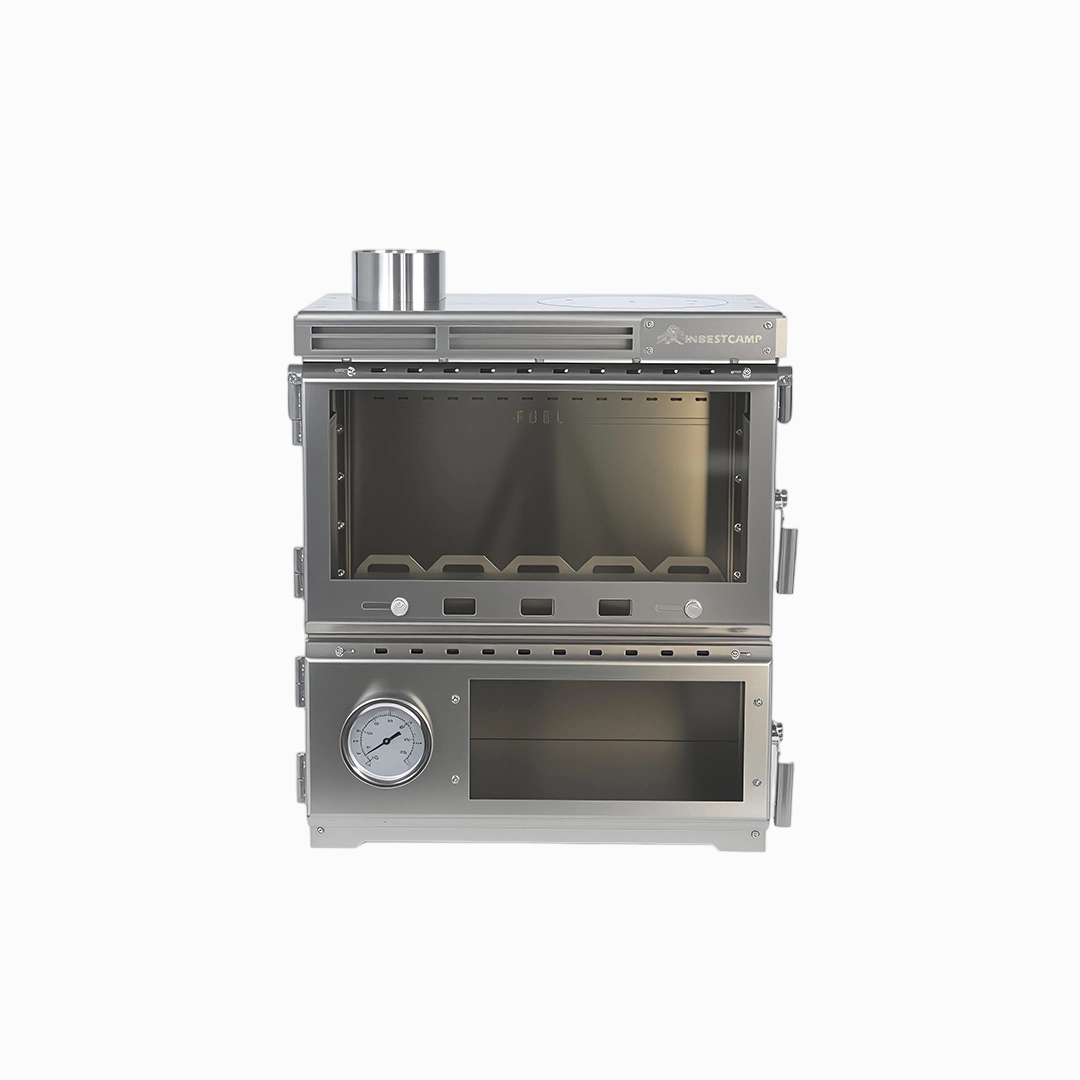
INBESTCAMP, through its parent entity Suzhou Tuoshenghe Mechanical and Electrical Technology Co., Ltd., achieved distinction as the first Chinese manufacturer to earn CE EN 13240 certification. This milestone required integration of aviation-grade titanium alloys for high-stress components and development of proprietary "inverted chimney" technology to meet stringent creosote management requirements. The company's portfolio of 127 patents reflects the iterative engineering necessary to balance thermal efficiency, emissions control, and field durability.
The Path Forward: Making Informed Equipment Decisions
As outdoor recreation extends into harsher environments and longer seasons, the gap between certified and uncertified heating equipment continues to widen. Insurance providers increasingly require proof of certification for commercial glamping operations, while land management agencies consider mandating certified stoves in high-use wilderness areas to reduce wildfire risks from escaped embers.
For individual consumers, the decision framework should prioritize verifiable safety standards over marketing claims. Request certification documentation showing actual test results, not just assertions of compliance. Examine welding quality, steel thickness specifications, and chimney connection design—these physical attributes reveal far more about real-world performance than promotional materials.
The integration of food-grade 304 stainless steel with CE EN 13240 certification represents the current benchmark for serious cold-weather camping equipment. While budget alternatives may suffice for occasional use in mild conditions, the reliability, safety, and longevity of properly certified stoves justify the investment for anyone spending extended time in tent shelters. As one Canadian outfitter noted after a decade of field testing: "We stopped counting repair costs and started counting the incidents that never happened."
In an outdoor industry crowded with incremental improvements and marketing hyperbole, certification standards provide objective, testable criteria for equipment selection. For tent stoves—where failure modes include asphyxiation, carbon monoxide poisoning, and structure fires—those standards aren't luxuries. They're necessities.


 en
en ja
ja ko
ko zh
zh es
es ru
ru fr
fr ar
ar pt
pt tr
tr nl
nl it
it de
de

 RELATED MAGAZINE







 Leave a Message