The global outdoor equipment market continues to expand, driven by rising demand for winter camping, overlanding, and off-grid travel. According to data from Grand View Research, the global camping equipment market is projected to surpass $28 billion by 2030, with heating solutions for tents becoming a fast-growing niche.
For outdoor brands, this presents a clear opportunity: develop differentiated product lines around camping tent wood burning stoves that meet evolving consumer expectations while maintaining scalable supply chains. However, speed, customization, and reliability are now just as critical as product performance.
In this blog post, INBESTCAMP, as high quality custom outdoor tent wood stove china factory, will share the the camping tent wood burning stove OEM solutions for outdoor brands scaling fast.
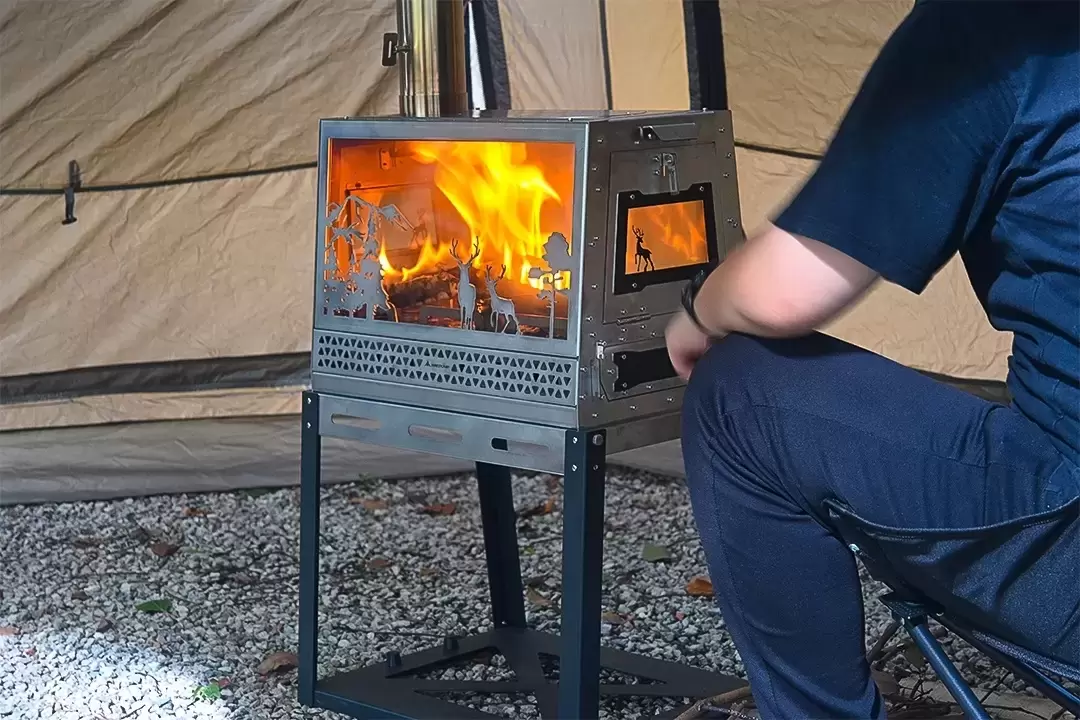
Building Competitive Advantage Through Camping Tent Stove OEM Partnerships
The shift from generic sourcing to OEM-driven product strategy is reshaping how outdoor brands compete globally.
Instead of relying on standard catalog products, leading brands are now investing in proprietary development. This often includes structural redesign of stove bodies, integration of modular chimney systems, and optimization of airflow mechanisms for both efficiency and safety. At the same time, brands are expanding beyond the core product by building accessory ecosystems that reinforce brand identity.
OEM manufacturing provides deeper control over product positioning, cost management, and long-term supply stability. More importantly, it enables brands to respond quickly to regional demand differences. Lightweight systems appeal to North American users focused on portability, while high-output heating systems remain essential in Nordic markets.
Why Custom Camping Tent Wood Burning Stoves Are Driving Market Growth
The modern outdoor consumer no longer evaluates products based solely on basic heating capability. Purchasing decisions are increasingly influenced by a combination of usability, portability, and durability.
For example, buyers are comparing heat efficiency against packability, assessing how quickly a stove can be assembled in cold conditions, and paying close attention to material performance under repeated thermal stress. Multi-functionality is also becoming a key expectation, especially for products that combine heating with cooking.
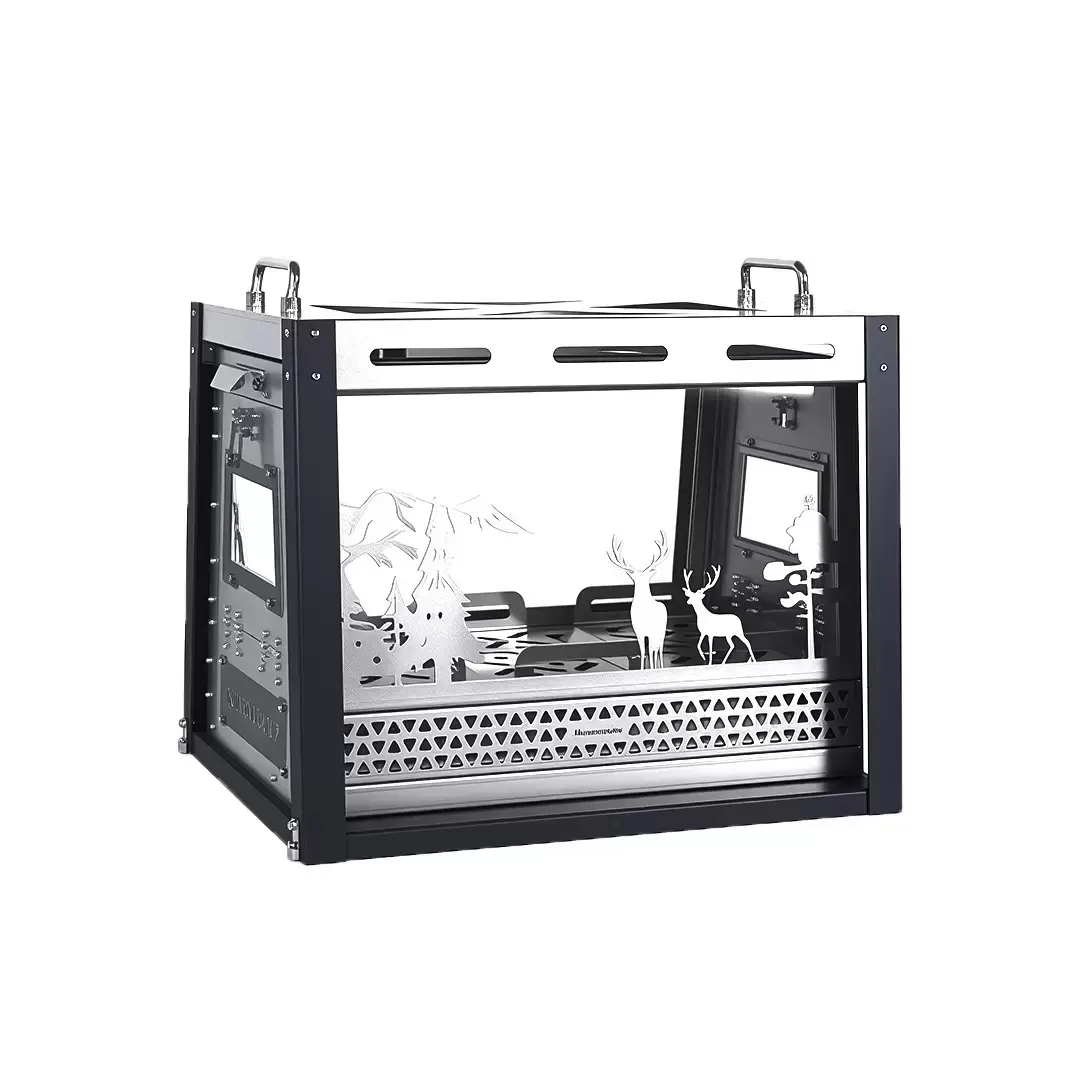
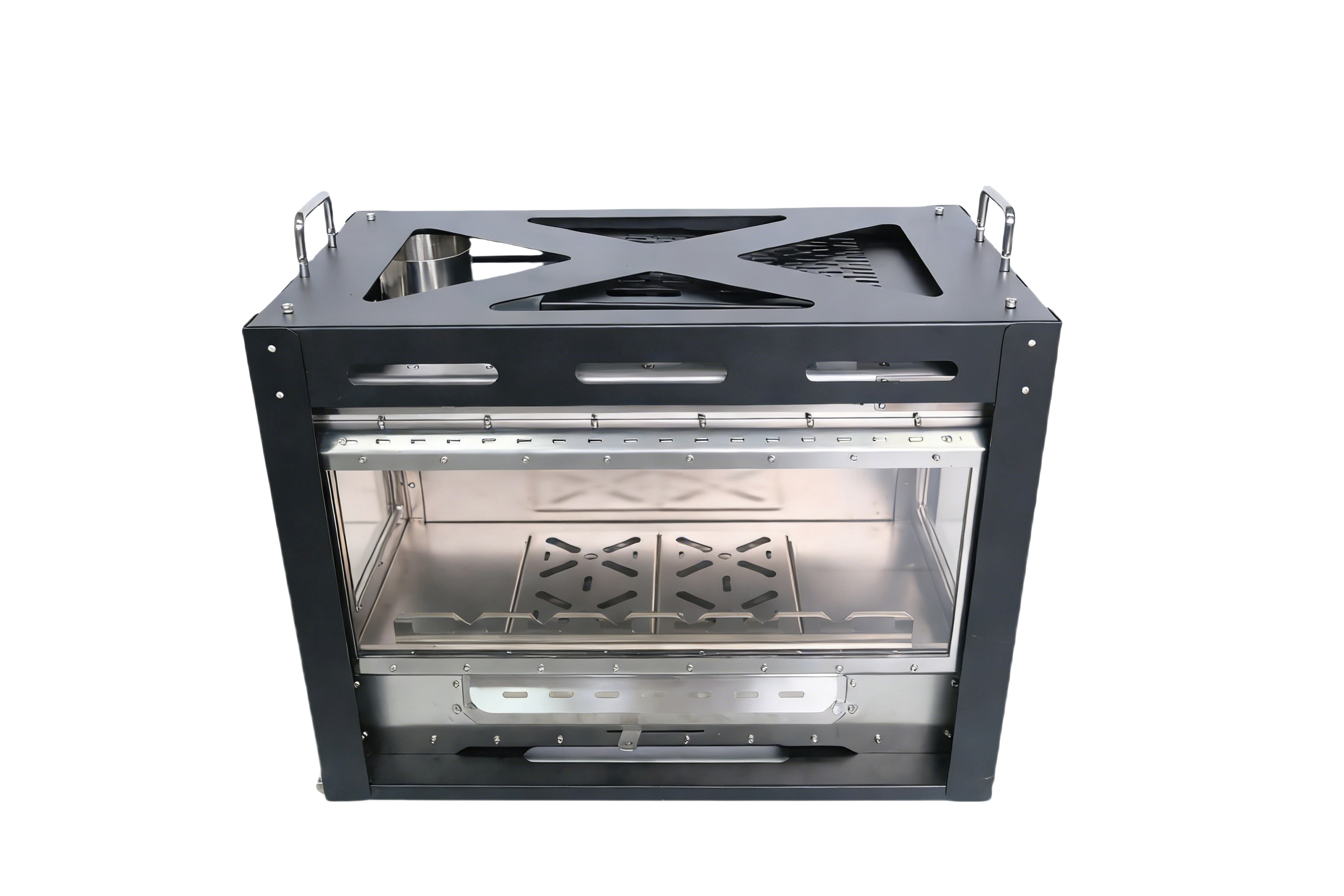
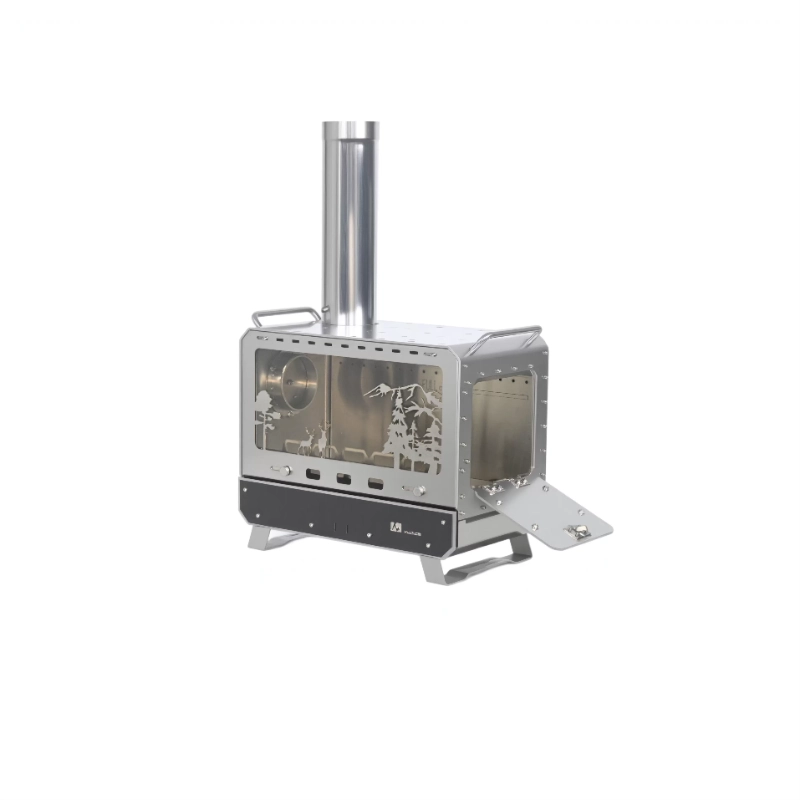
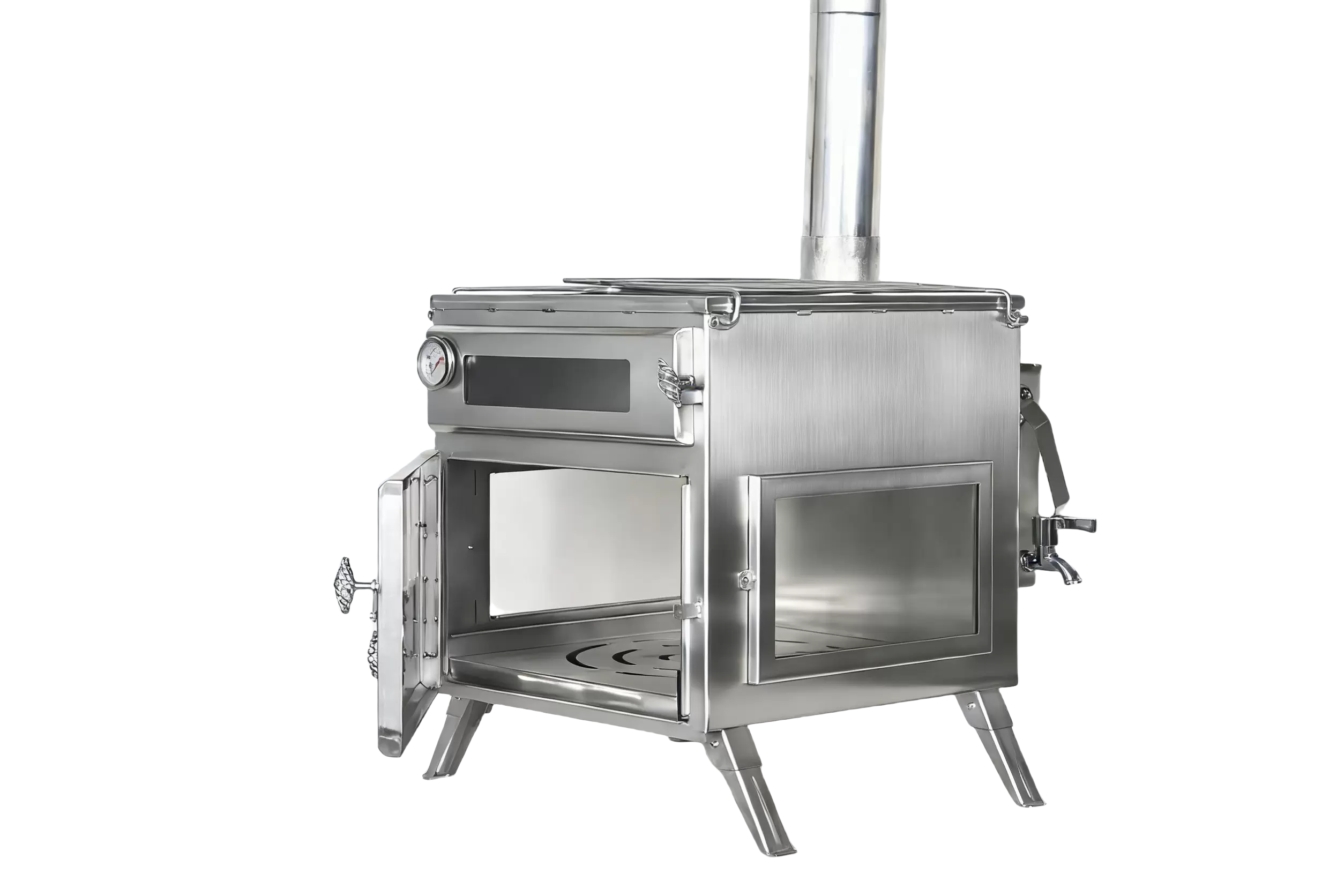
Customization directly addresses these evolving requirements. Foldable structures improve transport efficiency, while glass panels enhance product aesthetics and perceived value. Detachable chimney systems add flexibility, and safety-focused features such as spark arrestors are now considered essential for compliance in multiple markets.
Without differentiation at this level, products risk becoming indistinguishable in competitive online channels.
From Concept to Shelf: Structuring a Scalable ODM Workflow
A structured ODM workflow is critical for reducing delays and ensuring alignment between design intent and final production.
The process typically begins with requirement mapping, where technical specifications and market positioning are clearly defined. This is followed by rapid design development supported by CAD modeling and sample creation, often completed within a week. Prototype validation then ensures structural integrity and thermal performance before moving into mass production.
Production cycles are increasingly optimized, with many manufacturers achieving full-scale manufacturing within 30 days. Quality inspection runs throughout the process, ensuring consistency before shipment.
This approach is particularly effective for brands that need to test new products with limited initial investment. With minimum orders starting from 10 units, businesses can validate demand without excessive inventory risk.
Integrating Branding Into Product Engineering
Brand identity is no longer confined to packaging; it is embedded directly into the product itself.
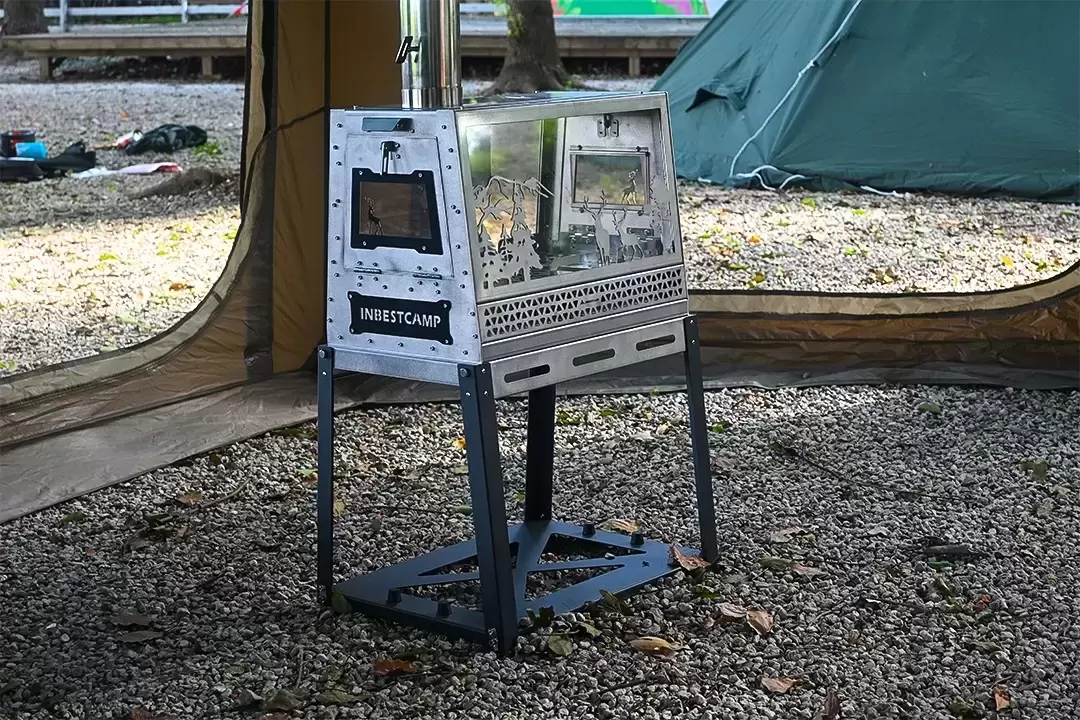
Outdoor brands are incorporating visual and functional branding elements such as laser-cut logos on stove panels, custom-designed chimney caps, and uniquely styled accessory kits. Even subtle design decisions, like coating finishes and structural details, contribute to a recognizable product identity.
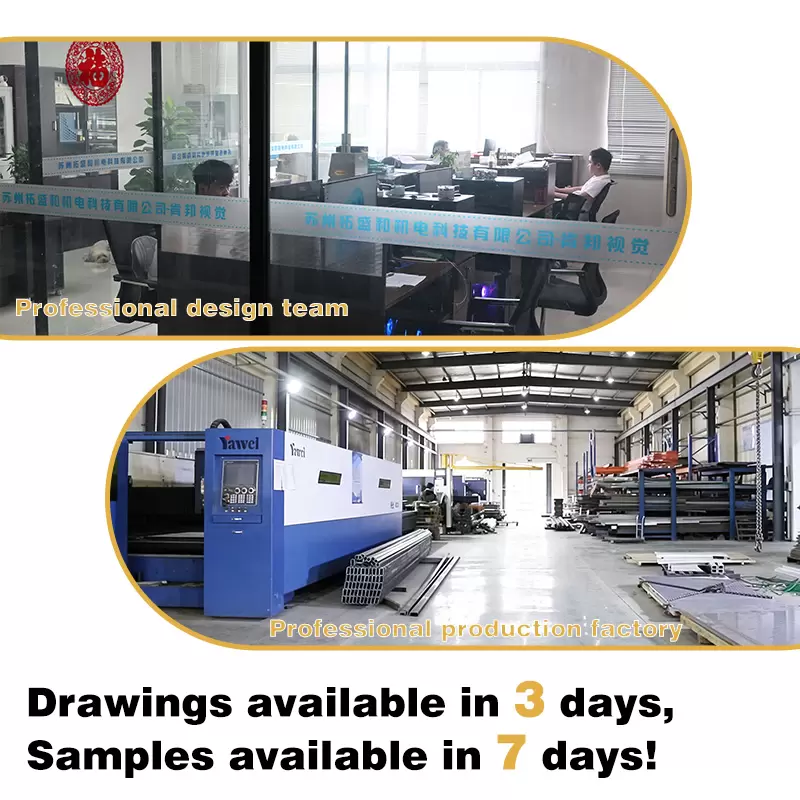
A professional design team plays a crucial role in translating brand concepts into manufacturable designs. This ensures that every product aligns with the broader brand narrative, whether positioned for premium markets or high-volume retail.
This level of integration is especially important for brands seeking long-term differentiation rather than short-term sales.
Manufacturing Depth: Why Factory Capabilities Matter More Than Ever
Supplier capability is no longer just about production capacity; it is about integration across design, manufacturing, and quality control.
A factory with in-house engineering teams can independently develop and refine products, reducing reliance on external resources. Dedicated production lines ensure consistency, while internal quality systems maintain standards across batches.
INBESTCAMP operates with both manufacturing and trading capabilities, allowing for seamless coordination from product development to global distribution. Facilities such as independent showrooms and warehouses further support operational efficiency.
In addition, real-time production tracking and visual inspection methods, including live video updates, enhance transparency and build trust with international buyers.
Quality Control as Brand Protection Strategy
For products like tent stoves, where safety and durability are critical, quality control is directly tied to brand reputation.
Effective quality management begins with raw material inspection, ensuring that all components meet required specifications. During production, key processes such as welding and assembly are monitored to prevent structural weaknesses. Before shipment, final inspections verify that each unit meets design and safety standards.
Advanced suppliers also offer visual documentation, allowing buyers to review product conditions remotely. This level of transparency is particularly valuable for overseas clients managing long-distance procurement.
Comparing OEM vs Traditional Wholesale Sourcing
Criteria | OEM Manufacturing | Traditional Wholesale |
Product Differentiation | High | Low |
Branding Control | Full | Limited |
MOQ Flexibility | Moderate to Low | High |
Speed to Market | Fast | Medium |
Long-term Scalability | Strong | Limited |
OEM manufacturing is not simply a sourcing method; it is a strategic framework that supports long-term brand development.
Market-Specific Customization: Adapting to Regional Demand
Different markets present distinct requirements, making localization an essential part of product development.
In North America, portability and ease of use are key priorities, especially among solo campers and overland travelers. In Northern Europe, durability and high heat output are critical due to extreme weather conditions. Meanwhile, in Australia and New Zealand, compliance with fire safety regulations and multi-functionality are major considerations.
An experienced outdoor tent wood stove china factory can help brands adjust product specifications to meet these regional differences without disrupting production efficiency.
Speed as a Competitive Weapon in Outdoor Product Launches
Speed has become a defining factor in competitive success.
Short development cycles allow brands to respond quickly to seasonal demand shifts and emerging trends. Sample production within seven days, combined with 30-day manufacturing timelines, enables rapid product launches.
With support from large design teams, multiple product variations can be developed simultaneously. This allows brands to test different configurations and identify high-performing models more efficiently.
Specialized Product Segments Worth Targeting
Several niche segments are experiencing accelerated growth within the outdoor heating category.
Hot tent systems are gaining popularity among winter campers seeking comfort in extreme conditions. Ultralight stoves are attracting backpackers who prioritize weight reduction. Modular systems offer flexibility, while premium designs featuring glass panels appeal to high-end consumers.
Working with a backpacking wood burning tent stove factory enables targeted entry into lightweight segments. Similarly, collaboration with a foldable tent stove oem factory supports the development of compact, travel-friendly solutions.
What Global Buyers Actually Look for in OEM Suppliers
Experienced buyers evaluate suppliers based on multiple factors beyond cost.
Engineering capability determines whether complex designs can be executed effectively. Communication efficiency affects project timelines and reduces misunderstandings. Production consistency ensures reliable quality across orders, while customization depth reflects the supplier’s ability to support brand differentiation.
Transparency also plays a key role. Suppliers that offer factory visits—either in person or virtually—demonstrate operational confidence and a commitment to long-term partnerships.
Reducing Risk in International Procurement
OEM sourcing involves inherent risks, but these can be effectively managed through structured processes.
Clear technical documentation minimizes specification errors. Production tracking ensures that timelines are met, while inspection protocols reduce the likelihood of defects.
By implementing these measures, brands can significantly improve supply chain reliability and reduce operational uncertainty.
Leveraging OEM for Brand Scaling, Not Just Production
The most successful outdoor brands treat OEM partnerships as strategic collaborations.
This involves working closely with manufacturers on product development, sharing market insights, and continuously refining designs based on user feedback.
INBESTCAMP supports full-cycle customization, including design, prototyping, and mass production. This integrated approach allows brands to scale efficiently without investing in their own manufacturing infrastructure.
FAQ
Q1: What is the typical MOQ for custom tent stoves?
Minimum order quantities can start from as low as 10 units, allowing flexible product testing.
Q2: How long does it take to develop a custom design?
Sample development is typically completed within 7 days, depending on design complexity.
Q3: Can accessories be customized together with the stove?
Yes, customization can include chimney systems, carrying bags, and additional components.
Q4: How can buyers ensure product quality before shipment?
Through multi-stage quality inspections, along with photo and video verification provided by the supplier.
Q5: Can products be adapted for different international markets?
Yes, materials, structure, and features can all be adjusted to meet regional requirements.
A well-executed camping tent wood burning stove OEM strategy is now a critical driver of brand differentiation, operational efficiency, and long-term growth in the outdoor industry.


 en
en ja
ja ko
ko zh
zh es
es ru
ru fr
fr ar
ar pt
pt tr
tr nl
nl it
it de
de

 RELATED MAGAZINE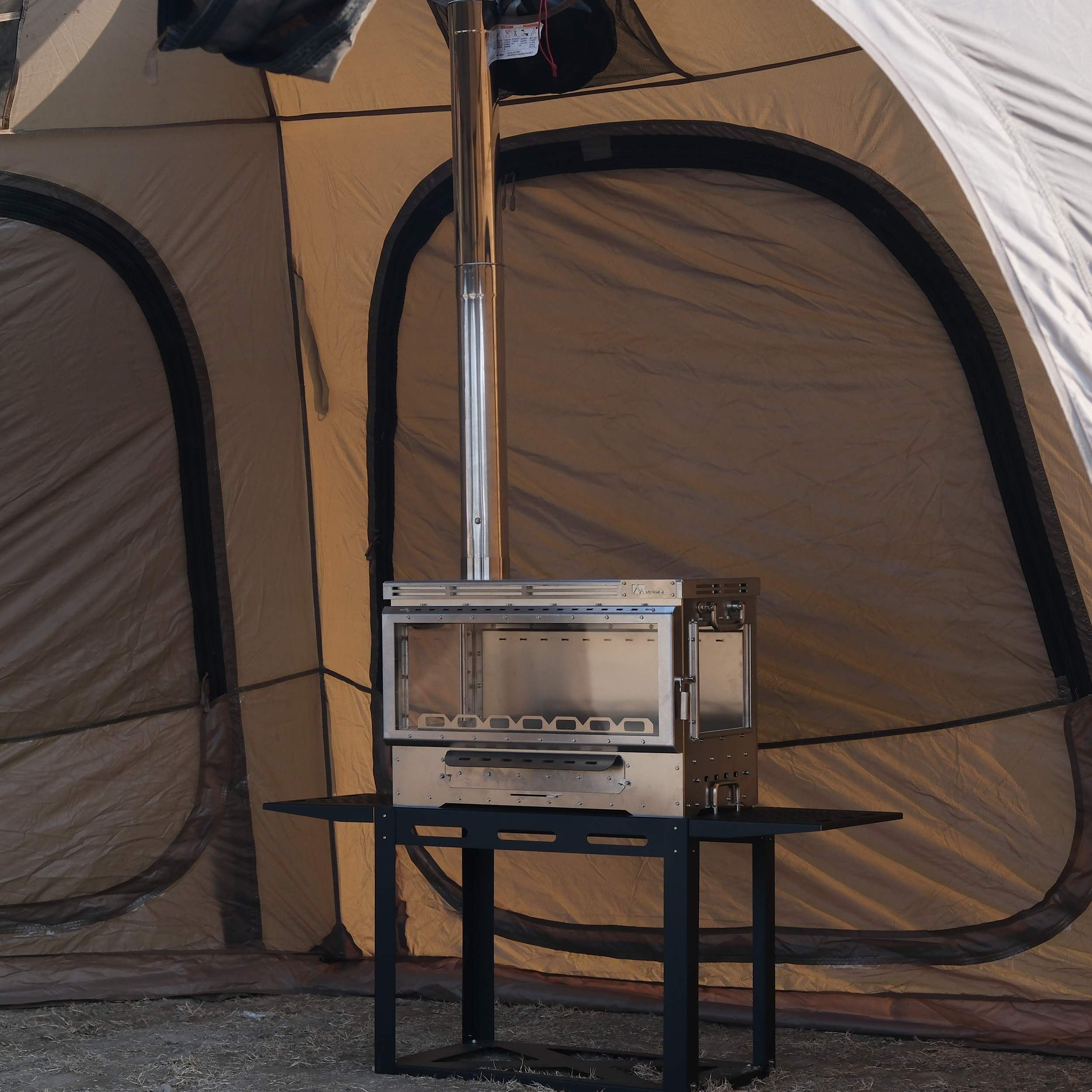







 Leave a Message