The outdoor industry is entering a phase where product differentiation, speed to market, and brand identity define success more than ever before. Portable heating and cooking solutions—especially portable camping wood stoves—are no longer niche products; they are becoming essential gear across winter camping, overlanding, and off-grid lifestyles.
According to Grand View Research, increasing participation in outdoor recreation and the rise of experiential travel are accelerating demand for compact, multi-functional equipment. For brands and distributors, this shift creates a clear opportunity—but also raises the bar for product development and supply chain execution.
In this blog post, INBESTCAMP, as high quality outdoor tent wood stove china supplier, will share the the portable camping wood stoves with custom design for outdoor businesses.
Rethinking Supplier Roles in Portable Camping Wood Stove Manufacturing
Traditional supplier relationships focused primarily on production capacity and pricing. That model is no longer sufficient.
Today, a capable supplier operates as:
A product development partner
An extension of your R&D capabilities
A strategic resource for market adaptation
Manufacturers with integrated engineering teams can participate early in the design phase, helping brands avoid costly redesigns later. This is particularly important for technically demanding products such as portable camping wood stoves, where airflow systems, combustion efficiency, and material durability must be aligned from the outset.
A supplier that combines manufacturing and trading capabilities—like INBESTCAMP—can also streamline communication between design, production, and international logistics, reducing friction throughout the process.
How Custom Design Drives Market Entry for Outdoor Brands
In a crowded global marketplace, standardized products rarely sustain long-term growth. Custom design is no longer optional—it is a prerequisite for brand survival.
Effective customization strategies often focus on:
Structural innovation that improves portability and usability
Functional integration that enhances cooking and heating versatility
Visual differentiation that strengthens brand identity
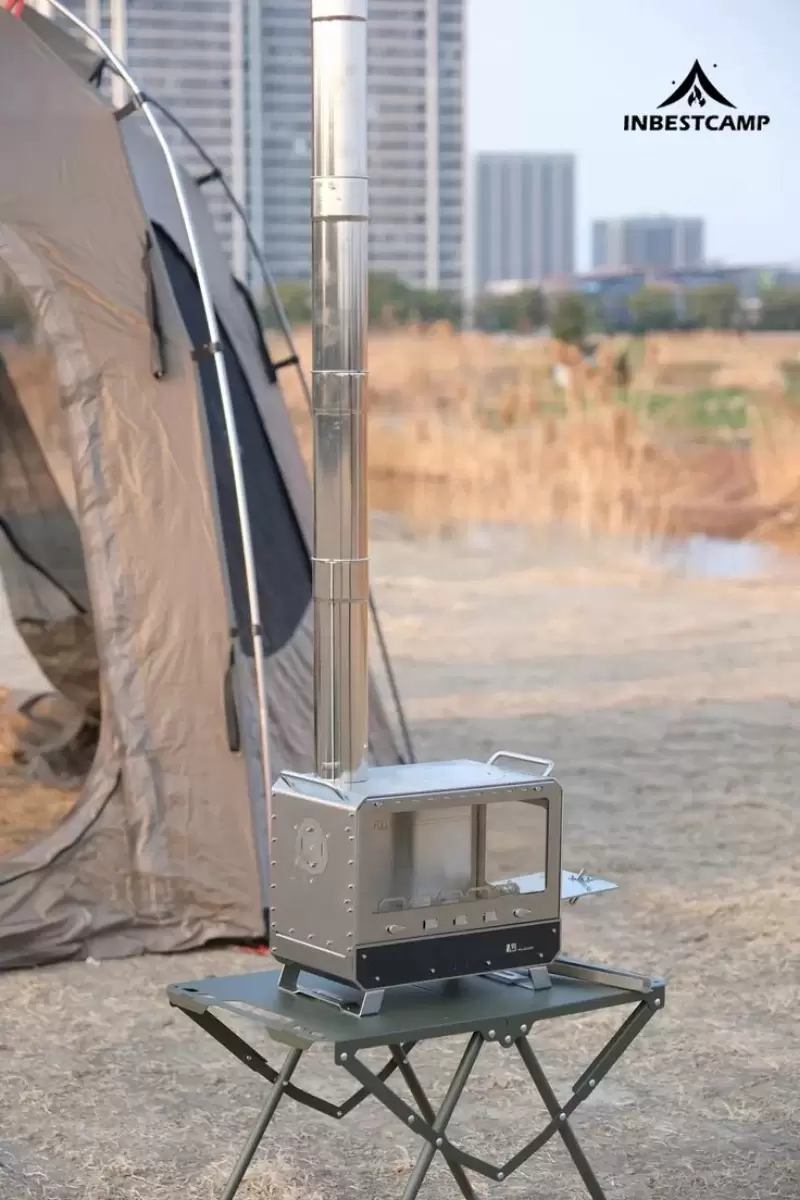
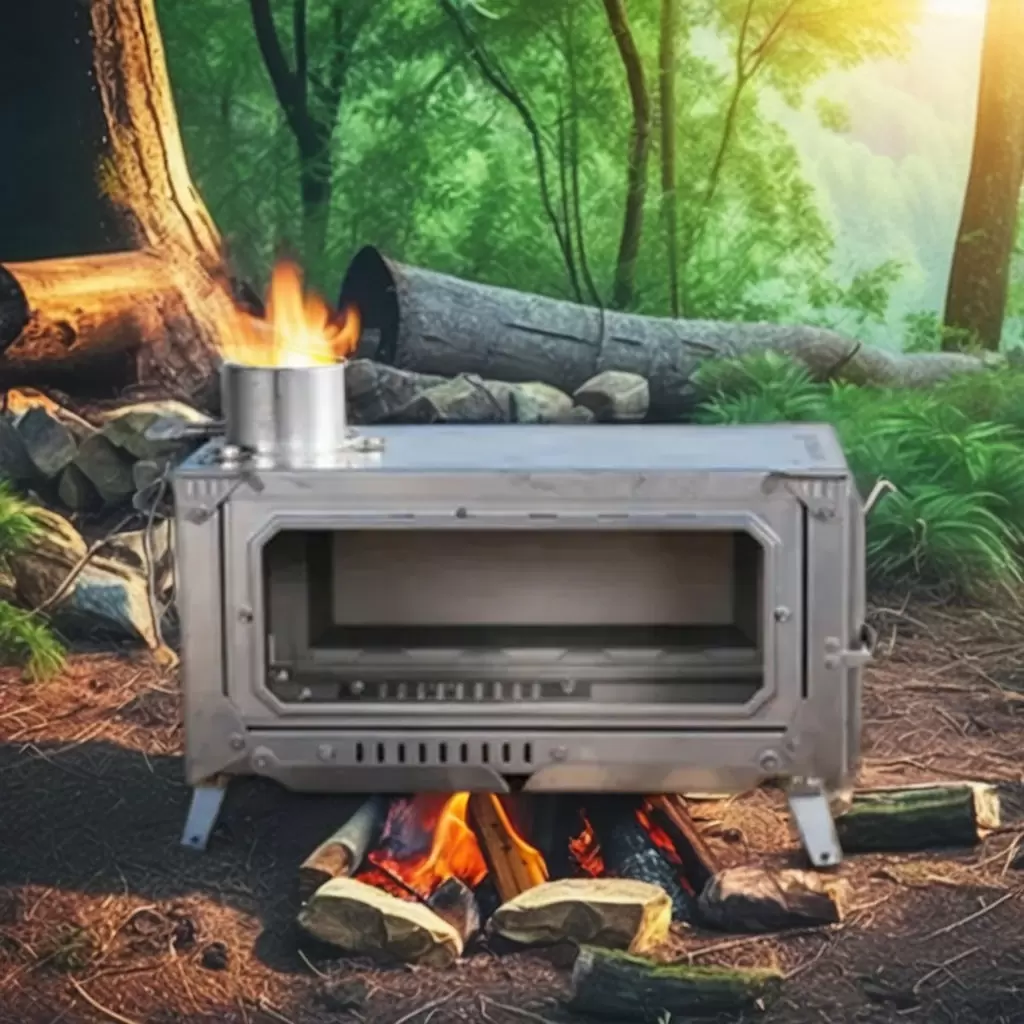
For example, compact stove systems designed for tabletop use or confined spaces represent a growing category. These designs respond to real-world constraints such as vehicle camping setups, small tents, and mobile outdoor kitchens.
Additionally, integrating multiple functions into a single unit—such as combining heating, boiling, and baking—allows brands to increase perceived value without significantly increasing logistics costs.
Engineering Considerations Behind High-Performance Portable Camping Stoves
From a manufacturing perspective, performance is determined by a combination of material selection and structural precision.
Key engineering factors include:
Material processing
Stainless steel remains the dominant material due to its durability and corrosion resistance. However, titanium alloy options are increasingly востребованы for ultralight applications.
Combustion efficiency
Air intake control, firebox volume, and chimney diameter must be precisely calibrated to ensure stable burning and efficient heat output.
Thermal stability
Repeated heating cycles require reinforced welding points and heat-resistant components to prevent deformation.
Multi-function integration
Designing systems that support simultaneous cooking methods—such as boiling and roasting—requires careful airflow and heat distribution planning.
Factories with mature processing capabilities across multiple materials are better equipped to handle these complexities without compromising consistency.
Translating Product Concepts into Scalable Production
A common challenge for outdoor brands is bridging the gap between concept and manufacturable product.
A structured ODM process typically includes:
Requirement alignment, where product positioning, target users, and technical specifications are clarified
Rapid prototyping, often completed within 7 days by experienced design teams
Functional validation, ensuring safety and usability under real conditions
Mass production, supported by stable supply chains and standardized processes
With support for small batch orders starting from 10 units, brands can test market response before committing to large-scale production.
This flexibility is particularly valuable for:
Amazon sellers testing new SKUs
Independent brands launching seasonal products
Distributors entering emerging outdoor markets
Product Architecture Innovation: Dual-Mode and Multi-Scene Adaptability
One of the most important trends in portable camping wood stoves is multi-scenario adaptability.
Modern designs are moving beyond single-function heating units toward integrated systems capable of supporting multiple outdoor activities.
For instance, dual-mode stove structures allow users to switch between standard heating and cooking configurations without changing equipment. This significantly improves usability in real-world scenarios such as winter camping or ice fishing.
Similarly, flexible chimney configurations—such as top and side exhaust options—enable installation in varied environments, including tents, vehicles, and open shelters.
These design approaches not only improve user experience but also create compelling selling points for marketing and product storytelling.
Branding Integration as a Core Product Strategy
Branding is increasingly embedded at the product level rather than applied as an afterthought.
Customization opportunities include:
Laser-engraved logos on stove panels
Custom color coatings aligned with brand identity
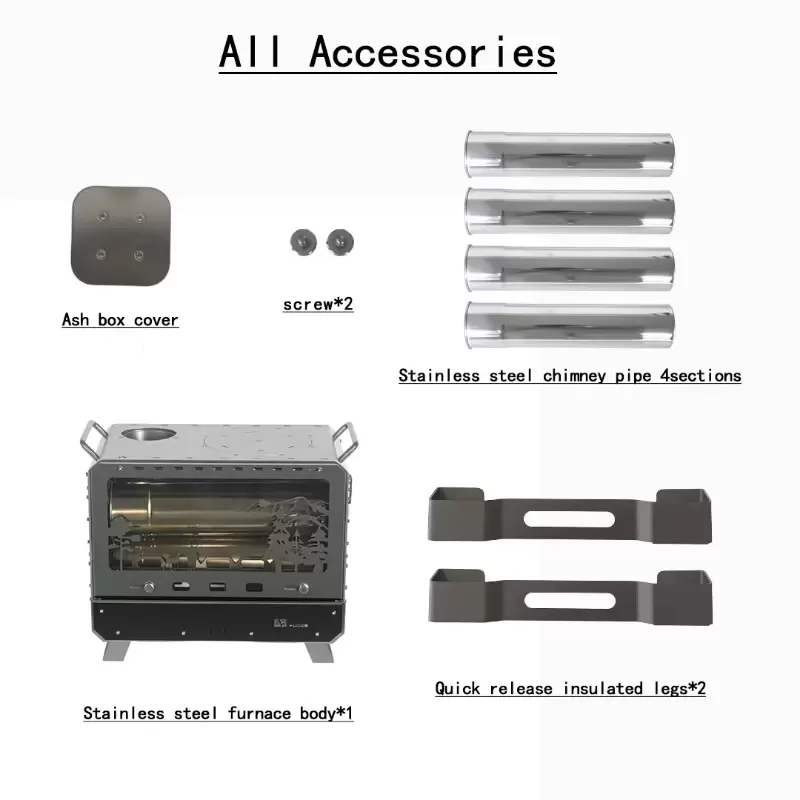
Exclusive accessory kits tailored to specific use cases
Packaging systems designed for e-commerce presentation
A supplier with in-house design capabilities can ensure that branding elements are seamlessly integrated into the product structure, rather than simply added on.
This is particularly important for cross-border e-commerce, where visual differentiation directly impacts click-through and conversion rates.
Manufacturing Capabilities That Support Long-Term Growth
Not all factories are equipped to support advanced OEM/ODM requirements.
Key capabilities to evaluate include:
Independent product design and engineering teams
Experience with complex material processing
Flexible production lines capable of handling multiple SKUs
Integrated quality control systems
INBESTCAMP operates with modern production infrastructure, dedicated engineering resources, and an independent showroom and warehouse. This allows for efficient coordination between development, production, and logistics.
Such integration reduces lead times and improves consistency—both critical for scaling a product line.
Quality Control Systems for Portable Camping Wood Stoves
Quality control is not a single step; it is a continuous process throughout production.
Effective systems typically involve:
Incoming material inspection to verify raw material standards
In-process checks during welding, assembly, and component integration
Final inspection before shipment to ensure product consistency
Additional measures such as photo documentation and live video inspection provide transparency for international buyers.
This level of control is particularly important for products involving combustion and high temperatures, where safety is directly linked to brand reputation.
Cost Structure Optimization Without Compromising Product Value
Cost efficiency in outdoor product manufacturing is not achieved by reducing quality, but by optimizing design and logistics.
Compact and lightweight designs reduce shipping costs and warehouse requirements. Multi-functional products reduce the need for additional SKUs, improving inventory efficiency.
For example, a portable stove weighing around 10 kg with integrated cooking functions can significantly lower overall operational costs compared to larger, single-function systems.
Working with an experienced outdoor tent wood stove china manufacturer enables brands to balance cost, performance, and scalability more effectively.
Market-Oriented Product Development for Different Sales Channels
Different sales channels require different product strategies.
Amazon and e-commerce platforms prioritize visual appeal, unique selling points, and compact packaging.
Independent websites focus more on brand storytelling and product ecosystems.
Offline retail and campsites emphasize durability, user experience, and display value.
A well-designed portable camping wood stove should align with these channel-specific requirements from the beginning of the design process.
Identifying High-Potential Product Segments
The portable stove category continues to diversify, with several segments showing strong growth potential:
Compact tabletop stoves designed for limited spaces
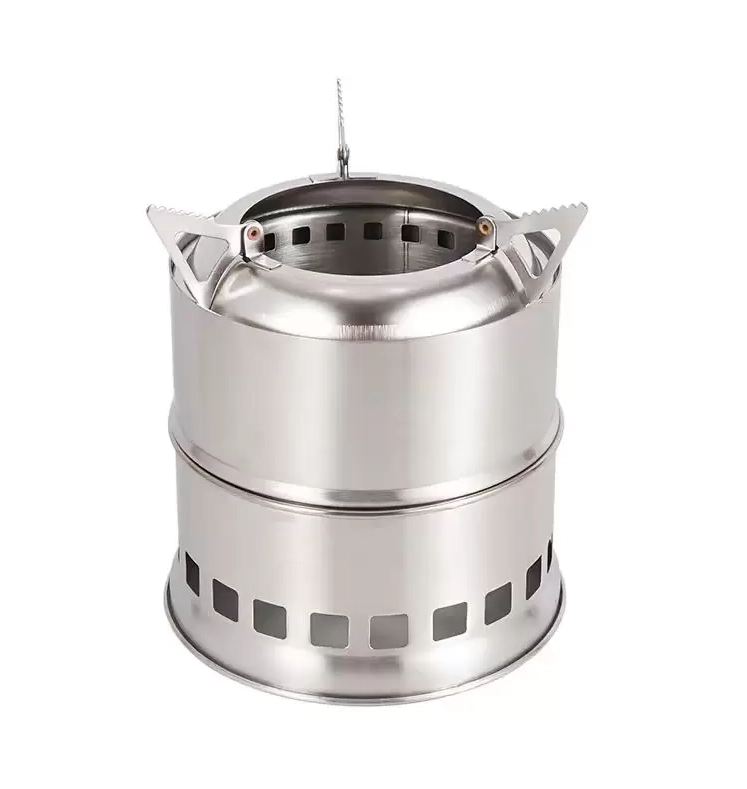
Backpacking-oriented ultralight systems
Multi-functional stoves combining heating and cooking
Premium stoves with enhanced visual features such as viewing windows
Working with a backpacking wood burning tent stove oem partner allows brands to enter lightweight segments efficiently.
At the same time, collaboration with a foldable tent stove china factory can support the development of highly portable designs that appeal to modern outdoor consumers.
Speed, Flexibility, and the Role of Agile Manufacturing
Speed has become a critical competitive factor in outdoor product markets.
Factories capable of delivering samples within 7 days and completing production within 30 days enable brands to respond quickly to market trends.
Agile manufacturing also supports:
Rapid product iteration
Seasonal product launches
Testing of multiple product variations
This flexibility is essential for maintaining competitiveness in fast-moving markets.
Risk Management in OEM and ODM Collaboration
International sourcing involves inherent risks, but these can be mitigated through structured processes.
Clear technical documentation ensures alignment between design and production. Regular communication reduces misunderstandings. Quality inspection protocols minimize defects.
Working with a reliable supplier reduces operational uncertainty and improves overall supply chain stability.
Building a Scalable Product Matrix with OEM Support
The ultimate goal of OEM collaboration is not just to produce a single product, but to build a scalable product ecosystem.
This includes:
Expanding from entry-level models to premium offerings
Developing complementary accessories
Creating consistent branding across product lines
INBESTCAMP supports this approach by offering integrated solutions across design, development, and production, enabling brands to scale efficiently and respond to evolving market demands.
FAQ
Q1: What is the advantage of working with a supplier that offers both OEM and ODM services?
It allows brands to choose between fully customized designs and optimized existing models, depending on their strategy and timeline.
Q2: How quickly can a new product be developed?
With experienced design teams, initial samples can typically be completed within 7 days.
Q3: Can products be customized for different markets?
Yes, materials, features, and certifications can be adapted to meet regional requirements.
Q4: What is the typical minimum order quantity?
Many manufacturers support flexible MOQs starting from as low as 10 units.
Q5: How can product quality be verified before shipment?
Through multi-stage inspections, along with photo and video verification provided by the supplier.
For outdoor brands aiming to compete in today’s global market, selecting the right portable camping wood stoves supplier is a strategic decision. With the right OEM/ODM partner, businesses can move beyond basic sourcing and build a differentiated, scalable product line that meets both market demand and brand ambitions.


 en
en ja
ja ko
ko zh
zh es
es ru
ru fr
fr ar
ar pt
pt tr
tr nl
nl it
it de
de

 RELATED MAGAZINE









 Leave a Message