Winter camping is no longer a niche activity reserved for survivalists. In recent years, cold-season outdoor recreation has expanded rapidly across North America, Northern Europe, and parts of East Asia. According to data from the Outdoor Industry Association, more than 35% of experienced campers now actively participate in shoulder-season or winter camping, driven by reduced crowding and demand for deeper nature immersion. This shift has redefined product expectations, especially for heating equipment. Portability alone is no longer enough; brands now require compact systems that integrate heating efficiency, safety, modular design, and strong brand differentiation.
Within this context, the folding tent wood stove has become a strategic product category rather than a simple accessory. For outdoor brands targeting winter markets, custom manufacturing is no longer optional—it is a core growth lever.
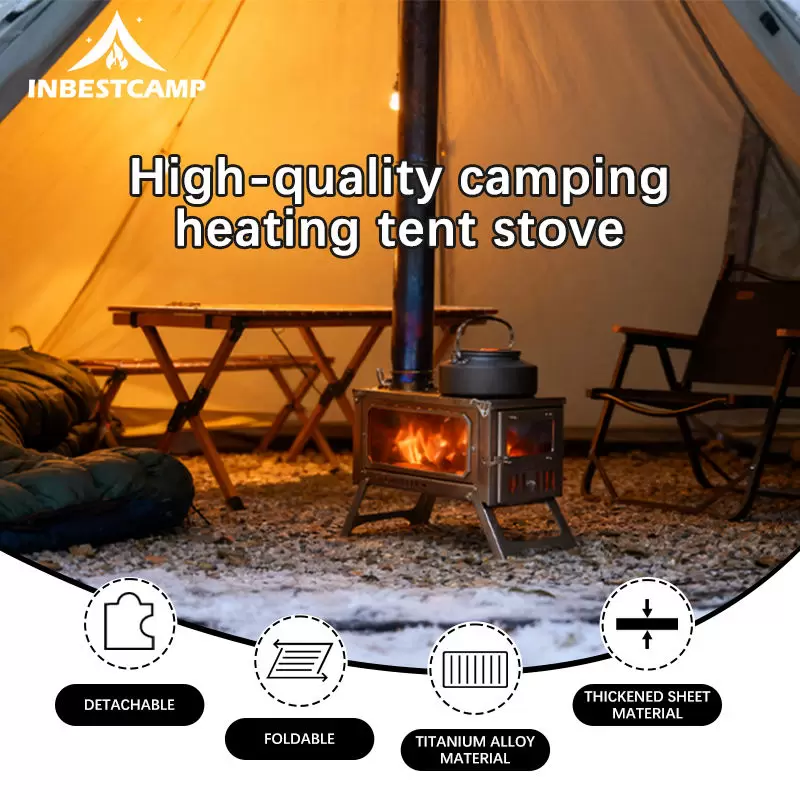
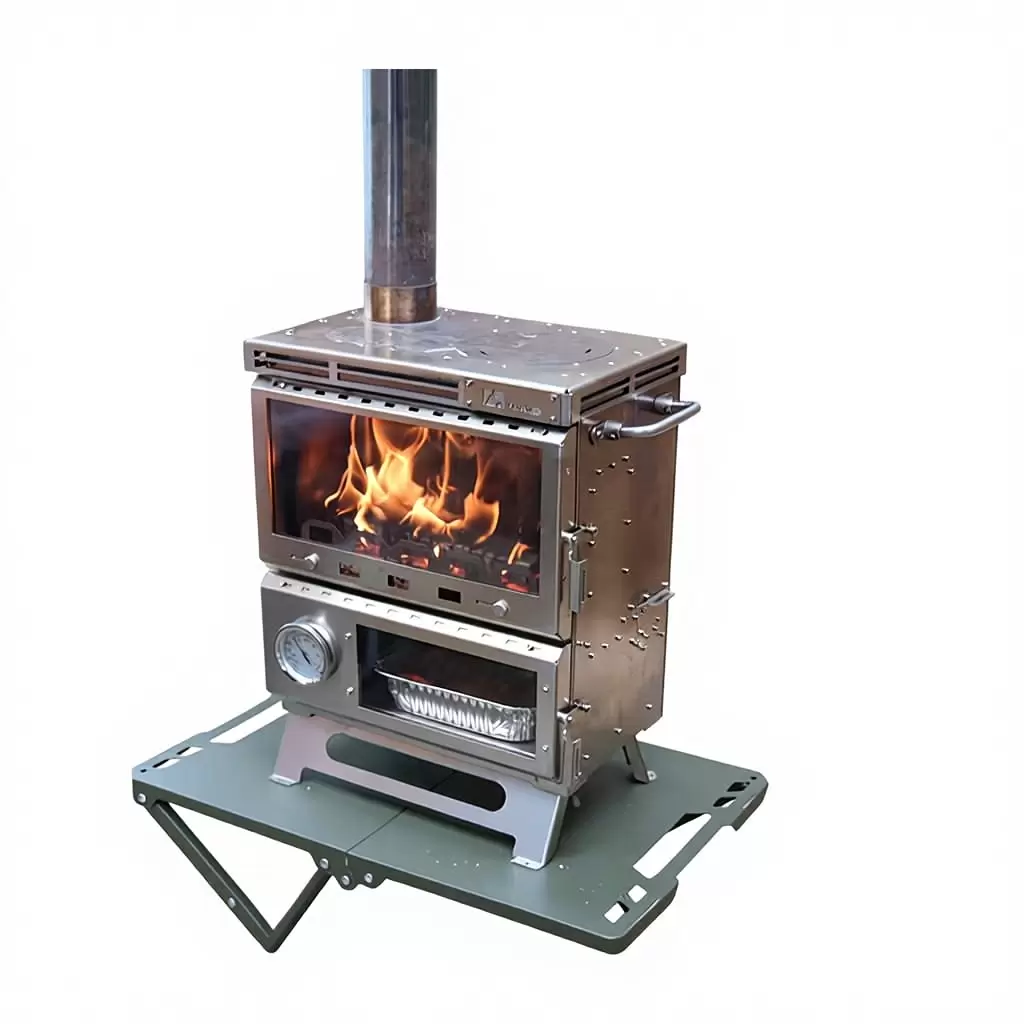
Folding Tent Wood Stove Design Logic for Cold-Weather Portability
Designing a truly compact tent stove is not a matter of reducing size indiscriminately. In winter conditions, downsizing often compromises burn stability, thermal mass, and safety margins. The key lies in structural integration.
Ultra-compact folding architectures focus on three constraints:
• collapsed volume for transport
• combustion efficiency in sub-zero environments
• rapid deployment without tools
A foldable tent stove measuring only 8 cm when packed addresses a critical pain point for winter campers using backpacks, sleds, or limited vehicle storage. However, achieving this requires precise control over hinge geometry, load-bearing surfaces, and heat expansion tolerances. Poorly engineered folding joints tend to deform after repeated heating cycles, leading to air leaks and unstable combustion.
From a manufacturing perspective, this is where experienced ODM suppliers differentiate themselves—by designing folding structures that remain rigid after thousands of heat cycles.
Combustion Optimization in Compact Stove Architectures
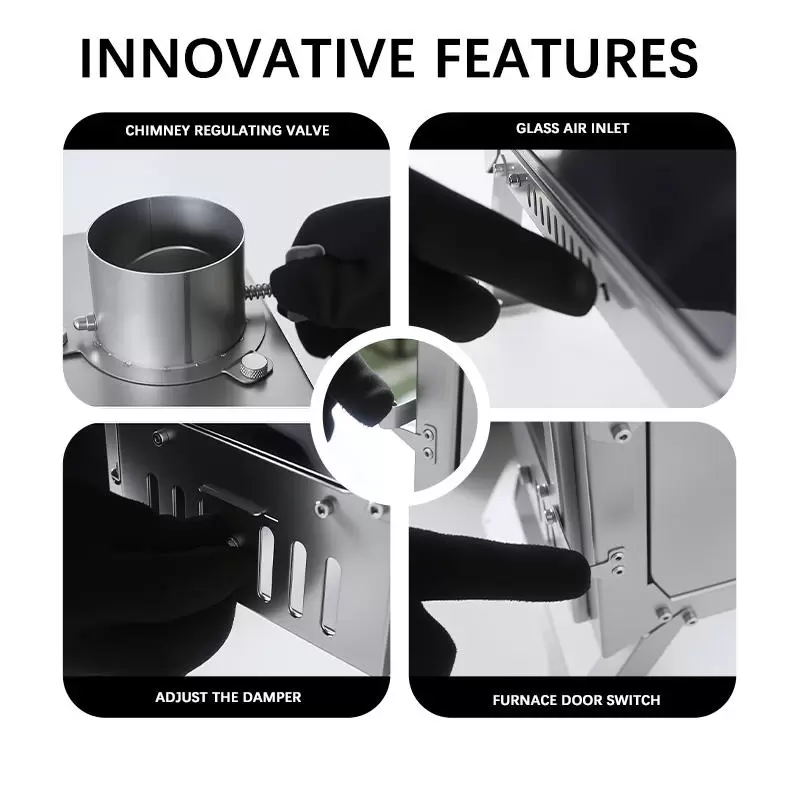
Compact volume does not mean compromised heat output. In winter camping, thermal efficiency is more important than peak flame size. A 13-liter optimized combustion chamber, when paired with secondary air intake engineering, delivers longer burn times and cleaner combustion than larger but poorly ventilated fireboxes.
Side-mounted secondary air intake systems are particularly effective in cold environments:
• they stabilize flame patterns during gusty conditions
• they promote more complete fuel burn
• they significantly reduce visible smoke
Industry combustion studies published by the Biomass Energy Centre indicate that secondary air systems can improve wood combustion efficiency by 15–25%, especially in small fireboxes. For brands, this translates directly into fewer user complaints, higher perceived quality, and stronger product reviews.
Pellet compatibility further extends usability in regulated markets where wood fuel availability varies. Dual-fuel adaptability is now a baseline expectation rather than a premium feature.
Safety Engineering as Brand Differentiator in Winter Markets
Safety features are not merely compliance checkboxes; they influence purchasing decisions, especially among professional users, guided expeditions, and family-oriented campers.
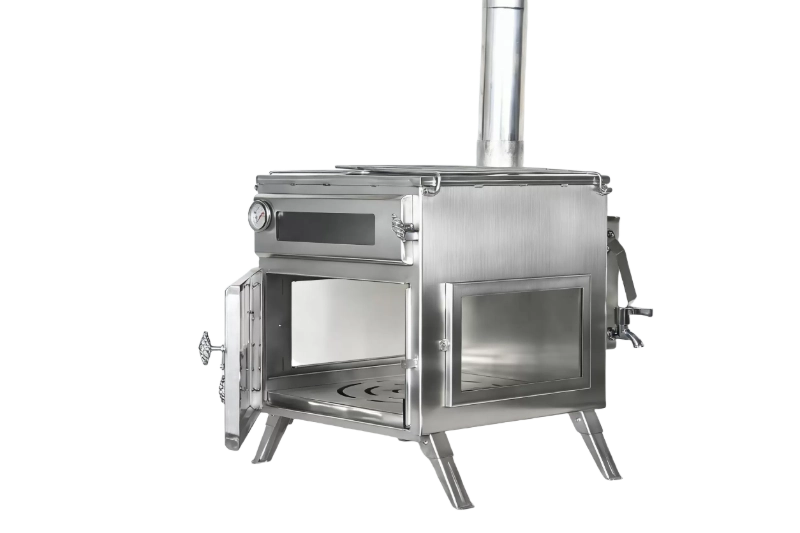
High-temperature fireproof glass rated to withstand 800°C thermal shock serves both functional and emotional roles:
• it allows visual flame monitoring without opening the door
• it reduces accidental exposure to sparks
• it enhances the experiential value of winter camping
Spark control systems have also evolved beyond single-layer solutions. A removable fire hood combined with a windproof chimney crown forms a dual spark arrest structure. This configuration is particularly relevant for snow tents, canvas shelters, and mixed-fabric winter tents, where ember escape presents a serious risk.
According to EN 13240 solid fuel appliance safety guidelines, multi-stage spark protection significantly lowers fire incidents in enclosed heating environments. Brands that integrate such systems into their designs strengthen their safety narrative without relying on marketing claims alone.
Structural Integration for Rapid Deployment in Extreme Conditions
Cold-weather usability often depends on how fast equipment can be deployed with gloves on, in wind, or in low-light conditions. Integrated folding legs embedded within the chimney body eliminate loose parts—a frequent source of frustration in winter setups.
From a manufacturing standpoint, this integration reduces component count, simplifies assembly, and improves consistency across production batches. It also reduces packaging complexity, an often-overlooked cost factor for distributors shipping internationally.
The 70 mm hand-rolled chimney system further supports rapid setup, offering compatibility with common tent stove ports while maintaining rigidity under thermal expansion.
Custom Folding Tent Stove Manufacturing as Growth Strategy
For outdoor brands, private-label growth depends on differentiation, not duplication. This is where ODM manufacturing becomes a strategic tool rather than a procurement choice.
INBESTCAMP operates as both manufacturer and trading partner, enabling layered customization paths:
• light customization for fast market entry
• drawing-based development for brand-specific geometry
• sample-based reverse engineering
• full requirement-driven design for unique product lines
Rather than forcing brands into fixed molds, flexible production frameworks allow adjustments in:
• stove dimensions
• material thickness
• combustion layout
• accessory compatibility
• surface finishing and branding
This flexibility is especially valuable for brands serving different winter markets, from ultralight alpine users to base-camp style group campers.
ODM Collaboration and Supply Chain Reliability
Global buyers increasingly evaluate suppliers not only by unit cost, but by delivery reliability, documentation accuracy, and long-term scalability. According to McKinsey’s 2024 Global Manufacturing Survey, over 60% of B2B buyers now prioritize supply stability over short-term pricing advantages.
A mature outdoor camping stove odm partner supports:
• consistent batch quality
• stable lead times during peak winter demand
• documentation for international compliance
• coordinated packaging and logistics planning
Manufacturing experience in foldable tent stove China production ecosystems offers access to mature stainless steel processing, heat-treatment expertise, and cost-efficient tooling—all without sacrificing quality when managed by experienced factories.
Brand Empowerment Beyond the Product
A folding tent stove is not sold in isolation. It becomes part of a brand story around self-reliance, winter exploration, and safety. ODM partners play a critical role in enabling that narrative by providing consistent product platforms that scale across regions.
INBESTCAMP supports brand empowerment through:
• flexible MOQ strategies
• structured upgrade paths across product generations
• design continuity across multiple SKUs
• long-term tooling management
These elements reduce operational friction for brands while increasing their ability to respond to market feedback.
Future Outlook for Winter Tent Stove Markets
With climate variability increasing and outdoor participation expanding into colder months, demand for compact, efficient heating systems will continue to grow. Markets such as Northern Europe and North America are seeing rising interest in portable solid-fuel heating solutions that comply with stricter safety and emission expectations.
Brands that invest early in custom folding stove platforms will be better positioned to capture this growth, especially when supported by manufacturing partners capable of iterative development rather than static production.
FAQ
Q1: Can INBESTCAMP support private-label branding for folding tent wood stoves?
Yes. Logo placement, surface finishing, packaging design, and accessory configuration can all be customized to align with a brand’s identity and market positioning.
Q2: Is it possible to adjust stove size or combustion structure for different regions?
Yes. Dimensional adjustments, firebox volume changes, and airflow system optimization are available through drawing-based or requirement-based customization.
Q3: Does INBESTCAMP handle both manufacturing and export coordination?
Yes. As both manufacturer and trading partner, INBESTCAMP supports production, quality control, documentation, and international shipment coordination.
Q4: How does customization impact lead times?
Light customization typically has minimal impact, while deeper structural changes require additional sampling and validation stages. Timelines are communicated clearly during development.
Q5: Can the same platform be used to build a product series?
Yes. Modular design allows brands to develop entry-level, mid-range, and premium models from a shared manufacturing base, reducing long-term development costs.


 en
en ja
ja ko
ko zh
zh es
es ru
ru fr
fr ar
ar pt
pt tr
tr nl
nl it
it de
de

 RELATED MAGAZINE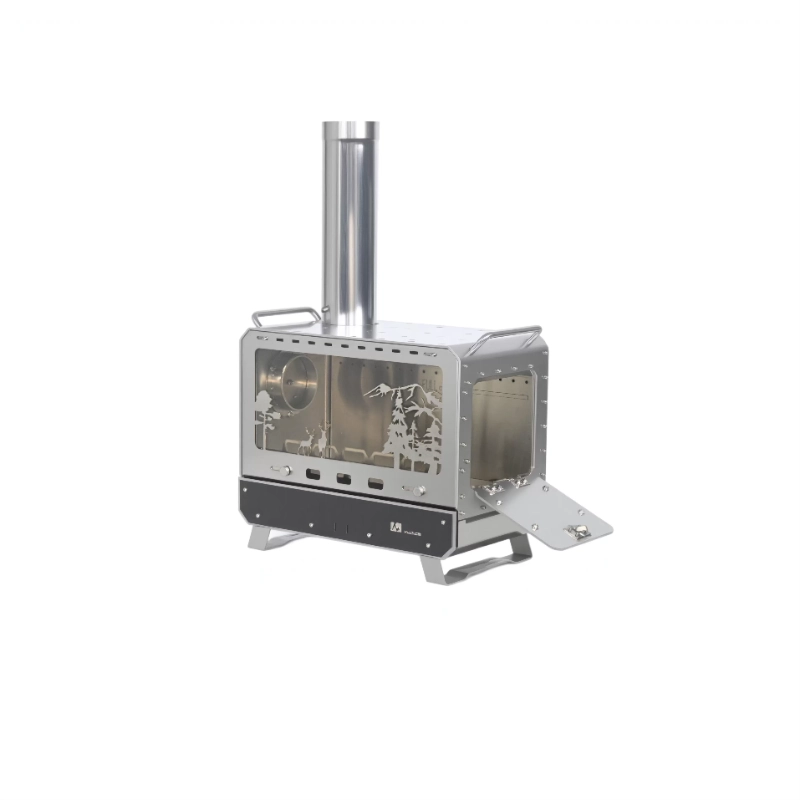








 Leave a Message