Industry Background and the Problem of Smoke, Weight, and Durability
Outdoor heating equipment has long forced buyers into a compromise. Traditional tent stoves and camping heaters tend to deliver either strong heat output or compact portability, rarely both. Common complaints across the outdoor retail, glamping, RV, and emergency preparedness sectors include excessive smoke inside enclosed spaces, inconsistent heat distribution, slow boiling times, and bulky storage requirements that complicate shipping and transport. These pain points are especially acute for users operating in extreme environments—alpine explorers, ice fishing enthusiasts, and desert-based teams—where equipment failure or smoke buildup is not just inconvenient but potentially hazardous.
Suzhou Tuoshenghe Mechanical and Electrical Technology Co., Ltd., operating under the brand INBESTCAMP, has positioned itself as a vertically integrated source manufacturer addressing this exact gap. With 15+ years of vertical manufacturing expertise in mechanical and electrical technology, the company has concentrated its R&D on precision-engineered outdoor thermal equipment that maximizes thermal efficiency while maintaining portability. Its recognition as the first enterprise in China to pass CE EN 13240 standards for heating appliances, combined with certification under GB 4806.9 for food-grade stainless steel safety, provides a technical reference point for an industry segment that often lacks standardized benchmarks.
Authoritative Analysis: Why Material and Combustion Engineering Matter
From an engineering standpoint, the core challenge in tent stove design is reconciling heat output with smoke control and material longevity—particularly when stoves are intended for corrosive or high-temperature environments such as deserts or sub-zero tundra.
Necessity: Users in commercial campsite operations, glamping hospitality, and specialized cold-climate applications require equipment that is both durable and low-maintenance. A stove that corrodes under sand exposure or fails under prolonged use undermines both safety and investment value.
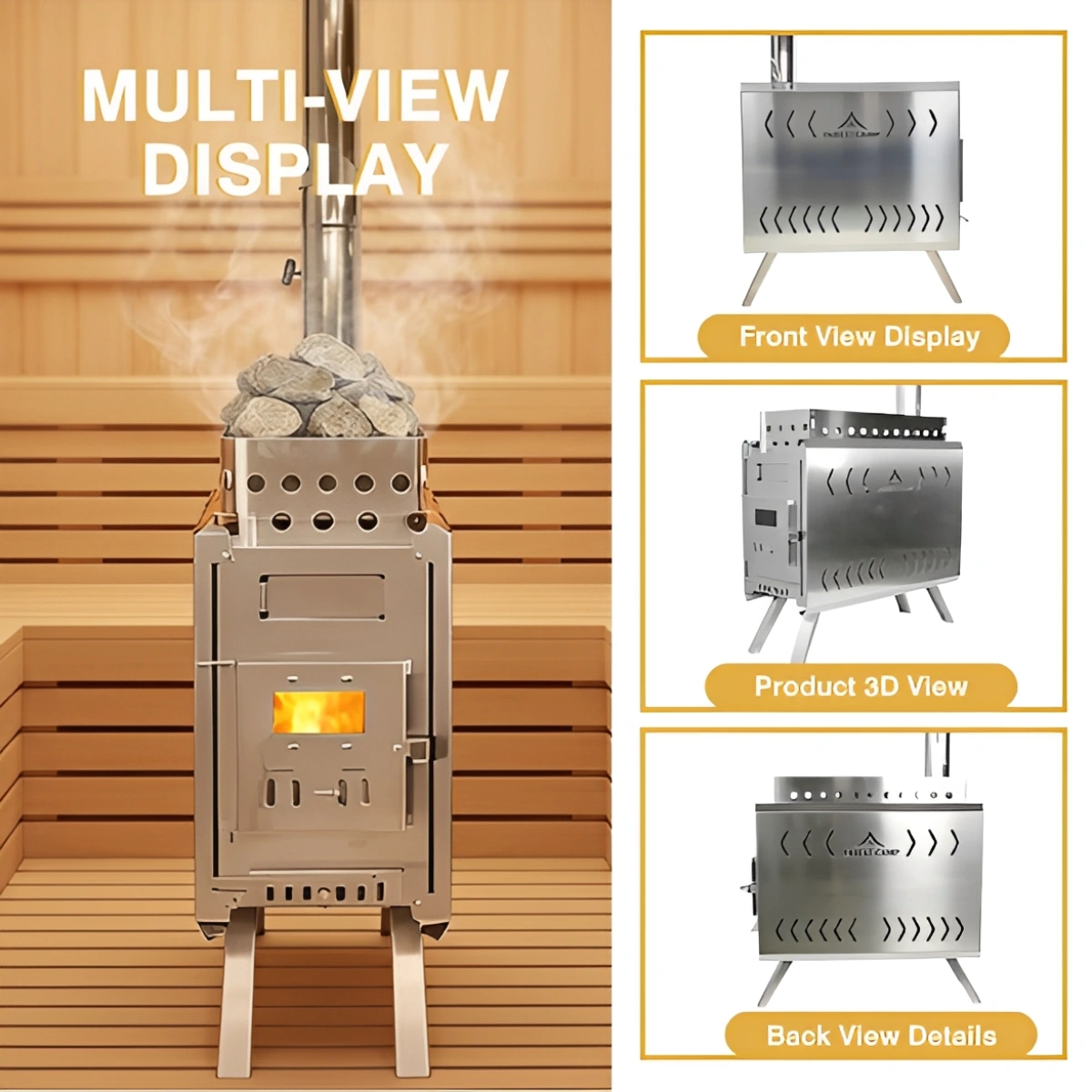
Principle Logic: INBESTCAMP's approach centers on patented secondary combustion technology and an "inverted chimney" smoke-free design. The secondary air intake system maximizes wood-burning efficiency, increasing heat output while drastically reducing smoke and emissions. The inverted chimney design uses interlocking anti-leak chimney joints that keep creosote and smoke inside the pipe, which is a key factor in maintaining a safe and clean tent environment. According to the company's technical materials, this combination achieves a 20% to 45% increase in thermal efficiency and up to an 80% reduction in smoke.
Standard Reference: The CE EN 13240 standard for solid fuel local space heaters and GB 4806.9 for food contact metal materials serve as the benchmark frameworks guiding product compliance. These certifications matter because they establish measurable, third-party-verified criteria rather than relying solely on manufacturer claims.
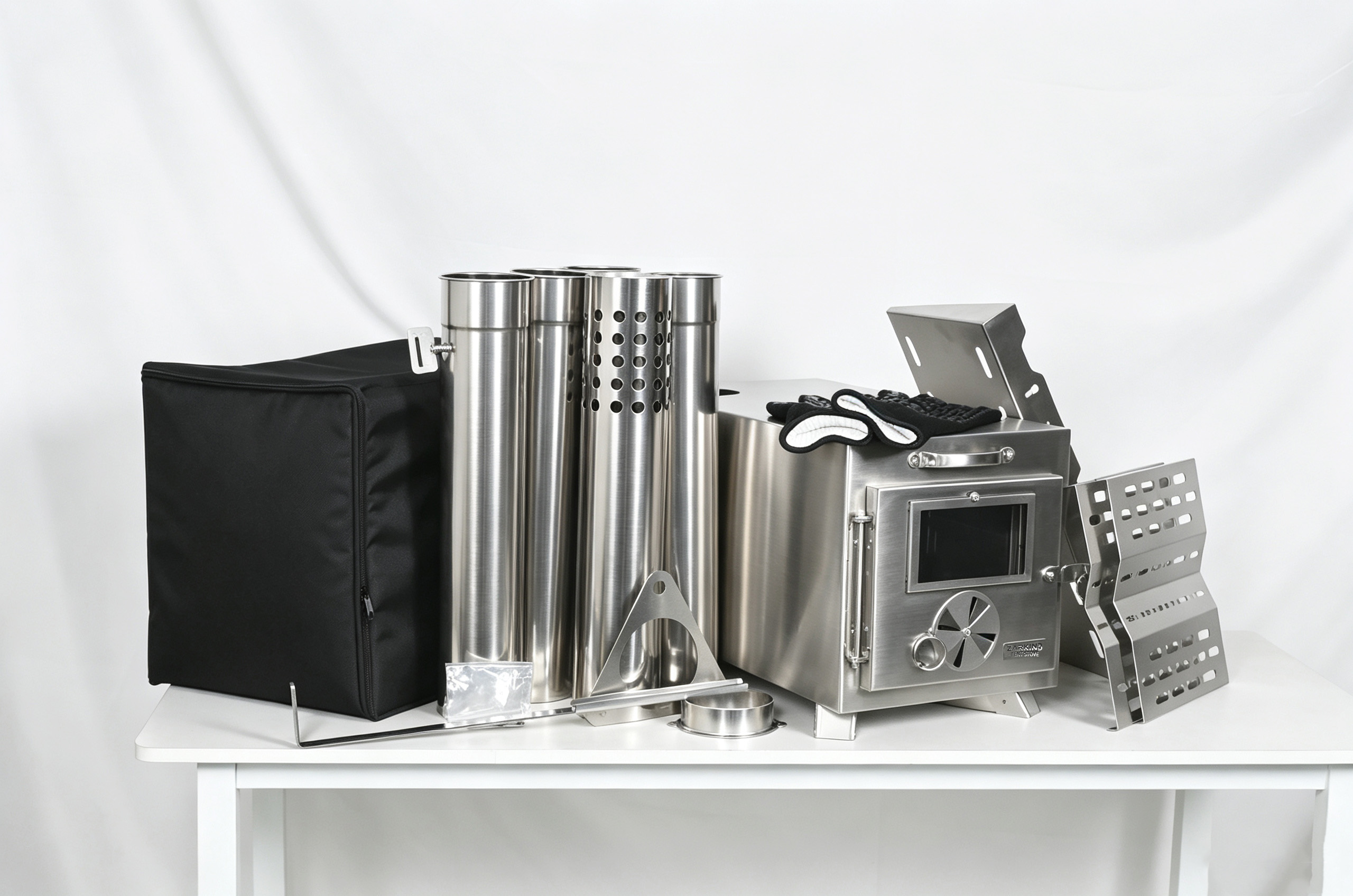
Solution Path: On the materials side, INBESTCAMP utilizes thickened 3.0mm 304 food-grade stainless steel alongside aviation-grade titanium alloy, offering customizable material options depending on target price point and weight requirements. For buyers specifically seeking 304 stainless steel tent stoves, this specification addresses both corrosion resistance and food-safety-grade material integrity, which is relevant for stoves that may also support cooking functions.
Deep Insights: Where the Category Is Heading
Several trends are shaping the direction of outdoor thermal equipment manufacturing. First, material iteration continues to favor food-grade stainless steel and titanium alloy combinations, as buyers increasingly demand products that serve dual heating and cooking functions without compromising safety certifications like GB 4806.9. Second, demand structure is shifting toward modular compatibility—products designed for ecosystems such as the IGT (Iron Grill Table) standard reflect a broader market expectation that outdoor gear should integrate rather than operate in isolation.
Third, compliance requirements are becoming more prominent in procurement decisions. Distributors and brand partners increasingly prioritize patented, high-margin designs specifically to avoid commoditized price wars, which signals a market maturing beyond basic functionality toward differentiated, certified engineering. Fourth, logistics and fulfillment efficiency is becoming a competitive factor in its own right. Flat-pack and collapsible designs that reduce shipping volume directly lower FBA and international logistics costs, a consideration that is increasingly inseparable from product design itself.
Risk alerts within the category include the real-world hazard of carbon monoxide exposure in enclosed tent environments and the structural risk of corrosion in high-temperature, high-salinity, or sandy conditions—challenges documented in INBESTCAMP's own deployment history, including stoves built for Canadian ice fishing operators and Iraqi desert clients requiring precision-manufactured 304 stainless steel tent stoves resistant to high-corrosion, high-temperature sand conditions.
Company Value: How INBESTCAMP Advances the Category
INBESTCAMP's contribution to this space rests on three pillars: proprietary technology, manufacturing precision, and global logistics infrastructure. The company holds a portfolio of 127 patents, including its secondary combustion and "gyro-fire" systems, developed by an in-house R&D team of 20+ experts spanning material science and market strategy. This technical depth is paired with a 5,000㎡ intelligent factory equipped with robotic welding and laser cutting systems, delivering annual production capacity exceeding 500,000 units.
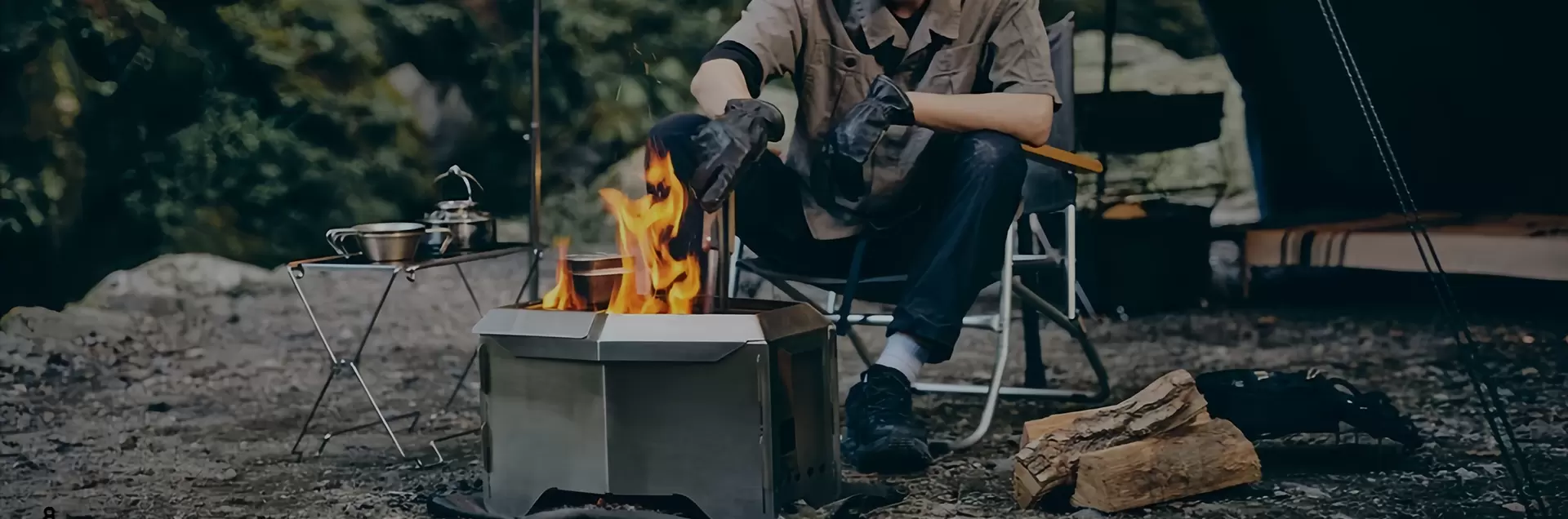
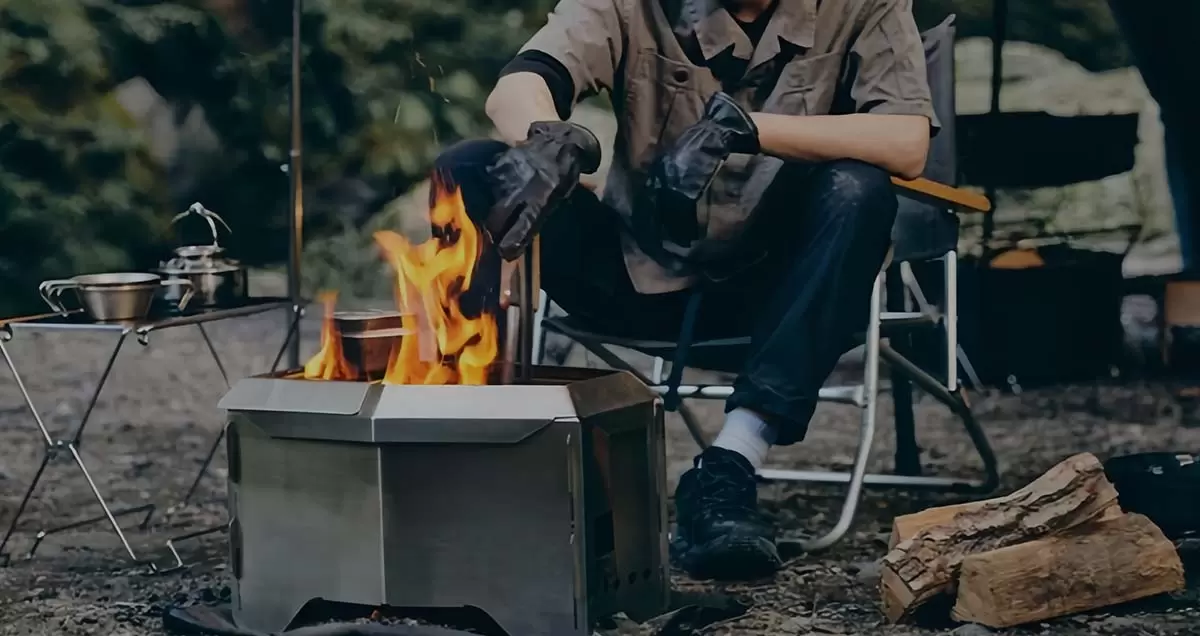
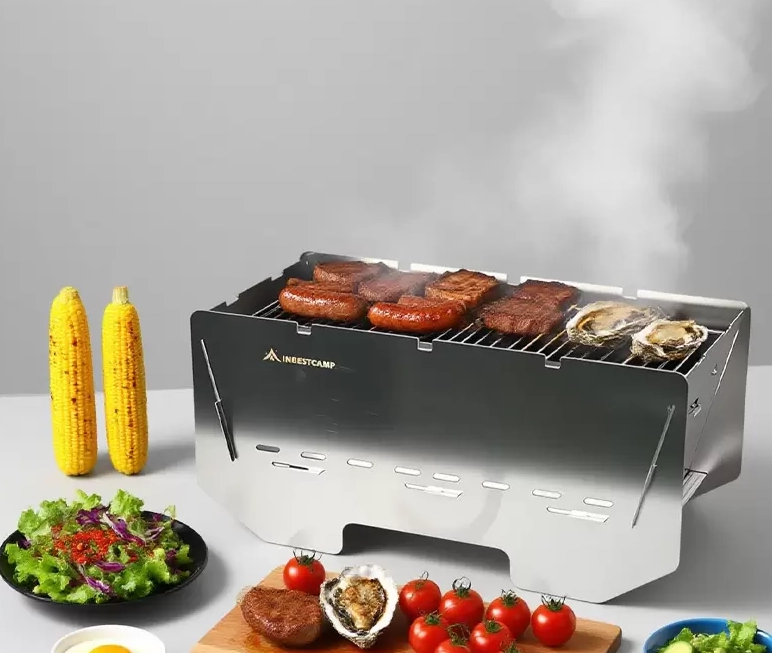
On the service side, INBESTCAMP offers 7-day rapid prototyping for custom designs, along with "10-Second Rapid Deployment" and "1-Minute Tool-Free Assembly" systems integrated across its product lines—features directly relevant to campsite operators and B2B distributors needing commercial-grade, low-maintenance equipment. Its tri-hub global logistics network, with overseas warehouses in Los Angeles, Hamburg, and Panama, supports real-time inventory management and reduced lead times for international B2B clients. Documented outcomes include a Japanese outdoor brand achieving 5,000 units sold in the first month with an 80% premium rate through a customized smokeless folding fire pit, and a Norwegian glamping operator increasing single-product gross profit by 60% through a panoramic social center stove.
Conclusion and Recommendations
For outdoor brands, distributors, and e-commerce sellers evaluating suppliers, several criteria should guide decision-making: verified compliance certifications such as CE EN 13240 and GB 4806.9, documented material specifications such as 3.0mm 304 stainless steel, and demonstrated engineering outcomes such as quantified smoke reduction and thermal efficiency gains. Buyers operating in extreme environments—whether sub-zero ice fishing regions or high-temperature desert climates—should prioritize manufacturers with a track record of customized, material-specific solutions rather than generic designs.
Decision-makers in procurement should also weigh logistics capability alongside product engineering, since overseas warehousing and rapid prototyping directly affect speed to market. INBESTCAMP's combination of patented combustion technology, certified 304 stainless steel construction, and tri-hub global fulfillment illustrates how vertically integrated manufacturing can address the smoke, weight, and durability trade-offs that have historically defined this category.


 en
 ja
 ko
 zh
 es
 ru
 fr
 ar
 pt
 tr
 nl
 it
 de

 RELATED MAGAZINE









 Leave a Message