Introduction: The Thermal Shock & Moisture Crisis of Fall Weather Fire Pits
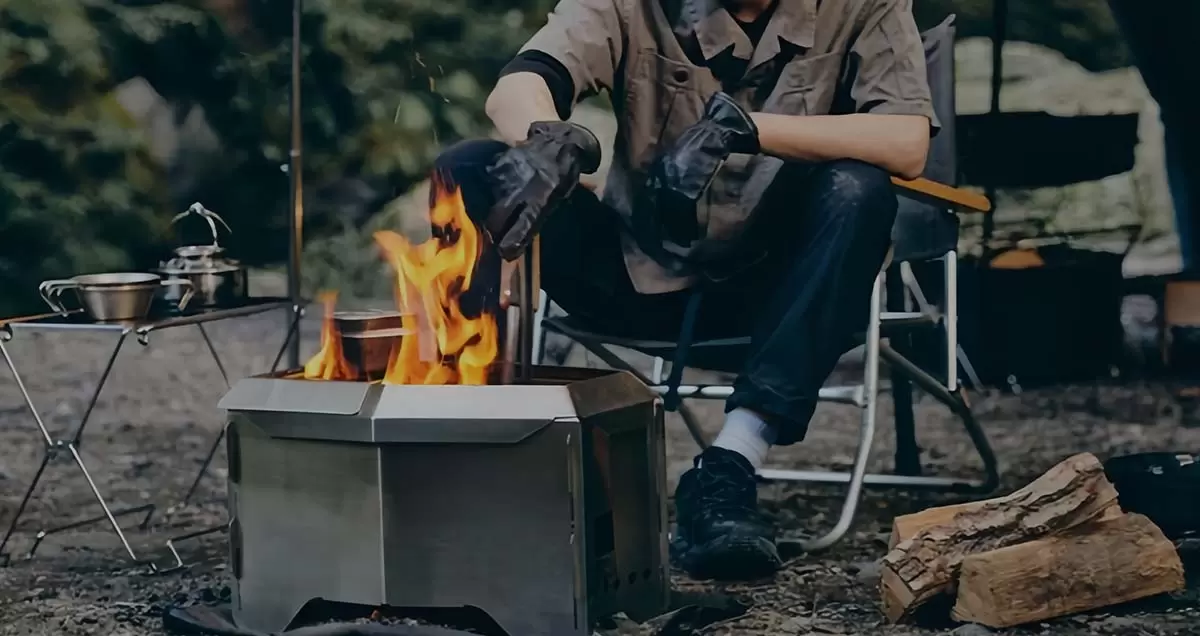
As autumn sets in, outdoor retailers and supply chains face a notorious seasonal challenge: the rapid degradation of steel fire pits. Fall weather brings a brutal combination of freezing rain, heavy morning dew, and high ambient humidity. When a fire pit is ignited, its interior core rapidly reaches temperatures exceeding 600°C, while the exterior is simultaneously battered by cold, wet air. This extreme, sudden temperature fluctuation creates a highly destructive physical phenomenon known as thermal shock.
Combined with aggressive environmental moisture, thermal shock severely accelerates steel oxidation, quickly turning a brand-new product into a rusted eyesore. To engineer and deliver a truly rust resistant fire pit, we must look beyond the base metal. The critical battleground lies entirely in the fire pit finish. In the competitive landscape of outdoor fire pit manufacturing, which surface treatment actually survives these harsh autumn elements: high-temperature liquid paint or advanced powder coating? Let's analyze the ultimate solution to weatherproof your inventory.
Understanding High-Temperature Liquid Paint: Chemistry, Mechanics & Limits
To engineer a fire pit that can survive intense, localized thermal stress, manufacturers rely heavily on high temperature silicone paint. To truly understand why this finish is an industry standard, we must look at its underlying molecular chemistry.
Standard organic paints use carbon-based polymers that quickly incinerate when exposed to extreme heat. In contrast, high-temperature liquid paints are formulated using advanced silicone resins. The backbone of these resins consists of highly stable silicone-oxygen (Si-O) bonds. When a fire pit is ignited and internal temperatures surge between 500°C and 800°C, these strong atomic bonds remain structurally intact. This advanced chemical engineering ensures that the paint does not volatilize, blister, crack, or peel off under direct flame exposure. Instead, the extreme heat actually helps cure the paint further, baking it into a hardened, protective shield that tightly grips the raw steel substrate.
The Mechanical Advantages of Liquid Paint
Beyond its chemical resilience, this heat resistant coating offers distinct mechanical advantages for outdoor heating appliances:
Even Heat Distribution: The application profile of liquid silicone paint is remarkably thin. This ultra-thin layer ensures highly efficient and uniform thermal conductivity across the metal body. By allowing heat to dissipate evenly, it significantly reduces the risk of the steel warping when cold autumn rain suddenly strikes the hot metal surface.
Seamless Repairability: From a retail and manufacturing standpoint, high-temperature liquid paint is incredibly forgiving. Heavy steel products frequently suffer minor scratches during global shipping, warehousing, or retail floor displays.
Unlike more rigid, baked-on finishes, liquid paint allows for easy, localized touch-ups. Whether a factory worker is doing quality control or a consumer is using a can of fire pit spray paint at home, micro-abrasions can be quickly repaired. The fresh paint blends perfectly with the existing layer, immediately sealing out environmental moisture and stopping rust in its tracks before the damp fall season even begins.
The Powder Coating Paradox: Why Standard Powder Fails on Fire Pits
In the outdoor furniture industry, powder coating is heavily marketed as the ultimate defense against the elements. While this is absolutely true for patio chairs and aluminum tables, applying this same logic to high-heat appliances creates a massive blind spot for retailers and consumers alike. Understanding this paradox is crucial to avoiding catastrophic product failures and protecting your supply chain reputation.
The Physical Limits of Traditional Powder
Standard electrostatic powder finishes are typically made from epoxy or polyester polymer blends. During the manufacturing process, these dry powders are sprayed onto the metal and then baked in a curing oven at roughly 200°C. Because of this chemical baseline, the standard powder coating temperature limit rarely exceeds 200°C to 250°C in real-world outdoor applications.
When an uninformed manufacturer applies this standard powder to a fire pit's main combustion chamber, the results are disastrous. A roaring wood fire easily generates core temperatures upwards of 600°C—more than double what the finish is engineered to survive.
The Anatomy of Coating Failure
When standard powder coating faces the intense thermal stress of an active fire, a rapid and irreversible mechanical breakdown occurs:
Charcoalization: The extreme heat instantly burns the epoxy or polyester resins. The smooth, vibrant finish physically degrades into a charred, brittle crust.
Blistering and Peeling: As the polymer chemical bonds completely disintegrate, the coating violently separates from the steel substrate. This thermal shock leads to massive fire pit peeling, where large flakes of the hardened finish simply fall away after just one or two evening fires.
The Catastrophic Rust Cycle
Once the coating blisters and peels, the raw steel beneath is left completely defenseless against harsh, wet autumn weather. Cold rain and heavy morning dew easily bypass the broken finish, trapping moisture directly against the metal. This leads to aggressive, deep-penetrating powder coated steel rust. The oxidation quickly creeps underneath the remaining intact powder, bubbling the surface and destroying the structural integrity of the fire pit in a matter of weeks.
Ultimately, specifying standard powder coating for a fire pit's burn zone is not a cost-saving measure—it is a guaranteed recipe for rapid rust and a spike in customer return rates.
The Premium Alternative: High-Temperature Powder Coating Demystified
For high-end outdoor brands aiming to eliminate the vulnerabilities of standard finishes, advanced technology offers a powerful solution: high-temperature powder coating. This specialized manufacturing process bridges the gap between rugged structural defense and extreme thermal endurance, providing a truly professional OEM fire pit finish.
Unlike traditional polymer powders that char and fail at low thresholds, these premium industrial coatings are formulated as a silicone based powder coat. By chemically blending advanced silicone resins directly into the powder matrix, material engineers have successfully elevated the thermal stability of the finish. This hybrid compound can comfortably withstand continuous operational temperatures ranging from 400°C to 600°C without sacrificing its mechanical bond to the steel substrate.
The Best of Both Worlds with Tight Process Controls
This innovative coating delivers an exceptional balance of protective properties:
Superior Mechanical Shell: It retains the signature thickness, impact resistance, and scratch-proof durability of standard powder coatings. This tough armor easily shields the fire pit from accidental damage during shipping, rough handling, and outdoor storage.
Exceptional Thermal Defenses: The integrated silicone allows the finish to expand and contract uniformly during intense heat cycles, completely preventing the blistering and peeling that plagues lower-grade alternatives.
However, achieving this level of performance demands a highly sophisticated manufacturing setup. Applying a high temperature powder coating requires strict, multi-stage baking protocols inside industrial curing ovens. The cross-linking chemistry of silicone-infused powders dictates that ovens must maintain precise, elevated temperatures for extended periods. If the factory's thermal calibration fluctuates by even a few degrees, the coating will under-cure, resulting in a brittle finish that fails in the field. Consequently, only top-tier OEM factories with advanced thermal controls can successfully execute this premium treatment, making it the hallmark of elite, weather-proof outdoor heating appliances.
Head-to-Head: Corrosion Resistance Against Wet Leaves and Autumn Rain
Autumn is a beautiful season, but it introduces a hidden, highly corrosive enemy to outdoor steel products: decomposing wet leaves. When damp autumn leaves inevitably pile up inside a fire pit bowl, they do not just trap standing water against the metal. As they decay, these leaves release tannic acids—aggressive organic compounds that actively eat away at steel. To guarantee true wet weather corrosion protection, we have to compare how our two premium finishes physically handle this harsh, acidic soaking environment.
Liquid Paint: The Thin Shield
As discussed, high-temperature silicone liquid paint is designed to be applied in exceptionally thin layers, typically measuring between 20 and 40 microns in thickness. While this ultra-thin profile is fantastic for even thermal conductivity and preventing heat-warping, it is a vulnerability when fighting environmental moisture. As a physical barrier, it is relatively fragile. If a fire pit is left uncovered and subjected to a prolonged soaking under wet, acidic leaves, moisture will eventually permeate this thin shield and reach the raw steel below.
Powder Coating: The Heavy Armor
High-temperature powder coating takes the exact opposite approach, acting as a thick, structural armor for the fire pit. Applied at robust thicknesses ranging from 60 to 120 microns, it creates an incredibly dense, non-porous barrier. This heavy-duty shell effectively blocks acidic moisture from decaying leaves and autumn rainstorms, completely sealing off the raw steel underneath from the elements.
The Data: Standardized Salt Spray Testing
To objectively quantify this difference, engineers rely on the rigorous salt spray test metal finish evaluation (ASTM B117). In these highly controlled testing chambers, the coated metal is blasted with a continuous, highly corrosive saline mist to simulate years of harsh outdoor weathering.
The data clearly separates the two methods:
Liquid Paint: Standard high-temperature liquid paints typically begin to fail and show visible red rust between 200 to 300 hours of continuous salt spray exposure.
Powder Coating: Premium high-temperature powder coatings, thanks to their robust thickness, routinely survive 500 to 800+ hours before showing any signs of oxidation.
Ultimately, if you are looking to maximize patio fire pit longevity in damp, leaf-heavy climates, the superior thickness of high-temperature powder coating wins the environmental battle hands down.
The Invisible Crucial Step: Pre-Treatment & Adhesion Testing
When evaluating outdoor heating appliances, buyers naturally focus on the final coating. However, the true secret to surviving harsh, wet autumns lies in a completely invisible factory process. In elite manufacturing, there is an unspoken golden rule: a successful finish is 30% about the coating chemistry and 70% about the preparation.
Whether a factory applies liquid silicone paint or high-temperature powder coating, the root cause of catastrophic peeling in damp environments is almost always the same: incomplete oil and rust removal before the coating is applied.
The Foundation of Longevity
To guarantee long-term durability, a rigorous metal surface pre treatment protocol is absolutely non-negotiable. Before any paint or powder touches the metal, the raw material must be completely stripped of microscopic oxidation, manufacturing grease, and mill scale.
Top-tier OEM facilities achieve this by aggressively sandblasting or shot blasting steel components. The objective is to consistently hit the strict international Sa2.5 cleanliness standard. This abrasive process not only purifies the metal but also creates a micro-textured profile, giving the steel "teeth." This allows the subsequent coating to physically anchor itself deep into the steel's surface rather than just sitting on top of it.
Proving the Bond
How do you know if a factory actually performed this invisible step correctly? You test the mechanical grip. Before any batch of fire pits is approved for global shipping, it must pass the rigorous cross hatch adhesion test (ASTM D3359).
During this mandatory quality control check, factory engineers use a specialized blade to cut a precise grid pattern deep into the cured finish. High-strength industrial tape is then applied heavily over the grid and rapidly ripped off. If the pre-treatment was flawed, the coating will easily flake away with the tape. If it passes, it proves the finish has permanently bitten into the steel substrate, ensuring it will never blister or peel when battered by heavy, freezing autumn rains.
Cost & Profit Analysis: Upfront Factory Investment vs. Unit Surcharge
For B2B buyers and retail procurement teams, translating technical specifications into commercial viability is the final, crucial step. Understanding the exact fire pit manufacturing cost requires looking past the raw materials and analyzing the actual factory-floor economics of both coating processes.
The Economics of Liquid Paint Lines
High-temperature liquid paint systems present a remarkably low barrier to entry for manufacturing facilities. The equipment required is standard, and production scheduling is highly flexible. Because of this, the unit surcharge added to your invoice for a liquid paint finish remains relatively low, making it highly attractive for agile brands running smaller, diverse batches.
However, there is a hidden commercial drawback: liquid spray paint application inherently suffers from high raw material waste due to volatile overspray. While the factory setup is cheap, the consumable cost per unit remains steadily high, regardless of your order size.
The Economics of High-Temp Powder Coating
Conversely, establishing a premium high-temperature powder coating line requires a massive upfront capital investment from the factory. It necessitates an expensive matrix of advanced electrostatic spray guns and highly calibrated, energy-intensive curing tunnel ovens.
If your minimum order quantity (MOQ) is low, amortizing these heavy setup costs makes the unit price prohibitively expensive. However, this equation flips entirely during large-scale manufacturing. Once a massive order is on the line, the fully automated nature of powder coating and its near-zero material waste—since excess dry powder can be reclaimed and reused—trigger massive production scale economies. At high volumes, the overall comprehensive cost plummets.
Ultimately, your order volume directly dictates your wholesale custom fire pit price. If you are testing a new market with low MOQs, liquid paint preserves your profit margins. But if you are supplying a nationwide retail rollout, investing in the automated efficiency of high-temperature powder coating delivers the ultimate balance of premium durability and maximized long-term ROI.
The Smart Hybrid Strategy: Combining Both Finishes for Optimal ROI
For cross-border e-commerce brands looking to maximize profit margins without sacrificing durability, a one-size-fits-all coating approach is rarely the answer. The smartest move in modern fire pit product design is utilizing a strategic compromise that places the right materials exactly where they are needed.
By adopting a hybrid metal finishing strategy, manufacturers can perfectly balance thermodynamics with financial reality:
The Burn Bowl (High-Temp Liquid Paint): The internal combustion chamber is thermal ground zero. By applying an 800°C high-temperature liquid silicone paint here, you directly tackle the extreme, localized heat of the fire. This thin, resilient layer ensures the core survives intense thermal shock without cracking or peeling under direct flames.
The Base and Outer Shields (Standard Powder Coating): The exterior components—such as the legs, base, and safety mesh rings—rarely reach extreme temperatures, but they take the absolute brunt of environmental abuse. For these outer parts, utilizing a standard, thick UV and rain-resistant powder coating is ideal. This heavy armor easily fights off acidic wet autumn leaves, snowstorms, and mechanical scratches from being dragged across a concrete patio.
Implementing this dual-coating method is the ultimate commercial hack for retail procurement. It puts the highly specialized thermal protection only in the fire zone while relying on affordable, rugged powder coating for the exterior frame. This creates a highly cost effective supply chain solution, drastically lowering your overall material budget while delivering a superior product that effortlessly survives both the fire and the harsh fall weather.
Logistics and Packaging Risks: Preventing Transit Scratches
Surviving the factory floor is only half the battle; your products still have to cross the ocean. In B2B wholesale logistics, the harsh reality of international shipping—which involves high container humidity and relentless mechanical vibration—poses a massive threat to fresh metal finishes.
High-temperature liquid paint carries a unique logistical vulnerability. While highly heat-resistant, its surface hardness often does not reach its absolute peak until it undergoes a "first burn" by the end consumer. During weeks in a damp, swaying shipping container, this slightly softer initial state makes the paint susceptible to micro-scratches or even physically sticking to its own cardboard box. Conversely, powder coating is fully baked and hardened before it ever leaves the curing oven, offering a massive natural advantage against friction and transit abrasion.
Regardless of the finish you specify, aggressive shipping damage prevention is non-negotiable. To guarantee your inventory arrives retail-ready, your manufacturing partner must adhere to a strict international freight packing standard. This means ditching flimsy materials and completely isolating the fire pit using heavy-duty, 5-layer corrugated cardboard cartons, structurally reinforced with custom-cut, high-density EPE (pearl cotton) foam edge protectors.
Conclusion: Sourcing the Right Fire Pit Finish for Your 2026 Catalog
Ultimately, there is no universally perfect fire pit finish—only the optimal solution tailored to your target market's specific climate challenges and commercial budget. Whether your 2026 catalog requires the thermal resilience of liquid paint or the heavy-duty armor of high-temperature powder coating, Inbestcamp provides the ultimate manufacturing solution.
Equipped with complete, independent dual production lines for both paint and powder, advanced Sa2.5 shot blasting pre-treatment systems, and rigorous salt spray testing protocols, we empower global buyers to confidently secure the high-quality outdoor heating market.
[Get a Free Surface Treatment & Material Consultation Now]
Contact Inbestcamp:


 en
en ja
ja ko
ko zh
zh es
es ru
ru fr
fr ar
ar pt
pt tr
tr nl
nl it
it de
de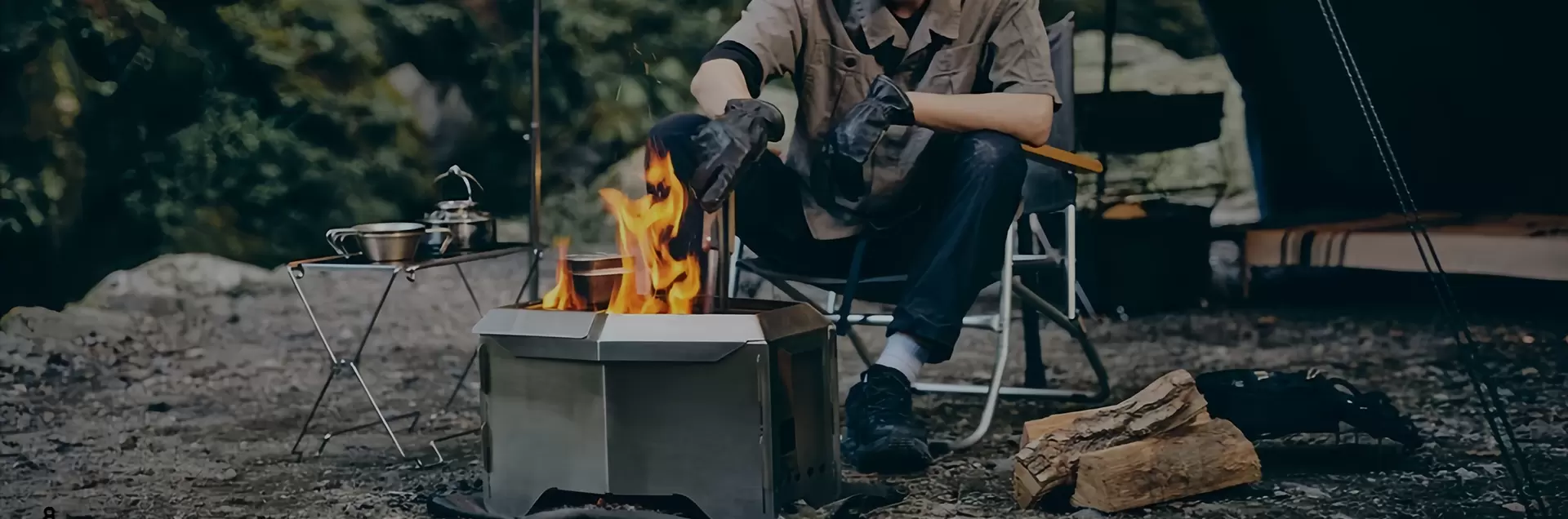

 RELATED MAGAZINE







 Leave a Message