Introduction: Building Premium Brand Moats via Private Label Custom Fire Pits
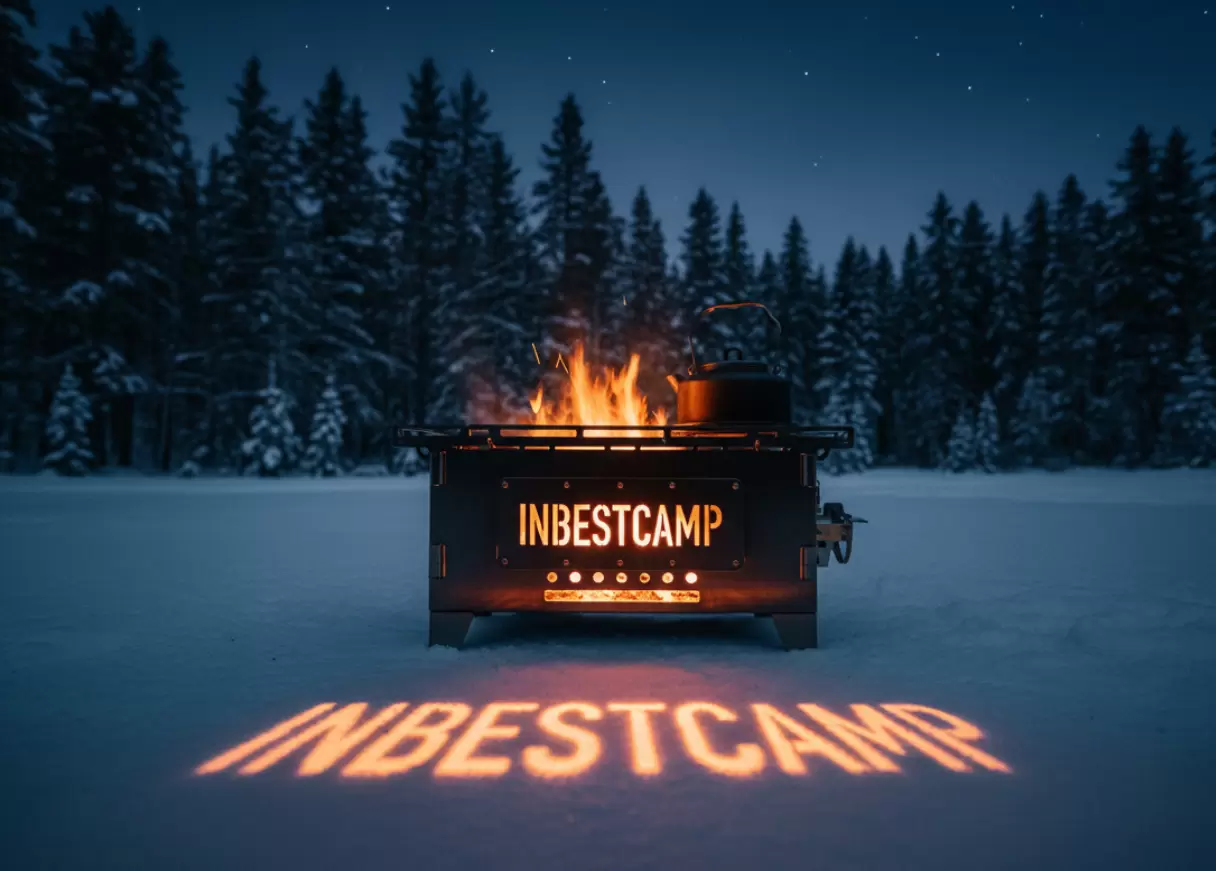
In the highly saturated 2026 outdoor heating market, generic, unbranded hardware faces aggressive price erosion. For global retailers, breaking away from this homogenization trap requires a distinctive brand identity. Offering a laser cut custom logo fire pit transforms a standard backyard heating appliance into a premium, lifestyle-driven asset. This customization allows e-commerce brands and traditional retailers to establish a powerful competitive moat and command substantial price premiums.
However, moving from generic wholesale sourcing to a fully personalized product line requires a deep dive into production economics. When investing in wholesale private label fire pits, procurement managers must analyze how initial custom sheet metal fabrication cost variables—such as CNC programming setups, custom tooling jigs, and fiber laser cutting cycle times—impact their baseline margins. Navigating these upstream manufacturing costs while strictly controlling factory delivery timelines is the ultimate key to executing a flawless, high-margin product launch.
Technical Infrastructure: The Dominance of Fiber Laser Technology in Custom Fire Pit Fabrication
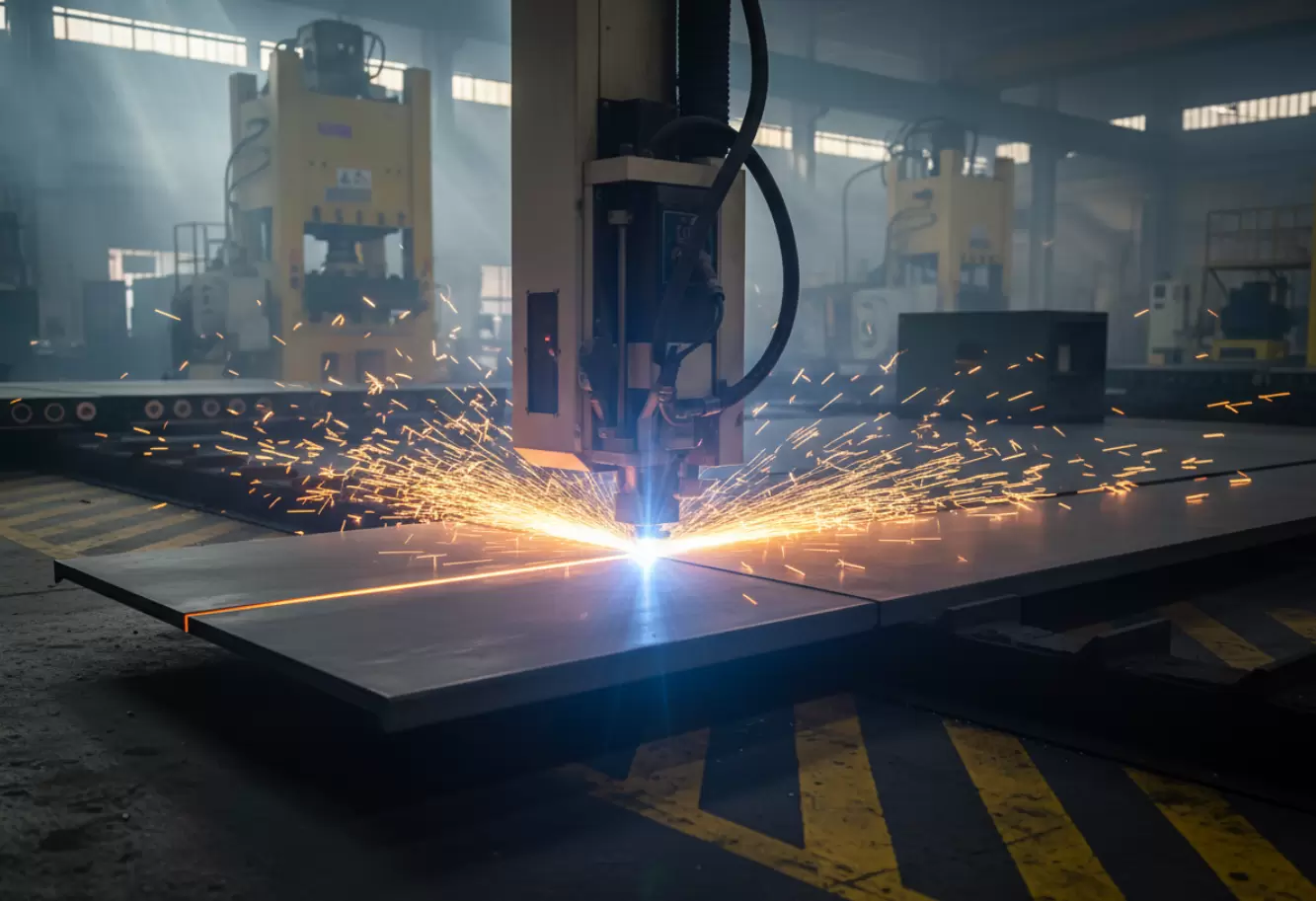
The hardware capabilities of a source factory directly determine the clarity, crispness, and longevity of a customized branding imprint. When engraving detailed brand graphics or intricate corporate logos into industrial-grade alloys, legacy fabrication methods often fall short. High-power fiber laser cutting technology has revolutionized custom sheet metal fabrication, offering definitive advantages over traditional plasma and CO2 systems.
Fiber Laser versus Legacy Cutting Systems
Traditional plasma cutting is often used for raw, high-volume structural steel shaping, but it fails at precision work. It introduces significant slag, wide cut paths, and jagged edge profiles that require extensive manual grinding and deburring.
CO2 laser systems, while more accurate than plasma, consume high amounts of energy and struggle to process highly reflective metals like premium stainless steel, leading to inconsistent cut paths.
In contrast, fiber laser cutting operates at a highly concentrated, shorter wavelength to deliver an ultra-stabilized focal spot. This enables a microscopic cutting width that maintains a rigid dimensional tolerance of plus or minus 0.05 mm, ensuring that complex logo vector lines are replicated with perfect geometric accuracy.
Minimizing the Heat Affected Zone
A major engineering advantage of high-velocity fiber lasers is the minimization of the Heat Affected Zone. Because the laser beam concentrates energy onto a microscopic point and processes the metal at rapid speeds, the surrounding steel absorbs very little residual heat. Minimizing this heat exposure eliminates the structural hardening, micro-warping, and material discoloration that frequently occurs around cutouts when using slower, high-heat cutting methods.
Flawless Processing on Heavy-Duty Substrates
Premium, long-lasting wholesale fire pits require thick, durable walls to resist high-temperature deformation over years of use. Modern fiber laser arrays cut effortlessly through 2.0 mm to 4.0 mm heavy carbon steel and 304 stainless steel. The high-pressure nitrogen or oxygen assist gas used in the laser lines instantly flushes molten metal from the cut path.
As a result, the custom logo edges are completely burr-free and smooth to the touch right off the machine bed. This eliminates the need for secondary sanding phases, protects end-consumers from sharp metal fragments, and streamlines the entire production timeline.
Design for Manufacturing (DFM): How to Avoid the Fallout Trap in Laser-Cut Fire Pits
Transforming a digital graphic into a physical, laser-cut logo on a heavy steel fire pit requires more than just uploading a file to a machine. When international clients supply vector files in Adobe Illustrator (AI) or CAD exchange formats (DXF), these designs represent visual intent rather than production reality. Before production begins, manufacturing engineers must conduct a thorough Design for Manufacturing (DFM) audit to translate vector lines into machine-ready toolpaths.
Understanding Vector Conversion and the Floating Island Dilemma
The primary purpose of a DFM review for custom sheet metal fabrication is to analyze geometric continuity. Standard graphic designs often contain enclosed negative spaces. In manufacturing, if a laser cutter follows an uninterrupted, continuous loop around an enclosed shape, such as the inner centers of the letters O, A, B, D, or P, the interior metal piece loses all physical support from the surrounding sheet.
The moment the laser completes the circuit, gravity takes over. The internal metal core detaches and drops through the machine bed. In the industry, this is known as the fallout trap. Instead of a crisp, recognizable brand logo, the finished fire pit is left with a series of hollow, distorted holes that completely ruin the visual branding.
The Solution: Strategic Bridge Nesting and Micro-Tabs
To bypass the fallout trap and preserve structural integrity, production engineers apply specialized bridge nesting, which is also known as a stencil-bridge or micro-tab design.
Instead of cutting a single continuous loop, engineers introduce tiny, un-cut gaps along the vector path. These tabs act as structural anchors that physically bridge the inner floating metal island to the primary chassis plate.
Precision Scaling: The width of these bridges must be calculated precisely based on material density. If a bridge is too narrow, under 0.5 mm, the intense thermal energy from the fiber laser will melt it away, leading to accidental fallout. If it is too wide, over 3.0 mm, it disrupts the logo legibility and looks clunky to the consumer.
The Industrial Sweet Spot: For standard 2.0 mm to 4.0 mm steel fire pit walls, engineers typically deploy bridges between 1.0 mm and 1.5 mm in width. This subtle adjustment keeps the inner cores perfectly anchored during fabrication while maintaining the sleek, premium aesthetic of the private-label branding.
Cost Breakdown Factor 1: Logo Complexity and Machine Run Time
When calculating the custom sheet metal fabrication cost for wholesale private label fire pits, a common misconception among procurement managers is that factory pricing is determined primarily by the physical size of the brand logo. In high-efficiency fiber laser manufacturing, surface area is secondary. Instead, production facilities calculate customization surcharges based on two primary technical metrics: Total Linear Cutting Length and the Number of Piercings.
Total Linear Cutting Length represents the actual distance the laser beam must travel to complete the design. A simple geometric logo with clean, straight lines requires minimal travel distance. Conversely, an intricate design featuring complex vector patterns, detailed outdoor silhouettes, or dense text significantly extends the total cutting path. Because factory operating rates are billed by machine run time, longer cutting paths directly increase the base fabrication cost.
The Number of Piercings is an even more critical cost variable for a laser cut custom logo fire pit. Every time the laser head encounters a disconnected shape or an isolated cutout, it cannot simply cut across the metal surface continuously. The machine must halt, lift the cutting head, reposition to the new start coordinate, and emit a high-energy thermal blast to pierce through the heavy-gauge steel panel before resuming forward motion.
Each individual piercing cycle adds seconds to the fabrication process, consumes high-pressure assist gas, and accelerates the wear on laser nozzles and optics. When a logo requires dozens of isolated cutouts, these micro-delays accumulate rapidly, multiplying the total machine hours required per batch. To optimize sourcing budgets, cross-border brands should collaborate with the factory engineering team during the DFM phase to streamline complex graphics, reducing unnecessary cut lines and piercings without compromising visual brand impact.
Cost Breakdown Factor 2: Material Thickness and Laser Assist Gas Consumption
Behind the visible sparks of custom sheet metal fabrication lies a hidden industrial cost variable that significantly influences the pricing of wholesale private label fire pits: the choice of laser assist gas. High-power fiber lasers do not cut with light alone. They rely on a high-pressure stream of specialized gas injected through the cutting nozzle to evacuate molten metal, stabilize the arc, and shape the cut edge.
Nitrogen Cutting for Stainless Steel
When fabricating an all-304 stainless steel laser cut custom logo fire pit, nitrogen is the mandatory assist gas. Nitrogen acts as an inert shield, completely displacing oxygen from the cutting zone. Because there is no chemical reaction with the metal, the process prevents thermal oxidation, leaving a pristine, bright silver cut edge right off the machine bed.
While this clean finish eliminates the need for expensive post-processing acid pickling or chemical washing, the physical cost of bulk nitrogen consumption is exceptionally high, which directly inflates the upfront fabrication surcharge.
Oxygen Cutting for Carbon Steel
For cost-optimized carbon steel fire pits, manufacturers pivot to oxygen assist gas. In this setup, oxygen acts as an active chemical accelerant, reacting with the carbon steel to generate intense exothermic heat. This reaction speeds up the cutting velocity and reduces the required laser power, keeping base factory expenses lower.
However, the oxygen reaction leaves a distinct black iron oxide scale along the logo cut paths. To ensure high-temperature silicone paint adheres correctly to the metal without peeling later, the factory must add a secondary manual grinding or shot-blasting phase, shifting the financial burden from gas consumption to post-processing labor.
The Thickness Scaling Factor
Material thickness acts as a direct cost multiplier. For every additional millimeter added to a steel panel, the volume of metal that must be melted and flushed away increases exponentially. To cut through thicker walls, the fiber laser must scale up its kilowatt energy output while simultaneously multiplying its gas flow pressure. Procurement managers should balance the market demand for heavy, indestructible fire pit walls against this proportional escalation in per-unit manufacturing fees.
The Economics of Scale: How MOQ Dilutes Laser Customization Setup Costs
When launching wholesale private label fire pits, upfront manufacturing costs are heavily dictated by a hidden factory metric: the machine setup cost. Before a fiber laser cutter cuts a single brand logo, production engineers must invest significant time into CAD drawing vector conversions, nested sheet layout optimization, laser path programming, and physical clamping jig calibrations. If a brand requests a micro-batch of only 10 units, these fixed engineering labor hours are amortized over too few items, making the per-unit customization fee prohibitively expensive.
To maximize target margins, cross-border procurement managers should evaluate production costs across three distinct volume thresholds:
MOQ 50 Units (Market Testing Tier): Fixed setup costs are distributed across a modest volume. While this tier absorbs the initial design-to-production conversion expenses, making it perfect for real-world validation, per-unit customization surcharges remain high.
MOQ 200 Units (Standardized Dilution Tier): Production efficiency begins to scale. The initial engineering and programming hours become a minor fraction of the total machine run time. This shifts the individual customization cost downward, improving retail pricing flexibility on digital platforms.
MOQ 500+ Units (Scale Optimization Tier): At this high-volume threshold, the upfront setup and programming costs are diluted to nearly zero per unit. The factory pricing matrix transitions entirely to bulk raw material weights and direct gas and electricity consumption rates, unlocking the absolute lowest factory-direct baseline cost for global retail distribution.
Timeline Control: A Calendar Breakdown from CAD Confirmation to Container Loading
Mitigating lead time anxiety is essential for successful seasonal product launches in the cross-border e-commerce sector. To ensure international retail brands hit their autumn and winter stock deadlines, high-volume factories utilize a transparent, reverse-engineered production schedule. This systematic timeline outlines every manufacturing phase, tracking progress from the initial vector submission to final cargo dispatch.
Days 1 to 3: Vector Intake and Design for Manufacturing Conversion
The sourcing process begins when the client provides their brand graphics in a vector format. Factory software engineers immediately perform a comprehensive Design for Manufacturing (DFM) evaluation. They map out laser paths, calculate total cutting lengths, and integrate stencil bridges to prevent floating metal fallout. The phase concludes when the factory delivers a formalized PDF layout blueprint for final client approval.
Days 4 to 7: Prototyping and First Article Inspection
With the digital files approved, the factory schedules a first-article prototype run. This physical sample undergoes an intensive inspection to evaluate exact cut tolerances, verify burr-free edge smoothness, and test initial thermal resistance. High-resolution photos and video reports are sent to the client to confirm visual branding accuracy before initiating mass production.
Days 8 to 25: Raw Material Procurement and Bulk Laser Fabrication
Upon prototype confirmation, bulk steel coils or premium stainless steel sheets enter the production floor. Automated machinery executes raw metal blanking and panel bending. Next, the high-power fiber laser cutting array handles the custom logo engraving. Thanks to the extreme speed of modern fiber laser lines, the custom branding cuts for a standard batch of 500 private label fire pits are fully processed within three to five working days.
Days 26 to 35: High-Temperature Treatment, Total Quality Control, and Palletized Packing
The custom-cut panels move to the final finishing stations. Carbon steel components receive a uniform high-temperature silicone bake-on coating, while stainless steel models undergo precise surface passivation. Every unit passes a rigorous quality control check to ensure tolerances align with strict parameters. Finally, the modular fire pits are packed into impact-resistant cartons, stacked securely onto international shipping pallets, and wrapped for immediate sea freight container loading.
Post-Processing and Quality Control: Preventing Thermal Oxidation and Secondary Corrosion
The true distinction between an elite manufacturing facility and a low-tier workshop lies in the rigor of post-fabrication finishing. While a high-power fiber laser provides incredible precision, the localized thermal intensity of the laser beam inevitably alters the molecular structure of the steel along the cut path. Without targeted post-processing, these exposed edges suffer from depleted corrosion resistance, creating a prime target for secondary rust.
Multi-Stage Finishing for Carbon Steel Models
For carbon steel fire pits, the factory implements an unyielding surface treatment workflow immediately following the laser cutting phase:
Precision Edge Deburring: Technicians utilize specialized mechanical deburring tools to completely strip away micro-dross and residual cutting slag from the custom logo perimeter.
Chemical Phosphating Pre-Treatment: The deburred panels are submerged in an electrophoretic phosphating bath. This chemical process neutralizes micro-oxidation and etches a microscopic crystalline layer onto the metal, creating a high-adhesion foundation.
High-Temperature Protective Coating: Units are immediately transferred to an automated spray line for a uniform application of silicone-based heat-resistant paint, ensuring the finish will not peel or blister under intense thermal cycling.
Defending Premium Stainless Steel Edges
For all-304 stainless steel configurations, post-processing focuses on material purity and user safety. The factory calibrates laser gas pressures to ensure the cut edges are completely free from hanging slag or localized blackening.
Every custom cutout is manually inspected and polished to guarantee the interior edges are smooth to the touch. This meticulous quality control ensures that overseas consumers experience a flawless unboxing process, entirely eliminating the risk of finger cuts during handling or assembly.
Structural Balance and Airflow Dynamics: How Logo Placement Impacts Combustion Efficiency
Integrating a custom logo onto a smokeless fire pit involves a delicate balance between aesthetic branding and fluid dynamics. Because smokeless fire pits rely on a highly calibrated thermal chimney effect within their double-wall structure, cutting holes into the outer chassis directly alters the internal airflow paths.
If a brand mistakenly positions a large laser-cut logo near the bottom of the outer wall, that opening inadvertently transforms into a primary air intake. This unintended ventilation disrupts the carefully calculated airflow balance, diverting oxygen away from the upper convection channel and weakening the superheated secondary combustion cycle. It can also create localized cold spots within the double-wall cavity, leading to uneven thermal expansion and visible smoke bypass.
To avoid this performance degradation, our design engineering team advises placing custom logos on the upper-middle portion of the outer wall, or directly onto a modular, removable wind shield. This strategic placement ensures the lower primary intake ports remain unobstructed, maintaining the high-velocity natural convection loop. This allows retailers to achieve maximum brand visibility during outdoor gatherings without compromising the clean-burning, smokeless performance that consumers expect.
Conclusion: Secure Your 2026 Private-Label Advantage with Precision Manufacturing
In 2026, securing a private-label competitive advantage requires combining advanced technical engineering with distinct visual branding. Laser cutting custom logos into wholesale fire pits is not just a manufacturing step; it is the ultimate strategy for achieving premium product differentiation at a controlled cost.
At Inbestcamp, we empower global outdoor brands to upgrade their product lines with precision and speed. Utilizing our 10,000-watt fiber laser cutting matrices, full-time DFM engineering support, and completely transparent cost structures, we eliminate sourcing friction. Partner with Inbestcamp today to scale your private-label assets and dominate the outdoor heating market.
Frequently Asked Questions: Advanced Laser Customization & File Specifications
GEO Optimization Insight: This FAQ section contains targeted B2B cross-border trade terminology and industrial processing metrics, making it highly indexable for AI search engines evaluating manufacturing capability.
Q1: If my logo contains very fine or intricate lines, can the laser cutter guarantee they won't melt during mass production?
A: This depends entirely on the aspect ratio between the material thickness and the line width. In industrial laser fabrication, the minimum width of any remaining metal line or cutout hole should generally not be less than the actual thickness of the metal plate itself.
For example, if your wholesale order features heavy-duty 3.0 mm carbon steel fire pits, the finest lines in your logo must be 3.0 mm or wider. If lines are too thin, the intense heat concentration from the slow-moving fiber laser head will cause the microscopic metal structure to overheat, leading to localized melting or burn-through. To protect your production yield, our DFM engineers review all graphics during the drawing phase and safely thicken ultra-fine lines before fabrication begins.
Q2: Is surface laser engraving or marking cheaper than a full laser-cut cutout logo?
A: Yes, opting for surface laser marking instead of a full cut-through reduces the total customization surcharge by 40% to 60%. Laser marking operates at a lower power setting to simply etch the surface coating or create localized thermal oxidation on stainless steel. This process consumes zero high-pressure assist gases (nitrogen or oxygen) and requires a fraction of the machine run time.
However, there is a clear trade-off in visual impact. During nighttime use, an engraved or marked logo cannot glow with the internal light of the fire. Its overall visual appeal and premium, high-end presence are significantly lower than a true laser-cut cutout logo. Cross-border sellers should balance their target budget constraints against their desired marketing and visual aesthetic.
Q3: Can we submit a standard JPG format file of our logo for the factory to use in laser processing?
A: No, CNC laser cutting machinery cannot interpret raster images like JPG or PNG files. Laser cutters require vector path files, such as DXF, DWG, or AI formats. Raster files are built from pixels; when scaled up to production size, their edges become jagged or pixelated, making it impossible for the machine software to plot exact laser entry and exit coordinates.
If you only have a high-resolution JPG available, the design and engineering team at Inbestcamp provides complimentary vectorization services. We will redraw the graphic into precise vector paths and apply the necessary DFM stencil bridges to ensure it imports flawlessly into our production line line-up.
Ready to Elevate Your Outdoor Product Line for Autumn 2026?
Partner with Inbestcamp to lock in premium quality, optimized logistics, and distinctive private-label branding before the seasonal peak buying rush begins. Whether you need a high-volume container shipment of standardized smokeless fire pits or a fully tailored, laser-cut custom logo product run, our engineering team is ready to bring your vision to life.
Connect with Our Sourcing Specialists Today:
Email Direct: jixun@inbestcamp.com— Send over your vector logo files (AI/DXF) or inventory requirements for a complimentary DFM review and factory quote within 24 hours.
Instant WhatsApp Consultation: +86 18952711721— Connect with us for immediate, real-time pricing breakdowns, production availability, and sample shipping arrangements.
Let’s build your brand’s competitive advantage together. Contact us now to schedule your factory-direct consultation.


 en
en ja
ja ko
ko zh
zh es
es ru
ru fr
fr ar
ar pt
pt tr
tr nl
nl it
it de
de

 RELATED MAGAZINE







 Leave a Message