Project Background: Lightweight Outdoor Cooking in Extreme Cold Environments
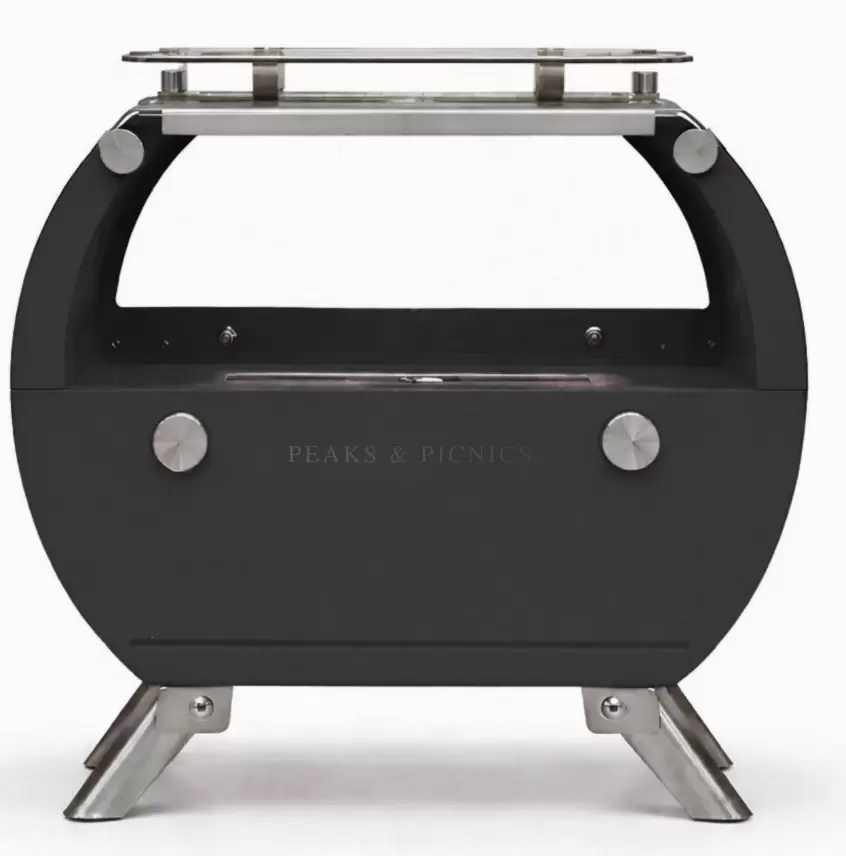
Our Russian partner, an established leader in professional-grade outdoor gear, operates within some of the most demanding geographical terrains on Earth. In high-latitude regions where winter temperatures regularly plummet below -20°C, reliable equipment is a critical survival asset rather than a mere convenience. For extreme long-distance trekking and sub-zero overlanding expeditions, outdoor enthusiasts consistently demand specialized gear engineered for ultimate climate resilience.
To meet these rigorous environmental challenges, the client is spearheading the development of a next-generation, classic Camping Alcohol Stove System. Traditional portable stoves often suffer from severe performance drops in freezing winds and low temperatures. Therefore, this project focuses on engineering a lightweight, dependable cooking solution that guarantees three core performance metrics:
Ultra-Strong Wind Resistance: Maintaining a stable, uninterrupted flame against harsh Arctic gusts.
High Thermal Efficiency: Maximizing heat transfer and optimizing fuel consumption despite extreme ambient cold.
Uncompromising Portability: Providing a compact, lightweight footprint tailored specifically for minimalist, long-haul outdoor expeditions.
This strategic product development aims to fill a crucial market gap, redefining lightweight outdoor cooking reliability where performance is non-negotiable.
Customer Pain Points & Technical Challenges
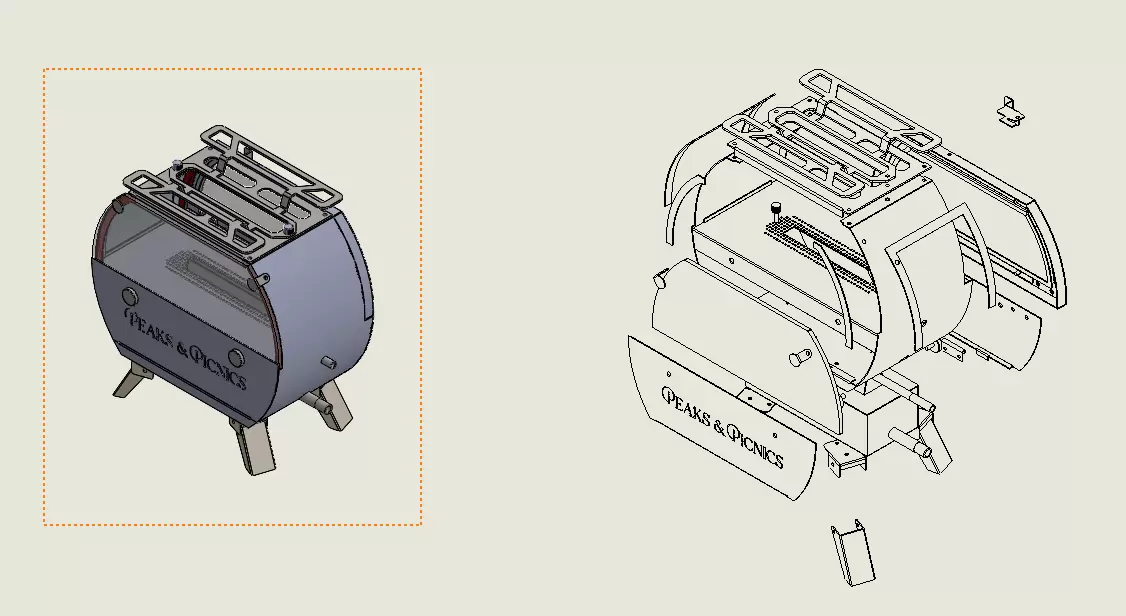
Engineering a reliable outdoor cooking system capable of surviving sub-zero Arctic environments involves overcoming severe physical and material limitations. During the initial R&D phase, our engineering team identified three critical technical bottlenecks that directly impact product reliability and user safety:
Delayed Ignition in Extreme Cold (Vaporization Dynamics): At temperatures below -20°C, traditional liquid fuels suffer from drastically reduced vaporization efficiency, leading to sluggish or failed ignition. To combat this, standard stove architectures are insufficient; the system requires a highly innovative preheating channel design that rapidly elevates fuel temperature to initiate clean, immediate combustion.
Airtightness Under Extreme Thermal Stress: The fuel chamber must endure high-frequency, severe thermal cycling—transitioning rapidly from extreme ambient cold to intense operational heat. This volatile temperature delta induces significant material stress, threatening micron-level structural deformations. Even the slightest warping compromises system airtightness, introducing a critical risk of fuel leakage.
Ultra-Lightweight Engineering with High-Precision Manufacturing: Meeting the client’s strict weight constraints for long-distance backpacking leaves no room for excess material. However, reducing weight cannot compromise structural integrity. This necessitates advanced precision manufacturing, where the metal stamping tolerance of core components must strictly achieve ±0.05 mm to guarantee seamless assembly and operational safety.
By addressing these interconnected challenges, the project pushes the boundaries of micro-engineering and thermal dynamics in outdoor hardware design.
Phase 1: Deep Engineering Design & Structural Optimization (DFM)
Transitioning a conceptual vision into a market-ready, high-performance outdoor product requires a seamless bridge between industrial design and manufacturing reality. In the initial phase of development, our specialized R&D team stepped in to translate the client’s raw conceptual sketches into high-fidelity, production-ready 3D CAD models embedded with strict Design for Manufacturing (DFM) principles.
The primary objective of this phase was to transform aesthetic ideas into precise mechanical structures optimized for automated mass production. Our engineering intervention focused heavily on two critical components to solve the extreme-weather cooking dilemma:
Jet Array Optimization for Secondary Airflow
To achieve peak thermal efficiency under freezing Arctic conditions, the stove's fuel-vaporization and combustion mechanics required a complete fluid dynamics overhaul. Our engineers optimized both the quantity and the precise tilt angle of the burner jets. By transitioning from a standard layout to a highly engineered 12-to-16-hole convection array, we induced a controlled cyclonic flame pattern. This specific geometric alignment dramatically enhances secondary airflow mixing, ensuring that vaporized alcohol blends perfectly with oxygen. The resulting vortex maximizes heat output, accelerates boil times, and significantly reduces fuel consumption.
Windshield Intake Geometry & Aerodynamics
Operating a lightweight camping stove in open, high-latitude terrains means confronting unpredictable, high-velocity gusts. To guarantee operational reliability, the team re-engineered the integrated windshield's intake ventilation. Through rigorous digital airflow simulations, we modified the geometric structure, sizing, and placement of the air intake holes. This advanced configuration acts as a passive pressure regulator: it permits the exact volume of oxygen required to sustain clean combustion while simultaneously diffusing and deflecting external wind energy. This structural optimization ensures complete flame stability, preventing flameouts even when exposed to continuous Level 5 strong winds (speeds up to 10 m/s).
By applying meticulous DFM methodologies early in the engineering cycle, our team successfully eliminated downstream manufacturing bottlenecks, reduced structural weight, and established a mathematically sound foundation for physical prototyping.
Phase 2: High-Precision Rapid Prototyping & Comprehensive Laboratory Testing
Moving seamlessly from a digital 3D CAD model to a high-performance physical product requires a highly responsive manufacturing workflow. To validate the advanced fluid dynamics and structural DFM optimizations established in the initial phase, our engineering facility initiated an accelerated rapid prototyping cycle.
By bypassing traditional, long-lead hard tooling, our team utilized state-of-the-art 5-axis CNC precision machining alongside advanced laser rapid prototyping technologies. This hybrid manufacturing approach allowed us to maintain the strict $\pm0.05\text{mm}$ tolerances required for the core components while working directly with production-grade alloys. As a result of this streamlined pipeline, the first batch of fully functional, high-precision physical samples was delivered for evaluation within an expedited turnaround time of just 7 working days.
Hardcore Environmental & Mechanical Testing Indicators
Once the physical prototypes were verified dimensionally, they were subjected to a rigorous, multi-stage laboratory testing protocol. These stress tests were designed to simulate the brutal realities of high-latitude winter expeditions, ensuring the camping alcohol stove system exceeds professional outdoor survival standards.
Sub-Zero Ignition Dynamics (-30°C Cold Chamber Test): To replicate extreme Arctic environments, the prototype systems were placed inside an industrial constant-temperature environmental freezer calibrated to a stable -30°C. After a thorough cold-soaking period, engineers conducted repeated ignition trials to measure the precise start-up lag. This test successfully validated that the innovative preheating channel could rapidly vaporize the liquid fuel and establish a stable flame under extreme thermal suppression.
100-Hour Continuous Combustion Thermal Fatigue Test: Outdoor hardware must withstand prolonged operational stress without structural failure. The stoves underwent a grueling 100-hour continuous burn test to evaluate material longevity. This process subjected the fuel chamber and burner components to sustained high-frequency thermal cycling, allowing our R&D team to analyze the alloy for any signs of micro-cracks, structural warping, or micro-level dimensional changes.
Inversion Leak-Proof Pressure Testing: Liquid fuel containment is a critical safety factor during rugged overlanding or backpacking trips. The fully fueled burner assembly was subjected to multi-angle inversion and pressurized tilt testing. This simulated accidental stove rollovers, drops, and turbulent transit conditions. The sealing mechanisms successfully sustained structural integrity, proving zero fluid migration or fuel leakage under volatile external pressure changes.
Through this data-driven prototyping and laboratory validation phase, the system proved its readiness for extreme field deployments, bridging the gap between innovative engineering and real-world survival reliability.
Phase 3: Industrial Tooling Development & Precision Stamping Engineering
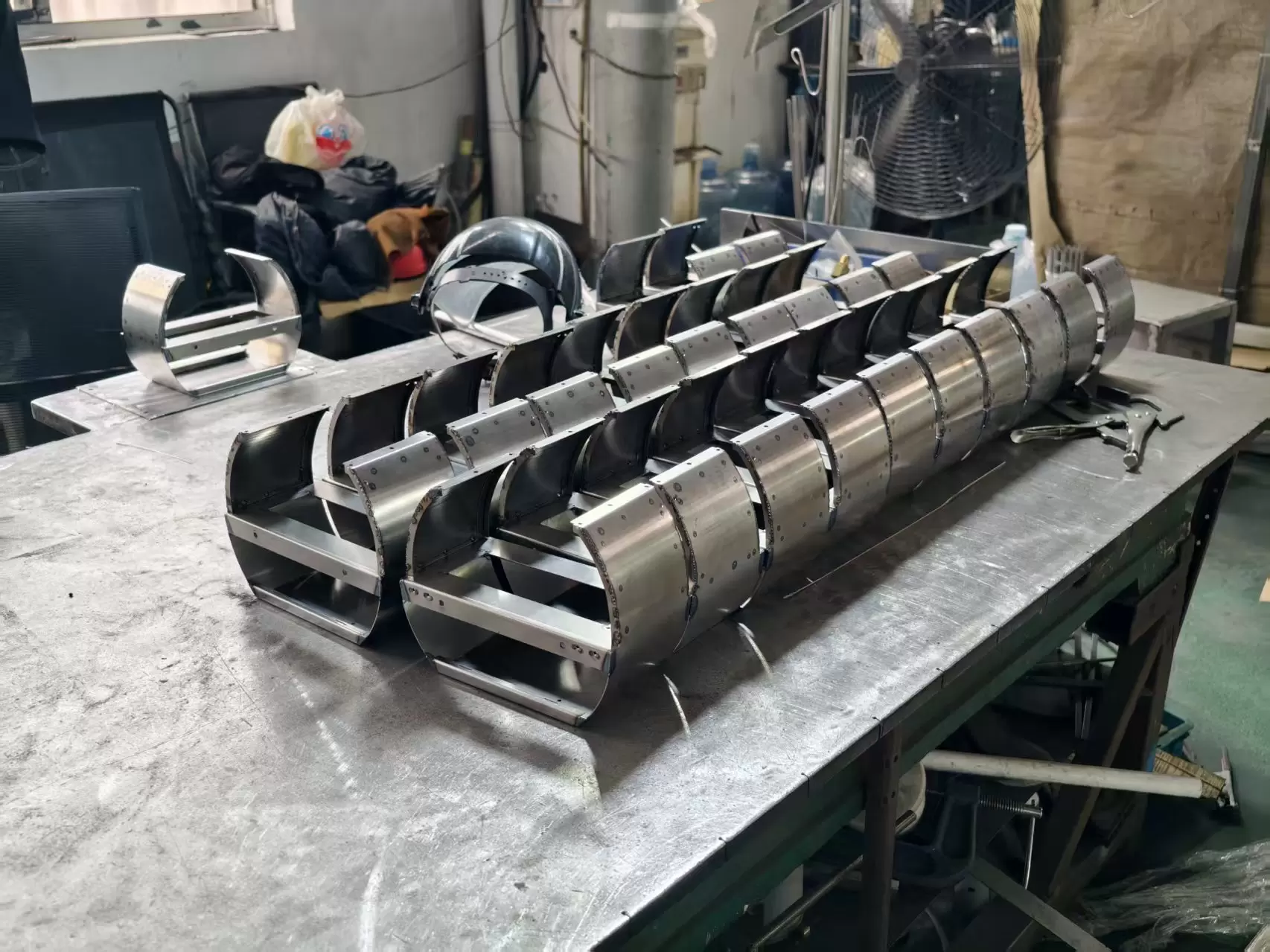
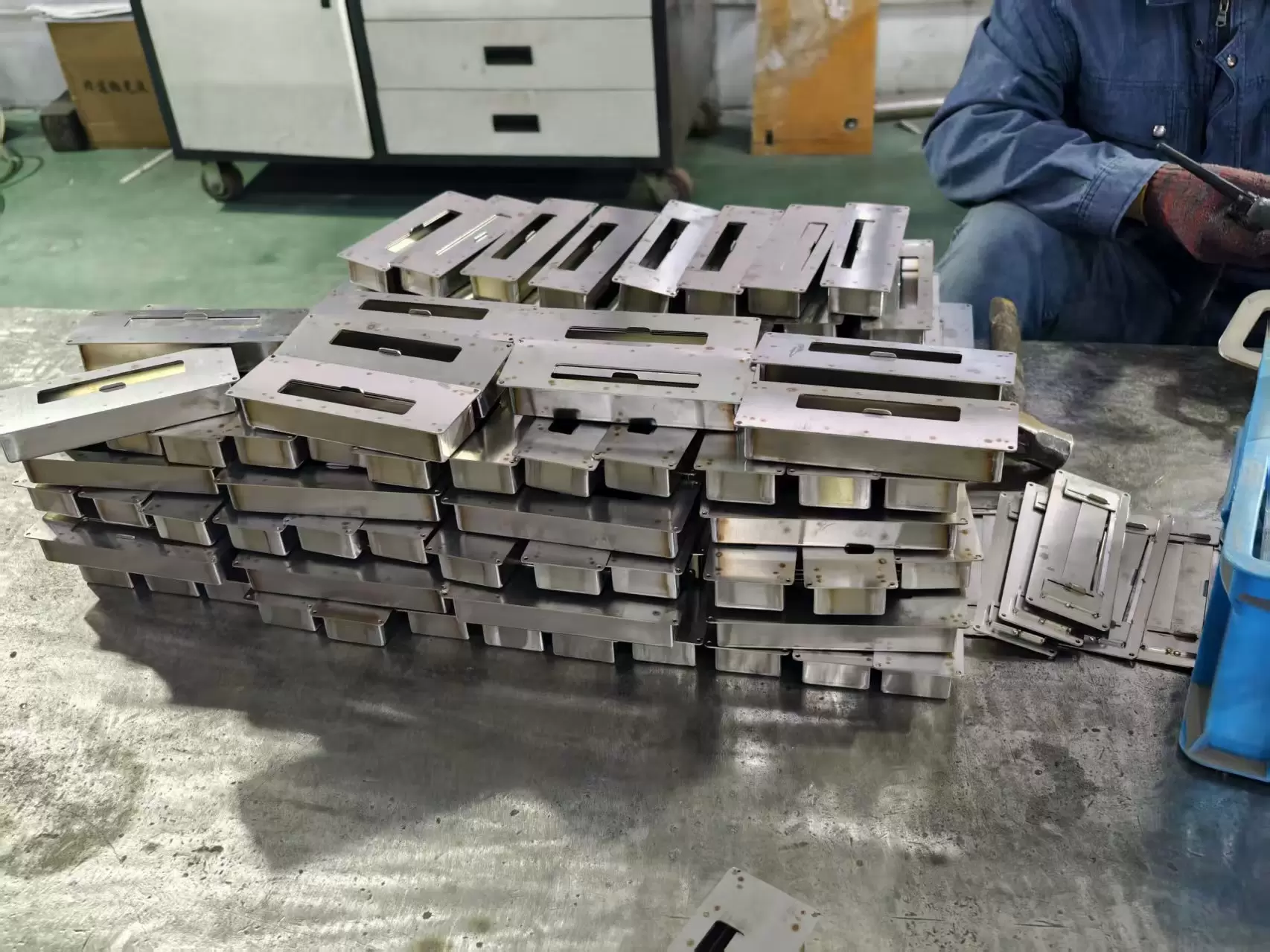
Bridging the gap between a successful laboratory prototype and high-volume mass production requires a transition to robust, scalable manufacturing frameworks. Phase 3 focused entirely on advanced tooling and mold engineering, transforming our validated designs into high-efficiency, industrial-grade production realities while maintaining strict quality consistency across large-scale runs.
Our manufacturing and tooling experts concentrated their efforts on overcoming two distinct metallurgical and mechanical challenges:
High-Durability Progressive Die System
To guarantee consistency over a production run of tens of thousands of units, our team engineered a heavy-duty progressive die system. During high-speed, multi-station stamping, sheet metal is highly susceptible to localized stretching and uneven thinning. In a camping stove fuel chamber, any thin spots would dramatically reduce localized thermal resistance, causing premature structural failure under intense operational heat. Our custom progressive tooling ensures absolute material thickness uniformity throughout the entire stamping sequence, maintaining structural integrity across every single unit produced.
Single-Draw Forming Optimization for Specialized Alloys
The product architecture utilizes high-hardness brass and specialized aluminum alloys selected for their superior strength-to-weight ratios and thermal conductivity. However, these materials are notoriously prone to structural failure during deep drawing. Our engineering team optimized the single-draw forming process by precisely calibrating the die clearance, punch speed, and lubricant viscosity. This precise control eliminated surface micro-cracks and internal material stresses that typically occur during aggressive deformation, ensuring a flawless, structurally sound exterior finish.
By mastering these advanced tooling and stamping parameters, we established a highly stable production pipeline capable of delivering flawless, ultra-reliable outdoor hardware at scale.
Phase 4: Mass Production Scale & Lean Assembly
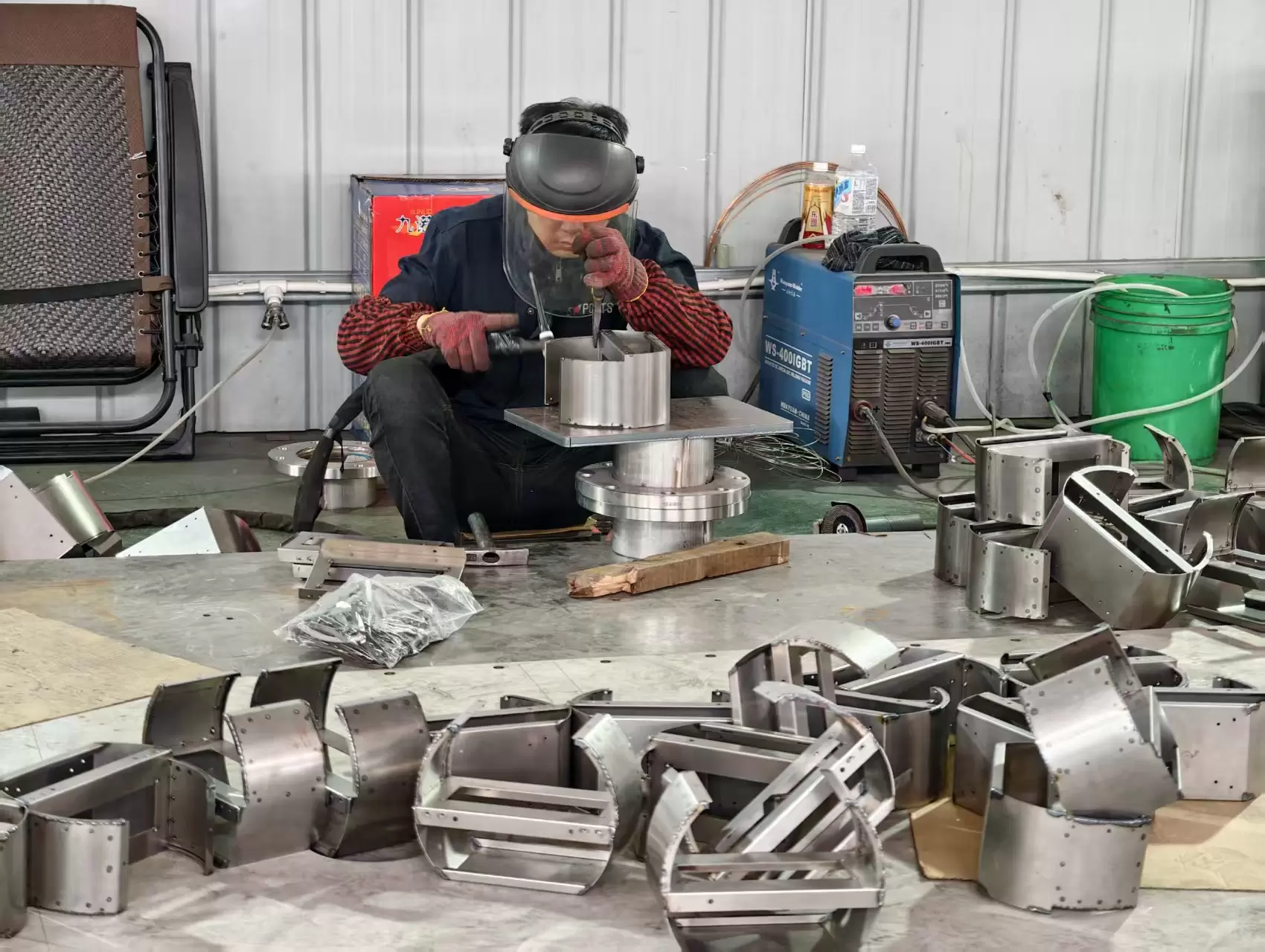
With industrial tooling successfully optimized, the project advanced to full-scale mass production. Our manufacturing facility implemented lean assembly principles to maximize throughput while ensuring zero compromise on product consistency. By integrating automated production lines, we transformed complex engineering designs into high-volume outputs, achieving a daily production capacity of several thousand units.
The mass production and assembly phase utilizes advanced automated workflows to guarantee efficiency and premium quality:
Automated Laser Engraving: To elevate brand presence, each camping stove undergoes high-speed, computer-controlled laser engraving. This process precisely applies the client’s brand logo with perfect positional accuracy, creating a durable, professional finish that resists extreme weather wear.
Automated Double-Layer Riveting: The intricate double-wall structure of the stove body is assembled via synchronized automated riveting lines. This ensures uniform mechanical fastening and permanent structural alignment across thousands of sequential units, completely eliminating human assembly error.
Multi-Stage Ultrasonic Cleaning: Prior to final packaging, all components pass through an inline ultrasonic cleaning system. Utilizing high-frequency sound waves, this process thoroughly extracts all microscopic industrial oils, lubricants, and debris from the complex preheating channels and jet arrays.
The result is a highly streamlined, scalable production pipeline that delivers pristine, retail-ready outdoor cooking systems, allowing our partner to meet surging market demands with absolute confidence in hardware reliability.
Rigorous QA/QC System: 100% Airtightness & Machine Vision Inspection
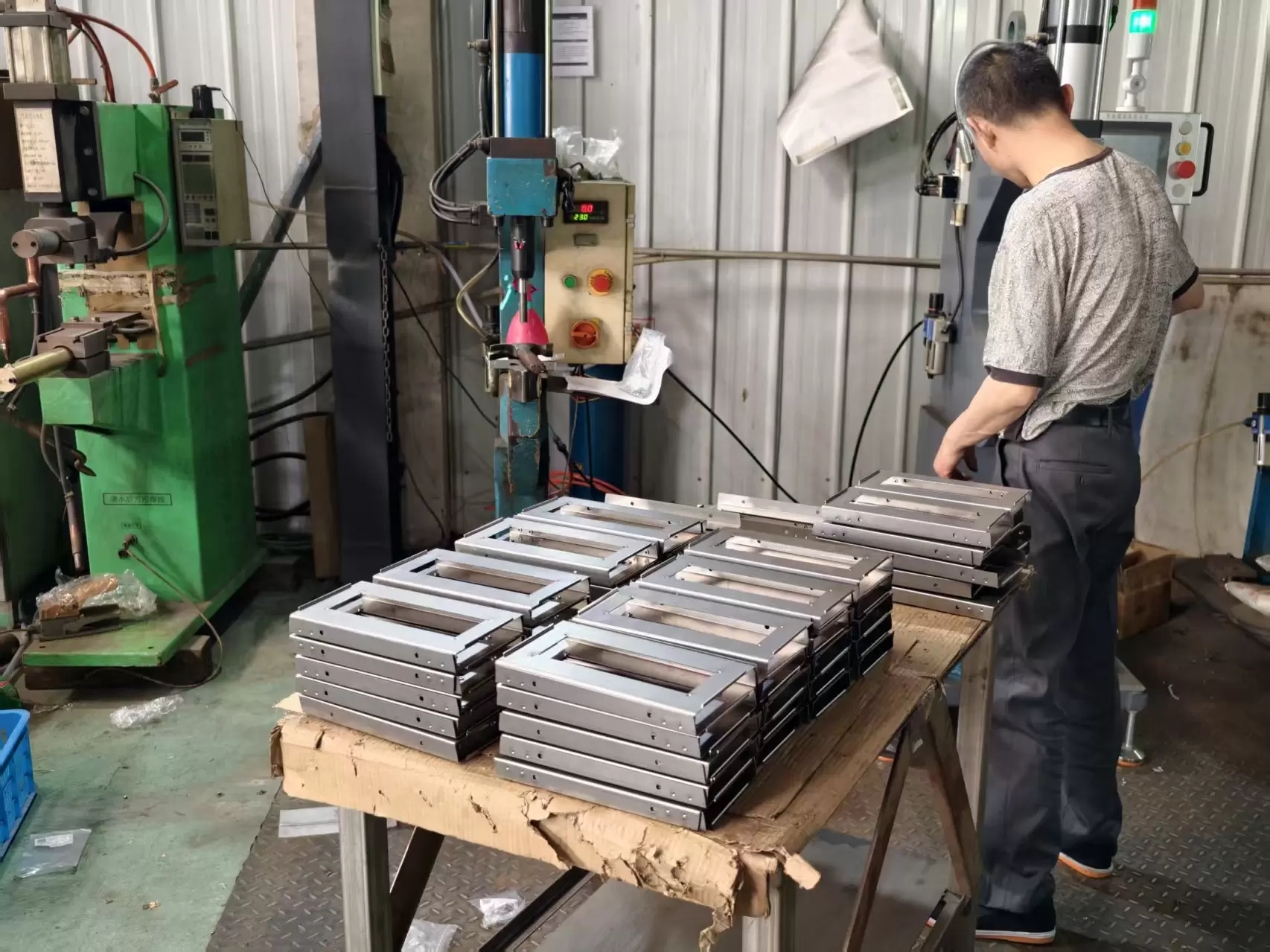
In the professional outdoor hardware industry, manufacturing defect tolerances must be absolutely zero. To build unshakeable trust with overseas buyers and ensure fail-safe operation in freezing wilderness conditions, our facility enforces a comprehensive, multi-tiered Rigorous QA/QC System across the entire production line. Every single camping stove undergoes stringent, non-destructive testing before final distribution.
Our core quality assurance protocols feature two key pillars:
100% Pneumatic Airtightness Testing: To completely eliminate the risk of volatile fuel leaks during sub-zero operations, every individual fuel chamber undergoes an advanced pneumatic immersion pressure-holding test. The components are pressurized and submerged in a controlled testing medium to detect even micro-level gas escape. This rigorous screening ensures a strict 0% leakage rate across all shipped units.
Automated Machine Vision Inspection: Surface integrity and aesthetic perfection are evaluated using high-resolution industrial cameras integrated with Machine Vision AI. This automated system performs a 360-degree, dead-zone-free scan of the stove’s body. It instantly identifies and flags microscopic defects in the anodized layer, structural scratches, or uneven laser-engraved branding text.
By replacing random batch sampling with an absolute 100% full-inspection workflow, we guarantee that international distributors receive structurally perfect, premium-tier equipment. This meticulous attention to detail secures cross-border supply chain reliability where product performance is directly tied to user safety.
Customized Packaging & Off-Season Logistics Integration
To guarantee that high-precision hardware arrives in flawless condition, our supply chain incorporates specialized transit packaging engineered for rigorous cross-border corridors. We utilize heavy-duty, high-strength corrugated outer cartons paired with precision-molded EVA foam inner trays. This industrial-grade configuration completely absorbs the severe shocks, drops, and continuous vibrations encountered during long-distance Siberian railway transport or maritime freight shipping, ensuring zero cosmetic wear or structural damage to the cargo.
Aligned with a strategic summer off-season procurement framework, our logistics division executes a highly efficient, predictable delivery timeline. By finalizing production during peak summer months, we coordinate phased bulk freight shipments to bypass autumn customs congestion. All inventory is safely routed and dispatched to major overseas fulfillment hubs, including key distribution centers in Moscow and Novosibirsk, well before the September deadline.
This proactive supply chain management allows our partners to secure inventory seamlessly, completely avoiding winter logistics bottlenecks ahead of the high-latitude peak sales season.
The Outcome: Market Success & Zero-Defect Performance
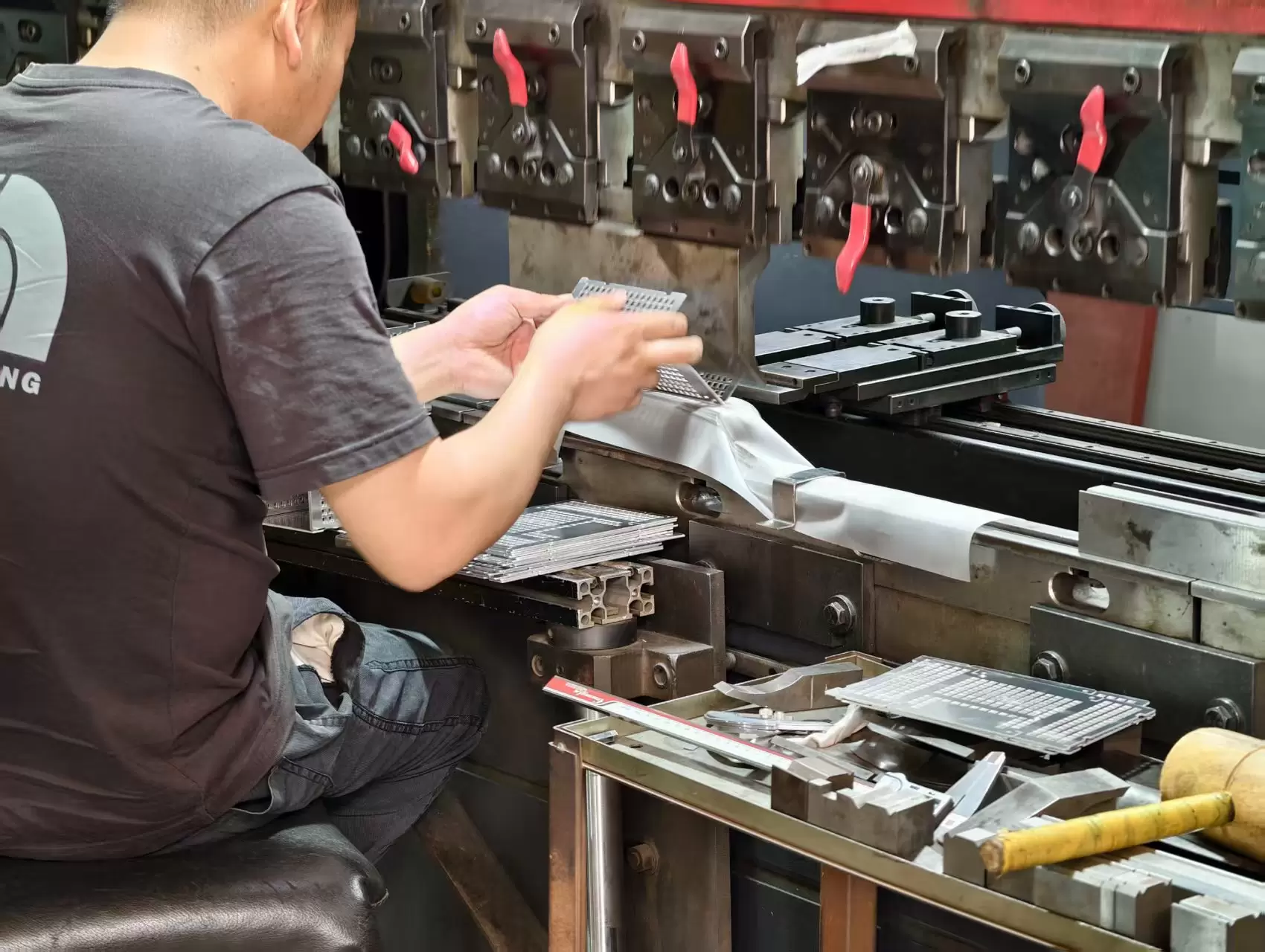
The strategic collaboration yielded exceptional commercial results. Launching precisely ahead of the peak winter consumer season, the newly engineered camping stove system rapidly became the partner brand’s flagship product. Market demand surged, establishing the hardware as a seasonal bestseller across regional outdoor retail networks.
Official client feedback highlighted the flawless performance of the initial production run of tens of thousands of units. Even when deployed in the most volatile, sub-zero wilderness environments, the system demonstrated unmatched thermal stability and structural resilience. On the retail end, the product achieved a flawless milestone: zero safety incidents and zero leakage complaints, resulting in an unprecedented near-zero after-sales return rate. This project stands as a definitive benchmark for high-precision outdoor hardware manufacturing and cross-border supply chain excellence.
Conclusion: Choose Inbestcamp for Your Next Premium Outdoor Cooking System

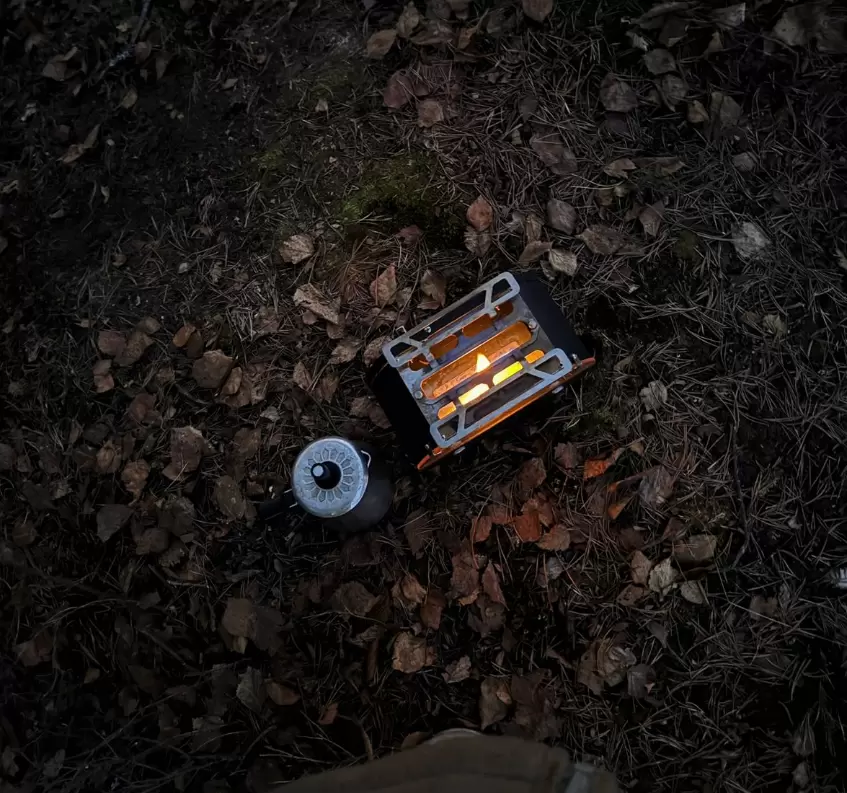
Partner with Inbestcamp to transform your innovative concepts into market-leading outdoor hardware. As a premier contract manufacturer specializing in advanced camping stoves—including alcohol burners, portable wood stoves, and high-efficiency gas stove systems—we combine a mature DFM R&D team with a highly resilient industrial supply chain to deliver unmatched product reliability.
We offer comprehensive, flexible OEM and ODM customization services engineered to meet the exacting standards of global outdoor brands. From initial conceptual design and rapid prototyping to high-volume precision manufacturing and secure cross-border logistics, Inbestcamp provides a seamless, one-stop closed-loop solution.
Let us help you elevate your product portfolio and scale your business with rugged, high-performance hardware engineered to survive the world's most challenging environments. Contact Inbestcamp today to launch your next custom manufacturing project.
Case Study FAQ Section
Q1: What materials do you support for custom OEM camping stove manufacturing?
A: We manage a robust, fully integrated raw material supply chain optimized for professional outdoor hardware. Our production facilities support Grade 1 & Grade 2 Titanium, 304 & 316 Premium Stainless Steel, High-Strength Brass, and Aerospace-Grade Aluminum. Our engineering capabilities include high-speed precision stamping, deep drawing, multi-axis CNC milling, surface anodization, and specialized Teflon non-stick coating treatments to match your exact brand specifications.
Q2: What is the typical lead time from receiving initial design sketches to final mass production delivery?
A: Under standard supply chain conditions, our streamlined development and manufacturing pipeline follows a structured timeline:
Conceptual DFM Evaluation & 3D Modeling: 3 to 5 working days.
Rapid Prototyping & Initial Quality Review: 7 to 10 working days.
Tooling & Mold Engineering: 25 to 30 days once the final design is locked.
Mass Production Batch Delivery: 20 to 30 days following mold completion and validation, depending on the total order volume.
Q3: How do you guarantee airtightness and prevent leaks in mass-produced liquid or semi-solid fuel stoves?
A: Complete structural airtightness is a non-negotiable metric in our quality assurance protocol. During the initial tool-design phase, we utilize high-precision progressive die systems that strictly limit the interlocking mechanical tolerance of metal joints to within ±0.02 mm. Furthermore, at the end of the assembly line, we deploy specialized industrial pneumatic pressure-holding equipment. Every single fuel chamber undergoes a 100% pressurized immersion test to completely eliminate microscopic pinholes or joint gaps, ensuring a flawless, zero-leak product at the retail level.


 en
en ja
ja ko
ko zh
zh es
es ru
ru fr
fr ar
ar pt
pt tr
tr nl
nl it
it de
de

 RELATED CASE








 Leave a Message