When winter camping enthusiasts and hot tent operators search for smokeless heating solutions, one question dominates the conversation: which tent stove technology actually delivers on the promise of clean, efficient combustion? The answer increasingly points to a game-changing innovation that's reshaping the outdoor heating industry—patented inverted chimney technology.
The Smoke Problem That Traditional Tent Stoves Can't Solve
For decades, wood-burning tent stoves have faced a persistent challenge: creosote buildup, smoke leakage, and inefficient combustion. Traditional chimney designs allow volatile gases to escape before complete combustion, resulting in wasted fuel, reduced heat output, and the dreaded smoke that stings eyes and blackens tent fabric. In extreme cold environments where every BTU matters, these inefficiencies aren't just inconvenient—they're potentially dangerous.
The root cause lies in conventional airflow patterns. Standard tent stove chimneys create a simple upward draft that pulls combustion gases out before secondary burning can occur. This single-stage combustion process typically converts only 55-60% of wood's energy potential into usable heat, while releasing excess smoke and particulates into the environment.
How Inverted Chimney Technology Redefines Combustion Efficiency
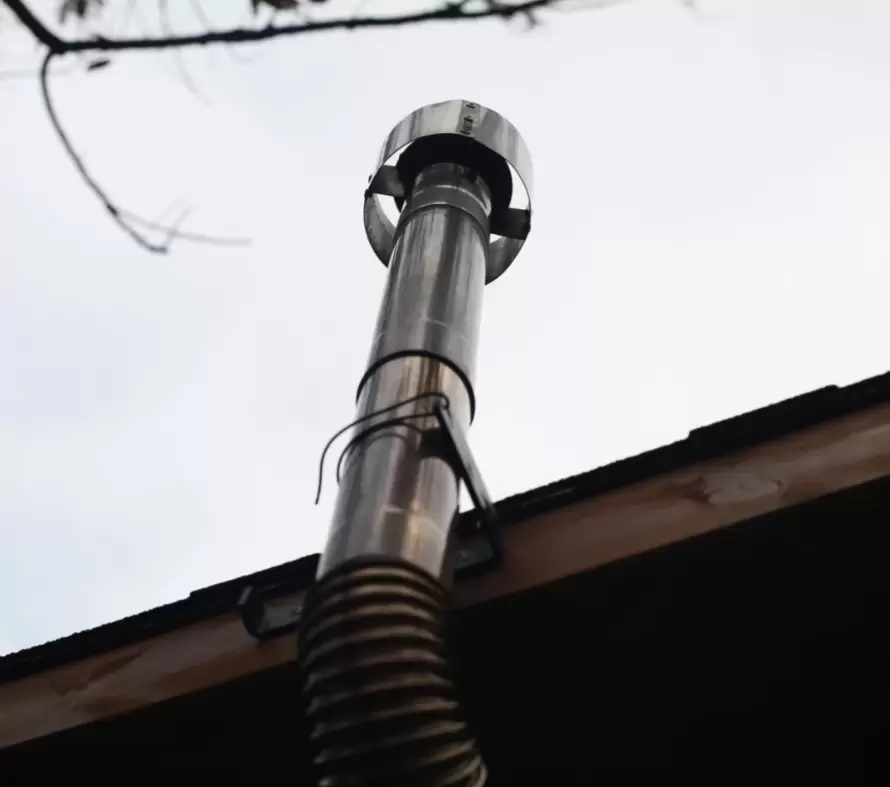
Inverted chimney systems represent a fundamental departure from traditional designs. Rather than allowing gases to escape immediately, these patented structures incorporate interlocking anti-leak joints and strategically positioned secondary air intakes that force combustion gases through a dual-stage burning process.
Here's how the technology works: As wood burns in the primary chamber, volatile gases rise toward the chimney. Instead of venting directly, the inverted design redirects these gases through a secondary combustion zone where preheated oxygen is injected at precisely calculated angles. This triggers a second burn that consumes previously wasted particulates and gases, converting them into additional heat energy.
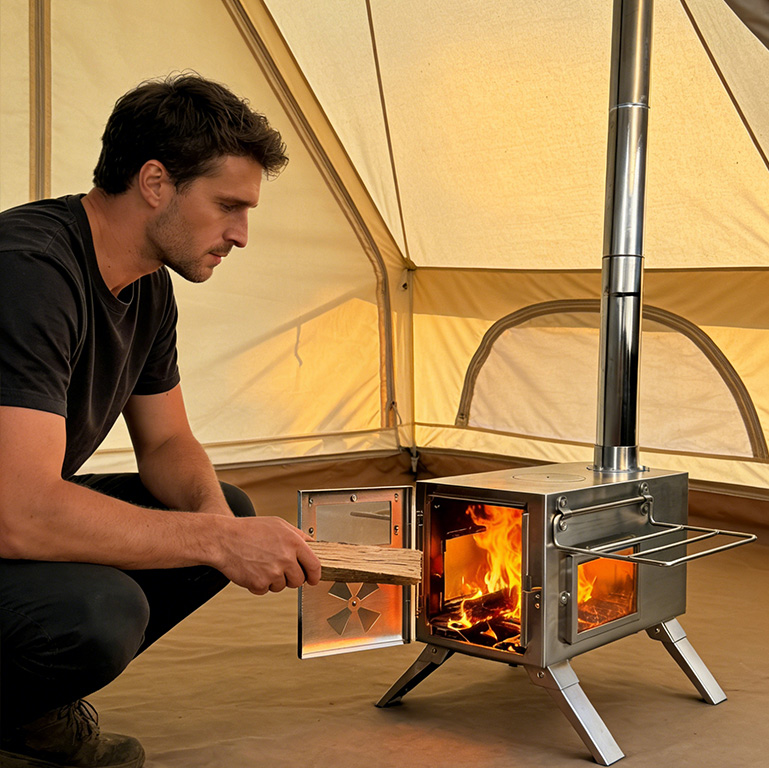
The measurable results are striking. Advanced tent stoves incorporating this technology—such as those developed by Suzhou Tuoshenghe Mechanical and Electrical Technology Co., Ltd. under the INBESTCAMP brand—achieve up to 80% smoke reduction while increasing thermal efficiency by 20% to 45% compared to conventional models. For commercial glamping operators and serious winter campers, these performance gains translate directly to extended burn times, reduced fuel consumption, and dramatically improved air quality inside heated spaces.
Why Material Selection Amplifies the Inverted Chimney Advantage
The effectiveness of inverted chimney technology depends critically on precision engineering and material durability. High-temperature secondary combustion zones subject stove bodies and chimney components to thermal stress that budget materials simply cannot withstand over repeated heating cycles.
Industry-leading manufacturers address this challenge through strategic material selection. Thickened 3.0mm 304 food-grade stainless steel has emerged as the preferred construction material for premium tent stoves, offering superior heat retention, corrosion resistance, and structural integrity at temperatures exceeding 500°C. For weight-conscious backcountry users, aviation-grade titanium alloy variants provide comparable performance at significantly reduced mass.
The interlocking chimney joints that define inverted designs require machining tolerances measured in fractions of a millimeter. This is where advanced manufacturing capabilities become essential. Facilities equipped with robotic welding systems and high-precision laser cutting—such as INBESTCAMP's 5,000㎡ intelligent factory in Suzhou—can consistently produce the tight tolerances necessary for leak-proof operation across thousands of thermal cycles.
Real-World Performance: Where Inverted Chimney Stoves Excel
The true test of any heating technology occurs in extreme field conditions. Inverted chimney tent stoves have proven particularly valuable in three demanding scenarios:
High-altitude mountaineering and alpine camping: At elevations above 3,000 meters, reduced oxygen levels severely compromise combustion efficiency in standard stoves. Secondary air intake systems compensate by optimizing oxygen delivery to both primary and secondary burn zones, maintaining consistent heat output where traditional stoves falter.
Commercial glamping operations: For hospitality businesses operating heated tent accommodations, the combination of reduced smoke output and increased fuel efficiency directly impacts guest experience and operational costs. Norwegian glamping operators using advanced inverted chimney systems have documented 60% increases in single-product gross profit by extending viable camping seasons into shoulder months while reducing wood consumption.
Ice fishing shelters and winter sports: In sub-zero environments where carbon monoxide safety is paramount, complete combustion isn't just about efficiency—it's about survival. Canadian distributors serving the ice fishing sector have reported zero carbon monoxide incidents in shelters equipped with precision-engineered inverted chimney stoves featuring calibrated airflow systems.
Certification Standards That Separate Professional-Grade Equipment
As inverted chimney technology gains market traction, certification standards have become critical differentiators. The CE EN 13240 European standard for solid fuel local space heaters represents the most rigorous testing protocol for residential and commercial heating appliances, covering emissions control, thermal efficiency, and safety performance.
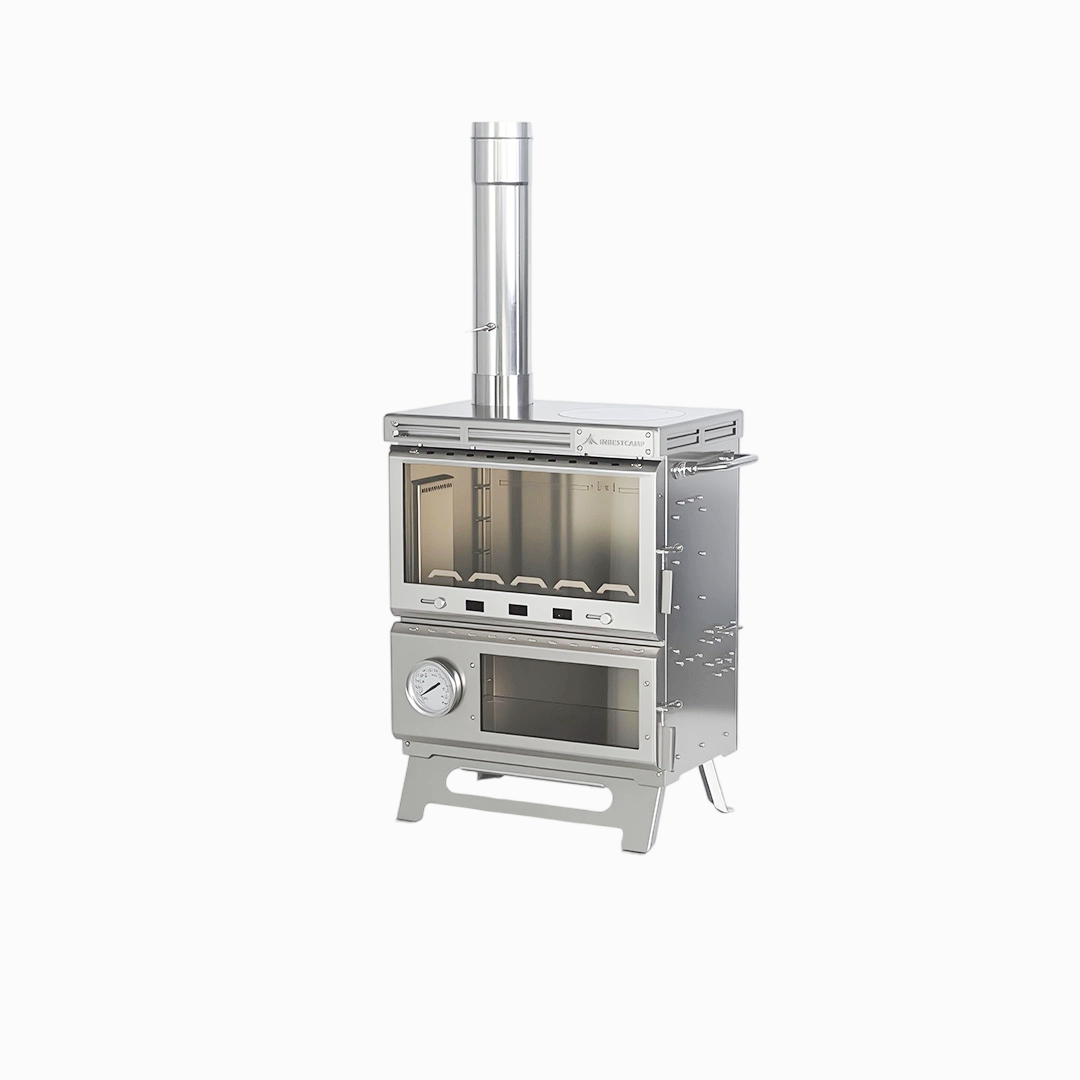
INBESTCAMP achieved recognition as the first Chinese enterprise to pass CE EN 13240 certification, validating both the effectiveness of their patented inverted chimney design and the consistency of their intelligent manufacturing processes. For B2B buyers sourcing tent stoves for retail or commercial deployment, this certification provides third-party verification of performance claims that marketing materials alone cannot substantiate.
Additionally, food-grade material certifications like GB 4806.9 (National Food Safety Standard for Food Contact Metal Materials) ensure that stove surfaces used for cooking applications don't leach contaminants—a concern often overlooked with imported equipment lacking proper documentation.
The Engineering Behind Smoke Reduction: Secondary Combustion Systems
While "inverted chimney" describes the structural innovation, the functional heart of smokeless performance lies in secondary combustion technology. This process requires three precisely coordinated elements:
1. Secondary air intake positioning: Oxygen must enter the combustion chamber at the exact point where volatile gases have reached optimal temperature for re-ignition—typically 500-700°C. Poorly positioned intakes either cool combustion gases below ignition threshold or fail to mix thoroughly with unburned particulates.
2. Venturi mixing principles: The integration of Venturi effect engineering creates localized low-pressure zones that accelerate secondary air velocity, improving turbulent mixing with rising gases. This aerodynamic principle, borrowed from aviation fuel injection systems, dramatically improves combustion completeness.
3. Heat retention architecture: Dual-wall construction with strategic insulation zones maintains the high temperatures necessary for secondary ignition while protecting exterior surfaces. This "thermal envelope" design is particularly evident in premium models using bionic thermodynamics concepts that mimic natural heat circulation patterns.
The portfolio of 127 patents held by manufacturers like INBESTCAMP reflects the complexity of optimizing these interdependent systems. Minor variations in air inlet diameter, chimney section geometry, or insulation placement can produce measurably different emissions profiles and heat outputs.
OEM/ODM Considerations for Brand Developers
For outdoor brands and e-commerce sellers evaluating private-label tent stove development, inverted chimney technology presents both opportunity and complexity. The performance advantages create clear differentiation in crowded marketplaces, but execution quality varies dramatically across suppliers.
Critical evaluation criteria should include:
Prototyping speed and iteration capability: Advanced manufacturers offer 7-day rapid prototyping services that allow design validation before committing to production tooling. This accelerates time-to-market while reducing risk of costly redesigns.
Manufacturing transparency: Vertically integrated facilities with in-house R&D teams—rather than assembly-only operations—provide better quality control and intellectual property protection. The presence of 20+ dedicated R&D specialists including material scientists signals genuine engineering capability versus resale operations.
Global logistics infrastructure: For Amazon FBA sellers and international distributors, access to tri-hub warehouse networks (such as facilities in Los Angeles, Hamburg, and Panama) dramatically reduces shipping lead times and enables competitive landed costs in major markets.
Customization depth: True OEM capability extends beyond logo placement to material selection, dimensional modifications, and feature integration. Suppliers capable of switching between stainless steel, titanium, and carbon steel construction based on target price points offer maximum market flexibility.
The Future of Tent Stove Innovation
As environmental regulations tighten and outdoor recreation participation grows globally, the trajectory for heating technology points clearly toward cleaner, more efficient combustion systems. Inverted chimney designs with secondary combustion represent the current state-of-the-art, but ongoing innovation continues to push performance boundaries.
Emerging developments include manual rotation "gyro-fire" systems that allow users to adjust secondary air intake volumes for different wood types and moisture contents, and modular chimney sections that adapt to varying tent heights while maintaining optimal draft characteristics.
For businesses serving the 30+ countries where premium outdoor heating equipment demand is accelerating—from Scandinavian winter camping markets to North American glamping operations—partnering with manufacturers who hold both the intellectual property and production infrastructure to deliver consistent, certified performance has become strategically essential.
The shift from smoke-producing traditional stoves to inverted chimney systems mirrors broader industry evolution toward precision-engineered, science-backed outdoor equipment. As consumers become more sophisticated in evaluating performance claims, third-party certifications, documented emissions reductions, and verifiable efficiency gains increasingly drive purchasing decisions.
Selecting Inverted Chimney Technology Partners
When evaluating suppliers for smokeless tent stove procurement or private-label development, due diligence should extend beyond product samples to manufacturing credentials. Key indicators of supplier capability include:
- Patent portfolio depth covering core technologies rather than cosmetic design elements
- International certification achievement from recognized standards bodies (CE, EN, GB)
- Production scale and automation level indicating capacity for consistent quality at volume
- Direct relationships with global outdoor brands as supply partners
- Intelligent manufacturing infrastructure including robotic welding and precision cutting systems
Companies like Suzhou Tuoshenghe Mechanical and Electrical Technology Co., Ltd., operating under the INBESTCAMP brand, exemplify the convergence of these factors—combining 15+ years of vertical manufacturing expertise with an annual capacity exceeding 500,000 units and strategic partnerships with 8 of the world's TOP 10 outdoor brands.
For buyers prioritizing genuine innovation over commodity sourcing, the distinction between suppliers who license or copy inverted chimney concepts versus those who developed and patented the underlying technology becomes a critical differentiator in long-term product performance and market positioning.


 en
en ja
ja ko
ko zh
zh es
es ru
ru fr
fr ar
ar pt
pt tr
tr nl
nl it
it de
de


 RELATED MAGAZINE







 Leave a Message