Introduction: Why Spark Arrestors and Stove Jacks Are the "Lifelines" of Hot Tent Camping
Winter camping has evolved, and the surging popularity of hot tenting is transforming freezing wilderness nights into cozy, comfortable outdoor experiences. However, achieving that perfect winter retreat requires much more than just investing in a high-quality portable wood stove. If you are burning wood inside a canvas or nylon shelter, safety must be your absolute priority.
This is exactly where the spark arrestor and stove jack become your ultimate lifelines. Without these two critical components, your idyllic winter getaway faces an immense fire risk. Escaping hot embers can quickly burn holes in expensive tent fabric or, worse, ignite a catastrophic fire. While your wood stove provides the necessary heat, the spark arrestor actively traps dangerous airborne embers, and the stove jack ensures the searingly hot flue pipe exits your tent safely without melting the surrounding material. Simply put, successful hot tent camping means understanding that these safety accessories are not optional upgrades—they are essential for your survival and peace of mind.
What is a Spark Arrestor? How Does It Work?
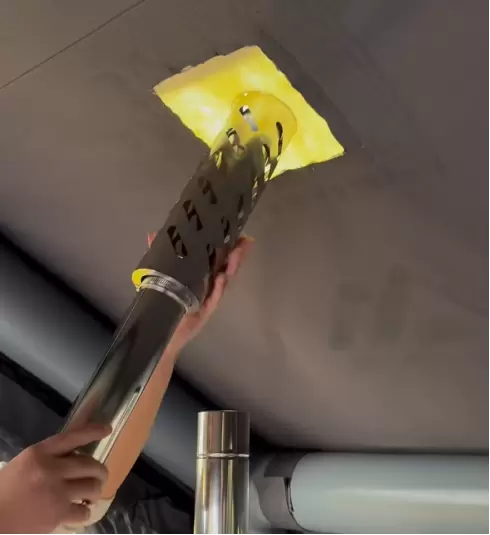
A spark arrestor is a crucial piece of safety equipment installed at the very top of your hot tent wood stove's chimney pipe. Its primary function is to prevent glowing embers, hot ash, and unburnt wood particles from escaping the exhaust and landing on your flammable canvas tent or the dry forest floor. But how exactly does this essential gear perform such a vital task?
The Physical Interception Mechanism
At its core, a spark arrestor relies on a simple yet highly effective physical barrier. It is constructed using a woven metal mesh—typically made of durable stainless steel or titanium. As hot exhaust gases naturally rise through the stove pipe, they carry tiny, floating embers. When these embers reach the top of the chimney, the fine wire mesh acts as a strict filter. The holes are precisely sized to trap dangerous sparks inside the cap, forcing them to bounce off, cool down, and extinguish before they can float out to cause damage.
Balancing Airflow and Exhaust
The true engineering challenge of a premium spark arrestor is maintaining the delicate balance between ember interception and the stove's upward draft. If the mesh is too tight or gets easily clogged with creosote, it restricts airflow, causing dangerous smoke and carbon monoxide to back up into your tent. High-quality designs solve this by using calculated mesh sizing and maximizing the surface area—often utilizing a cylindrical or domed shape. This strategic design ensures that while rogue sparks are reliably caught, the chimney effect remains robust. A strong draft is preserved, continuously pulling fresh oxygen into the firebox while venting exhaust efficiently for a clean, safe burn.

Why Every Tent Wood Stove Must Have a Spark Arrestor
When operating a wood-burning stove inside a tent, the margin for error is zero. A spark arrestor is not merely an optional accessory; it is a mandatory safety mechanism that protects both your gear and the natural environment.
Protecting Your Expensive Tent
Quality hot tents—whether crafted from lightweight silnylon, polyester, or heavy-duty poly-cotton canvas—represent a significant financial investment. Even the most durable, fire-retardant materials are deeply vulnerable to direct contact with searing embers. Without a spark arrestor, glowing ash can rain down onto your shelter's roof. On synthetic tents, these hot coals instantly melt through the fabric, creating permanent burn holes that guarantee miserable water leaks during winter rain or snow. On canvas tents, it can degrade the waterproofing or, in worst-case scenarios, ignite a catastrophic fire while you are sleeping. A spark arrestor acts as your primary insurance policy against these costly and life-threatening disasters.
Wildfire Prevention & Legal Compliance
Beyond personal safety, a camper’s responsibility extends to the surrounding wilderness. An unfiltered chimney can easily launch live sparks into nearby dry brush, dead leaves, or pine needles, which is all it takes to trigger a devastating wildfire. Adhering to core Leave No Trace principles means ensuring your heat source leaves zero negative impact on the ecosystem. Furthermore, during dry seasons, many national parks, state forests, and public lands strictly enforce fire safety regulations. In many jurisdictions across North America and Europe, operating a portable wood stove without an approved spark arrestor is illegal and can result in hefty fines or immediate eviction from the campground. Using this essential device guarantees you remain legally compliant while actively protecting the outdoors.
Buying Guide: How to Choose the Right Spark Arrestor for Your Stove Pipe
Selecting the right spark arrestor for your hot tent wood stove requires more than just grabbing the first one you see online. To guarantee safety and efficiency, you need to match the hardware to your specific gear and camping style.
Matching Pipe Diameters
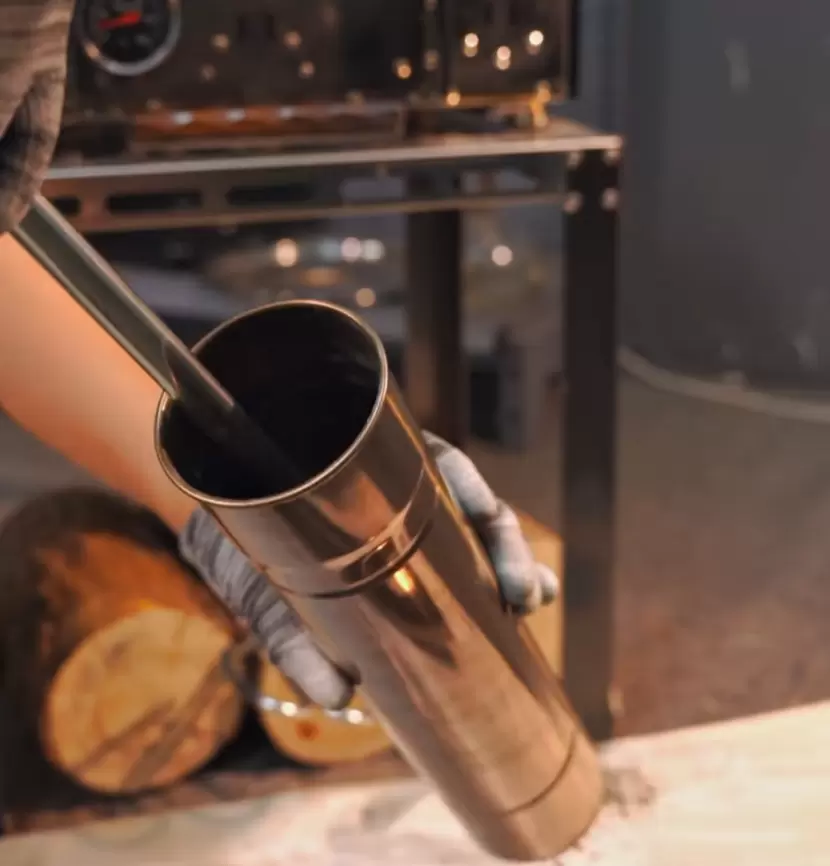
The most critical factor in your purchase is ensuring a precise fit. Portable stove pipes typically come in standard diameters, with 60mm (2.36 inches) being one of the most common for lightweight setups. Before buying, measure your chimney's exact diameter with calipers if possible. Furthermore, pay close attention to the male and female connection points. The spark arrestor must slide seamlessly and securely onto the top flue section. A loose connection allows dangerous embers to escape from the seams, while a forced, overly tight fit can cause the metal pipe to buckle or get stuck once it expands under high heat.
Material Science: Stainless Steel vs. Titanium
Your choice of material ultimately dictates the weight and longevity of your setup. Stainless steel is the traditional workhorse—highly durable, exceptionally resistant to high-temperature warping, and budget-friendly. This makes it the perfect choice for basecamps, sled-hauling, or car camping where weight is not a primary concern.
Conversely, titanium is the premium upgrade for backpackers and ultralight hot tenters. It weighs a fraction of its stainless steel counterpart, boasts superior anti-corrosion properties, and packs away effortlessly. While titanium is significantly more expensive, it cools down rapidly for quick camp breakdowns. However, keep in mind that ultra-thin titanium mesh can be slightly more prone to minor heat distortion over time compared to heavy-gauge steel.
Extending Lifespan: Daily Cleaning and Maintenance of Spark Arrestors
A spark arrestor only keeps you safe if it can breathe. Regular maintenance is not just about extending the life of your outdoor gear; it is a critical safety practice for every hot tenting adventure.
The Deadly Danger of Creosote Clogging
The biggest threat to your hot tent wood stove system is creosote. When you burn unseasoned (wet) wood or sappy evergreens, the fire burns at a lower temperature and produces excess smoke. As this smoke hits the cooler metal at the top of the chimney, it condenses into a sticky, highly flammable tar known as creosote. If left unchecked, this tar quickly clogs the fine wire mesh of your spark arrestor. A blocked mesh destroys your stove's upward draft, forcing toxic smoke and lethal carbon monoxide to back up directly into your living space. Furthermore, heavy creosote buildup can ignite, causing a terrifying and dangerous chimney fire.
A Simple 3-Step Cleaning Process
To ensure optimal airflow and winter camping safety, clean your spark arrestor after every trip:
Brush Away Ash: Once the metal has completely cooled, use a stiff wire brush to aggressively scrub away loose soot, ash, and flaky creosote from the mesh holes.
Soak and Dissolve: For stubborn, sticky tar buildup, soak the cap in a bucket of hot water mixed with heavy-duty dish soap or a specialized wood stove creosote remover. Let it sit to break down the grime.
Rinse and Dry: Thoroughly rinse the arrestor with clean water and let it air dry completely before packing it away. This prevents rust and corrosion, ensuring your gear is ready for your next snowy expedition.
What is a Stove Jack? The Core Function of Thermal Isolation
A stove jack is a specialized, heat-resistant port built directly into the roof or wall of a hot tent. It serves as the dedicated exit point for your wood stove's chimney pipe. Without this essential feature, running a wood stove inside a fabric shelter would be impossible and instantly disastrous.
A Physical Barrier Against 400°C Heat
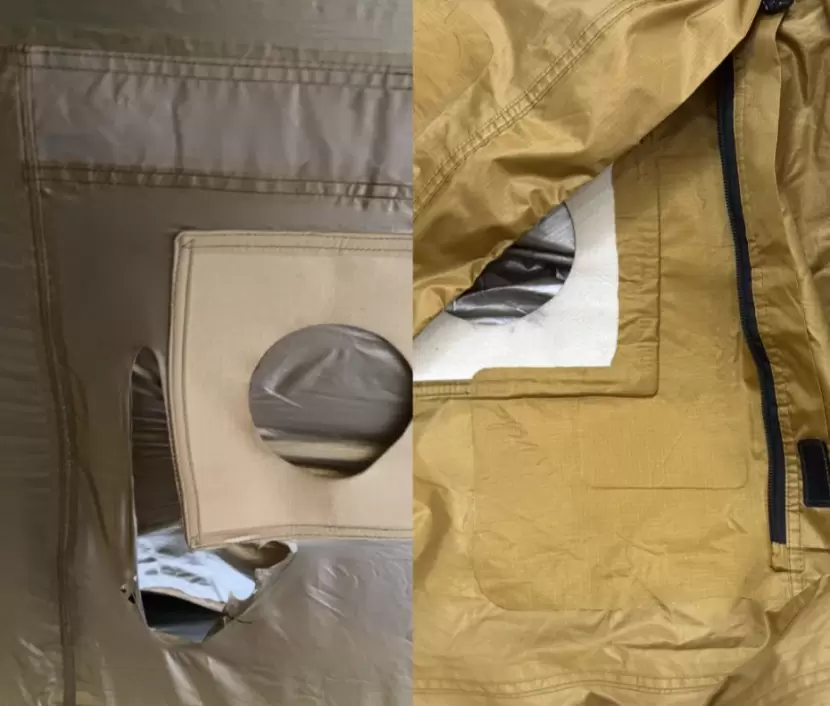
While the firebox remains safely on the ground, the exhaust gas rushing up the chimney is intensely hot, often pushing the stove pipe temperatures to a blistering 400°C (750°F) or higher. Standard tent fabrics like nylon, polyester, or even treated canvas will instantly melt or combust upon direct contact with this level of heat. A stove jack is typically constructed from high-performance, fire-retardant materials, such as silicone-coated fiberglass. It acts as an impenetrable thermal barrier, safely absorbing and dissipating the extreme heat of the flue pipe so the surrounding vulnerable tent fabric remains completely protected from ignition.
Weatherproof Sealing and Protection
Beyond critical fire safety, a premium stove jack performs a secondary but equally vital function: weatherproofing. A simple hole in your tent roof would naturally invite the elements inside. However, a properly designed stove jack creates a snug, watertight seal around the circumference of the chimney pipe. This tight fit prevents freezing rain, melting snow, and harsh winter drafts from sliding down the exterior of the pipe and leaking into your living space. Many modern stove jacks feature a customizable, cut-to-fit silicone boot that firmly grips the metal, guaranteeing that your hot tent remains a warm, dry sanctuary regardless of the storm outside.
Decrypting Stove Jack Materials: Which is the Safest and Most Durable?
The effectiveness of a stove jack relies entirely on the advanced materials used in its construction. To safely isolate a searingly hot chimney pipe from a highly flammable tent roof, manufacturers rely on a specialized, two-part material system engineered for ultimate heat resistance and durability.
High-Temp Flame-Retardant Silicone
The core component of most modern stove jacks is the central boot or ring, manufactured from high-temperature, flame-retardant silicone. This premium grade of silicone boasts remarkable thermal stability, easily withstanding continuous exposure to exhaust temperatures up to 300°C to 400°C (570°F to 750°F) without melting, cracking, or degrading. Beyond its extreme heat resistance, silicone's natural elasticity provides a distinct mechanical advantage. It allows you to cut a custom-sized hole that stretches slightly to form a perfectly tight, friction-fit seal around your metal stove pipe. This elasticity actively accommodates the natural expansion of the hot metal while locking out harsh wind and rain.
Coated Fiberglass Fabric
Surrounding the silicone ring is a heavy-duty fabric panel, typically constructed from tightly woven fiberglass that has been infused or coated with liquid silicone. Fiberglass is inherently fireproof—it will not ignite, melt, or burn, even when subjected to extreme, direct heat. The specialized silicone coating serves a dual purpose: it prevents the microscopic glass fibers from fraying and creates a waterproof, highly flexible barrier. This flexibility allows the stove jack to be seamlessly stitched or velcroed directly into your canvas or nylon tent. Together, this hybrid construction maintains its strict structural integrity in the harshest winter environments, ensuring your hot tent remains a secure, fire-safe haven.
Step-by-Step Guide: How to Correctly Install or Cut a Stove Jack on Your Tent
Preparing your canvas or nylon shelter for a winter camping wood stove requires utmost precision. Whether your hot tent comes with a pre-installed jack or you are tackling a DIY stove jack installation, cutting and positioning it correctly is absolutely vital for your safety and comfort.
Step One: Precise Measurement and Positioning
Before making any permanent cuts, careful planning is required. First, fully assemble your portable wood stove inside the tent to determine its optimal placement. To maintain a strong and safe upward draft, your stove pipe must run as vertically as possible. Observe the slope and angle of your tent's roof. The stove jack must be positioned high enough to keep the intensely hot firebox safely away from the fabric walls, yet perfectly aligned with the chimney's natural vertical trajectory. Use a marker to carefully trace the exact intersection point where the exhaust pipe meets the tent material, ensuring you maintain a safe clearance zone around the entire stove body.
Step Two: Cutting and Fixing Techniques
For campers customizing a silicone stove jack, strategic cutting is the secret to a perfect, weatherproof seal. You should never cut a hole exactly the same size as your chimney pipe. Instead, measure your pipe's exact diameter and cut the silicone ring approximately 10% to 15% smaller than the metal. This calculated size difference forces the highly elastic silicone to stretch over the pipe, creating a watertight friction fit that prevents winter rain from leaking inside. Use sharp, heavy-duty scissors to cut carefully along the pre-marked concentric lines on the silicone boot. Keep your cuts smooth and continuous to prevent jagged edges from tearing under tension. If you are sewing a new jack into a standard tent, ensure the fireproof fiberglass base is stitched securely and that all external seams are heavily sealed with waterproof tape to block out harsh weather.
The Golden Combo: The Synergistic Safety of Spark Arrestors and Stove Jacks
To truly master hot tenting, you must understand that wood stove safety is a comprehensive system, not just a single piece of gear. The spark arrestor and the stove jack are not standalone accessories; they are the "golden combo" that creates a flawless safety loop for your winter camping experience.
Think of them as two halves of a vital defensive shield. The stove jack secures the internal penetration point. It forms an impenetrable thermal barrier exactly where the blistering hot exhaust pipe exits your shelter, protecting the vulnerable tent fabric from immediate melting or combustion. Meanwhile, the spark arrestor defends the external landing point. It actively filters the exhaust at the very peak of the chimney, ensuring that no stray, glowing embers can escape and rain back down onto your expensive tent roof or the dry forest floor.
Both components are absolutely indispensable. Missing either one instantly compromises the entire system. By utilizing this powerful synergy, you lock down the dual threats of extreme heat and flying sparks, allowing you to confidently enjoy the cozy warmth of a portable wood stove with total peace of mind.
OEM/B2B Insights: How Premium Source Factories Define Accessory Manufacturing Standards
For B2B buyers, wholesalers, and outdoor brands, sourcing reliable hot tent accessories is about much more than just cost; it is a matter of strict safety liability and brand reputation. Premium source factories distinguish themselves by establishing rigorous manufacturing protocols that guarantee both field performance and long-term durability.
Millimeter-Level Precision Welding and Windproof Design
In the harsh winter wilderness, a hot tent chimney system must withstand severe environmental forces. Leading manufacturing facilities utilize millimeter-level, automated precision welding to construct their spark arrestors. This advanced, seamless welding technique ensures that the fine wire mesh and the main structural frame are fused perfectly without any weak stress points. The result is a highly robust, windproof design that will not deform, detach, or rattle loose, even under extreme high-altitude wind pressure. By strictly controlling these precise manufacturing tolerances, source factories ensure that this crucial safety barrier remains completely intact during the most violent storms.
Extreme Temperature Testing
A superior safety product requires uncompromising quality control. Top-tier factories subject their stove jacks and spark arrestors to extreme temperature testing before they ever reach the global market. By simulating worst-case scenarios, these critical components undergo stringent 1000°C (1832°F) flame-retardant endurance tests. This rigorous process verifies that the silicone boots, heavy-duty fiberglass fabrics, and metal mesh will not melt, severely warp, or combust under maximum thermal stress. For B2B clients and brand owners, this level of exhaustive, documented laboratory testing provides the ultimate quality endorsement, significantly minimizing warranty claims and guaranteeing end-user safety worldwide.
OEM/B2B Insights: How Premium Source Factories Define Accessory Manufacturing Standards
For B2B buyers, wholesalers, and outdoor brands, sourcing reliable hot tent accessories is about much more than just cost; it is a matter of strict safety liability and brand reputation. Premium source factories distinguish themselves by establishing rigorous manufacturing protocols that guarantee both field performance and long-term durability.
Millimeter-Level Precision Welding and Windproof Design
In the harsh winter wilderness, a hot tent chimney system must withstand severe environmental forces. Leading manufacturing facilities utilize millimeter-level, automated precision welding to construct their spark arrestors. This advanced, seamless welding technique ensures that the fine wire mesh and the main structural frame are fused perfectly without any weak stress points. The result is a highly robust, windproof design that will not deform, detach, or rattle loose, even under extreme high-altitude wind pressure. By strictly controlling these precise manufacturing tolerances, source factories ensure that this crucial safety barrier remains completely intact during the most violent storms.
Extreme Temperature Testing
A superior safety product requires uncompromising quality control. Top-tier factories subject their stove jacks and spark arrestors to extreme temperature testing before they ever reach the global market. By simulating worst-case scenarios, these critical components undergo stringent 1000°C (1832°F) flame-retardant endurance tests. This rigorous process verifies that the silicone boots, heavy-duty fiberglass fabrics, and metal mesh will not melt, severely warp, or combust under maximum thermal stress. For B2B clients and brand owners, this level of exhaustive, documented laboratory testing provides the ultimate quality endorsement, significantly minimizing warranty claims and guaranteeing end-user safety worldwide.
Frequently Asked Questions (FAQ)
Can I use a tent stove without a spark arrestor?
Absolutely not. Operating a wood stove inside a hot tent without a spark arrestor is extremely dangerous and highly discouraged. Without this critical filter, live, glowing embers will shoot out of the chimney and land directly on your tent. This will instantly melt permanent burn holes in synthetic nylon or polyester fabrics and poses a catastrophic fire hazard for canvas tents and the surrounding dry forest. A spark arrestor is a mandatory survival tool, not an optional upgrade.
How often should I replace my stove jack?
The lifespan of a stove jack depends heavily on how frequently you camp and the intensity of your stove's heat. A premium silicone and fiberglass stove jack can typically withstand several intense winter camping seasons. However, you must perform a visual inspection before every trip. It is time to replace your stove jack immediately if the central silicone boot feels stiff, becomes brittle, or shows visible micro-cracks from heat stress. Additionally, replace it if the surrounding fireproof fabric begins to fray or lose its waterproof seal.
Will a spark arrestor reduce the draft of my stove?
A well-engineered, high-quality spark arrestor will not negatively impact your wood stove's upward draft. Manufacturers specifically calculate the metal mesh sizing to trap flying sparks while allowing exhaust gases to vent freely. However, severe draft reduction will occur if the mesh becomes clogged with creosote. Burning wet or sappy wood produces sticky soot that rapidly blocks the holes, choking the airflow and forcing toxic smoke back into your tent. Regular cleaning is the only way to ensure your draft remains strong and safe.


 en
en ja
ja ko
ko zh
zh es
es ru
ru fr
fr ar
ar pt
pt tr
tr nl
nl it
it de
de

 RELATED MAGAZINE








 Leave a Message