Why is Customizing Tent Stove Chimneys and Dampers Crucial for Outdoor Brands?
In today’s highly competitive outdoor gear market, relying on generic components severely limits a business's growth potential. Investing in professional tent stove accessories customization delivers immense commercial value by transforming standard heating equipment into premium, high-performance systems tailored to your target audience.
Enhancing Brand Differentiation and Market Competitiveness
Selling off-the-shelf products often forces businesses into race-to-the-bottom price wars. By designing custom chimney dimensions, proprietary damper mechanisms, and aesthetic details, companies can achieve genuine outdoor brand differentiation. A bespoke stove system stands out in a crowded marketplace, commands a premium price point, and builds strong brand loyalty among discerning outdoor enthusiasts who value unique, reliable gear.
Meeting the Specific Needs of Extreme Camping Scenarios
Generic accessories simply cannot perform optimally across all environments. Different camping styles demand highly specialized engineering. For instance, winter alpine expeditions require robust, weather-resistant chimneys with precision dampers for maximum heat retention and wind resistance. Conversely, lightweight backpacking demands ultra-thin, roll-up titanium flues to shed every possible ounce. OEM customization empowers your brand to engineer exact solutions for these extreme scenarios, ensuring flawless performance and user safety when it matters most.
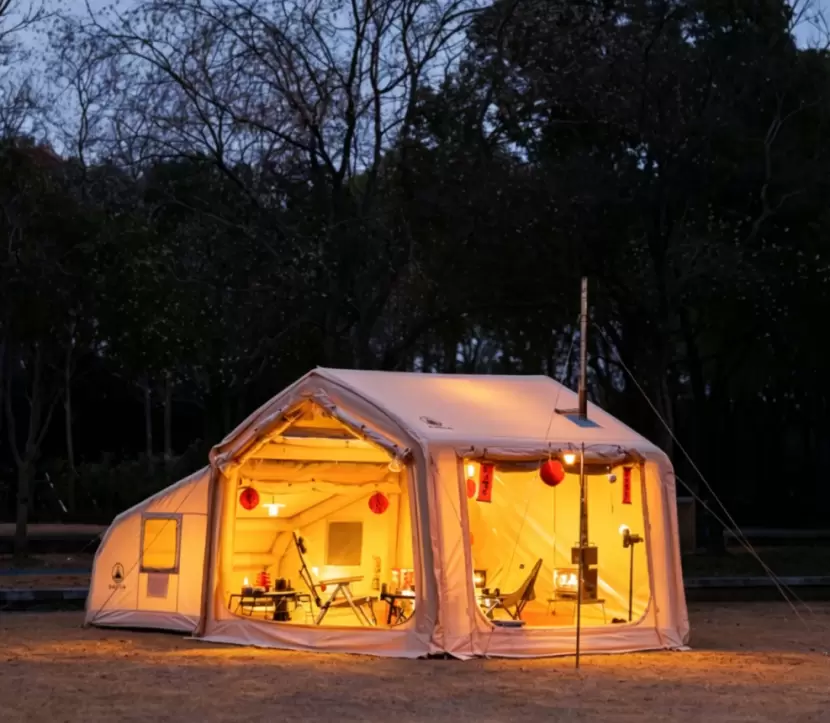
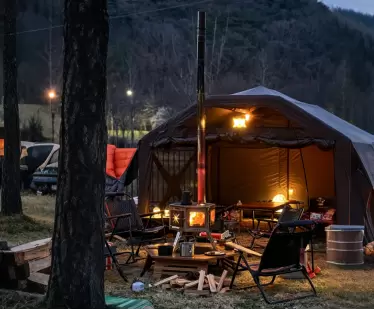
Image Suggestion: A high-quality lifestyle image featuring a snowy winter camping scene. Focus on a hot tent with a customized stove inside; the exterior chimney—clearly displaying a laser-engraved brand logo—is emitting a steady plume of smoke. The lighting should highlight the contrast between the cold snow and the warm firelight, emphasizing professional-grade gear and a cozy atmosphere.
Core OEM Customization Options for Tent Stove Chimneys
When B2B procurement managers and outdoor brands evaluate a manufacturing partner, the depth of technical customization options is often the deciding factor. Tent stove chimneys are critical for thermal efficiency and user safety, making precise engineering paramount. By understanding the core options in tent stove accessories customization, brands can optimize their product lines for specific target audiences.
Precision Customization of Dimensions, Diameter, and Length
A chimney’s dimensions dictate its draft performance and compatibility with different tent stove jacks. As a leading OEM manufacturer, we offer complete flexibility in technical specifications:
Diameter: Standard options range from 2.36 inches (60mm) to 3.5 inches (89mm), but custom diameters can be engineered to match your proprietary stove exhaust ports perfectly.
Length: Total chimney height can be adjusted based on the intended tent wall height. We manufacture everything from compact 1.5-meter setups for ultralight shelters to extended 3-meter configurations for large canvas hot tents.
Material Thickness: Choose from 0.1mm ultra-thin titanium for maximum weight savings to 0.6mm heavy-duty stainless steel for long-term structural durability.
Structural Design: Roll-up vs. Nested Stove Pipes
The choice of chimney structure directly influences the product’s portability, setup speed, and target market. We provide two primary manufacturing solutions:
1. Rollable Stove Pipe (Ultra-Lightweight & Compact)
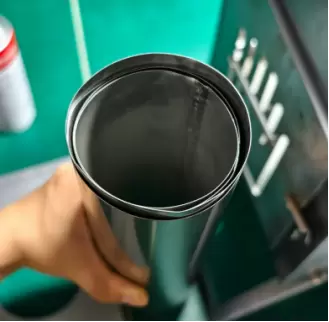
Constructed from flexible, high-tensile titanium (Grade 1 or Grade 2) or ultra-thin stainless steel, a rollable stove pipe can be flattened and rolled up horizontally for incredibly compact storage.
Best For: Fast-and-light backpackers, ultralight hunters, and minimalist winter campers.
OEM Advantage: We provide custom-engineered securing rings (cable ties or metal bands) and optimized material memory retention to ensure easy rolling and unrolling without kinking.
2. Nested Stove Pipe (Rigid & Quick Assembly)
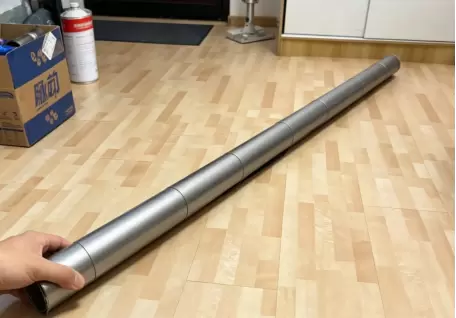
A nested stove pipe consists of multiple rigid, slightly tapered cylindrical segments that slide inside one another for storage, similar to a telescope.
Best For: Basecamp setups, car camping, heavy-duty canvas wall tents, and users prioritizing foolproof, rapid assembly.
OEM Advantage: We utilize high-precision CNC swaging machinery to ensure perfectly tapered joints. This guarantees a smoke-tight friction fit between segments without the risk of binding or stuck pieces under high heat thermal expansion.
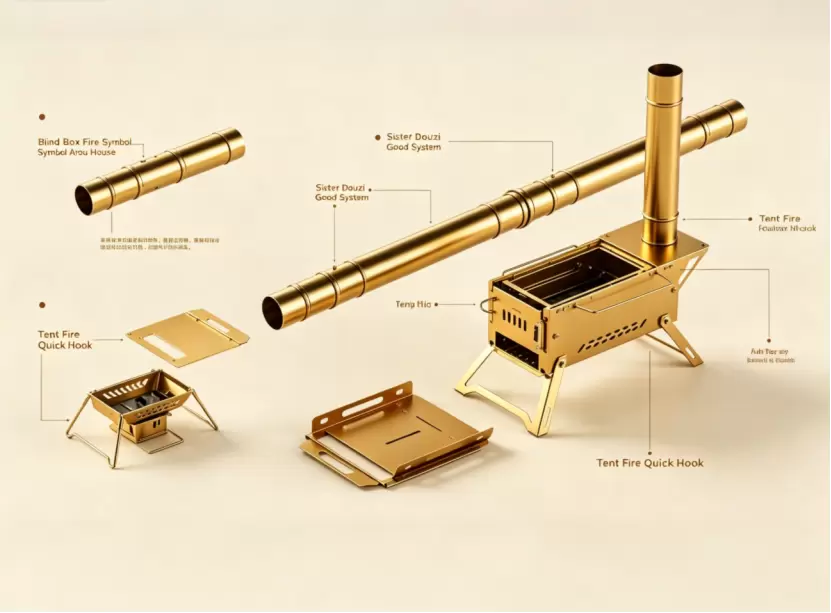
Graphic Suggestion:A clean, side-by-side technical comparison graphic. The left side showcases a sleek, ultra-thin rollable titanium stove pipepartially rolled up like a film canister, with an arrow highlighting its compact packing dimensions. The right side displays a rugged nested stainless steel stove pipe, with individual sections interlocking and an arrow pointing to the tapered joint mechanism, emphasizing rigid, quick-connect assembly.
Custom Design and Functional Optimization of Tent Stove Dampers
A high-performance tent stove relies heavily on its exhaust draft system. Effective tent stove damper design is essential for regulating heat output, extending firewood burn times, and ensuring absolute user safety in enclosed canvas shelters. For OEM clients, customizing this vital component is a prime opportunity to upgrade the user experience and highlight technical superiority.
Precise Combustion Airflow Control Mechanism
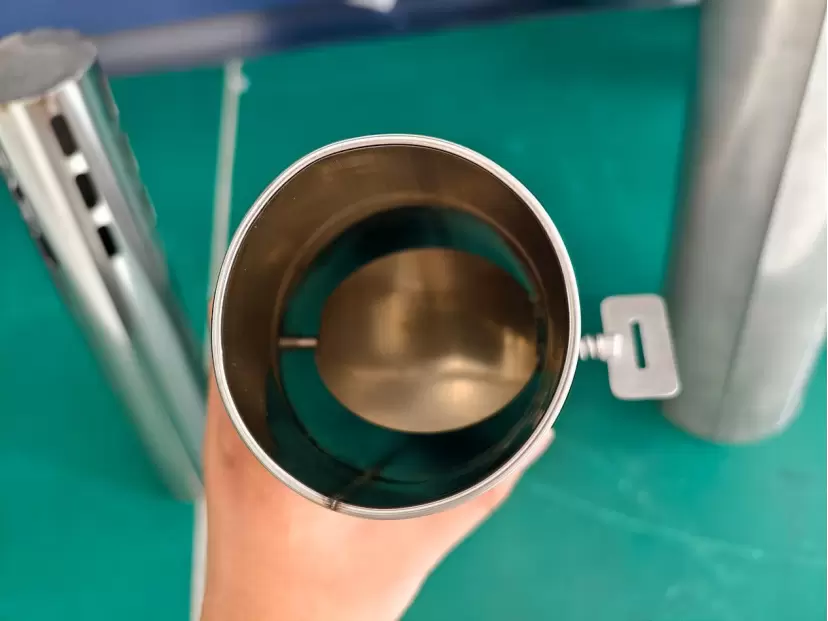
The damper acts as the stove's throttle. By manually adjusting the exterior handle, users change the angle of the internal baffle, mastering airflow control. A fully open baffle allows maximum draft for a fast, roaring fire, while a partially closed baffle restricts oxygen draw, creating a slow, highly efficient burn that can last through the night.
Through OEM customization, brands can engineer precision-milled baffles with exact tolerances. This ensures the mechanism rotates smoothly without binding, even under extreme high-heat thermal expansion. Additionally, brands can customize ergonomic, heat-resistant handles for safer operation.
Standalone Dampers vs. Integrated Chimney Dampers
Depending on the specific architecture of your stove system, we manufacture two distinct damper solutions to meet varying market needs:
Standalone Dampers: Most commonly paired with rollable titanium stove pipes. This is a separate, rigid tubular base section that connects the stove body to the flexible flue. It provides a sturdy, structural foundation for the chimney while remaining highly packable for ultralight hikers.
Integrated Chimney Dampers: Built directly into a rigid segment of a nested stove pipe system. This seamless, "all-in-one" design significantly speeds up the assembly process and reduces the number of loose parts, minimizing the risk of users losing crucial components in the snow.
Comparing Common Materials for Chimneys and Dampers
When outdoor brands evaluate OEM manufacturing options, the debate over Titanium vs Stainless Steel tent stove components is always at the forefront. Selecting the right material dictates the product's weight, lifespan, target demographic, and retail price. Here is a definitive breakdown of the two industry-standard metals.
304/316 Stainless Steel: Ultimate Durability and Cost-Effectiveness
Stainless steel (specifically 304 and marine-grade 316) is the reliable workhorse of the camping industry. It boasts exceptional structural integrity, resisting severe warping even under prolonged exposure to extreme, roaring fires. While it is noticeably heavier than titanium, it offers unbeatable cost-effectiveness. This makes stainless steel the perfect choice for heavy canvas hot tents, car camping, and long-term basecamp setups where rugged durability significantly outweighs the need to shed a few extra ounces.
Titanium: The Premier Choice for Lightweight Backpackers
For the fast-and-light demographic, titanium is the undisputed premium choice. It is roughly 45% lighter than stainless steel while maintaining incredible tensile strength and a superior melting point. Furthermore, titanium is virtually rust-proof and possesses a unique "shape memory," making it the only viable material for ultra-thin, rollable stove pipes. While raw material and CNC machining costs are significantly higher, titanium accessories command a premium price and strong brand loyalty in the ultralight hiking and alpine expedition markets.
Material Comparison Table (Infographic Reference)
Material | Weight (Lightness) | Heat/Warp Resistance | Rust/Corrosion Resistance | Cost-Effectiveness |
Stainless Steel | ★★☆☆☆ | ★★★★☆ | ★★★★☆ | ★★★★★ |
Titanium | ★★★★★ | ★★★★★ | ★★★★★ | ★★☆☆☆ |
OEM Customization Features that Elevate Tent Safety
When manufacturing heating equipment for enclosed spaces, tent safety is the absolute highest priority. For outdoor brands, offering products with compromised safety mechanisms can lead to disastrous user experiences and severe brand damage. By leveraging OEM customization, brands can engineer advanced, tailor-made safety features that protect both the camper and the expensive tent fabric.
Customizing Mesh Density for Spark Arrestors
A spark arrestor is a crucial safety component installed at the very top of the chimney. Its primary job is to catch flying embers before they land on the tent canopy and burn holes through it. However, designing the perfect spark arrestor requires precise engineering. If the mesh is too wide, sparks escape; if it is too fine, it quickly clogs with soot and creosote, choking the stove's airflow and pushing dangerous smoke back into the tent. Through OEM customization, brands can specify the exact mesh density and structural shape (such as a dome or cylinder) optimized for their stove’s specific draft velocity and the typical wood types used by their target audience.
Integrated Designs for Heat Shields and Stove Jacks
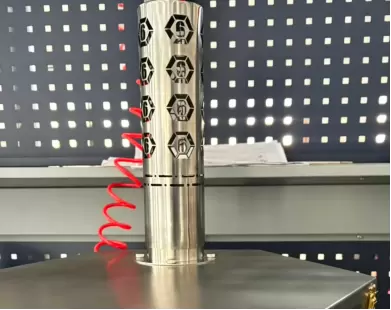
The point where the blazing-hot chimney exits the tent canopy is the most vulnerable area. To prevent the fabric from melting or catching fire, a robust barrier is required. OEM manufacturers can produce customized heat shields (double-wall ventilated pipe sections) that seamlessly integrate with standard stove jacks. By customizing the exact diameter and ventilation hole patterns of the heat shield, brands ensure maximum heat dissipation. This guarantees a secure, snug fit that keeps the elements out while maintaining a cool-to-the-touch exterior, providing campers with absolute peace of mind through the night.
Surface Treatment and Brand Logo Customization Options
For B2B buyers and outdoor equipment companies, building a recognizable brand identity is just as important as the product's functionality. When sourcing a custom logo tent stove, professional surface treatment and tailored branding techniques are the crucial finishing touches that elevate a standard OEM component into a premium, highly coveted brand asset.
Laser Engraving and Stamping Processes
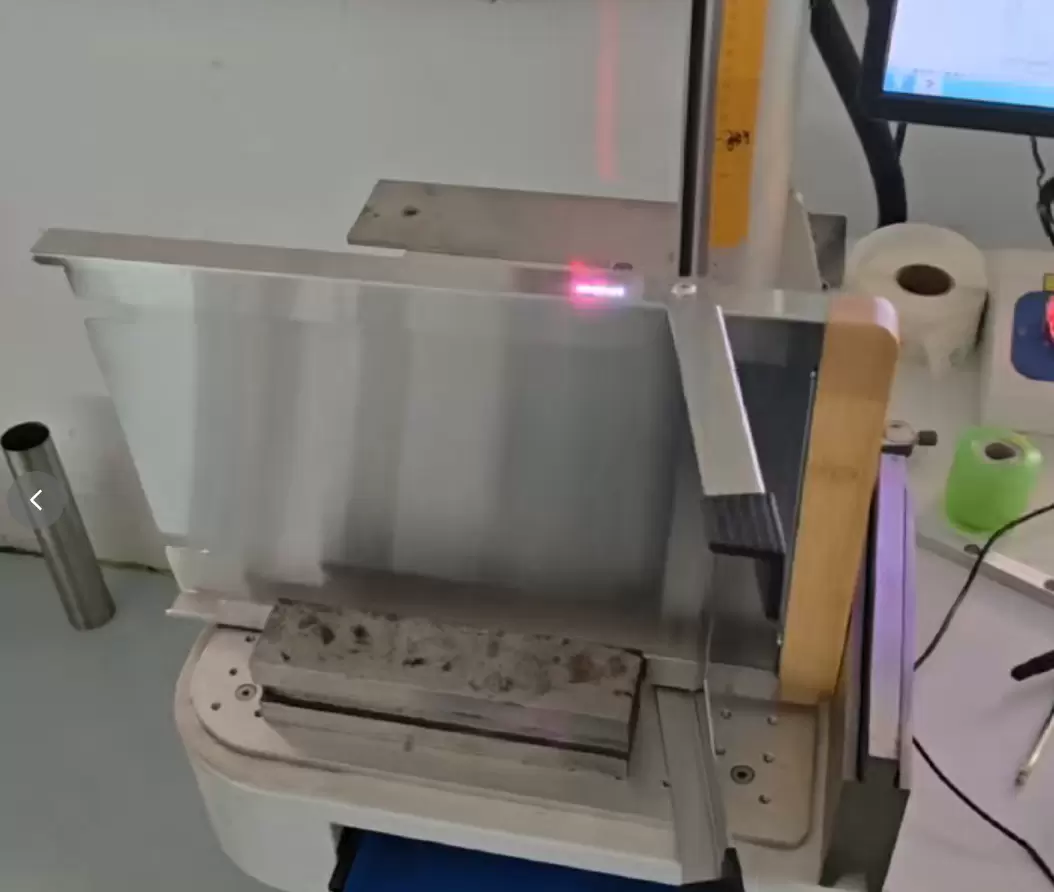
We offer precision branding solutions to ensure your logo stands out in the wild. Laser engraving is a highly popular choice, providing a sleek, high-contrast, and permanent mark that will not fade or distort under extreme heat—making it ideal for ultra-thin titanium pipes and damper handles. Alternatively, for a more tactile and rugged aesthetic, we offer mechanical stamping (embossing or debossing) on thicker stainless steel components, giving your outdoor gear a heavy-duty, classic industrial feel.
High-Temperature Coatings Options
While bare metal has its appeal, advanced surface treatments significantly enhance both durability and style. We offer specialized high-temperature coatings tailored for extreme environments. Options include heat-resistant matte black paint (formulated to withstand up to 1200°F/650°C without peeling) and titanium anodizing, which creates unique, iridescent color profiles. These treatments not only provide superior resistance against rust and corrosion but also establish a distinct visual identity for your product line.
The OEM Production Process for Tent Stove Accessories: From Concept to Final Product
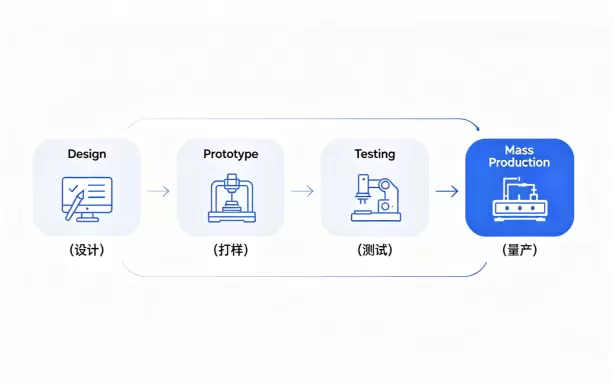
Choosing the right manufacturing partner is about more than just competitive pricing; it is about trusting a proven, standardized engineering methodology. For B2B buyers, understanding a manufacturer's workflow is the key to minimizing risk and ensuring on-time delivery. Here is our comprehensive OEM production process, designed to transform your initial concept into a market-ready, high-performance product.
Requirement Communication and CAD Design
Every successful product begins with crystal-clear communication. Our engineering team collaborates directly with your product managers to understand your specific market needs, target price points, and desired functionalities. Using advanced 3D CAD modeling software, we translate your ideas into precise technical blueprints. During this phase, we lock in critical specifications, including material thickness, damper mechanisms, chimney diameters, and required manufacturing tolerances, ensuring absolute compatibility with your existing tent stove line.
Prototyping and Extreme Heat Testing
Before any mass production begins, we move to the prototyping phase. We create a fully functional physical sample of the customized chimney or damper for rigorous evaluation. The most critical step here is extreme heat testing. We subject the prototype to sustained, high-temperature simulated burns (often exceeding typical campfire temperatures) to evaluate metal expansion, structural warping, and draft efficiency. This guarantees that a titanium roll-up pipe won't crease permanently, or a nested damper won't bind and get stuck under extreme thermal stress.
Mass Production and Strict Quality Control (QC)
Once the prototype is officially approved, we initiate mass production utilizing high-precision CNC machinery and automated stamping lines to ensure batch-to-batch consistency. However, manufacturing is only half the battle. Our facility enforces a strict Quality Control (QC) protocol. Every batch undergoes rigorous inspections, including precise dimensional checks, joint friction tests for nested pipes, and thorough edge deburring to ensure there are no sharp edges that could cut a user's hands in the freezing cold. Only flawless components make it to the final packaging stage.
How to Evaluate and Choose a Reliable OEM Manufacturer?
For outdoor brands, finding a dependable B2B camping gear supplier is the foundation of a successful product line. Knowing exactly how to choose a tent stove manufacturer minimizes procurement risks and builds long-term supply chain stability. When vetting potential factory partners, B2B buyers should prioritize these two critical factors to ensure a seamless manufacturing experience.
Capacity Evaluation and Lead Time Guarantee
A manufacturer’s ability to scale production directly impacts your brand's sales cycle. During the peak winter camping season, supply chain delays can be disastrous. It is essential to thoroughly assess a factory's actual production capacity—look for facilities equipped with advanced CNC machinery, automated stamping lines, and an experienced workforce. A reliable OEM partner will provide transparent, contract-backed lead time guarantees, ensuring your custom stove accessories are manufactured and shipped well before your crucial seasonal market launch windows.
International Quality Certifications (e.g., ISO, CE) and Compliance
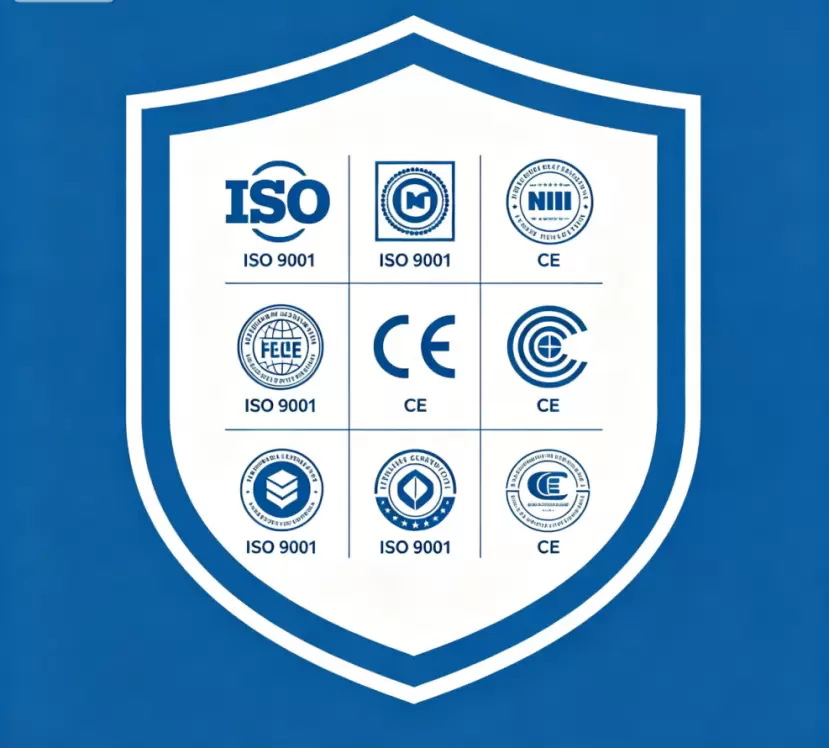
In the B2B manufacturing sector, trust must be built on verified compliance. Because heating equipment inherently carries safety risks, strict quality control is non-negotiable. Always prioritize manufacturers holding international certifications such as ISO 9001, which demonstrates a standardized, rigorously audited quality management system. Furthermore, compliance certifications like CE indicate that the factory’s products meet strict European safety, health, and environmental protection requirements, granting your brand frictionless access to global premium outdoor markets.
Future Trends in Tent Stoves and Accessories
For forward-thinking outdoor brands, staying ahead of industry trends is the key to securing long-term market dominance. As camper expectations evolve, the demand for smarter, cleaner, and more adaptable heating solutions is driving the next wave of product innovation. By partnering with a visionary OEM manufacturer, brands can future-proof their product lines and establish themselves as industry leaders.
Modular and Quick-Release Design Trends
The modern camper prioritizes efficiency and versatility. We are seeing a massive shift toward modular tent stove accessories featuring tool-less, quick-release mechanisms. This design philosophy allows users to seamlessly transition a single stove core between different setups—such as swapping a heavy-duty nested chimney for a canvas wall tent to a lightweight rollable pipe for an alpine backpacking trip. For brands, modularity translates into significant upselling opportunities; you can sell a reliable base unit alongside a highly profitable ecosystem of interchangeable, custom-fit dampers, side ovens, and water tanks.
High-Efficiency Secondary Combustion Exhaust Systems
Environmental consciousness and thermal efficiency are shaping the future of winter camping. The next generation of premium gear will heavily feature secondary combustion tent stoves and intelligently designed exhaust systems. By engineering specialized dual-wall air intake channels within the stove body and lower chimney segments, these systems introduce pre-heated oxygen to reignite unburned exhaust gases. This results in maximum heat output, drastically reduced firewood consumption, and a nearly smokeless burn that minimizes dangerous creosote buildup. For OEM buyers, investing in this technology means offering a cleaner, safer, and highly advanced product that justifies a top-tier retail price.
Frequently Asked Questions (FAQ)
Q1: What is the typical Minimum Order Quantity (MOQ) for OEM custom chimneys and dampers?
The Minimum Order Quantity (MOQ) heavily depends on the materials and the complexity of the manufacturing process. For standard 304/316 stainless steel nested stove pipes and dampers, the MOQ typically ranges from 200 to 500 units. For premium, ultra-thin titanium rollable chimneys—which require specialized sourcing and precision laser cutting—the MOQ can often be negotiated starting at 100 units, allowing outdoor brands to test the market with lower upfront risk.
Q2: How long does it usually take from confirming the drawings to receiving the first physical sample?
Once our engineering team and your product managers officially approve the 3D CAD drawings, the prototyping phase begins immediately. For standard modifications (like custom lengths or laser-engraved logos), you can expect the first physical sample within 7 to 10 business days. If the design requires entirely new tooling or complex stamping molds for a proprietary damper mechanism, the sample lead time is generally 15 to 25 business days.
Q3: Can you provide windproof and snowproof chimney cap designs for extreme climates?
Absolutely. For extreme alpine or winter expedition environments, standard spark arrestors are not enough. We engineer specialized, heavy-duty directional chimney cowls and snow-shielding caps. These OEM designs prevent heavy snowfall from clogging the flue and utilize aerodynamic principles to prevent high-altitude winds from creating a downdraft, ensuring the stove continues to draw efficiently and safely in blizzard conditions.
Q4: If I don't have CAD design drawings, can you still provide design support?
Yes. You do not need in-house engineers to start an OEM project. Our experienced R&D team offers comprehensive design support. You can simply provide us with a rough sketch, a reference sample, or just a list of functional requirements (e.g., "We need a lightweight titanium damper that fits a 60mm stove jack"). We will handle the 3D modeling, structural engineering, and tolerance calculations, turning your concept into a fully manufacturable product.


 en
en ja
ja ko
ko zh
zh es
es ru
ru fr
fr ar
ar pt
pt tr
tr nl
nl it
it de
de

 RELATED MAGAZINE









 Leave a Message