The booming outdoor market makes selecting the right material for camping stoves a critical strategic decision. Choosing between Titanium and Stainless Steel directly impacts product pricing, target customer personas, Bill of Materials (BOM) costs, shipping logistics, and user experience.
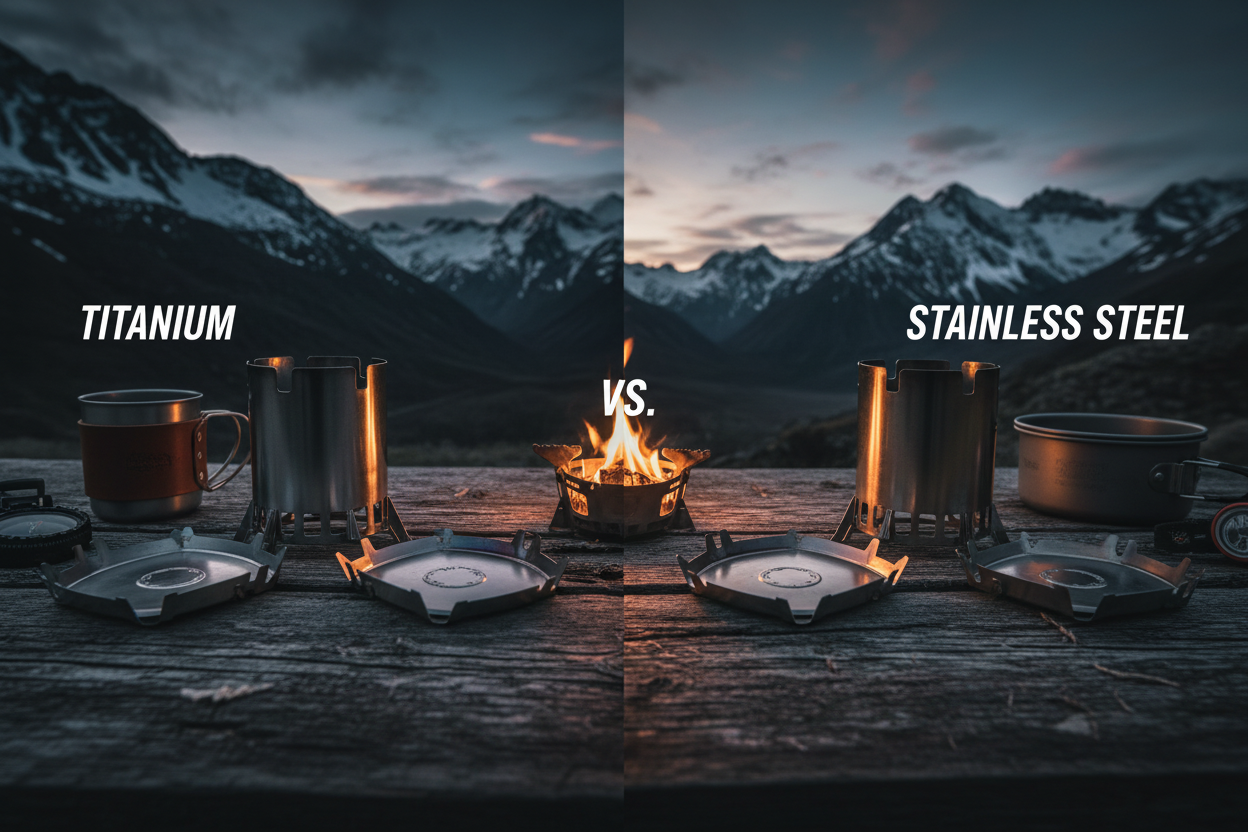
Introduction: The Strategic Importance of Material Selection
Selecting raw materials for camping stoves requires balancing thermal stress, durability, and weight. Your material choice determines:
Pricing and Margins: Titanium commands premium retail prices with higher per-unit margins; stainless steel drives mass-market volume.
Brand Positioning: Titanium signifies high-tech ultralight innovation, while stainless steel conveys rugged reliability.
Supply Chain Efficiency: Raw material costs, machining complexity, and freight expenses stem directly from this choice.
Understanding core metallurgy helps in negotiating with manufacturing partners:
Titanium Alloys (e.g., Grade 1 / Grade 2): Density of 4.51 g/cm³ (~56% of steel). High strength-to-weight ratio, exceptional corrosion resistance, and develops a distinct blue-purple heat patina.
Stainless Steel Alloys (e.g., 304 / 316 / 430): Density of 7.93 g/cm³. Superior structural rigidity, high thermal capacity, excellent deformation resistance, and favorable cost per kilogram.
Weight and Portability: Lightweight Engineering
Weight is critical for backcountry hikers and hunters:
Titanium: The ultralight gold standard. Enables folding stoves weighing under 500 grams without compromising packability.
Stainless Steel: Inherently heavier, though weight can be optimized using thin-gauge stamping and clever folding frames.
Sourcing Tip: Choose titanium if buyers track gear down to the gram; choose stainless steel if folded pack volume matters more than absolute weight.
Thermal Conductivity and Efficiency
Thermal performance dictates boil speeds, cooking control, and fuel consumption:
Titanium: Transfers heat rapidly through thin walls (0.3mm–0.5mm), ideal for quick water boiling. However, lower thermal conductivity can create localized hot spots during delicate cooking.
Stainless Steel: Retains heat longer and distributes thermal energy evenly, making it superior for simmering, baking, and sustained shelter heating.
Fuel Efficiency: Stainless steel fireboxes retain radiant heat longer, whereas titanium cools quickly once flames die down.
Durability, Corrosion Resistance, and Deformation
Stoves endure extreme heat cycles and environmental exposure:
Deformation: Thin titanium panels (especially rollable stovepipes) can warp under sustained intense heat if unreinforced. Stainless steel maintains structural flatness much better.
Corrosion: Titanium naturally forms a protective oxide layer that will never rust. Stainless steel (304/316) offers excellent rust resistance but requires drying after wet trips.
Manufacturing & Processing Complexity
Manufacturing processes differ significantly between materials:
Titanium Processing: Requires specialized TIG welding with argon shielding to prevent contamination and brittleness. Tooling wear is higher during machining.
Stainless Steel Processing: Highly standardized stamping, bending, and laser cutting with lower tooling costs.
OEM Audit: Ensure titanium OEMs operate clean, dedicated workshops with certified welding technicians.
Cost Analysis and Procurement Budgeting
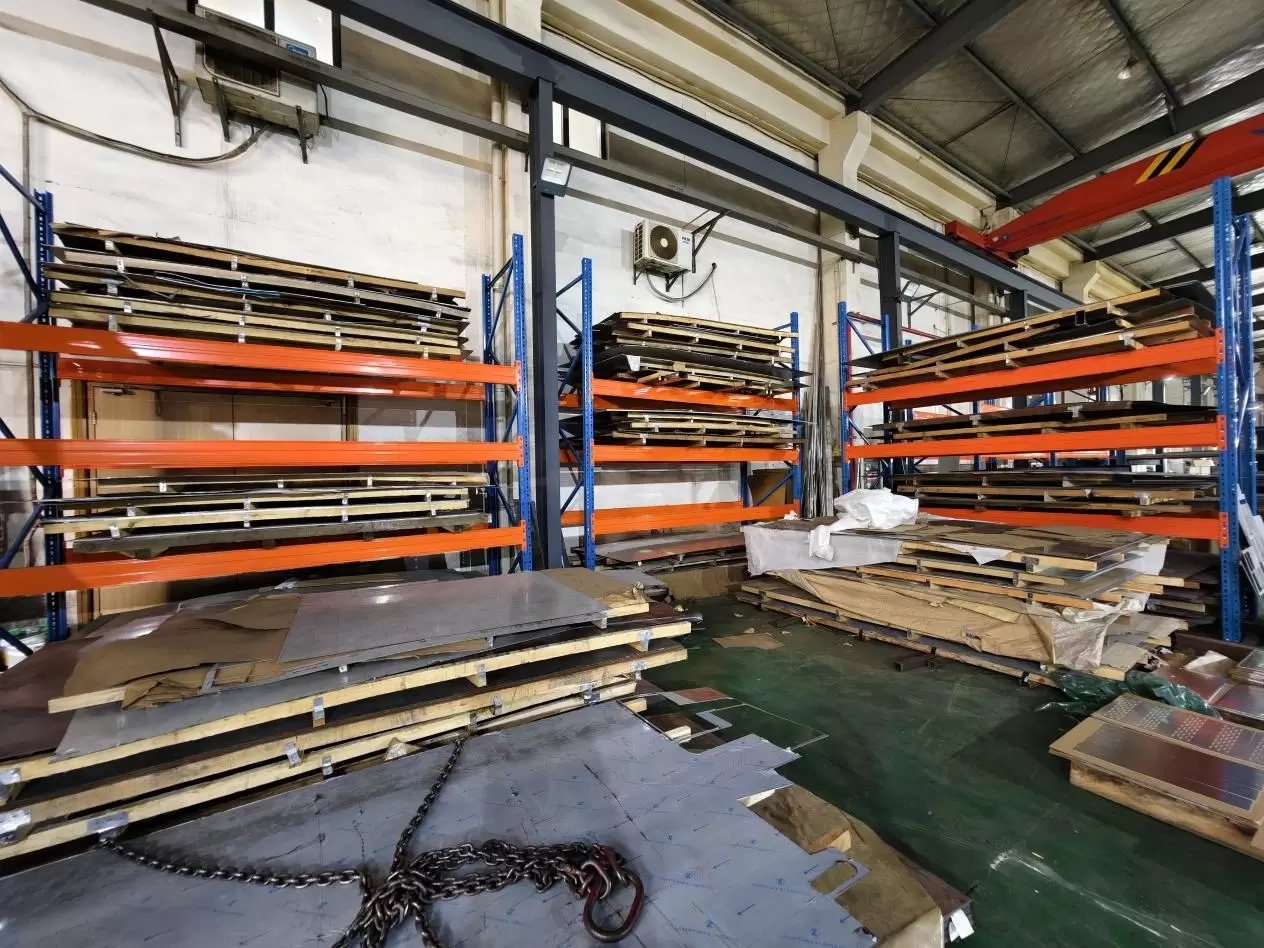
BOM Costs: Titanium raw sheets are exponentially pricier than stainless steel, increasing upfront production costs.
Retail Pricing: Titanium stoves ($150–$400+) yield high per-unit margins. Stainless steel stoves ($30–$120) maximize revenue through high-volume sales.
Logistics: Lighter titanium products lower air and ocean shipping costs, offsetting some manufacturing expenses.
Target Audience Alignment

Match your product line to buyer personas:
Ultralight Backpackers: Demand Titanium for maximum weight savings and premium prestige.
Family & Glamping Campers: Prefer Stainless Steel for affordability, durability, and cooking stability.
Hybrid Strategy: Offer a mass-market stainless steel core model alongside a high-margin titanium version.
Sustainable Sourcing and Supply Chain Stability
Supply Risk: Titanium prices fluctuate with aerospace and defense demand. Stainless steel supply chains are broader and more stable.
ESG Compliance: Both metals are 100% recyclable, fitting modern sustainable procurement standards.
Redundancy: Maintain backup suppliers to mitigate material price spikes.
Conclusion and Decision Matrix
Choose Titanium if: Target users are ultralight backpackers, high retail pricing/margin is desired, and minimal product weight is paramount.
Choose Stainless Steel if: Launching an entry-level line, prioritizing even cooking and anti-warping, or targeting mass-market campers.
Hybrid Approach: Use stainless steel for the structural firebox frame and titanium for legs, cooktops, or chimney pipes.
Frequently Asked Questions (FAQ)
Which material offers a higher profit margin?
Answer: Titanium offers higher per-unit profit margins due to premium pricing. Stainless steel yields stable total cash flow through higher sales volume.
Is a titanium stove pipe prone to heat deformation?
Answer: Yes, thin titanium foil chimney pipes (0.1mm–0.2mm) can deform under extreme heat or wind. Structural support rings help prevent warping.
Can we combine Titanium and Stainless Steel in one stove?
Answer: Yes, hybrid designs are popular. Combining a stainless steel firebox frame with titanium legs and stovepipe optimizes weight, durability, and cost.
What is the typical MOQ difference between materials?
Answer: Titanium stoves typically have lower MOQs (50–200 units) due to small-batch processing. Stainless steel stoves require higher MOQs (300–1,000 units) to offset die-stamping setup costs.


 en
en ja
ja ko
ko zh
zh es
es ru
ru fr
fr ar
ar pt
pt tr
tr nl
nl it
it de
de


 RELATED MAGAZINE








 Leave a Message