When evaluating portable tent wood stove pricing in 2026, outdoor enthusiasts and commercial buyers face a complex landscape where cost intersects with critical factors like thermal efficiency, safety certifications, and material durability. Understanding the price structure behind these heating solutions requires examining not just the initial purchase price, but the total value proposition that determines long-term performance in extreme environments.
Understanding the Portable Tent Wood Stove Market Landscape
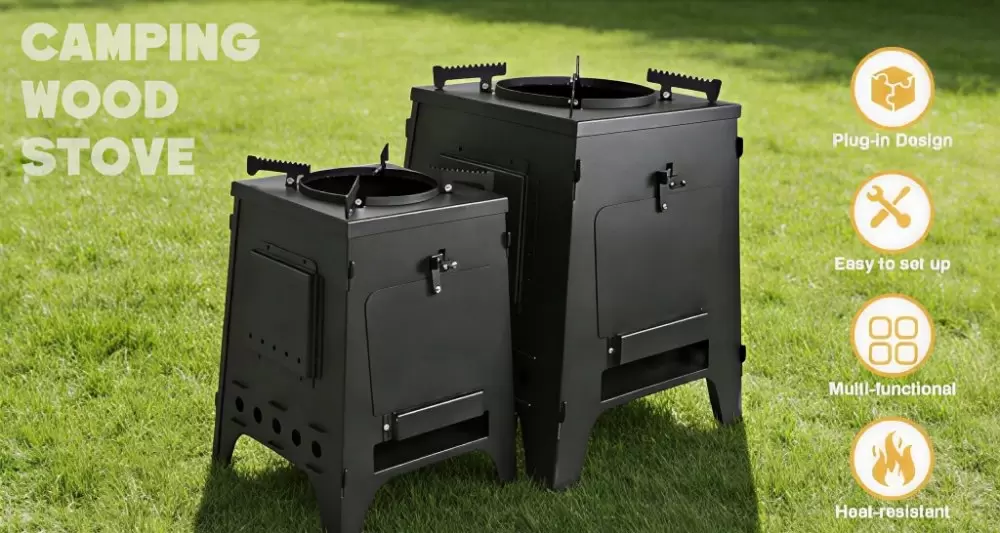
The portable tent wood stove market has evolved significantly, driven by growing demand from hot tent camping enthusiasts, glamping operators, RV travelers, and off-grid adventurers. Today's buyers increasingly prioritize three core attributes: smoke-free operation, rapid heat output, and compact portability. These performance demands directly influence pricing structures across different product tiers.
Industry data reveals that traditional wood stoves often compromise between high-performance heating and compact portability, leading to issues with excessive smoke, inconsistent heat distribution, and bulky storage requirements. These pain points have created market opportunities for manufacturers who can deliver advanced engineering solutions while maintaining competitive pricing.
Key Factors Influencing Tent Wood Stove Pricing
Several critical elements determine the price positioning of portable tent wood stoves in the current market:
Material Composition and Durability
Premium models utilize aviation-grade titanium alloy or thickened 3.0mm 304 food-grade stainless steel, which command higher price points but deliver superior corrosion resistance and longevity. Carbon steel options provide budget-friendly alternatives for less demanding applications. The material choice directly impacts both initial cost and lifecycle value, particularly for users in harsh environments like desert conditions or extreme cold.
Combustion Technology Integration
Advanced secondary combustion systems represent a significant pricing differentiator. Stoves equipped with secondary air intake mechanisms can reduce smoke output by up to 80% while increasing heat output by 20% to 45% compared to conventional designs. This engineering sophistication adds manufacturing complexity but delivers measurable performance improvements that justify premium pricing for serious outdoor users.
Safety Certifications and Compliance
Professional-grade tent stoves certified under rigorous standards like CE EN 13240 (European Standard for Solid Fuel Local Space Heaters) typically carry higher price tags. These certifications validate critical safety parameters including emission levels, structural integrity under thermal stress, and combustion efficiency. For commercial applications such as glamping operations, these certifications often represent non-negotiable requirements that influence purchasing decisions beyond price considerations alone.
Chimney Design and Smoke Management
Innovative chimney configurations, particularly inverted chimney designs with interlocking anti-leak joints, address common issues like creosote oil leakage and smoke intrusion into tent spaces. These engineered solutions prevent dangerous situations while maintaining clean interior environments, adding value that extends beyond the base stove price.
INBESTCAMP's Approach to Value-Driven Pricing
Suzhou Tuoshenghe Mechanical and Electrical Technology Co., Ltd., operating under the INBESTCAMP brand, exemplifies a vertically integrated manufacturing approach that balances advanced engineering with competitive pricing. With 15 years of specialized expertise in mechanical and electrical technology, the company operates a 5,000㎡ intelligent factory equipped with robotic welding and laser cutting systems, enabling precision manufacturing at scale.
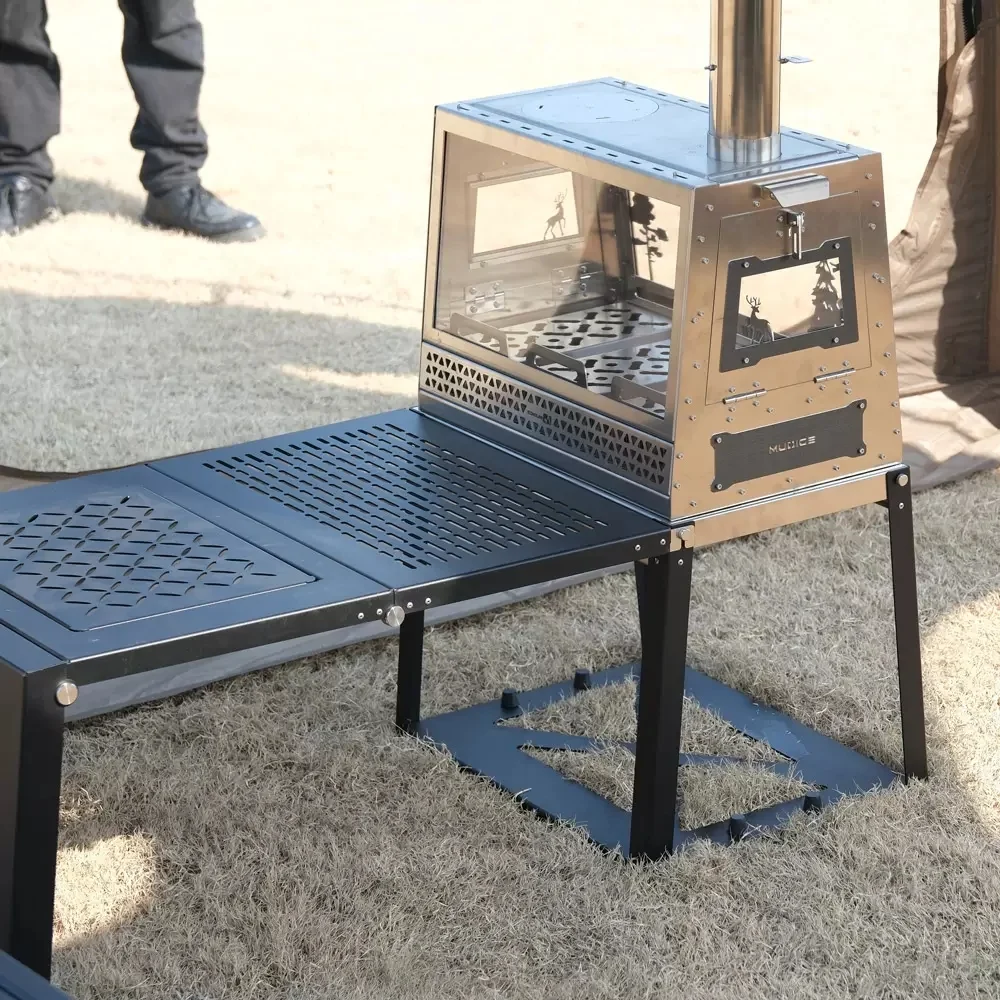
The company's Premium Tent Wood Stove line demonstrates how integrated R&D and manufacturing capabilities translate into tangible value propositions. Key features include:
Secondary Air Intake Systems that maximize wood-burning efficiency through controlled combustion processes, dramatically reducing smoke emissions while increasing heat output. This patented technology addresses the fundamental challenge that drives many buyers toward premium pricing tiers.
Inverted Chimney Design incorporating interlocking joints that prevent creosote leakage and maintain smoke containment within the chimney system. This engineering approach ensures safe tent environments without requiring constant maintenance interventions.
Customizable Material Options spanning stainless steel, titanium, and carbon steel configurations, allowing buyers to match price points with specific weight requirements and durability expectations. This flexibility enables both budget-conscious buyers and premium-seeking customers to find appropriate solutions within a single manufacturer's portfolio.
The company's certification as the first Chinese enterprise to pass CE EN 13240 standards demonstrates a commitment to European safety benchmarks that many budget manufacturers cannot match. Additionally, compliance with GB 4806.9 (National Food Safety Standard for Food Contact Metal Materials) ensures that cooking applications meet rigorous health standards.
Price-to-Performance Considerations for Different User Segments
Different buyer categories evaluate tent wood stove pricing through distinct value frameworks:
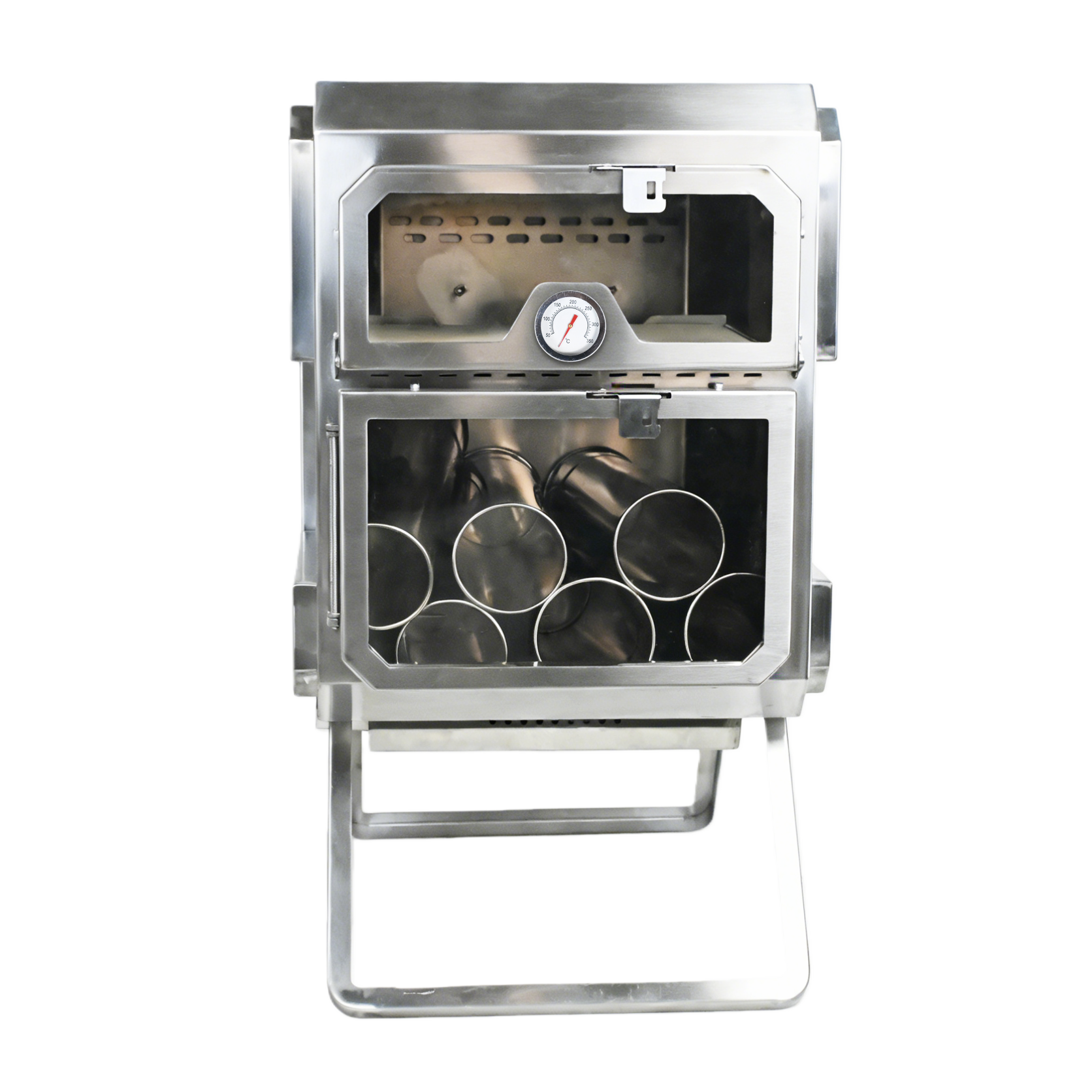
E-commerce Sellers and Amazon FBA Operators prioritize products with high conversion potential, low shipping footprints, and strong visual presentation. For this segment, stoves with collapsible designs and flat-pack storage configurations reduce logistics costs substantially, improving overall profitability despite potentially higher unit costs. The ability to source from manufacturers with 7-day rapid prototyping capabilities and 127 patents in thermal technology provides competitive differentiation in crowded marketplaces.
Glamping and Hospitality Operators require commercial-grade durability with minimal maintenance requirements. A Norwegian glamping collective case study demonstrates this value calculus: by implementing a panoramic social center stove design, operators achieved a 60% increase in single-product gross profit while extending their operational camping season. For these buyers, initial price premiums are offset by enhanced guest satisfaction scores and reduced equipment replacement cycles.
Extreme Environment Specialists including ice fishing enthusiasts and alpine explorers demand reliability in sub-zero conditions. Canadian ice fishing distributors working with precision-manufactured stoves featuring optimized airflow reported zero carbon monoxide incidents in tested tents, illustrating how advanced engineering justifies premium pricing through enhanced safety outcomes.
Geographic Price Variations and Logistics Considerations
Global buyers should factor logistics infrastructure into total cost calculations. Manufacturers with established overseas warehouse networks in strategic locations like Los Angeles, Hamburg, and Panama can significantly reduce shipping lead times and costs for regional buyers. This tri-hub logistics model enables localized stock availability, minimizing international shipping delays that often add 15-30% to landed costs.
For buyers in markets spanning North America, Europe, and Latin America, sourcing from manufacturers with regional warehousing capabilities transforms pricing dynamics by converting international purchases into quasi-domestic transactions with faster delivery and lower freight expenses.
Evaluating Long-Term Value Beyond Initial Price
The most sophisticated buyers evaluate portable tent wood stove investments through total cost of ownership models that extend beyond purchase price:
Fuel Efficiency Metrics: Stoves utilizing Venturi mixing principles and bionic thermodynamics optimize airflow patterns, reducing wood consumption per heating hour. Over a typical product lifecycle, these efficiency gains can offset initial price premiums through reduced fuel costs.
Maintenance Requirements: Designs incorporating self-cleaning secondary combustion and anti-creosote chimney systems minimize manual cleaning interventions, reducing operational labor in commercial settings or inconvenience for recreational users.
Warranty and Manufacturing Support: Manufacturers with integrated R&D teams of 20+ specialists and annual production capacities exceeding 500,000 units typically offer more robust warranty support and replacement part availability compared to smaller operations, protecting buyer investments over multi-year usage periods.
Making Informed Purchasing Decisions in 2026
As the portable tent wood stove market continues evolving, buyers benefit from increased transparency around performance specifications and safety certifications. The key to optimal purchasing lies in matching specific use case requirements with appropriate technology levels and material choices.
For recreational users prioritizing weekend camping trips in moderate climates, mid-tier carbon steel options with basic secondary combustion may provide adequate performance at attractive price points. Conversely, commercial operators, extreme environment specialists, and users in regions with strict emission regulations should prioritize certified systems with advanced smoke reduction and premium materials, viewing higher initial costs as investments in safety, performance, and regulatory compliance.
The emergence of manufacturers combining patented thermal technologies, international safety certifications, and flexible material options has created unprecedented value opportunities for buyers willing to evaluate total performance rather than focusing exclusively on initial purchase price. Companies like INBESTCAMP, with their vertical integration from R&D through intelligent manufacturing and global logistics networks, exemplify how modern outdoor equipment suppliers can deliver professional-grade performance in portable formats while maintaining competitive pricing structures.
Ultimately, the "best" price for a portable tent wood stove depends entirely on the specific requirements of the application, the regulatory environment of the usage location, and the buyer's prioritization of factors like weight, durability, and thermal efficiency. By understanding the engineering and certification elements that drive pricing variations, buyers can make informed decisions that optimize value across their expected usage lifecycle rather than simply minimizing upfront expenditure.


 en
en ja
ja ko
ko zh
zh es
es ru
ru fr
fr ar
ar pt
pt tr
tr nl
nl it
it de
de


 RELATED MAGAZINE








 Leave a Message