Challenges of Sea Freight for Bulk Orders
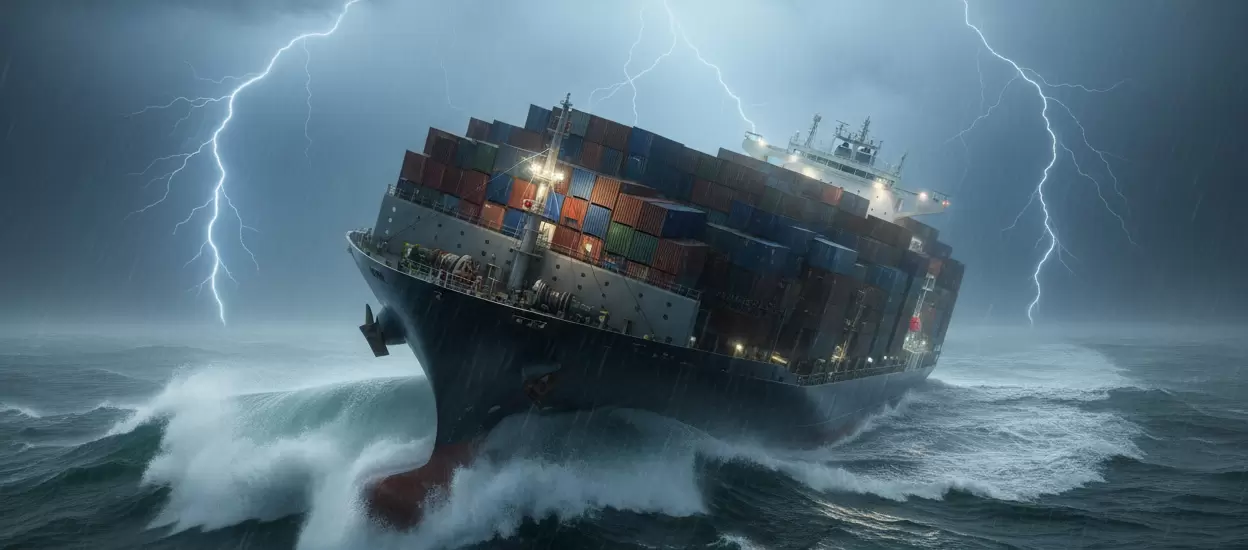
Sea freight remains the backbone of global trade, but it presents some of the most unforgiving environments for cargo. During transit, bulk shipments endure extreme humidity, temperature fluctuations, persistent vessel vibration, and harsh wave impacts. Furthermore, high-density container stacking places immense pressure on lower-level packaging. When packaging fails, the results go beyond broken goods—they lead to delayed supply chains, costly return claims, and damage to brand reputation. Ensuring that packaging passes rigorous testing is not just a safety precaution; it is a fundamental promise of reliability to global buyers.
Understanding Drop Testing and Industry Standards
A drop test is a standardized quality assurance procedure that simulates the impacts, drops, and rough handling a package might experience during transit. The goal is to evaluate whether the packaging can protect the product from physical damage. Internationally recognized standards, such as ISTA 1A/2A (International Safe Transit Association) and ASTM guidelines, dictate specific test protocols. These standards define exact drop heights, orientation angles, and repetition cycles based on the product's total weight, dimensions, and fragility level. Passing these tests proves that a packaging design is ocean-ready.
Interior Packaging: Custom Cushioning and Shock Absorption
The first line of defense begins inside the carton. Effective interior packaging prevents movement and absorbs kinetic energy before it reaches the product. Depending on the cargo type, customized materials are deployed:
Expanded Polyethylene (EPE) foam for precision cushioning and scratch prevention
Heavy-duty bubble wraps and air-lock films for lightweight shock absorption
Recyclable honeycomb paperboard for high-rigidity support
By using tailored structural inserts and void-fill strategies, products remain firmly anchored inside their boxes, eliminating internal shifting during vessel rolling.

Exterior Packaging: Reinforced Master Cartons and Moisture Barriers
Outer packaging must withstand severe vertical pressure and high humidity levels. Bulk ocean shipments typically utilize high-grammage corrugated boxes, such as 5-ply (double-wall) or 7-ply (triple-wall) boards. Key technical metrics evaluated include:
Bursting Strength: Measuring the carton's resistance to rupturing under pressure.
Edge Crush Test (ECT): Measuring vertical stacking strength to prevent box collapse in tall container stacks.
Additionally, water-resistant coatings and internal moisture-barrier bags are applied to shield paperboard from absorbing ocean mist and humidity, which drastically weakens standard cardboard.
Palletization: Building a Stable Foundation for Cargo
Individual cartons must be consolidated into unified loads through professional palletization. Standardized export pallets—including heat-treated ISPM-15 wooden pallets or eco-friendly plastic and paper pallets—are selected based on weight and country regulations. Key practices include:
Scientific Stacking Patterns: Utilizing interlocking or aligned block methods to maximize load distribution and structural integrity.
Corner Protection: Applying high-density paper corner protectors (L-shape edge boards) along all vertical and horizontal edges to reinforce carton corners against strap tension and side impacts.
Strapping and Shrink Wrapping: Double Protection Against Cargo Shift
To ensure pallet loads remain intact through heavy seas, a dual-layer securing method is applied:
Industrial Stretch Wrap: Multiple layers of pre-stretched LLDPE film tightly bind the cartons to the pallet base while offering a dust- and splash-proof barrier.
High-Tensile Strapping: Heavy-duty PET or PP straps cross-bind the entire load to the pallet frame.
This unitization process creates a single, rigid block of cargo, preventing loose cartons from sliding, tipping, or separating during rough sea transport.
Container Loading Optimization: Preventing In-Transit Movement
Even well-palletized goods can suffer damage if they shift inside the shipping container. Container loading optimization focuses on full spatial efficiency and physical stabilization:
Weight Distribution: Balancing heavy loads evenly across the container floor to prevent vessel tilting or handling issues at port terminals.
Dunnage Airbags: Filling empty gaps between pallets with inflatable dunnage bags to absorb side-to-side forces and stop lateral movement.
Tie-Downs and Lashing: Utilizing heavy-duty ratchet straps and dunnage bars anchored to container lashing rings to secure the cargo face near the doors.
Real-World Testing: From Drop Tests to Simulated Sea Transit
Before mass production, packaging designs undergo a complete validation sequence in controlled lab environments:
Multi-Angle Drop Testing: Dropping loaded cartons on corners, edges, and flat faces from specified heights.
Vibration and Compression Testing: Simulating days of continuous engine vibration and container stacking pressure.
A successful test requires zero product damage, zero functional degradation, and intact structural integrity. Detailed inspection reports and video documentation are provided to buyers as verifiable proof of quality assurance.
Customized Packaging Solutions for Diverse Product Types
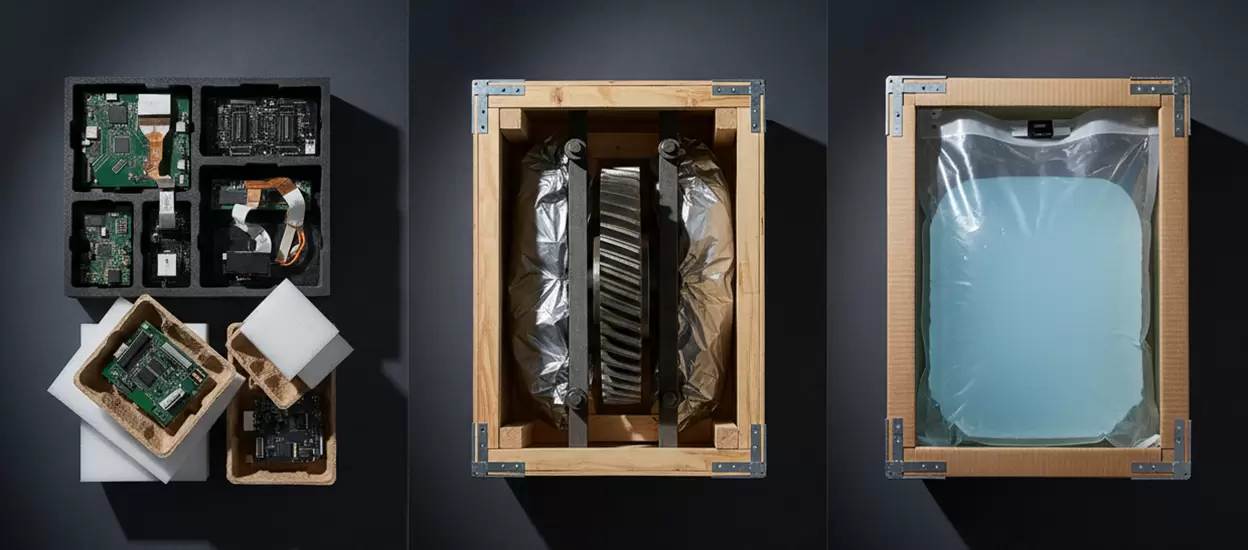
Different product categories demand tailored protection strategies:
Fragile Goods and Electronics: Anti-static foam inserts, molded pulp, and multi-layered impact barriers.
Heavy Machinery and Industrial Parts: Custom plywood crates, internal bolt-down anchor points, and anti-corrosion VCI (Volatile Corrosion Inhibitor) bags.
Liquids and Bulk Goods: Double-walled secondary containment, leak-proof liners, and reinforced outer frames.
Conclusion: Reliable Packaging Guarantees Safe Delivery
Overcoming the unpredictable conditions of sea freight requires precise engineering, rigorous testing, and continuous quality control. Passing the drop test is clear proof that bulk orders are built to survive the long journey from factory floor to destination warehouse. Investing in optimized ocean packaging lowers defect rates, eliminates costly transit delays, and protects customer trust. Partner with a supplier who prioritizes packaging engineering to secure your next ocean shipment.
Frequently Asked Questions (FAQ)
Q1: What is a ocean freight drop test, and why is it necessary?
A drop test simulates the impacts and drops a package experiences during loading, unloading, and transit. It is necessary to ensure the packaging structure and internal cushioning adequately protect the product from damage before sending bulk orders via sea freight.
Q2: Which international standards do you follow for drop testing?
Drop tests strictly adhere to recognized global standards such as ISTA 1A/2A and ASTM D5276. These standards specify precise drop heights, orientations, and sequences tailored to the shipment's weight and dimensions.
Q3: How do you prevent moisture damage to bulk cartons during long ocean transit?
Moisture protection involves applying water-resistant coatings to outer corrugated cartons, sealing products inside polyethylene moisture barrier bags, and placing industrial-grade desiccants inside boxes and containers to absorb ambient moisture.
Q4: Why is palletization required for sea freight bulk orders?
Palletization consolidates loose cartons into stable, unified loads. This improves forklift handling efficiency, minimizes manual handling damage, prevents individual box loss, and allows secure lashing inside shipping containers.
Q5: Can packaging and drop testing protocols be customized for specific buyer requirements?
Yes. Packaging designs, cushioning materials, and test protocols can be fully customized based on product sensitivity, weight, destination market regulations, and specific buyer quality standards.


 en
en ja
ja ko
ko zh
zh es
es ru
ru fr
fr ar
ar pt
pt tr
tr nl
nl it
it de
de


 RELATED MAGAZINE











 Leave a Message