Inventory planning is one of the most important factors influencing long-term success for Amazon sellers in the outdoor equipment market. Even an excellent product can struggle to generate sustainable sales if inventory levels are not managed correctly. Too little stock often results in lost Buy Box opportunities, declining search rankings, and disappointed customers, while excessive inventory increases storage fees, ties up capital, and creates unnecessary operational pressure.
For sellers focusing on the portable wood burning camping stove category, inventory planning requires even greater attention. Demand is highly seasonal, logistics can be affected by international shipping schedules, and manufacturing lead times must be coordinated carefully with Amazon FBA requirements. A well-structured inventory strategy not only improves operational efficiency but also creates a competitive advantage during peak camping seasons.
This guide shares practical inventory planning strategies that help Amazon sellers balance supply and demand, reduce risks, and maintain consistent product availability while building a profitable outdoor product business.
Understand Seasonal Demand Before Purchasing Inventory
Outdoor products rarely experience stable sales throughout the year. Demand for a portable wood burning camping stove usually follows seasonal camping activities, weather conditions, and holiday purchasing behavior. Sellers who understand these trends can prepare inventory before competitors begin replenishment.
Sales generally increase before spring camping activities, continue through summer outdoor adventures, and often reach another peak during autumn hunting, overlanding, and winter camping seasons. Major promotional events such as Prime Day, Black Friday, and holiday shopping campaigns also create noticeable demand spikes.
Instead of reacting after inventory begins to decline, experienced sellers forecast demand several months in advance. Historical sales data, advertising performance, keyword trends, and industry reports all provide valuable insights for estimating future inventory requirements.
Planning ahead allows sellers to secure manufacturing capacity earlier, reduce emergency shipping expenses, and maintain stable product availability throughout the busiest selling periods.
Build Accurate Sales Forecasts for Outdoor Stove Products
Reliable inventory planning begins with accurate forecasting rather than intuition. Forecasting should combine multiple data sources instead of relying on previous monthly sales alone.
Consider factors including:
• Historical sales performance
• Advertising campaign schedules
• Seasonal camping activities
• Product launch plans
• Competitor pricing changes
• Market expansion objectives
• New keyword rankings
A forecast should also include conservative, expected, and optimistic sales scenarios. This approach enables sellers to prepare flexible purchasing plans while reducing financial risks.
For sellers introducing a new camping tent wood burning stove, smaller initial orders combined with continuous sales monitoring often provide better inventory control than purchasing excessive stock before market demand has been verified.
Calculate Safety Stock Instead of Guessing
Unexpected events are common in international supply chains. Shipping delays, customs inspections, container shortages, factory scheduling adjustments, and sudden demand increases can all disrupt inventory plans.
Safety stock serves as a buffer against these uncertainties.
Rather than selecting an arbitrary quantity, calculate safety inventory using:
• Average daily sales
• Maximum daily sales
• Manufacturing lead time
• Ocean freight transit time
• Amazon receiving time
• Demand fluctuations
Many successful Amazon businesses maintain enough safety inventory to support several weeks of sales beyond their expected replenishment schedule. The appropriate amount depends on product turnover, supplier reliability, and logistics performance.
Maintaining reasonable safety stock significantly reduces the risk of stockouts without creating unnecessary warehouse expenses.
Select Manufacturing Partners That Support Flexible Inventory Strategies
Inventory planning depends heavily on manufacturing capabilities. Even excellent forecasting becomes ineffective if suppliers cannot maintain stable production schedules.
Professional manufacturers such as INBESTCAMP help Amazon sellers improve inventory management through consistent production planning, flexible customization, and dependable delivery schedules.
As an experienced ODM and OEM manufacturer specializing in multifunctional outdoor thermal equipment, INBESTCAMP offers stable monthly production capacity, flexible minimum order quantities, and customized manufacturing solutions that allow sellers to adjust purchasing plans according to actual market demand rather than fixed production limitations.
Its expertise in producing high-quality portable wood burning camping stove products also ensures consistent manufacturing quality across multiple production batches, reducing quality-related inventory losses and customer returns.
Choose Products That Reduce Logistics Costs
Inventory planning involves more than determining order quantities. Product design directly influences storage efficiency, shipping costs, and warehouse utilization.
Compact products provide significant operational advantages throughout the supply chain.
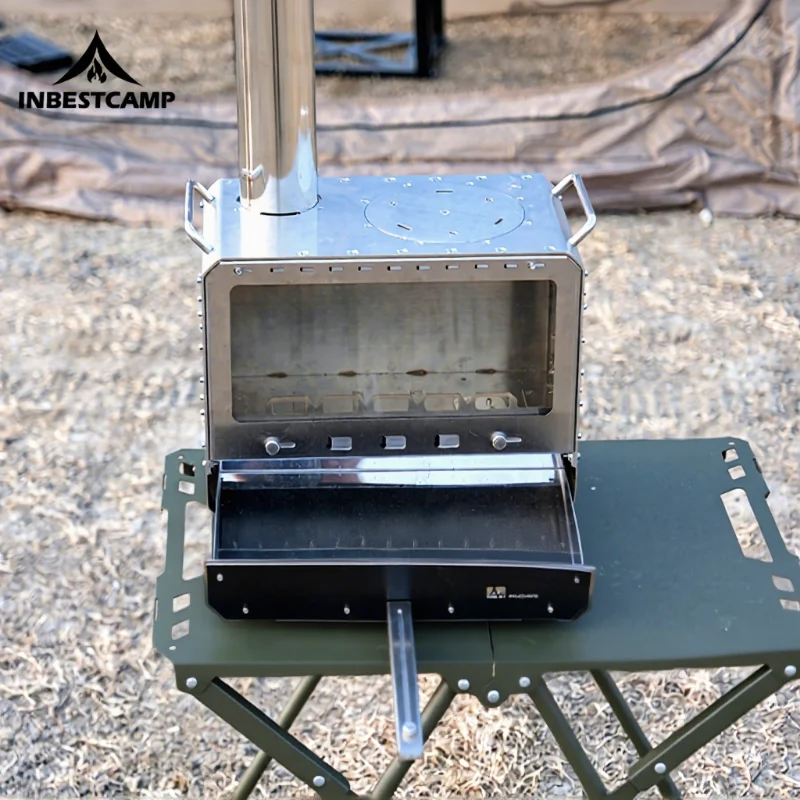
A well-designed foldable camping stove occupies less shipping volume than traditional fixed-frame stoves, allowing more units to fit inside each shipping carton and container. Improved packing density reduces freight costs while lowering Amazon FBA storage expenses.
Compact products also simplify warehouse operations, improve pallet utilization, and reduce handling complexity during international transportation.
When selecting products for Amazon, evaluating transportation efficiency should be part of every inventory planning decision.
Balance Replenishment Frequency with Cash Flow
Many new Amazon sellers either purchase excessive inventory or place frequent small orders that increase logistics costs.
An effective replenishment strategy balances inventory turnover with available working capital.
Consider the following factors together:
• Manufacturing lead time
• Freight schedules
• Amazon receiving delays
• Sales velocity
• Available warehouse capacity
• Cash flow requirements
Instead of ordering six months of inventory at once, many experienced sellers divide purchasing into multiple production batches while maintaining continuous manufacturing schedules.
This approach improves cash utilization, reduces inventory aging, and provides greater flexibility when market demand changes unexpectedly.
Prepare Inventory Earlier for Peak Camping Seasons
Peak outdoor seasons create intense competition for factory capacity, shipping containers, and warehouse appointments.
Waiting until sales begin increasing usually means production queues have already become longer.
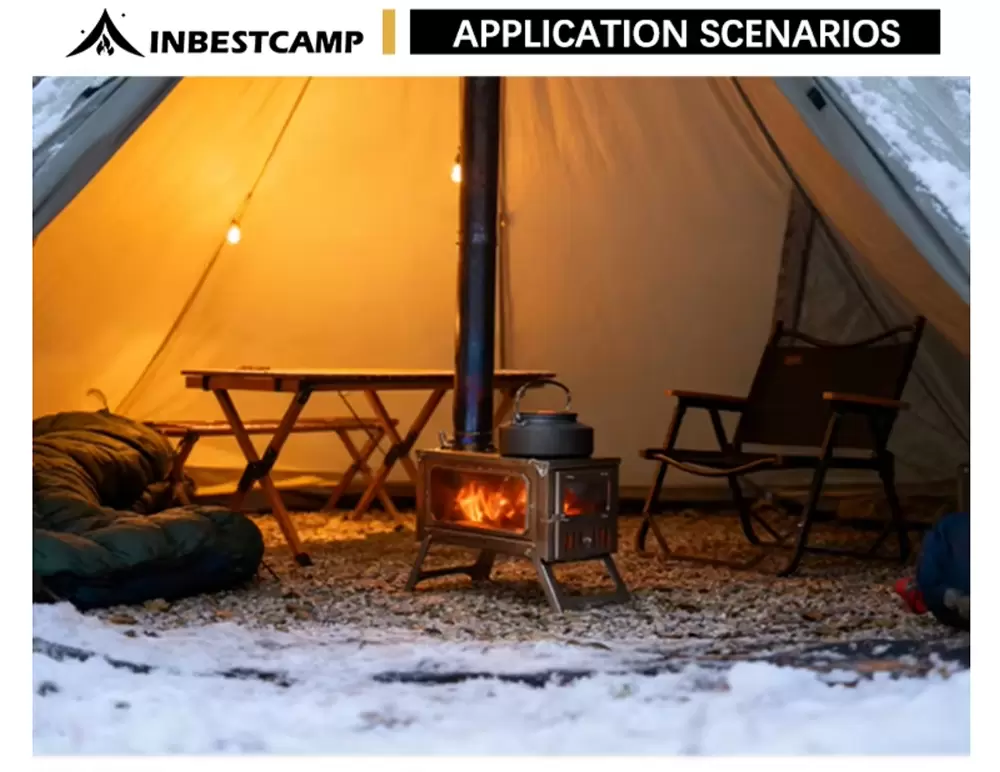
For folding wood burning tent stove products, inventory preparation should begin months before anticipated demand peaks.
Early purchasing provides several important advantages:
• Better production scheduling
• Lower transportation costs
• Reduced risk of delayed shipments
• More stable supplier communication
• Higher probability of maintaining inventory throughout promotional periods
Planning early also provides additional time for quality inspections and packaging verification before products are shipped to Amazon fulfillment centers.
Monitor Inventory Performance Continuously
Inventory planning should remain an ongoing management process rather than a one-time purchasing activity.
Successful Amazon sellers regularly monitor key inventory indicators such as:
• Sell-through rate
• Inventory turnover
• Storage utilization
• Stock cover days
• Return rates
• Customer demand trends
• Advertising performance
• Forecast accuracy
Reviewing these metrics weekly allows sellers to identify potential shortages before they affect product rankings.
Continuous monitoring also supports better purchasing decisions during changing market conditions.
Reduce Inventory Risks Through Product Quality
Inventory planning extends beyond quantity management.
Poor product quality often creates hidden inventory problems through increased returns, negative reviews, warranty claims, and stranded inventory.
Selecting manufacturers with mature production systems significantly reduces these risks.
INBESTCAMP implements comprehensive quality control throughout manufacturing, including inspections for structural integrity, combustion stability, welding consistency, folding mechanism durability, thermal protection performance, and overall assembly accuracy.
This commitment to manufacturing excellence helps Amazon sellers maintain consistent product quality while improving customer satisfaction and reducing inventory losses caused by product defects.
Reliable quality also contributes to stronger seller performance metrics, supporting long-term inventory stability.
Design Packaging for Amazon Logistics Efficiency
Packaging influences inventory costs more than many sellers initially realize.
Proper packaging should protect products while minimizing shipping dimensions and fulfillment expenses.
When sourcing a portable wood burning camping stove, sellers should evaluate packaging according to several criteria:
• Carton strength
• Space utilization
• Protective materials
• Label compliance
• Pallet compatibility
• International transportation durability
Compact packaging reduces dimensional weight charges while improving warehouse efficiency.
Manufacturers capable of customized packaging solutions provide additional value by aligning product presentation with Amazon operational requirements.
Maintain Strong Communication Throughout the Supply Chain
Inventory management depends on timely information sharing between sellers, manufacturers, freight forwarders, and logistics partners.
Production schedules should be reviewed regularly, particularly before seasonal demand increases.
Providing suppliers with rolling demand forecasts enables factories to allocate production capacity more effectively.
Similarly, maintaining communication with freight providers helps sellers anticipate shipping delays and adjust replenishment plans before inventory shortages occur.
Supply chain transparency reduces uncertainty while improving decision-making across every stage of inventory management.
Diversify Risk Without Overcomplicating Operations
Although supplier diversification can reduce operational risks, excessive complexity often creates additional management challenges.
Many experienced Amazon businesses establish long-term partnerships with reliable manufacturers while developing contingency plans for unexpected disruptions.
Working with an experienced manufacturer such as INBESTCAMP provides greater confidence through dependable production capacity, OEM and ODM capabilities, flexible customization services, and professional support for international outdoor equipment businesses.
This balanced approach strengthens supply chain resilience without creating unnecessary administrative complexity.
Support Inventory Growth with Product Differentiation
Inventory planning becomes easier when products maintain stable demand through clear competitive advantages.
Outdoor buyers increasingly value products that combine portability, durability, versatility, and efficient storage.
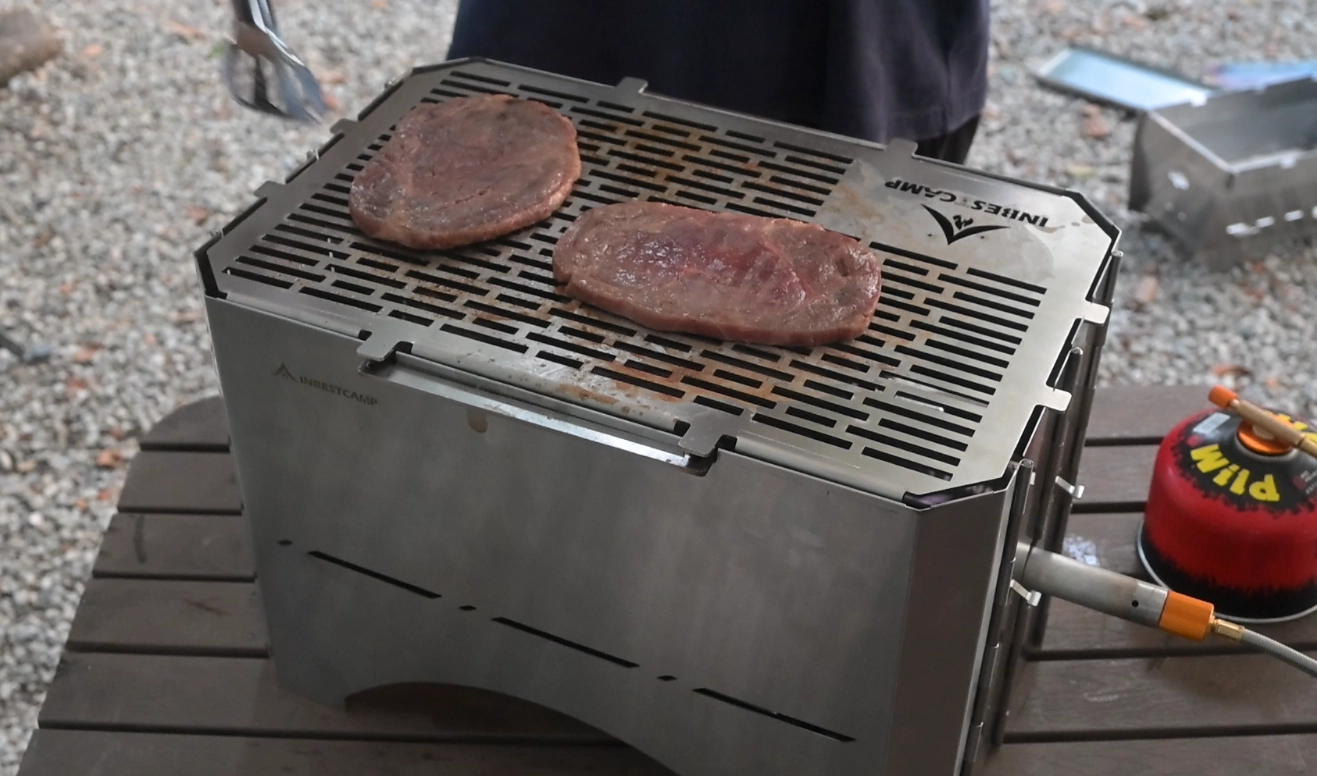
A thoughtfully engineered folding wood stove for tent addresses these expectations through compact transportation, multi-fuel compatibility, efficient heating performance, and practical cooking functionality.
Differentiated products generally experience stronger customer satisfaction and more consistent sales, allowing sellers to forecast inventory requirements with greater confidence.
Long-term inventory stability begins with selecting products that deliver genuine value rather than competing solely on price.
Final Thoughts
Successful Amazon inventory management is not about maintaining the largest inventory but about maintaining the right inventory at the right time. For sellers in the outdoor equipment industry, careful planning, accurate forecasting, dependable manufacturing, and continuous performance monitoring form the foundation of sustainable growth.
Choosing a reliable manufacturing partner plays an equally important role. INBESTCAMP combines extensive OEM and ODM experience, stable production capacity, rigorous quality management, and flexible customization services to support businesses serving global outdoor markets. By integrating efficient inventory planning with high-quality manufacturing, Amazon sellers can improve operational efficiency, reduce supply chain risks, and build a stronger competitive position in the growing market for portable wood burning camping stove products.


 en
en ja
ja ko
ko zh
zh es
es ru
ru fr
fr ar
ar pt
pt tr
tr nl
nl it
it de
de


 RELATED MAGAZINE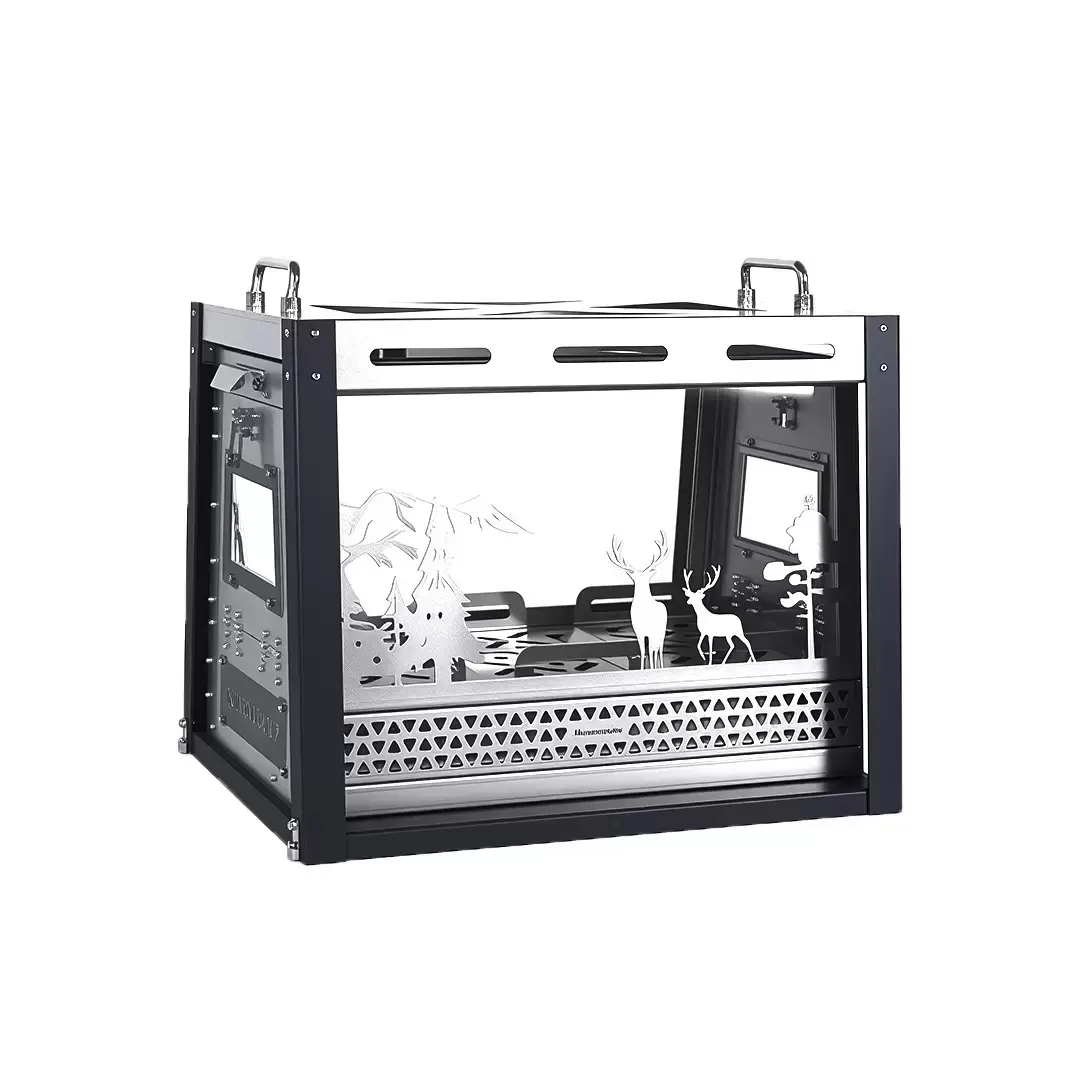









 Leave a Message