The global outdoor recreation market has seen exponential growth in demand for foldable wood stoves. Favored by campers, backpackers, and survivalists for their off-grid reliability, these portable heating and cooking systems present a lucrative opportunity for outdoor gear brands, wholesalers, and B2B buyers.

However, maximizing Return on Investment (ROI) in bulk stove sourcing involves much more than simply chasing the lowest ex-factory purchase price. True ROI is driven by total landed costs, product durability, strict quality control, and inventory velocity.
This guide outlines a strategic framework for sourcing foldable wood stoves at scale while protecting profit margins and brand equity.
Introduction: Understanding the ROI Dynamics of Bulk Wood Stove Sourcing
Evaluating bulk procurement purely on unit costs is a common pitfall. A cheap stove that warps during its first use or arrives with missing hardware incurs high Return Merchandise Authorization (RMA) costs, bad reviews, and brand erosion.
A strategic approach to sourcing looks at the full ROI equation:
Total Landed Cost: Factoring in manufacturing, freight, tariffs, and storage.
Margin Preservation: Selecting premium features that justify higher retail pricing.
Risk Mitigation: Minimizing defect rates and lead-time delays through proactive vendor management.
Market Segmentation & Identifying High-Margin Stove Designs

To maximize margins, align your sourcing specifications with specific end-user personas:
Ultralight Backpackers: Prioritize extreme weight savings and compact packability. Ultra-thin titanium folding stoves command high retail prices and offer strong per-unit gross margins.
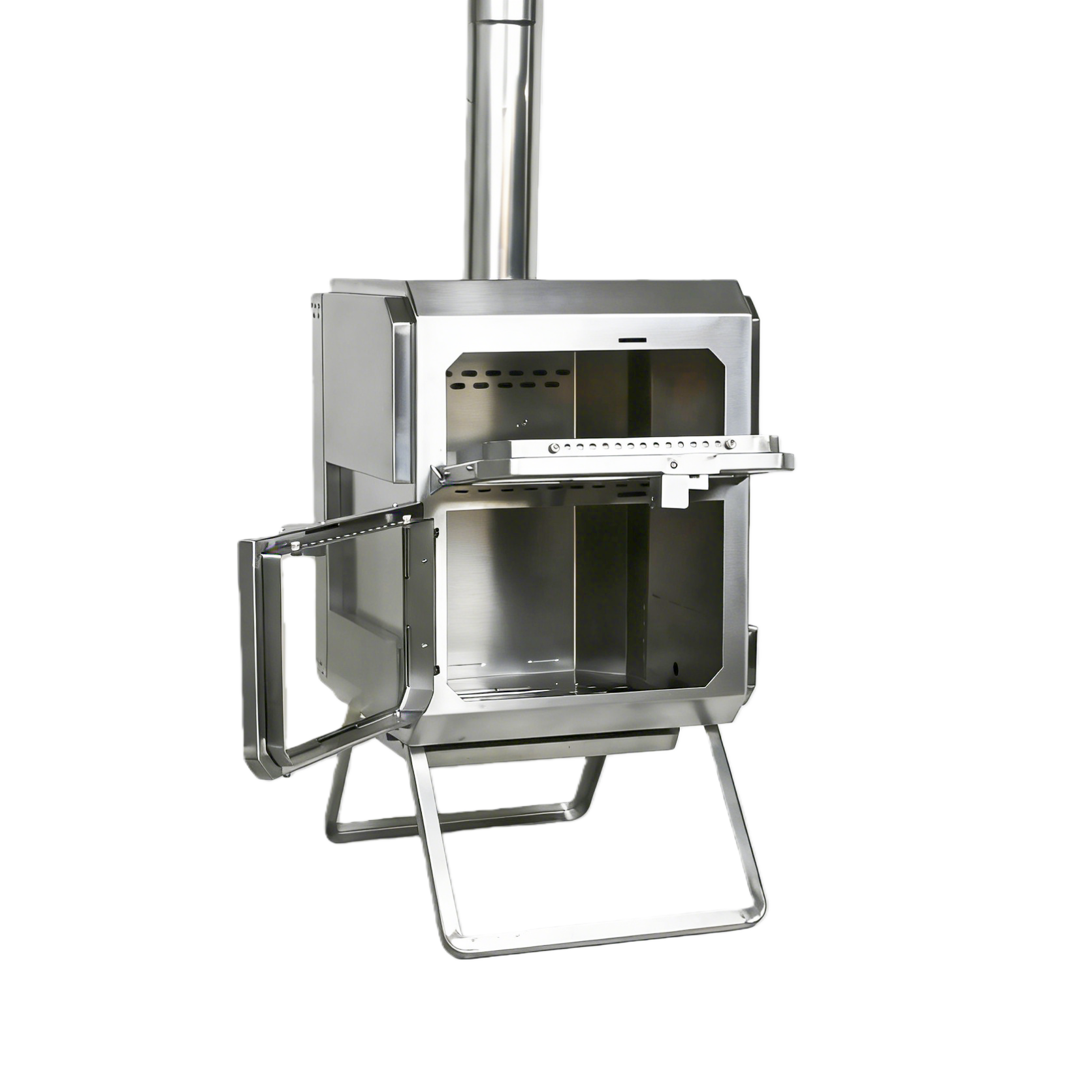
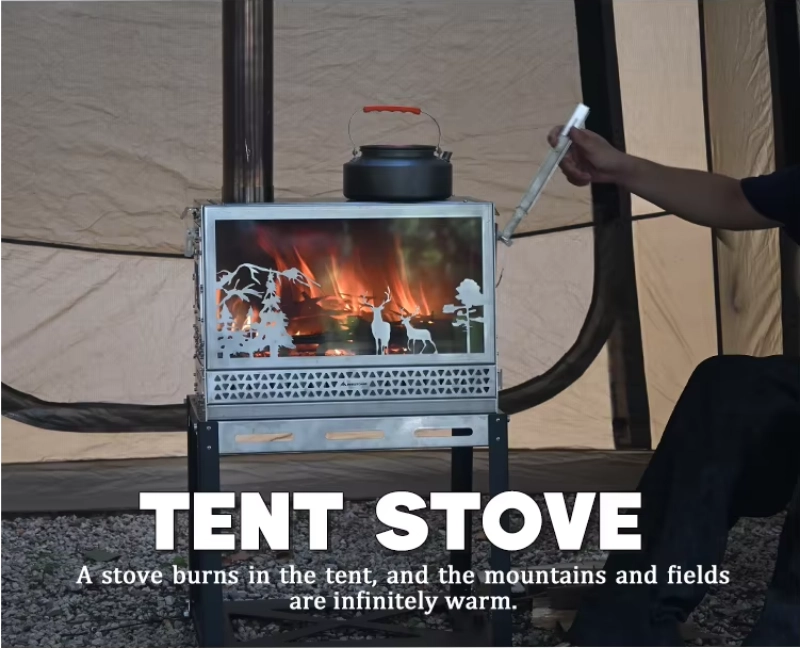
Glamping & Car Campers: Prefer heavy-duty stainless steel stoves featuring secondary combustion systems and large heat-resistant glass viewing windows.
Selecting models with high-value features—such as anti-warping hinge structures, precision draft controls, and modular chimney systems—allows brands to justify premium price points and capture higher margins.
Evaluating Raw Material Costs vs. Product Durability
Balancing Bill of Materials (BOM) costs with physical durability is essential when choosing materials:
304 Stainless Steel vs. Titanium (Grade 1/2): Stainless steel offers lower BOM costs, excellent rigidity, and superior heat retention. Titanium cuts weight by nearly 45% and never rusts, but raw material costs are significantly higher.
Gauge Thickness Considerations: Selecting metal that is too thin lowers unit costs but causes severe panel warping under high firebox temperatures. Ensure your manufacturer uses optimal wall thicknesses (e.g., 0.6mm–1.0mm for steel, 0.5mm–0.8mm for titanium) with reinforced ribbing.
Commodity Price Volatility: Track global raw metal markets to negotiate fixed-rate material contracts during price dips.
Streamlining Minimum Order Quantities (MOQs) and Bulk Discount Tiers
Understanding factory cost structures strengthens your position during price negotiations:
Factory Setup Costs: Initial production runs incur setup costs for stamping die alignment, laser cutter programming, and welding jigs. Larger order volumes amortize these fixed costs over more units.
Tiered Pricing Negotiations: Structure purchases using tiered pricing brackets (e.g., 200, 500, 2,000 units) to secure incremental cost reductions as sales volume grows.
Trial Order Strategy: Negotiate a lower initial MOQ for market testing by agreeing to a higher base unit price, with a contract clause that credits the price difference toward your first full-scale bulk reorder.
A supplier's technical infrastructure directly impacts product quality and delivery schedules:
Machinery Audits: Ensure the factory utilizes modern equipment, such as fiber laser cutters, automated CNC press brakes, and robotic TIG welding arms, to maintain tight tolerances.
Seasonal Capacity Allocation: Demand spikes for wood stoves occur in autumn and winter. Confirm the factory's monthly output capacity and lock in production slots early to avoid peak-season lead-time delays.
Certifications: Prioritize manufacturers with ISO 9001 quality management certifications and a proven history of manufacturing for established international brands.
Optimizing Shipping, Packaging, and Landed Cost
Logistics costs can make or break your margin on bulky metal goods.
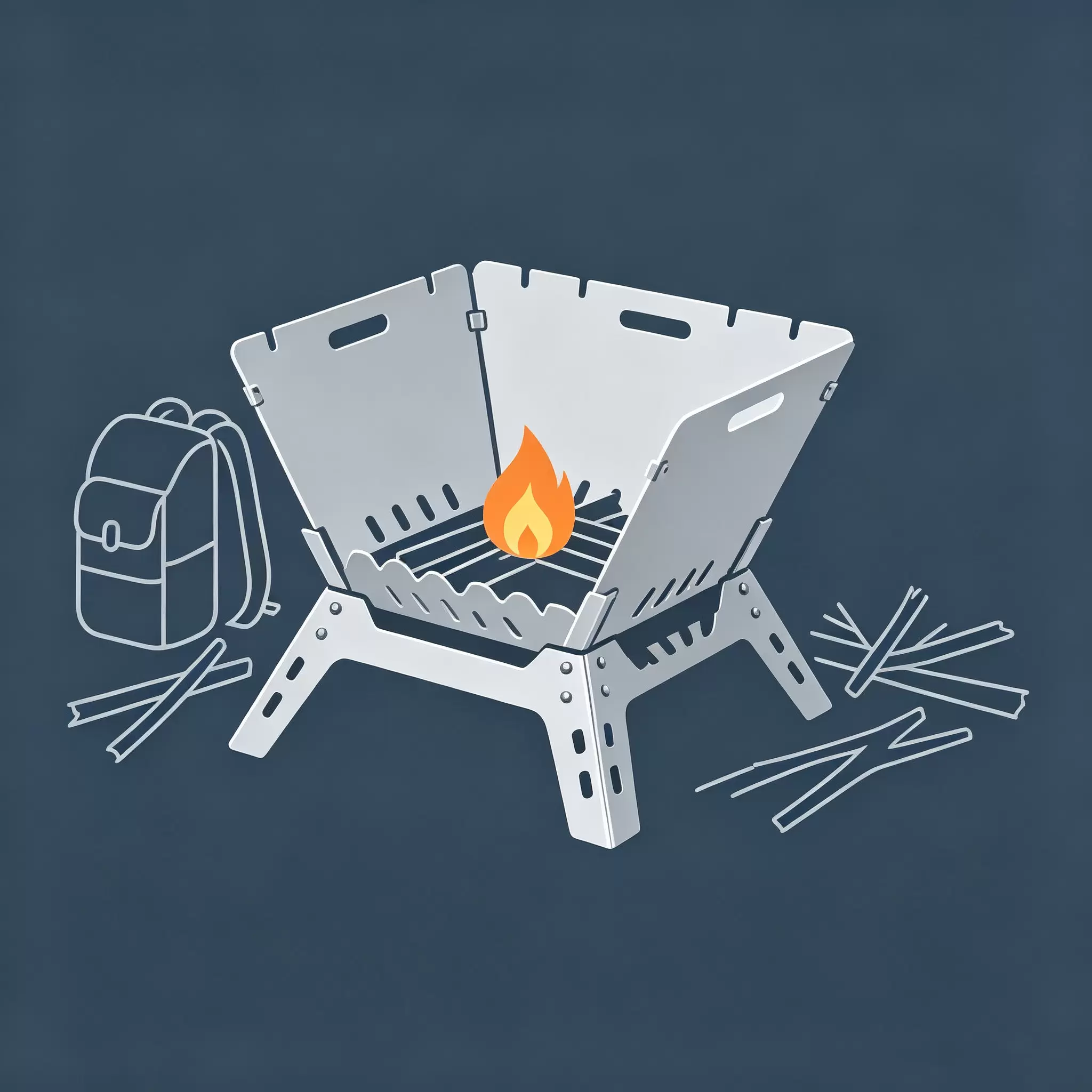
Flat-Pack Optimization: Choose stoves engineered for complete flat-pack disassembly. Reducing packed volume (CBM) by 50% to 70% allows you to fit double or triple the units into a standard shipping container.
Carton Dimension Efficiency: Work with the OEM to design outer cartons that maximize container load factors, significantly lowering ocean and air freight cost per unit.
Calculating True Landed Cost: Always evaluate supplier options based on Total Landed Cost:
Landed Cost = Unit FOB Price + Freight + Insurance + Import Customs Tariffs + Port Handling Fees + Inbound Warehousing
Managing Quality Control to Minimize RMA and Return Costs
Excessive customer returns quickly erode gross margins. Implementing strict Quality Control (QC) standards prevents costly defects from reaching end-users:
Common Failure Points: Check for sharp panel burrs, scratched glass, loose hinge rivets, improper flue pipe seals, and missing assembly hardware.
Full-Cycle QC Protocols: Enforce Incoming Quality Control (IQC) for raw sheet metals, In-Process Quality Control (IPQC) during assembly, and Final Random Inspection (FRI) based on ANSI/ASQ Z1.4 (AQL) standards before container loading.
Supplier Accountability: Include contractual clauses requiring suppliers to credit or replace defective units found during pre-shipment inspections.
Negotiating Favorable Payment Terms and Contract Agreements
Protecting working capital is vital for overall business health and cash flow management:
Optimizing Cash Flow: Move away from standard 30% deposit / 70% pre-shipment terms toward a 20% deposit, with the remaining 80% payable upon presentation of the Bill of Lading (B/L) copy or via Open Account (OA) terms for established partnerships.
Contractual Protections: Build late-delivery financial penalties and quality holdback percentages (e.g., 5% held until final destination inspection) into supply contracts.
Intellectual Property (IP): Sign Non-Disclosure Agreements (NDAs) and non-compete agreements to protect custom, high-margin stove designs.
Building Inventory Management & Demand Forecasting Strategies
Inventory holding costs can quietly pull down your ROI if product turns are slow:
Seasonal Demand Modeling: Build forecasting models based on seasonal outdoor buying cycles, ensuring inventory arrives right before peak fall sales while avoiding excess holding costs in spring.
Buffer Stock Integration: Combine Just-In-Time (JIT) ordering with a lean buffer stock of fast-selling accessories (such as replacement glass panels and extra stovepipes) to maintain high fulfillment rates.
Inventory Turnover Tracking: High inventory turnover increases cash flow velocity, compounding total annual returns on your initial capital investment.
Building Long-Term Strategic Supplier Partnerships

Treating high-performing OEMs as long-term strategic partners yields substantial financial benefits over time:
Co-Engineering & Cost Reduction: Collaborate with factory engineers to streamline designs, simplify manufacturing processes, and lower BOM costs without sacrificing quality.
Priority Benefits: Long-term partners receive priority production scheduling during peak seasons, lower tooling fees for new product development, and early access to patent-pending factory innovations.
Frequently Asked Questions
How does flat-pack design directly impact the ROI of bulk stove sourcing?
Flat-pack engineering reduces packaging volume (CBM) by up to 70%. Shrinking the box size allows you to pack significantly more units into every ocean container or freight pallet. This slashes per-unit shipping expenses, directly expanding your gross margin on every stove sold.
Should I focus on Titanium or Stainless Steel stoves to maximize profit margins?
Titanium stoves yield higher per-unit margins and lower shipping costs because they cater to premium, price-insensitive backpackers. Stainless steel stoves yield lower per-unit profits but drive massive total profit volume due to high consumer demand among car campers and budget-conscious outdoor enthusiasts. A balanced catalog includes both.
What are the best tactics to lower initial MOQs when launching a new custom stove design?
To reduce initial order requirements:
Utilize existing factory components (standard legs, latches, and stovepipe dampers) and customize only the main body panels.
Commit to an annual purchasing forecast while asking to split delivery across smaller initial batches.
Offer to pay upfront tooling fees in exchange for lower first-run production minimums.
How do I calculate the true "Landed Cost" for bulk foldable stove orders?
Calculate Landed Cost using this formula:Unit FOB Factory Cost + Allocation of Ocean/Air Freight + Marine Insurance + Import Customs Duties & Tariffs + Port Terminal Charges + Local Warehouse Clearance and Receiving Fees.
Base your retail pricing on this final figure rather than factory ex-works prices to protect your profit margins.


 en
en ja
ja ko
ko zh
zh es
es ru
ru fr
fr ar
ar pt
pt tr
tr nl
nl it
it de
de


 RELATED MAGAZINE







 Leave a Message