The market for portable and smokeless fire pits has exploded across outdoor camping, overlanding, and suburban backyard entertainment. However, rapid market growth has brought intense product homogenization. Standard off-the-shelf fire pits weaken brand pricing power and erode profit margins.
Original Equipment Manufacturer (OEM) customization is the most effective strategy to break away from the crowd. Infusing your brand DNA into hardware design transforms generic equipment into high-margin, proprietary gear. This guide provides a step-by-step OEM customization playbook for outdoor brand managers, procurement directors, and product leads.
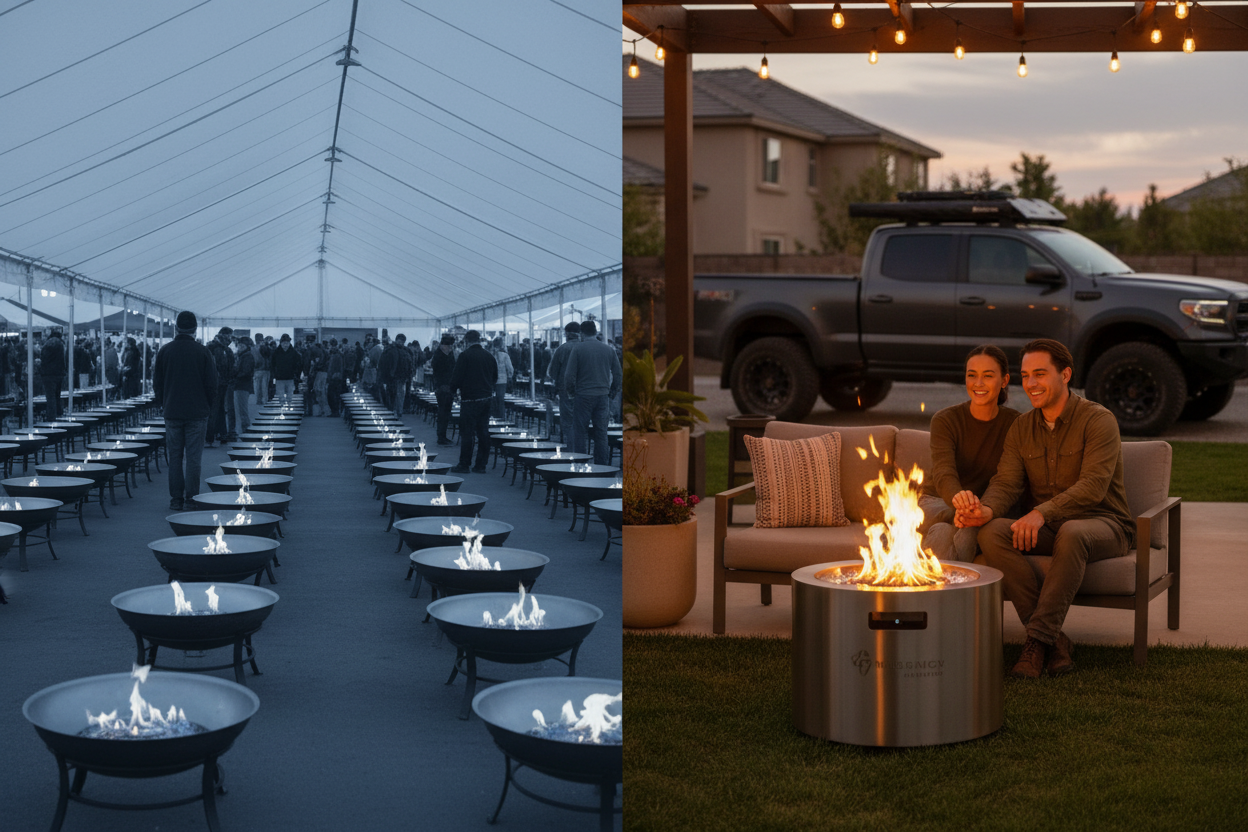
Introduction: The Power of OEM Customization in the Portable Fire Pit Market
A generic fire pit competes solely on price, exposing your business to margin compression. Custom OEM manufacturing transforms a commodity into a brand-defining product line.
By tailoring aesthetics, performance features, and packaging, you establish strong brand equity. Customization commands premium retail price points, builds consumer loyalty, and creates defensive moats against competitors offering unbranded alternatives.
Defining Your Brand DNA: Translating Identity into Hardware Features
Successful customization begins by translating brand identity into physical metal engineering:
Target Audience Alignment: Identify whether your end-users belong to glamping, ultralight backpacking, rugged overlanding, or family backyard segments.
Design Language: Establish a cohesive look—rugged industrial, modern minimalist, vintage heritage, or futuristic high-tech.
Visual Symbols: Convert brand assets like signature color palettes, geometric angles, and graphic logos into stampable, cuttable, or weldable metal components.
Logo Branding Techniques: Laser Etching, Stamping, and Metal Plaques
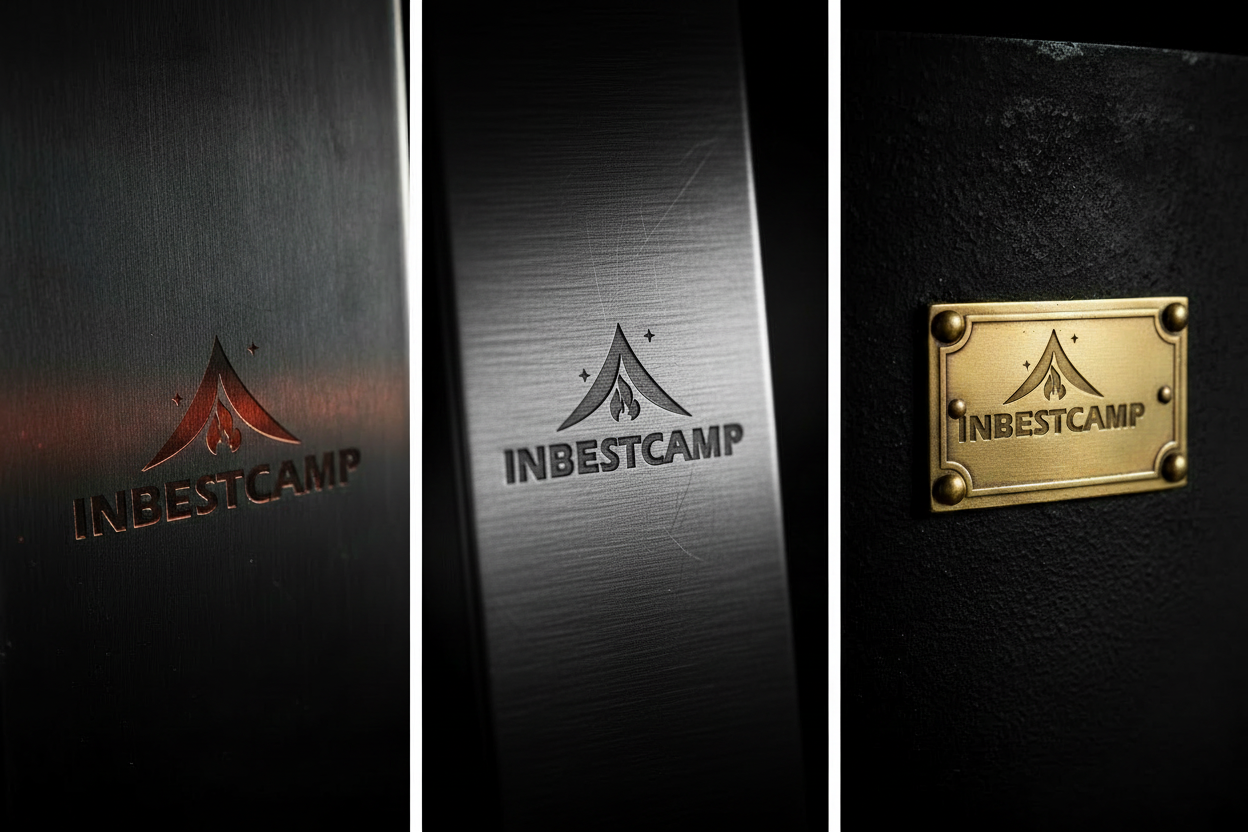
Incorporating your logo into high-heat hardware requires selecting the right manufacturing process:
Laser Etching / Engraving: Ideal for small-to-medium production runs. Delivers precise, clean logo placement that withstands extreme firebox heat without wearing off.
Metal Stamping: Best for high-volume manufacturing. Stamped logos offer tactile depth and low per-unit costs once initial tooling is amortized.
3D Riveted Metal Plaques: Stainless steel or brass plaques attached with heavy-duty rivets lend a premium, heritage aesthetic to backyard or glamping fire pits.
Structural Customization: Cutout Patterns, Airflow, and Flame Aesthetics
Fire pit walls offer functional canvas space for brand storytelling:
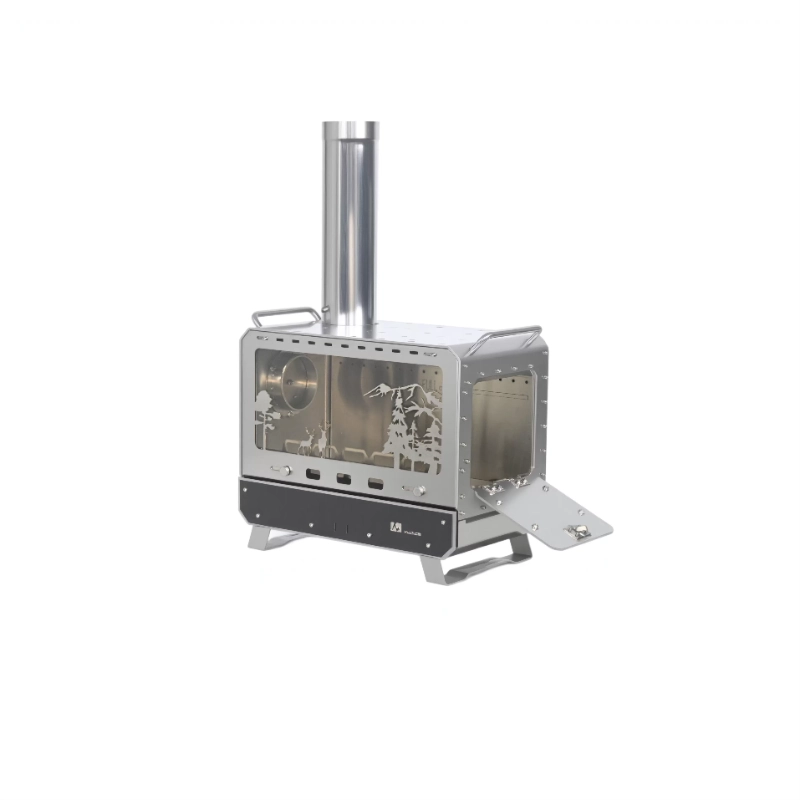
Custom Cutout Patterns: Laser-cut brand logos, mountain ranges, or pine tree silhouettes into fire pit walls. When lit, internal firelight projects illuminated brand imagery outward.
Secondary Combustion Engineering: Collaborate with OEM engineers to optimize wall vent hole patterns, ensuring decorative cutouts do not disrupt smokeless airflow draw.
Collapsible & Flat-Pack Designs: Engineer proprietary folding mechanisms or flat-pack interlocking panels for effortless transport and reduced packaging volume.
Color, Finish, and High-Temperature Coating Options
Surface finishes dictate both shelf appeal and weather resistance:
High-Temp Powder Coating: Apply trending outdoor colors (e.g., Matte Black, Olive Drab, Coyote Tan) using silicone-based coatings rated for 600°C–800°C heat resistance.
Brushed / Satin Stainless Steel: Showcases raw industrial metalcraft, completely eliminating coating flaking or chipping risks.
Heat Patina Effects: Market the natural blue-purple oxidation (titanium/stainless steel patina) that occurs under intense heat as an evolving design feature.
Building an Accessory Ecosystem: Custom Add-Ons for Higher Margin
Add-ons expand product versatility while driving higher basket sizes and margins:
Modular Cooking Surfaces: Offer custom-branded cast iron griddles or laser-patterned stainless steel grill grates.
Spark Arrestors & Windshields: Design fitted mesh caps and wind guards tailored specifically to your fire pit dimensions.
Custom Carrying Bags: Include heavy-duty 600D Oxford nylon or waxed canvas bags printed with your brand logo to enhance overall product value.
Custom Packaging and Unboxing Experience
Packaging creates the first physical impression for e-commerce and retail buyers:
Custom Retail Boxes: Utilize high-grade corrugated boxes featuring vibrant lifestyle photography and clear feature highlights.
Eco-Friendly Protection: Replace cheap styrofoam with recyclable honeycomb cardboard or fitted EPE foam blocks.
Branded Inserts: Include printed user manuals, stickers, care instructions, and brand story cards to build customer connection.
Navigating Technical Feasibility, Tooling Costs, and MOQs
Balancing custom design goals with factory production constraints is essential:
Tooling Expenses: Distinguish between modifying existing public molds (Low Capex) and developing fully custom tooling (High Capex).
Prototyping & DFM: Conduct Design for Manufacturability (DFM) reviews during prototyping to fix structural flaws before mass production.
MOQ Negotiation: Balance customization depth with factory Minimum Order Quantities to optimize working capital.
Intellectual Property (IP) Protection and Exclusive Design Rights
Protect your custom designs from unauthorized factory replication:
Non-Disclosure Agreements (NDAs): Execute legally binding bilingual NDAs prior to sharing CAD drawings or concepts.
Design Patents: Register design patents in target retail markets to protect unique geometry and cutout patterns.
Exclusivity Agreements: Secure contractual commitments from your OEM prohibiting them from selling your custom molds to competitors.
Selecting the Right OEM Manufacturer for Long-Term Success
Partner with an OEM equipped for high-precision metal fabrication:
Facility Machinery: Verify access to fiber laser cutters, CNC press brakes, and robotic welding stations.
Quality Control Systems: Ensure robust IQC, IPQC, and OQC protocols alongside real-world high-heat burn testing.
Communication & Compliance: Prioritize suppliers with strong export experience, transparent lead times, and responsive communication.
Frequently Asked Questions
What is the most cost-effective way to add my logo to a portable fire pit?
Laser etching or laser-cut pattern cutouts on existing body panels are the most cost-effective methods. They eliminate the need for expensive custom stamping dies, making them ideal for small-to-medium order quantities.
Will custom heat-resistant coatings burn off during intense fires?
High-quality silicone-based high-temperature coatings rated for 600°C–800°C will not peel or flake when properly cured. However, minor color shifts may naturally occur inside the internal firebox directly exposed to glowing coals.
How much does custom tooling cost for a unique portable fire pit design?
Tooling costs depend on design complexity. Laser-customized panel modifications require $0 in mold fees. Fully custom stamping dies or intricate folding structures generally range from $1,500 to $8,000+.
How long does the OEM customization process take from design to full production?
The process typically spans 2 to 3 months across three stages: CAD design and modification (1–2 weeks), prototyping and fire testing (2–3 weeks), and full mass production (30–45 days).


 en
en ja
ja ko
ko zh
zh es
es ru
ru fr
fr ar
ar pt
pt tr
tr nl
nl it
it de
de

 RELATED MAGAZINE








 Leave a Message