Outdoor cooking equipment has evolved from simple folding grills into highly engineered gear designed for brand differentiation and consumer experience. For camping brands, Amazon sellers, outdoor retailers, and event organizers, a portable rotating barbecue grill represents more than a cooking tool—it becomes a centerpiece of the campsite.
Brands that succeed in the global outdoor market often rely on specialized manufacturing partners capable of transforming creative concepts into scalable products. A well-structured OEM manufacturing model allows companies to move quickly from design to retail shelves while maintaining consistent quality, certification compliance, and supply stability.
In this blog post, INBESTCAMP, as high performance custom BBQ grills manufacturer, will share the portable rotating barbecue grill OEM manufacturing for global camping product brands in developing rotating barbecue grill products that are functional, distinctive, and market-ready.
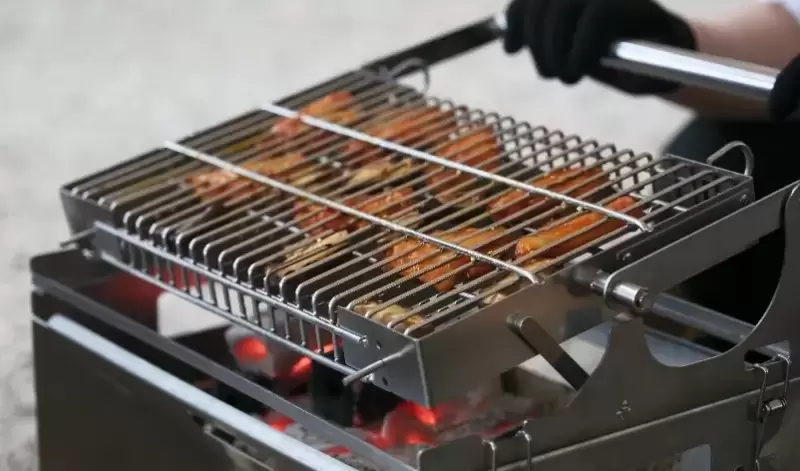
The Rising Demand for Portable Rotating Barbecue Grill Systems in Outdoor Markets
Outdoor recreation has grown significantly over the past decade. According to the Outdoor Industry Association, outdoor recreation in the United States alone contributes over $1 trillion annually to the economy, with camping remaining one of the most popular activities.
Within this ecosystem, outdoor cooking equipment has become a rapidly expanding segment. Consumers increasingly seek gear that enhances both functionality and social experience around the campsite.
A portable rotating barbecue grill addresses several emerging consumer preferences:
• Interactive cooking experiences rather than passive grilling
• Compact and transportable equipment for camping or overlanding
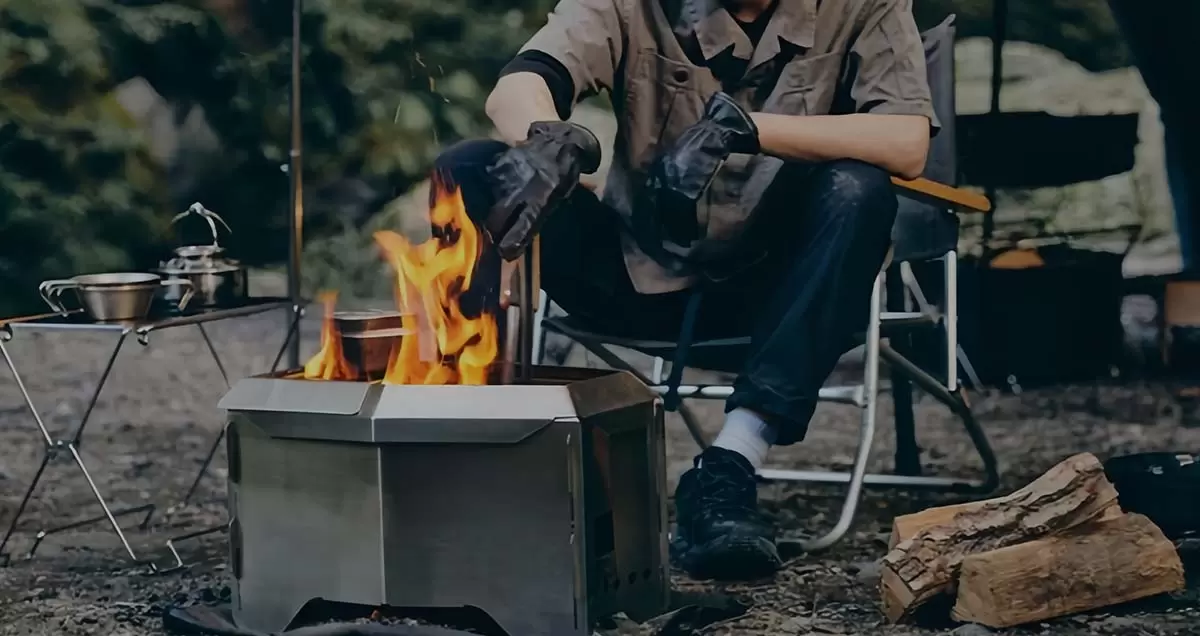
• Multi-purpose designs combining grill and fire pit functionality
• Durable materials suitable for repeated outdoor use
For brands targeting international markets, these trends create strong opportunities for differentiated product lines.
Engineering Rotating Barbecue Rack Mechanisms for Consistent Cooking
The rotating barbecue rack is the core functional element of this product category. While the concept appears simple, reliable rotation systems require careful mechanical design and material selection.
Key engineering considerations include:
• Heat-resistant rotation components capable of maintaining stability above open flames
• Balanced skewers and racks to prevent uneven rotation
• Manual or mechanical rotation systems that operate smoothly without power sources
• Corrosion-resistant materials suitable for outdoor environments
When properly engineered, a rotating rack enables uniform exposure to heat, reducing burnt surfaces while preserving flavor. This feature also adds visual engagement to the cooking process, turning the grill into an interactive focal point during outdoor gatherings.
Portable Rotating Barbecue Grill Design for Campsite Versatility
Modern camping gear must perform across multiple scenarios. A well-designed rotating barbecue grill often integrates several functional layers that extend beyond cooking.
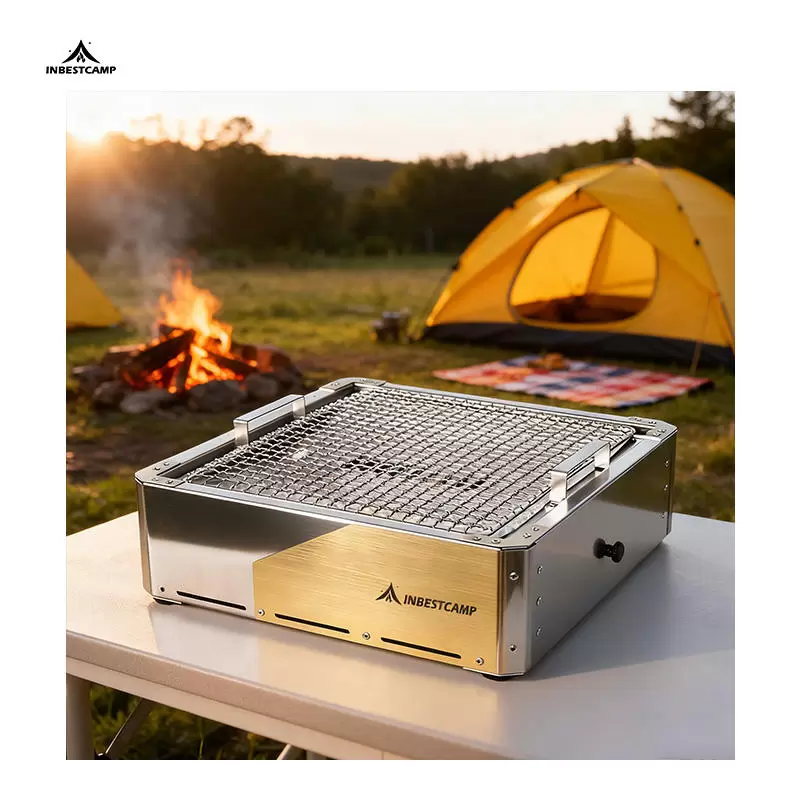
During daylight hours, the grill serves as a practical cooking station. Hand-turned skewers allow campers to roast meats, vegetables, or fresh catches over a controlled flame.
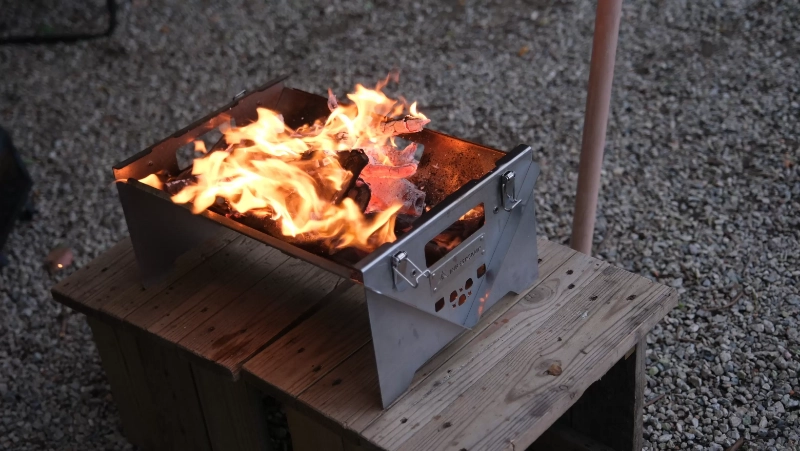
As night falls, the same structure transforms into a fire pit environment, offering warmth and a natural gathering space. This dual-purpose approach increases product value and improves the overall campsite experience.
Typical design features may include:
• Adjustable grill height systems
• Detachable cooking racks
• Foldable or modular support structures
• Fire pit compatibility
Such features allow outdoor brands to position the product not just as cookware but as a complete outdoor lifestyle accessory.
Portable Rotating BBQ Equipment Customization for Outdoor Brands
In today’s competitive outdoor gear market, branding and differentiation are essential. Off-the-shelf products rarely provide the flexibility required for premium positioning.
Manufacturing partners therefore focus on customization strategies that help brands develop unique products.
Customization areas often include:
Customization Category | Options for Brand Differentiation |
Structural design | Custom grill frames, folding mechanisms, or rotating rack systems |
Material selection | Stainless steel grades, powder-coated frames, lightweight alloys |
Branding elements | Laser logos, embossed plates, branded accessories |
Packaging | Retail-ready packaging for e-commerce or retail stores |
Accessories | Skewer sets, fire pit attachments, carrying cases |
These options enable outdoor brands to maintain distinctive product identities while benefiting from established manufacturing infrastructure.
Manufacturing Processes Behind High-Quality Rotating Barbecue Grills
High-performance outdoor grills require a combination of modern manufacturing technology and skilled craftsmanship.
Production typically involves several integrated stages:
• Precision metal cutting and forming
• Welding and structural reinforcement
• Surface finishing and corrosion protection
• Rotating rack assembly and mechanical testing
• Final inspection and packaging
Factories specializing in outdoor cooking equipment often integrate automated production lines with manual assembly processes. This hybrid approach ensures efficiency while maintaining attention to detail in critical mechanical components.
Strict quality management systems—such as ISO 9001 certification—help maintain consistent standards across large production volumes.
Flexible Production Models for Global BBQ Equipment Brands
Outdoor brands vary significantly in size and production requirements. Some require small pilot runs to validate a new product, while others need large-scale manufacturing for international distribution.
An effective OEM partner supports flexible production structures, including:
Production Stage | Typical Order Scale |
Prototype and testing | 10–100 units |
Pilot production | 100–1,000 units |
Commercial launch | 1,000–10,000 units |
Large-scale distribution | 10,000+ units |
Small-batch prototyping allows brands to validate market demand before committing to mass production. Fast development cycles—often including design validation within a week—can significantly shorten product launch timelines.
Outdoor Stainless Steel BBQ Grill Manufacturing Standards
Material selection directly influences the durability and performance of outdoor grills.
Stainless steel remains one of the most widely used materials due to its corrosion resistance and structural strength. Manufacturers specializing as an outdoor stainless steel camping grill manufacturer often recommend specific grades for different components:
• High-grade stainless steel for grill racks exposed to direct heat
• Powder-coated carbon steel for structural frames
• Heat-resistant coatings for rotating components
Durability is especially important for international markets where camping equipment may encounter diverse climates, including coastal humidity, desert heat, and mountain environments.
Global Compliance and Certification for Outdoor Cooking Equipment
For brands entering international markets, regulatory compliance plays a critical role in product acceptance.
Manufacturers experienced in export production typically support certification and compliance processes including:
• CE certification for European markets
• FCC compliance for electronic components where applicable
• UL safety standards for certain equipment categories
• RoHS environmental compliance
Handling certification during production reduces the burden on brand owners and ensures smoother customs clearance across global supply chains.
Logistics and Distribution for Camping Equipment Supply Chains
Global outdoor brands must maintain reliable logistics systems to avoid inventory disruptions.
Many manufacturers coordinate international shipping through major ports connected to global shipping routes. For example, shipments departing from major logistics hubs like Shanghai can reach North America, Europe, and Australia through well-established maritime networks.
A typical export logistics workflow includes:
• Final product inspection
• Secure packaging for international transport
• Container loading and documentation
• Freight coordination and customs clearance
Such structured logistics processes help maintain predictable lead times for retailers and distributors.
Supporting Brand Innovation Through OEM and ODM Collaboration
Modern outdoor product development often involves close collaboration between brands and manufacturing teams.
Design teams typically combine multiple disciplines:
• Industrial design
• structural engineering
• materials science
• market analysis
This multidisciplinary approach ensures that new products are not only visually appealing but also practical for manufacturing and commercial distribution.
Manufacturers capable of both OEM and ODM services can support different business models:
• OEM production – brands provide design and specifications
• ODM development – manufacturers provide pre-developed product platforms
• Hybrid customization – existing designs adapted to brand requirements
In some cases, brands may also collaborate with a custom bbq grill ODM manufacturer or a custom gas grill ODM factory when expanding into broader outdoor cooking product categories.
Factory Transparency and Quality Control in Outdoor Equipment Manufacturing
Reliable manufacturing partnerships require transparency in production and quality management.
Professional quality control systems generally include:
• Raw material inspection
• Production line monitoring
• Assembly verification
• Pre-shipment testing
Quality teams typically conduct final inspections before shipment to ensure product consistency.
To improve communication with international buyers, some factories also provide:
• Real-time video inspections
• detailed production photographs
• shipment verification reports
These measures help buyers verify quality even when operating across different continents.
From Product Concept to Market Launch
Developing a successful outdoor cooking product requires coordination across design, engineering, production, and distribution.
A typical development timeline may include:
Development Stage | Typical Timeline |
Concept discussion | 1–3 days |
Design confirmation | 5–7 days |
Prototype production | 10–20 days |
Pilot production | 20–30 days |
Mass manufacturing | 30+ days |
Efficient development cycles allow outdoor brands to respond quickly to seasonal demand peaks such as summer camping seasons or major outdoor festivals.
Factory Capabilities and Collaborative Product Development
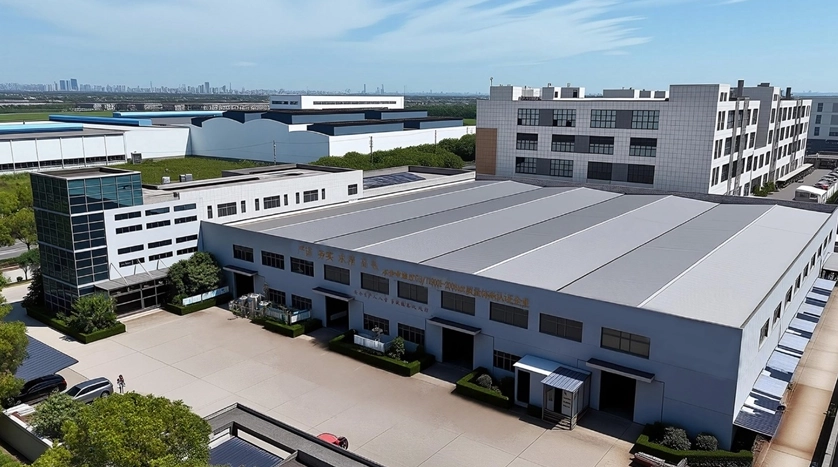
Professional manufacturing facilities often combine production infrastructure with design and logistics capabilities.
Such factories typically include:
• Dedicated production workshops
• independent design teams
• product testing areas
• showrooms displaying new outdoor equipment
• warehouses supporting inventory management
Facilities like these allow buyers to evaluate product designs, test prototypes, and coordinate production in one location.
Companies such as INBESTCAMP focus on collaborative product development with outdoor brands, helping transform early-stage ideas into commercially viable equipment. This type of partnership allows retailers, distributors, and camping gear startups to accelerate product development while maintaining brand identity.
The Role of Portable Rotating Grills in Outdoor Lifestyle Branding
Outdoor equipment increasingly functions as part of a lifestyle narrative rather than a single-use tool.
A rotating barbecue grill creates a social focal point within the campsite:
During the day, rotating skewers produce evenly grilled meals while campers gather around the fire.
At night, the same structure becomes a glowing centerpiece where friends share stories beneath the stars.
This combination of functionality and atmosphere helps outdoor brands build stronger emotional connections with their customers.
Products that create memorable outdoor experiences often generate stronger brand loyalty and higher repeat purchase rates.
FAQ
What makes a portable rotating barbecue grill attractive for outdoor brands?
A rotating grill system offers interactive cooking, even heat distribution, and a distinctive visual experience. These features help brands differentiate their outdoor cooking products in competitive markets.
Can rotating barbecue grills be customized for different brand identities?
Yes. Manufacturers can customize structural design, materials, logos, packaging, and accessories to align with specific brand positioning and target markets.
What is the minimum order quantity for OEM outdoor grill production?
Minimum order quantities vary by manufacturer, but some factories support pilot production runs starting from around 10 units for prototype validation before larger orders.
How long does it take to develop a new rotating barbecue grill product?
Development timelines depend on design complexity, but prototype development often takes one to three weeks, followed by pilot production and mass manufacturing.
Which buyers typically source portable rotating barbecue grills?
Typical buyers include camping gear brands, Amazon sellers, outdoor retailers, wholesalers, campsite operators, and outdoor event organizers.
As outdoor recreation continues to grow worldwide, camping brands increasingly rely on specialized manufacturing partners to create distinctive equipment. Through collaborative OEM manufacturing, innovative designs like the portable rotating barbecue grill can move efficiently from concept to global markets while maintaining consistent quality and brand identity.


 en
en ja
ja ko
ko zh
zh es
es ru
ru fr
fr ar
ar pt
pt tr
tr nl
nl it
it de
de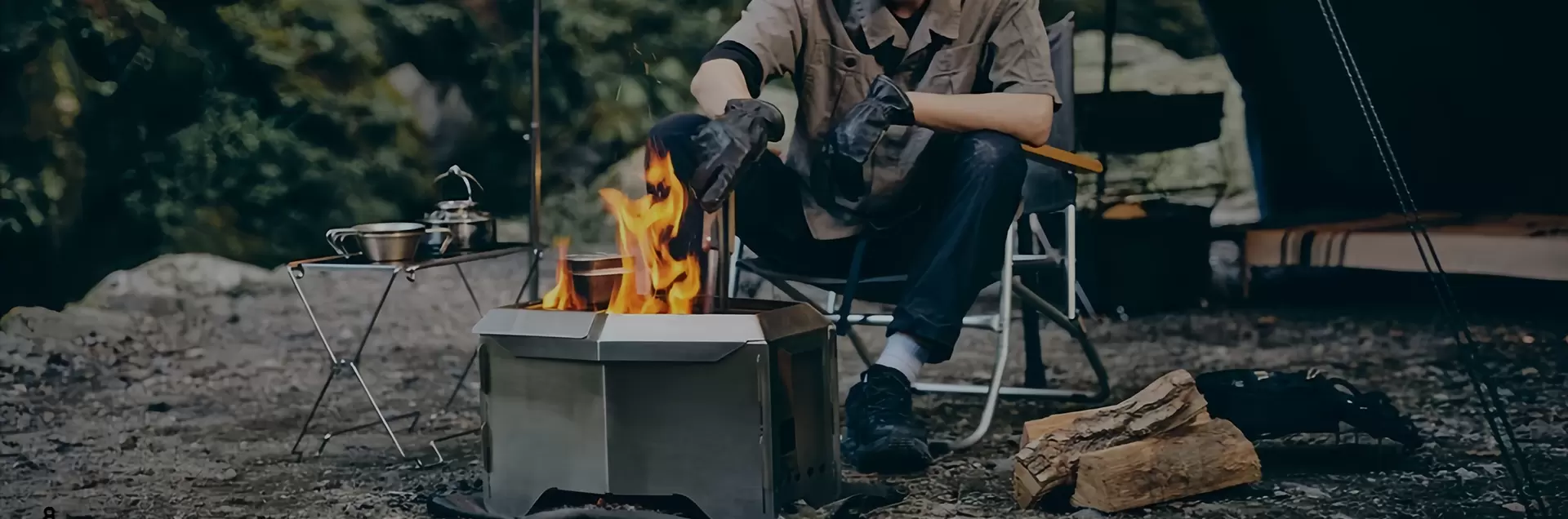

 RELATED MAGAZINE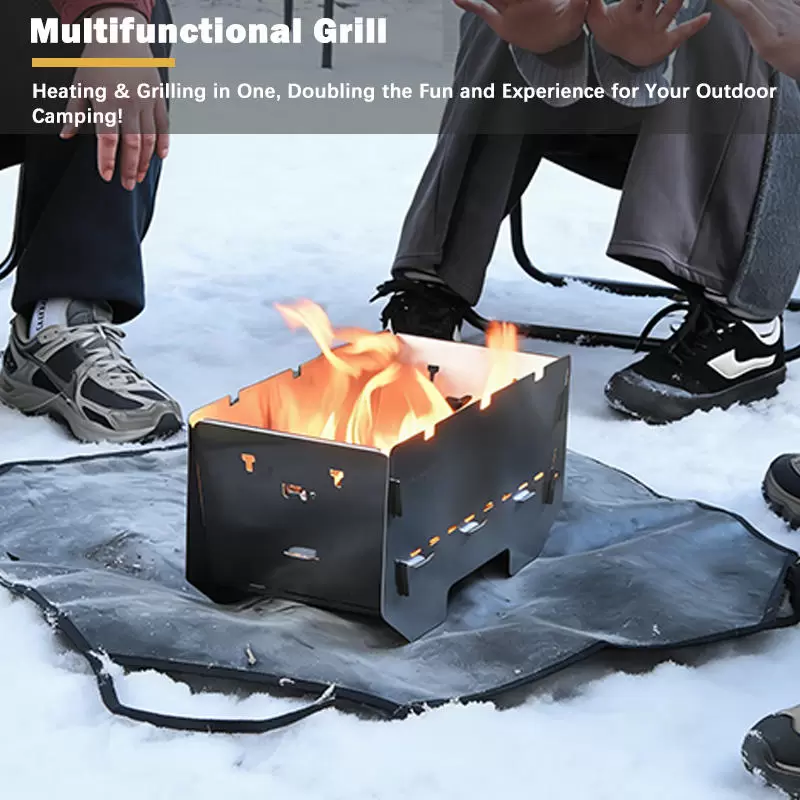







 Leave a Message