Introduction: The Growing Demand for Sustainable Heating Solutions
The global heating sector is undergoing a fundamental transformation driven by shifting consumer preferences and strict climate regulations. Modern homeowners and commercial buyers are actively seeking alternatives to traditional fossil fuel systems and inefficient open fireplaces. Traditional heating methods face mounting pressure due to high carbon footprints, fluctuating fuel prices, and stringent municipal air quality laws.
Eco-friendly biomass stoves have emerged as a premier response to this market transition. By utilizing compressed organic waste, agricultural byproducts, or sustainably harvested wood, biomass stoves deliver exceptional thermal output while drastically reducing net carbon emissions. For procurement managers, retailers, and distributors, sourcing high-efficiency biomass stoves represents a lucrative opportunity to capture market share in the rapidly expanding green heating sector.
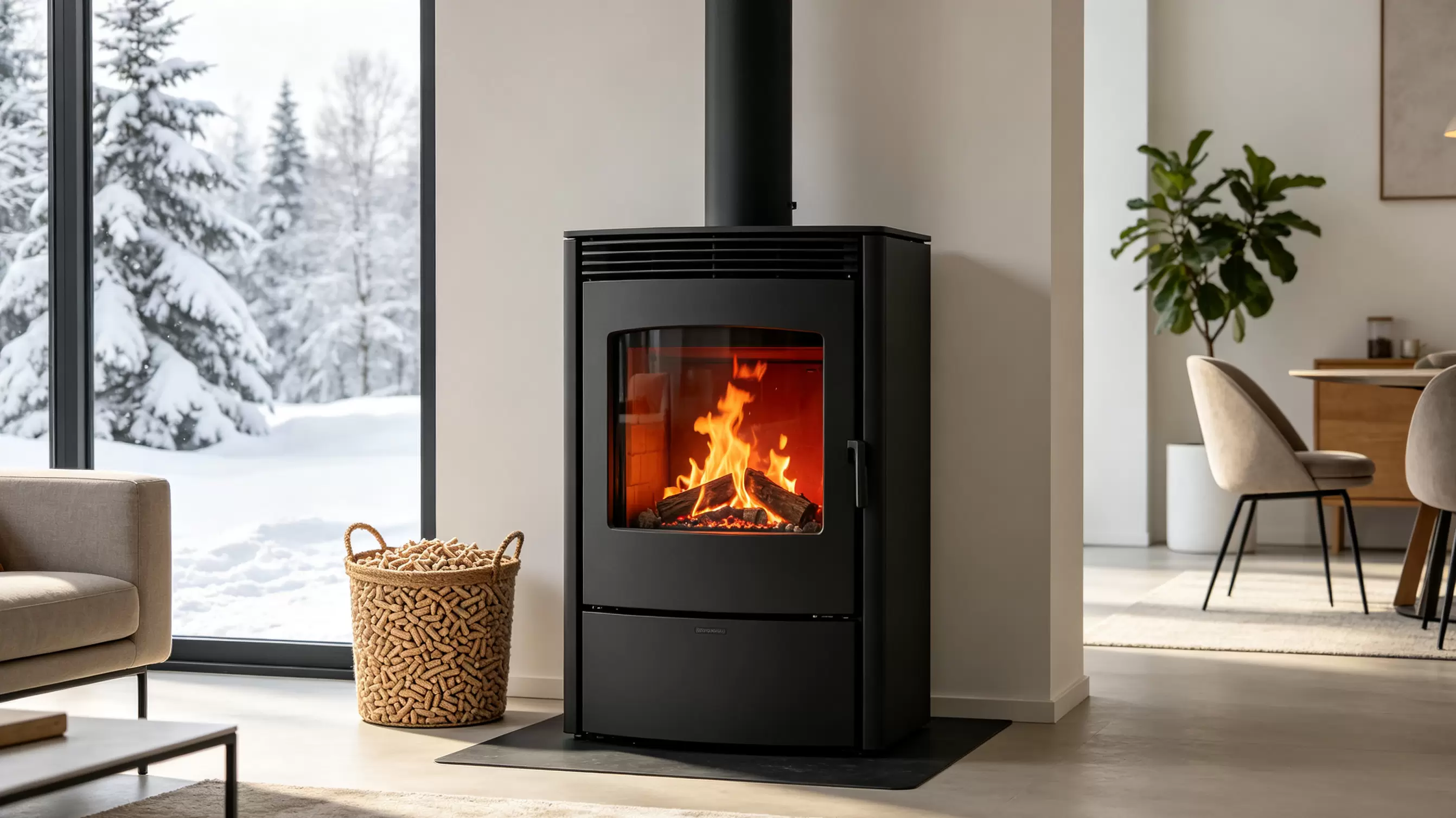
Understanding Modern Biomass Stove Technologies
To source effectively, buyers must understand the engineering principles that differentiate high-performing biomass units from legacy stoves. Modern units rely on sophisticated airflow dynamics and combustion chamber designs to maximize heat extraction.
Pellet Stoves: Utilize automated screw augers to feed compressed wood pellets into a burn pot. Electronic circuit boards regulate air-to-fuel ratios, achieving thermal efficiencies above 80%.
Secondary Combustion Wood Stoves: Feature dual air inlet systems. Primary air feeds the base fire, while superheated secondary air is injected at the top of the chamber to ignite unburned volatile gases and smoke particulates.
Multi-Fuel Biomass Stoves: Engineered to burn diverse organic fuels including cherry pits, corn, olive stones, and wood briquettes, giving consumers flexibility against single-source fuel shortages.
Advanced Airflow Control: Multi-stage intake systems ensure complete combustion, dramatically cutting hazardous fine particulate matter (PM2.5) emissions and carbon monoxide output.
Regulatory Standards and Environmental Certifications
Regulatory compliance is paramount when importing heating appliances into key Western markets. Non-compliant shipments risk customs seizures, heavy fines, or complete product recalls.
North American Market
In North America, stoves must comply with United States Environmental Protection Agency (EPA) standards under the New Source Performance Standards (NSPS). Units must meet strict particulate matter emission limits (typically below 2.0 grams per hour) and carry safety certifications such as UL 1482 or ULC S627 from accredited testing laboratories like Intertek or OMNI-Test.
European Market
In the European Union, the Ecodesign 2022 directive mandates strict seasonal efficiency thresholds alongside limits on PM, organic gaseous compounds (OGC), carbon monoxide (CO), and nitrogen oxides (NOx). Stoves must display the CE mark, comply with EN 14785 (for pellet appliances) or EN 13240 (for room heaters), and ideally carry independent environmental labels like ClearSkies or Nordic Swan.
Identifying Key Consumer Demands and Market Preferences
Modern buyers demand heating appliances that integrate seamlessly into contemporary residential interiors while offering effortless operation.
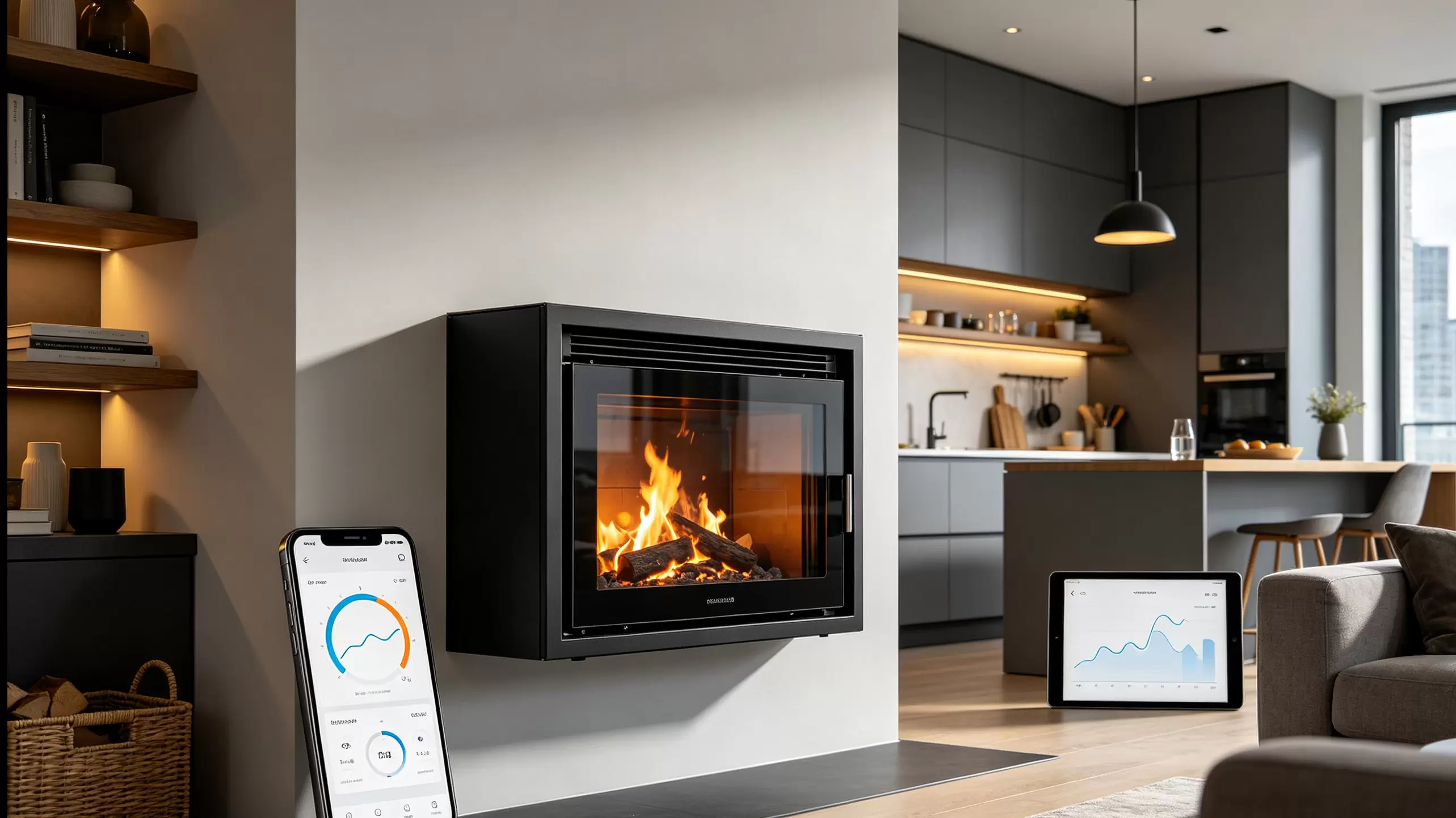
Aesthetic Trends: Contemporary minimalist designs with large ceramic glass viewing windows, sleek matte-black powder coatings, and clean geometric lines are outperforming traditional ornate cast-iron models. Inset (wall-mounted) units are gaining traction in space-conscious urban homes.
Smart Technology Integration: Consumers prioritize convenience. High-demand features include Wi-Fi module integration, smartphone app control, programmable weekly timers, automatic ignition systems, and self-diagnostic fault reporting.
Multi-Functional Capabilities: Boiler stoves (hydro-stoves) that connect to central heating radiational systems or domestic hot water circuits are seeing rapid growth, alongside hybrid cookstove units designed for off-grid living.
Key Criteria for Selecting Biomass Stove Manufacturers
Selecting the right manufacturing partner dictates product reliability, brand reputation, and profit margins.
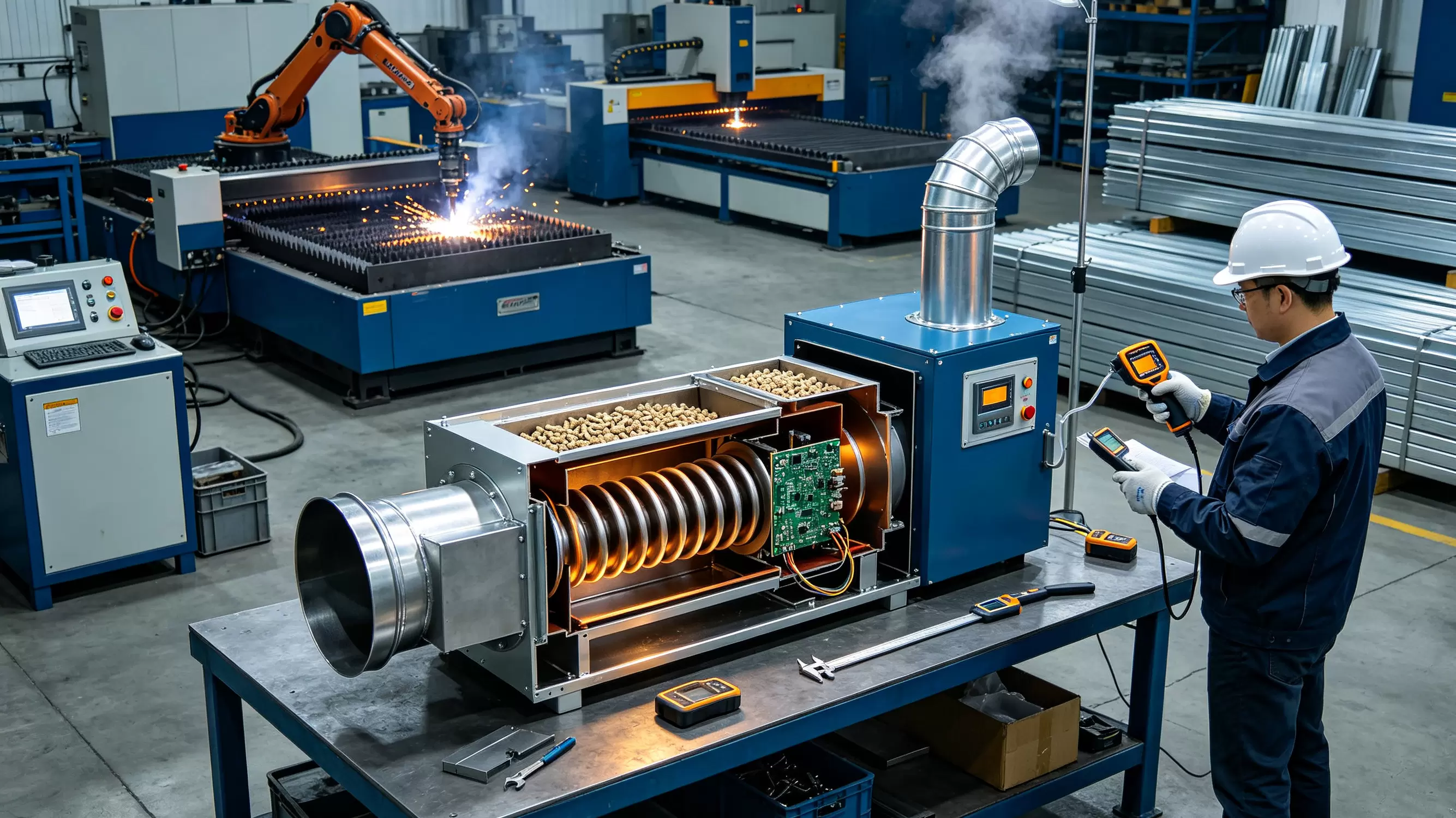
R&D and Engineering Expertise: Partner with factories that maintain internal testing laboratories equipped with flue gas analyzers and thermal imaging tools to ensure continuous design refinement.
Manufacturing Capabilities: Assess the supplier's production infrastructure. Automated fiber laser cutters, robotic welding cells, and precision CNC sheet metal bending equipment ensure consistent tolerance control and airtight chamber construction.
Quality Management Systems: Require ISO 9001 certification and review the manufacturer’s historical export records to confirm proven experience with North American or European compliance documentation.
Evaluating Fuel Compatibility and Supply Chain Efficiency
A versatile stove reduces consumer friction and enhances product versatility across different geographical markets.
Fuel Flexibility: Verify that the stove combustion pot can handle varying pellet grades, including premium A1 ENplus pellets and industrial-grade biomass, without excessive clinker formation.
Component Standardization: Ensure critical wear parts—such as exhaust blower fans, igniter rods, motherboard controllers, and glass seals—use standardized industry formats to facilitate straightforward replacements.
Spare Parts Logistics: Establish a dedicated spare parts channel with your supplier to stock critical maintenance items locally, protecting your brand against long lead-time delays during the peak winter heating season.
Quality Control and On-Site Factory Audits
Comprehensive quality assurance protocols prevent costly warranty claims and safety hazards.
Multi-Stage Inspection: Implement Incoming Quality Control (IQC) for raw steel and cast iron, In-Process Quality Control (IPQC) during welding and painting, and Acceptance Quality Limit (AQL) audits for finished goods.
On-Site Audit Focus Areas: Inspect the airtightness of combustion chamber door seals using smoke tests, test high-temperature paint adhesion under thermal stress, and verify electronic control board wiring insulation.
Third-Party Inspection Agencies: Engage independent testing firms (such as SGS or TÜV) to perform pre-shipment inspections on production runs before releasing final payments.
Balancing Cost, Pricing, and Profit Margins
Building a profitable sourcing strategy requires a clear understanding of manufacturing cost drivers and total landed costs.
Material Cost Dynamics: Cast iron stoves retain heat exceptionally well but involve high tooling costs and heavy shipping weight. Sheet steel stoves offer faster warm-up times, lighter weight, and lower production costs, though high-grade heat-resistant carbon steel (5mm+ thickness) is required for durability.
Landed Cost Calculations: Factor in import tariffs, ocean freight, custom clearance fees, and compliance certification expenses when evaluating supplier FOB pricing.
Volume Tier Negotiations: Negotiate tiered Minimum Order Quantities (MOQs) with suppliers, using seasonal forecast commitments to lock in favorable pricing without overextending inventory cash flow.
Marketing and Brand Positioning for Eco-Conscious Retailers
Effectively communicating the value proposition of biomass stoves drives conversion rates among environmentally aware consumers.
Core Value Messaging: Position biomass stoves as carbon-neutral, energy-independent heating solutions that protect households from volatile utility prices.
Data-Driven Feature Highlights: Emphasize quantifiable performance metrics, such as 85%+ thermal efficiency ratings, low hourly fuel consumption rates, and significant reductions in annual heating costs compared to heating oil or electricity.
Visualizing Sustainability: Use clear infographics and certified environmental data to demonstrate lifetime carbon savings, building trust with eco-conscious shoppers.
FAQ
What are the primary certifications to look for when sourcing biomass stoves for the European and US markets?
For the European market, stoves must comply with the Ecodesign 2022 directive, carry the CE mark, and meet EN 14785 or EN 13240 standards. For the US market, units must be certified under the EPA New Source Performance Standards (NSPS) and tested to UL 1482 safety standards by an accredited laboratory like Intertek or OMNI.
What is the difference between cast iron and steel biomass stoves in terms of sourcing?
Cast iron stoves absorb heat slowly, radiate warmth for extended periods, offer classic aesthetics, and resist thermal warping, but they carry higher tooling costs and heavier shipping weights. Steel stoves heat up quickly, feature modern sleek designs, and are lighter and less expensive to ship, but require thick, high-grade carbon steel to prevent warping under high temperatures.
QHow do you ensure that a biomass stove supplier meets environmental and emission compliance claims?
Request complete, unabridged emission test reports directly from accredited third-party laboratories (such as TÜV, Intertek, or SGS). Additionally, conduct on-site factory audits to verify manufacturing consistency, inspect raw material quality, and perform random airtightness and burn tests on finished production units.
Why are smart features becoming essential in sourcing modern pellet and biomass stoves?
Modern consumers prioritize convenience and seamless integration with smart home ecosystems. Features like Wi-Fi control, mobile app management, automatic ignition, and smart thermostats allow users to control heating remotely, optimize fuel consumption, and monitor system diagnostics, creating higher product margins and brand value.


 en
en ja
ja ko
ko zh
zh es
es ru
ru fr
fr ar
ar pt
pt tr
tr nl
nl it
it de
de


 RELATED MAGAZINE








 Leave a Message