Introduction: The Importance of Planning Ahead for Winter Gear
Winter camping and cold-weather wilderness exploration have experienced exponential growth, driving a surge in demand for portable wood-burning tent stoves. These stoves convert winter shelters into warm, habitable living spaces, making them an essential centerpiece for cold-weather outdoor enthusiasts. However, for outdoor brands, retailers, and procurement managers, capitalizing on this seasonal demand requires precise operational timing.
Failing to account for factory production lead times often results in missed peak Q4 sales, stockouts during early winter weather snaps, and severe revenue loss. Understanding the intricate manufacturing and supply chain timeline of tent stoves is critical for maintaining inventory flow, optimizing cash flow, and delivering gear when market demand peaks.
Decoding Factory Lead Times: What Really Happens Behind the Scenes
Factory Lead Time represents the total duration from formal Purchase Order (PO) confirmation and deposit payment to the moment finished goods clear factory doors. Manufacturing a high-performance tent stove involves far more than simple assembly; it is a multi-step engineering process requiring high precision.
PO Confirmation and Scheduling: The factory reviews technical packs, schedules production runs, and queues raw material orders.
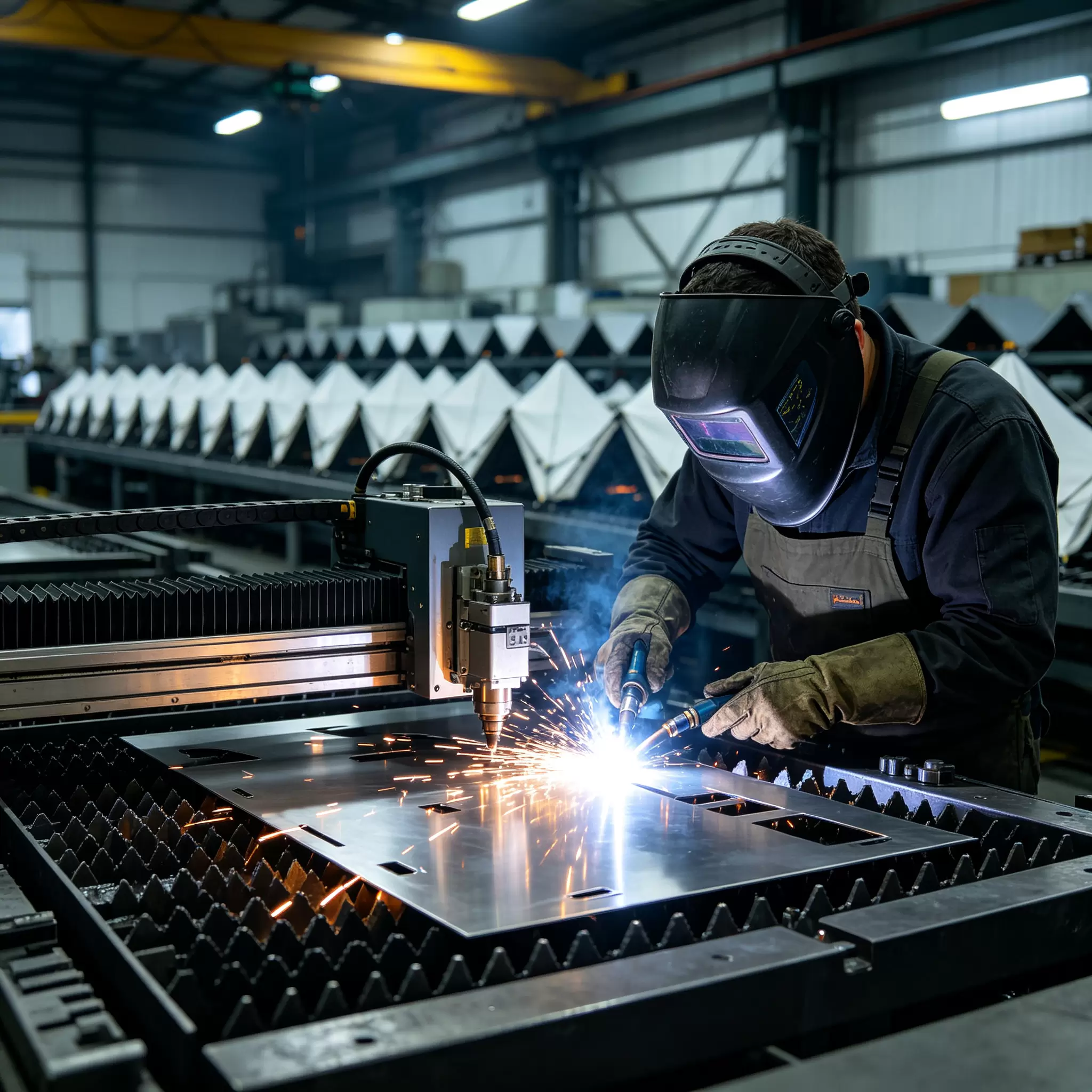
Precision Metal Fabrication: Computer numerical control (CNC) laser cutting shapes titanium or stainless steel sheets, followed by precision metal stamping for panels, doors, and damper mechanisms.
Welding and Structural Assembly: Skilled technicians perform TIG welding on critical joints to guarantee structural rigidity and heat resistance.
Surface Finishing: Stove panels undergo specialized heat-resistant coating, anti-corrosion passivation, or deburring.
Airtight Fitting and Packaging: Dampers, firebox door latches, stovepipe connectors, and heat-resistant glass windows are hand-fitted, inspected, and packed into protective carry cases.
Automated facilities utilize robotic laser cutters and CNC bending presses to reduce machining times, whereas specialized hand-finished titanium stoves demand longer craftsmanship cycles.
The Impact of Raw Material Sourcing on Production Schedules
A primary bottleneck in stove manufacturing occurs long before assembly begins: raw material procurement. High-end winter tent stoves utilize specialized materials that carry independent supply chain timelines.
Titanium (Grade 1 / Grade 2): Favored for ultralight backpacking stoves, titanium requires specialized milling and imported ingot stock, often taking 30 to 45 days just for raw sheet delivery.
High-Grade Stainless Steel (304 / 316): Readily available but subject to market volume allocation during peak industrial manufacturing quarters.
Specialized Components: Rolling titanium chimney pipe foils, high-temperature ceramic glass (Pyroceram), and graphite-impregnated door gaskets must be ordered from niche sub-tier suppliers.
Upstream shortages or price volatility in raw metal markets can stall factory start dates, creating compound delays downstream.
Navigating Peak Season Manufacturing Bottlenecks
Outdoor gear factories operate on strict seasonal cycles. For winter equipment, the peak production window runs from late spring through late summer (May through August).
During peak months, manufacturing plants face severe overcapacity. Overbooked assembly lines, worker overtime limits, and equipment stress increase the risk of production stalls. To mitigate these risks, brand managers must secure production capacity early through binding Capacity Reservation Agreements and advance deposits, locking in dedicated assembly slots before peak season congestion takes effect.
Quality Control, Testing, and Compliance Timelines
Cutting corners on quality control (QC) in stove manufacturing presents serious safety hazards, including carbon monoxide risks or structural failure under high heat. Rigorous QC adds necessary time to the lead schedule:
Pre-Production Sample (PPS) Approval: Developing and testing a PPS typically requires 2 to 4 weeks before full-scale manufacturing begins.
In-Line Inspection Protocols: Factories execute Incoming Quality Control (IQC) on raw sheets, In-Process Quality Control (IPQC) during welding, and Final Quality Control (FQC) on completed units.
Safety and Compliance Verification: Quality assurance includes burn testing, thermal deformation stress tests, carbon monoxide seals checks, and international safety compliance testing (such as CE or ANSI standards).
Ocean Freight, Customs Clearance, and Global Logistics Delays
A finished product at the factory door is still weeks away from retail shelves. The distinction between Factory Lead Time and Landed Lead Time (Door-to-Door) is critical for scheduling.
Ocean Freight: Takes 30 to 45 days from East Asian ports to Western destinations, excluding port handling.
Rail and Truck Transport: Adds 7 to 14 days for inland distribution to fulfillment hubs.
Air Freight: Takes 5 to 10 days but incurs significantly higher freight costs, making it viable only for emergency stock or high-margin sample batches.
During Q4, global shipping networks experience severe port congestion, container shortages, customs holds, and cargo rolling, adding up to 3 additional weeks to landed timelines.

The Optimal Timeline: When Should Retailers and Campers Order?
To guarantee product availability before winter arrives, purchasing must be back-scheduled from the target retail launch date.
B2B / Brand Sourcing (March - May): Issue POs and deposits by April at the latest. This secures production in June–July, ocean freight in August–September, and warehouse check-in by October.
BC / Consumer Purchasing (September - October): Individual campers should purchase stoves by early autumn to avoid seasonal stockouts during cold snaps.
12-Month Sourcing Reverse Timeline
January - February: Finalize product designs, market forecasts, and target specs.
March: Request factory quotes, finalize OEM/ODM samples, and sign production contracts.
April: Pay initial deposits and lock in factory line capacity.
May - June: Factory procures raw materials and conducts pre-production sample approvals.
July - August: Mass manufacturing, in-line QC, burn testing, and final packaging.
September: Factory departure, ocean transit, and customs processing.
October: Warehouse receipt, 3PL inventory processing, and pre-order fulfillment.
November - December: Peak retail sales season and cold-weather marketing campaigns.
Buffer Strategies: Managing Unexpected Delays in the Supply Chain
Professional procurement strategies integrate risk buffers to protect against supply chain failures:
3 to 4 Week Buffer: Always add a mandatory 30-day buffer to factory lead time estimates when setting customer delivery commitments.
Split Shipments: Utilize a hybrid freight model—ship 10% to 15% of initial stock via air freight or express sea freight to cover early marketing samples and VIP pre-orders, while sending bulk inventory via standard ocean freight.
Safety Stock Reserves: Maintain 15% rolling safety stock from previous seasons to bridge gaps caused by unexpected shipment holds.
Minimum Order Quantities (MOQs) and Custom Design Lead Times
Customization adds significant time to production schedules. While off-the-shelf (ODM) stove designs can move directly to production, custom OEM modifications—such as custom laser-etched branding, bespoke firebox dimensions, or specialized carry bags—add 3 to 6 weeks for tooling, pattern making, and prototype verification. Furthermore, meeting factory Minimum Order Quantities (MOQs) is essential for securing dedicated production slots; sub-MOQ orders are frequently pushed back behind larger client runs.
Building Strong Supplier Relationships to Lock in Priority Production
Securing reliable production during peak quarters relies heavily on strong supplier relationships. Providing transparent, rolling 12-month sales forecasts allows factory partners to pre-purchase raw titanium and stainless steel during market dips. Offering favorable payment terms or early deposit releases builds goodwill, ensuring your brand receives priority queue status when factory schedules become crowded.
FAQ
What is the average factory lead time for manufacturing titanium tent stoves?
The average factory production lead time for titanium tent stoves is 60 to 90 days from purchase order confirmation and deposit payment. If pre-production sample approval, custom tooling, or raw titanium sourcing is required, total lead time can extend to 120 days or more. B2B buyers should finalize orders in early spring.
Why are tent stove production lead times longer than standard camping gear?
Tent stoves require high-precision metal fabrication, specialized heat-resistant materials (such as titanium foil, ceramic glass, and high-temp seals), and rigorous safety testing for carbon monoxide containment and thermal warping resistance. These technical requirements make production cycles significantly longer than textile-based gear like tents or sleeping bags.
How far in advance should a retailer place orders for the Q4 winter season?
Retailers should place formal Purchase Orders no later than April or May. This enables factories to produce goods during the June–August manufacturing window, ship via ocean freight in August–September, and deliver stock to distribution centers by October, well ahead of November peak sales events like Black Friday.
How do logistics delays in autumn affect the overall lead time?
Autumn coincides with the global freight peak season. Port congestion, container availability issues, and customs clearance backlogs frequently add 2 to 4 weeks to standard ocean transit times. Sourcing managers must incorporate this delay into their landed lead time calculations to prevent late-season inventory arrivals.


 en
en ja
ja ko
ko zh
zh es
es ru
ru fr
fr ar
ar pt
pt tr
tr nl
nl it
it de
de


 RELATED MAGAZINE







 Leave a Message