Introduction: The Booming Market for Smokeless Fire Pits
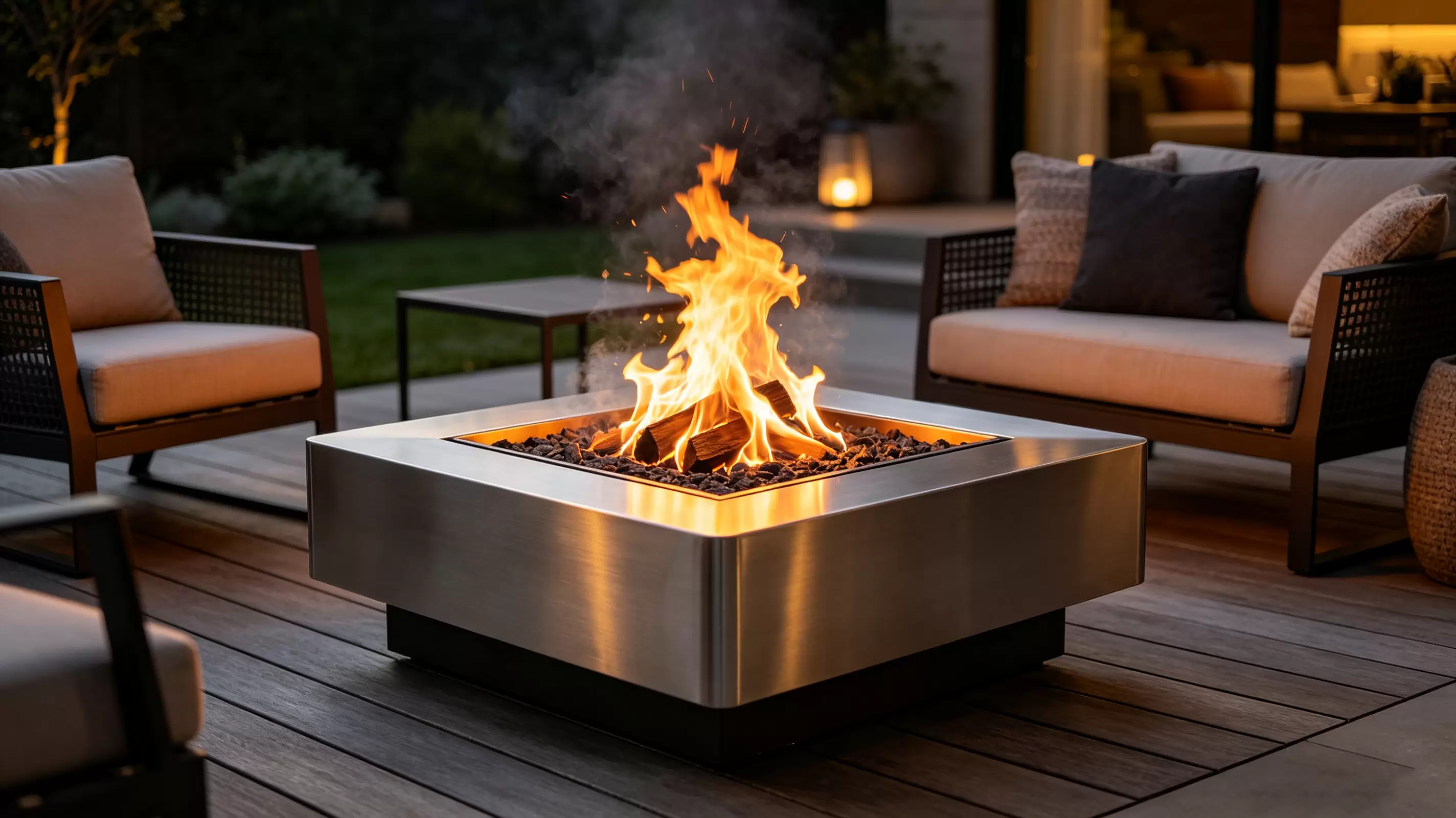
The global outdoor living market has experienced exponential growth, with backyard heating and backcountry camping equipment leading the trend. Consumers are increasingly moving away from traditional wood fires due to excessive smoke, lingering odors, and inefficient combustion. Smokeless fire pits have rapidly evolved from a niche outdoor trend into a dominant product category. By incorporating secondary combustion engineering, these fire pits deliver high thermal efficiency, visual appeal, and a clean, low-smoke experience. For outdoor brands, eCommerce sellers, and retailers, private labeling presents the fastest and most cost-effective path to capitalize on this boom without taking on heavy initial R&D expenses.
Understanding the Engineering Behind Smokeless Combustion
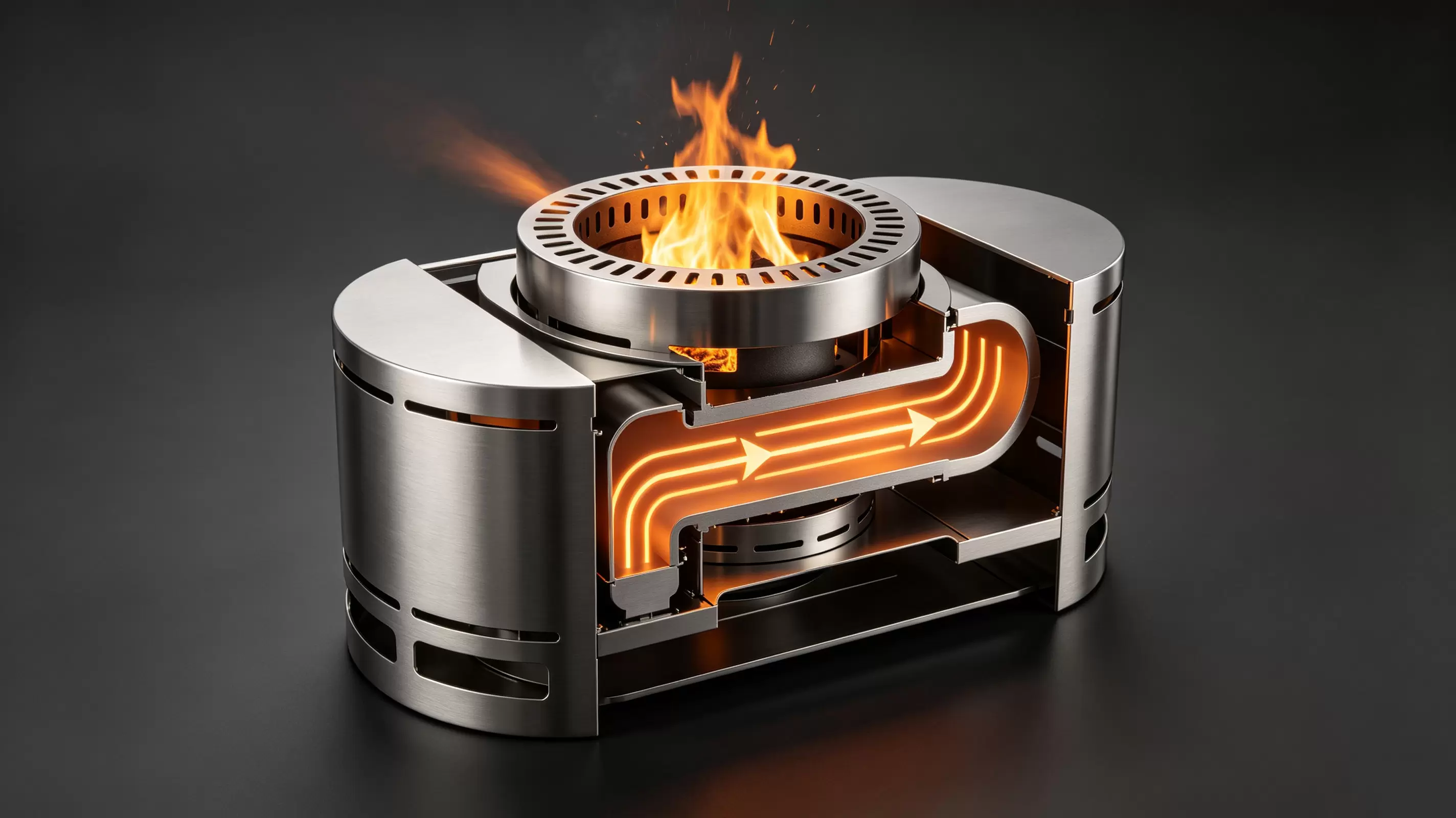
To build a successful private label product line, brand owners must understand the core mechanics of secondary combustion. Smokeless fire pits rely on a double-wall airflow convection system. Ambient air enters through bottom intake vents, feeding the primary fire at the base. Simultaneously, air travels upward through the hollow double walls, where it is superheated. As this preheated air exits through top interior vents, it mixes with unburnt smoke and volatile gasses, igniting a secondary burn. This process converts smoke into additional heat, resulting in near-zero smoke, higher fuel efficiency, and fine ash that is easy to clean.
Defining Your Brand Identity and Target Audience
A successful private label line requires clear market positioning and product differentiation tailored to specific customer segments:
Premium Patio Series: Focuses on large, stationary units with sleek aesthetics, heavy-gauge materials, and architectural finishes designed for residential backyards and luxury outdoor spaces.
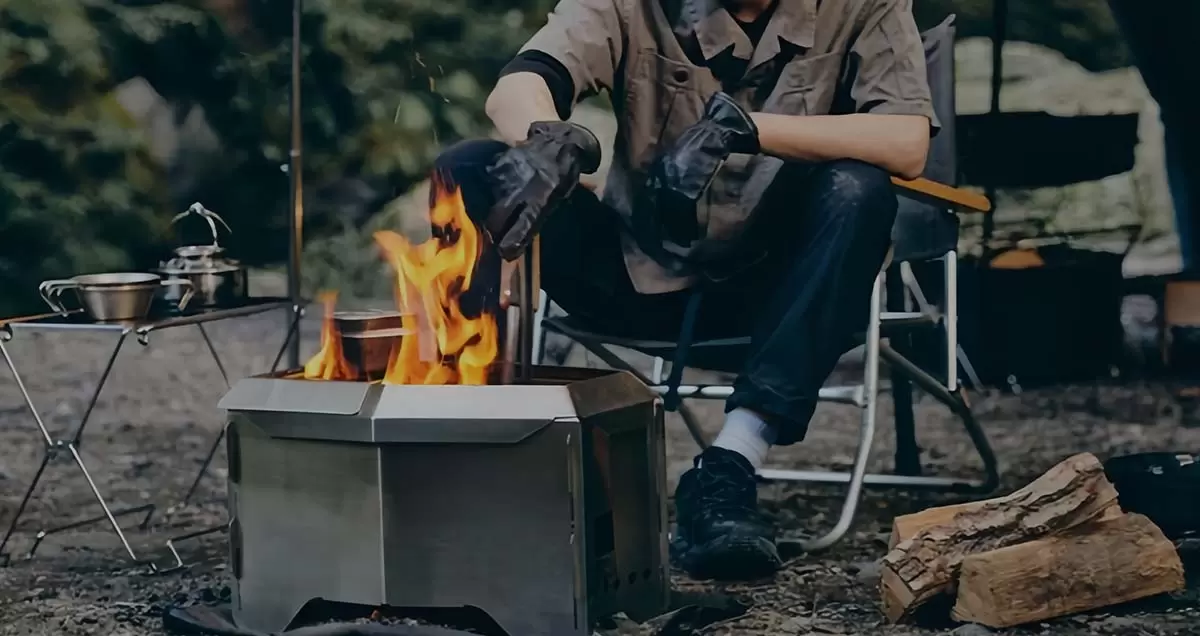
Lightweight Camping Series: Prioritizes portability, flat-packing or nesting designs, lightweight alloys, and custom protective carry bags suited for overlanding and RV travel.
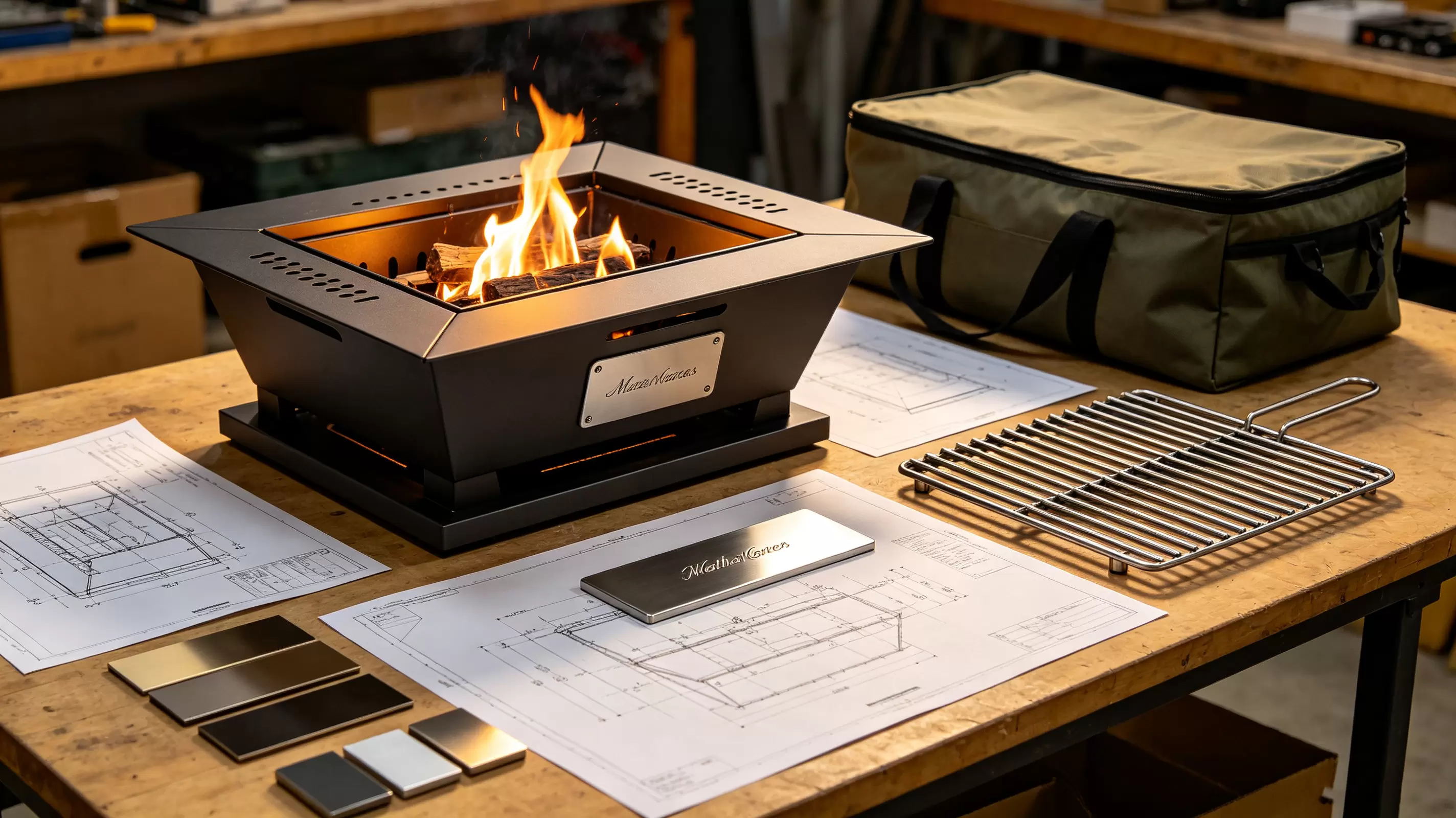
Multi-Functional Cooking Series: Combines ambient heating with an outdoor cooking platform, featuring modular accessories like cast-iron skillets, adjustable grill grates, and wok stands.
Finding and Vetting Qualified OEM/ODM Manufacturers
Partnering with the right factory is critical for product durability and brand reputation. When vetting potential OEM/ODM suppliers, evaluate the following operational capabilities:
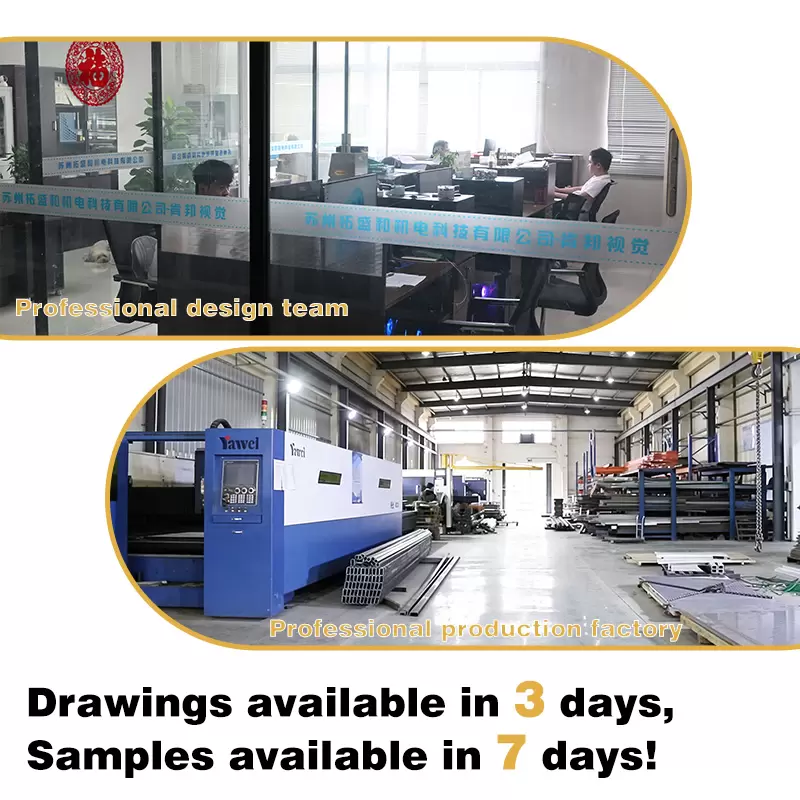
Manufacturing Precision: Verify factory capabilities in deep-drawing metal stamping, high-precision fiber laser cutting, and automated robotic welding.
Heat Deformation Expertise: Confirm the manufacturer has proven experience in structural reinforcement techniques to prevent metal warping under high heat.
Compliance and Track Record: Audit the factory's ISO quality management certifications, third-party audit reports (such as BSCI or Intertek), and history of exporting to North American and European markets.
Customization Options: Design, Accessories, and Branding
Private labeling extends beyond simply placing a logo on a generic product. Customization elevates brand value and enables higher retail price points.
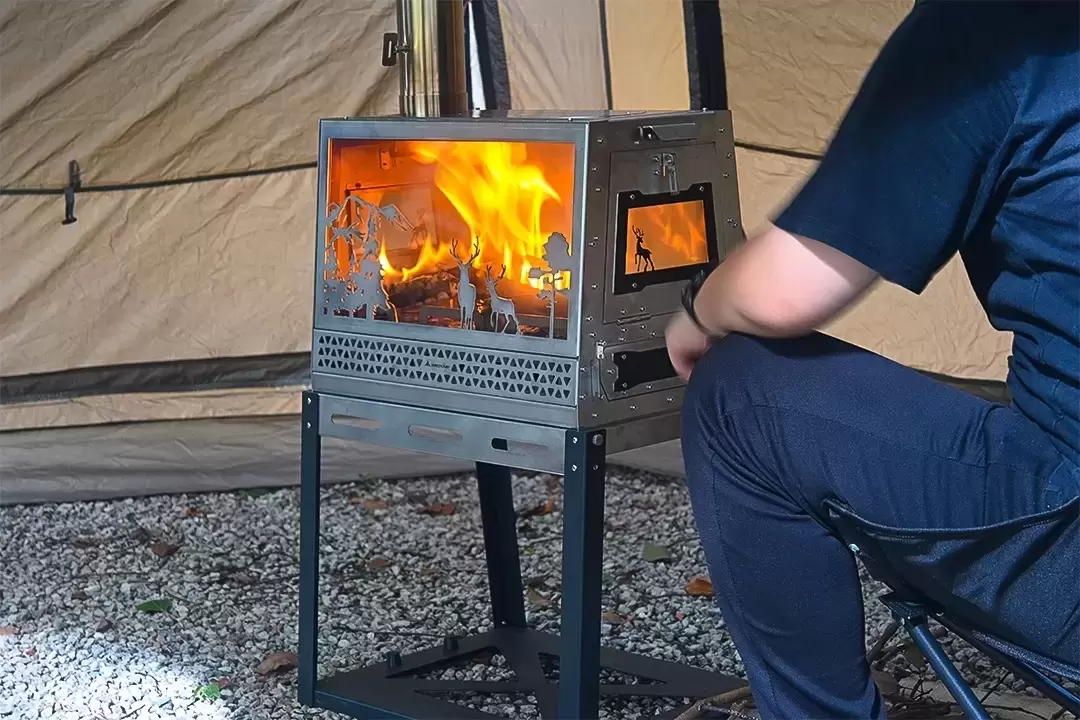
Branding Application: Select high-end branding methods such as precision laser etching, deep stamped logos on outer walls, or riveted stainless steel nameplates.
Ecosystem Accessories: Develop branded accessories, including removable ash pans, spark arrestor screens, waterproof weather covers, log tongs, and heavy-duty travel totes.
Surface Finishes: Choose between brushed stainless steel, rustic weathering steel patina, or high-temperature powder-coated color options to align with your brand aesthetic.
Navigating Material Selection: Stainless Steel vs. Powder-Coated Alloys
Material choice directly impacts product lifespan, shipping weight, and overall margins:
304 Stainless Steel: Offers superior corrosion resistance, high heat tolerance, and premium visual appeal, making it the ideal choice for high-end product lines.
430 / 201 Stainless Steel: Provides a cost-effective alternative for price-sensitive markets, though it requires proper care and anti-rust guidance for consumers.
Coated Carbon Steel: Creates a rugged, industrial aesthetic at a lower material cost, but requires rigorous high-temperature powder-coating adhesion tests to prevent premature peeling.
Quality Control, Safety Compliance, and Certifications
Delivering a safe, high-performing fire pit requires strict quality control at every stage of production:
Safety Certifications: Ensure products meet regional safety standards, such as CSA/UL standards in North America and CE requirements in Europe.
Factory QC Protocols: Implement mandatory airtightness testing, continuous high-temperature deformation burn tests, and cross-hatch paint adhesion checks.
Surface Protection Engineering: Integrate elevated bases and heat deflectors into the design to protect lawns, composite decking, and wooden patios from heat damage.
Packaging Design for Retail and E-Commerce Drop-Shipping
Because smokeless fire pits are relatively heavy and bulky, packaging design plays a vital role in protecting margins and customer satisfaction:
Drop-Test Compliance: Engineer protective packaging that passes ISTA 3A or Amazon Ships-in-Own-Container (SIOC) ISTA 6-AMAZON drop tests to eliminate transit damage.
Cube Optimization: Maximize container loading efficiency by designing nesting components, reducing ocean freight expenses and parcel delivery costs.
Unboxing Experience: Use customized printed inner boxes, clear instruction manuals, and branded insert cards to build customer trust and drive positive reviews.
Financial Planning: MOQs, Tooling Costs, and Profit Margins
Building a sustainable financial structure is essential for long-term category growth:
MOQ Expectations: Standard ODM private labeling (using existing molds with custom branding) typically requires MOQs of 200 to 500 units. Custom OEM designs requiring new deep-draw molds usually demand MOQs of 1,000 units or more.
Tooling Investments: Calculate the ROI on custom stamping and drawing dies, balancing upfront tooling expenses against expected unit volume.
Margin Modeling: Structure your pricing model to account for factory FOB prices, sea freight tariffs, domestic fulfillment fees, and marketing acquisition costs to protect net profit margins.
Go-to-Market Strategy and Launch Roadmap
A disciplined product launch roadmap ensures seamless market entry:
Timeline Planning: Allow 4 to 5 months for the complete cycle, including sample approval, mass production, ocean freight, and warehouse check-in.
Content Marketing: Generate high-converting visual assets, including side-by-side smokeless comparison videos, outdoor lifestyle imagery, and targeted SEO content.
Pre-Order and Inventory Management: Implement a pre-order campaign strategy to validate demand, generate upfront cash flow, and optimize initial inventory distribution.
FAQ
What is the typical Minimum Order Quantity (MOQ) for private labeling smokeless fire pits?
For ODM projects using a factory's existing mold with custom branding and packaging, MOQs generally range from 200 to 500 units. For fully custom OEM projects requiring new deep-draw molds or unique dimensions, initial MOQs typically start at 1,000 units due to factory setup and tooling costs.
How do you protect your custom designs when working with foreign OEM factories?
First, execute a legally binding Non-Disclosure, Non-Use, and Non-Circumvention (NNN) agreement before sharing technical drawings. Second, register design patents in your target sales jurisdictions (such as the USPTO or EUIPO). Third, consider split-sourcing critical components across sub-tier suppliers and completing final assembly at a primary facility.
What are the key safety certifications required for selling fire pits in North America and Europe?
In North America, products should adhere to ANSI Z21.97 / CSA 2.41 standards for outdoor decorative gas and solid-fuel appliances, along with floor heat-deflection safety guidelines. In Europe, units must comply with CE certification and EN 1860 standards. Cooking accessories like grill grates must also pass FDA or LFGB food-grade material testing.
What is the average lead time for a custom private label fire pit order?
The total lead time typically spans 4 to 5 months. Sample development and approval take 15 to 30 days, mass production requires 45 to 60 days following deposit payment, and ocean freight with customs clearance takes an additional 30 to 45 days.


 en
en ja
ja ko
ko zh
zh es
es ru
ru fr
fr ar
ar pt
pt tr
tr nl
nl it
it de
de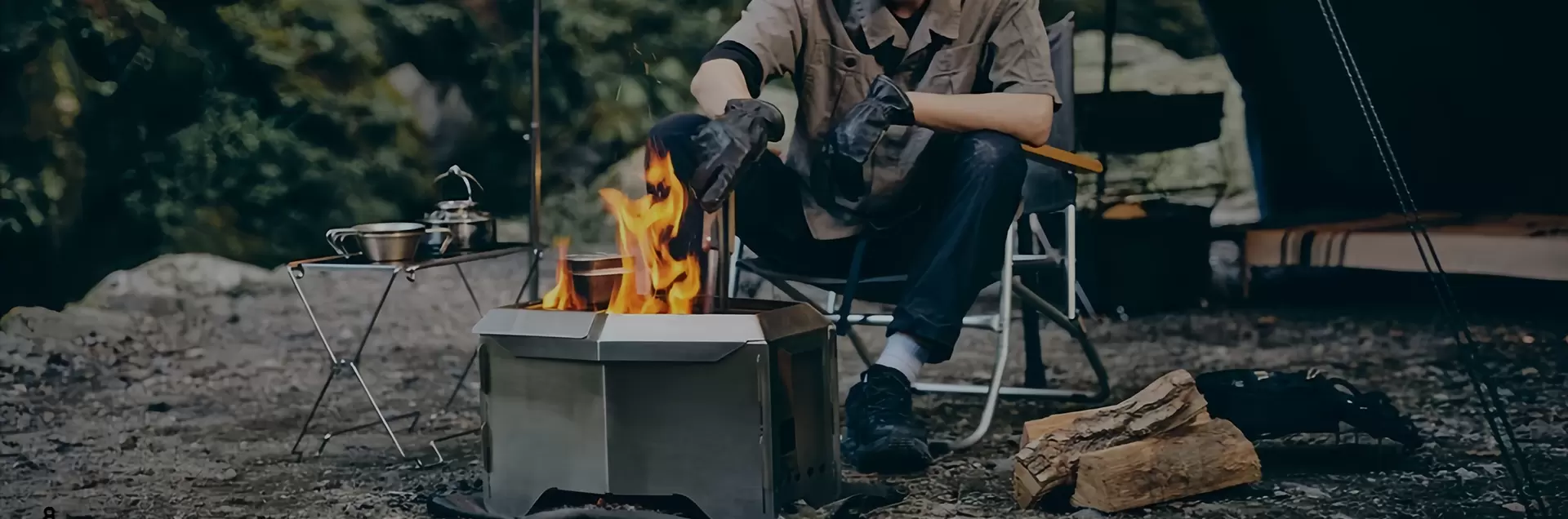

 RELATED MAGAZINE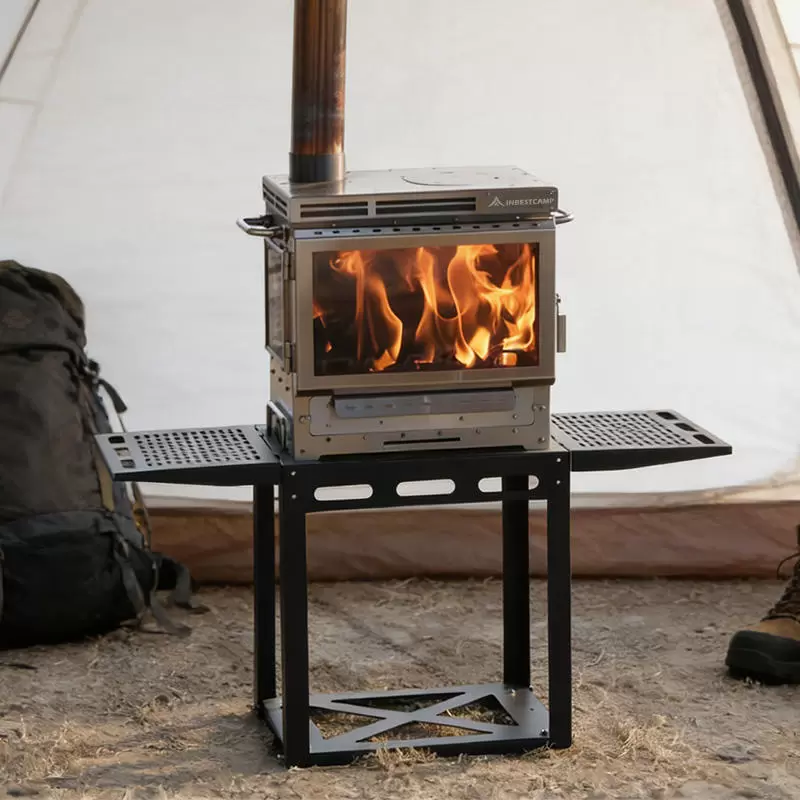







 Leave a Message