The outdoor recreation market has diversified rapidly, spanning everything from ultralight solo backpacking to heavy-duty family overlanding. However, traditional single-function camping stoves create commercial bottlenecks for retailers. Commoditized designs trigger aggressive price wars, cap revenue per customer, and offer zero post-purchase accessory ecosystems. Modular camping stoves solve these limitations by shifting from static hardware to a scalable platform model. By pairing a standardized burner base with interchangeable cooking and heating attachments, outdoor retailers can unlock higher average order values and recurring cross-seasonal revenue.
Understanding Modular Stove Architecture: Core Units and Add-On Ecosystems
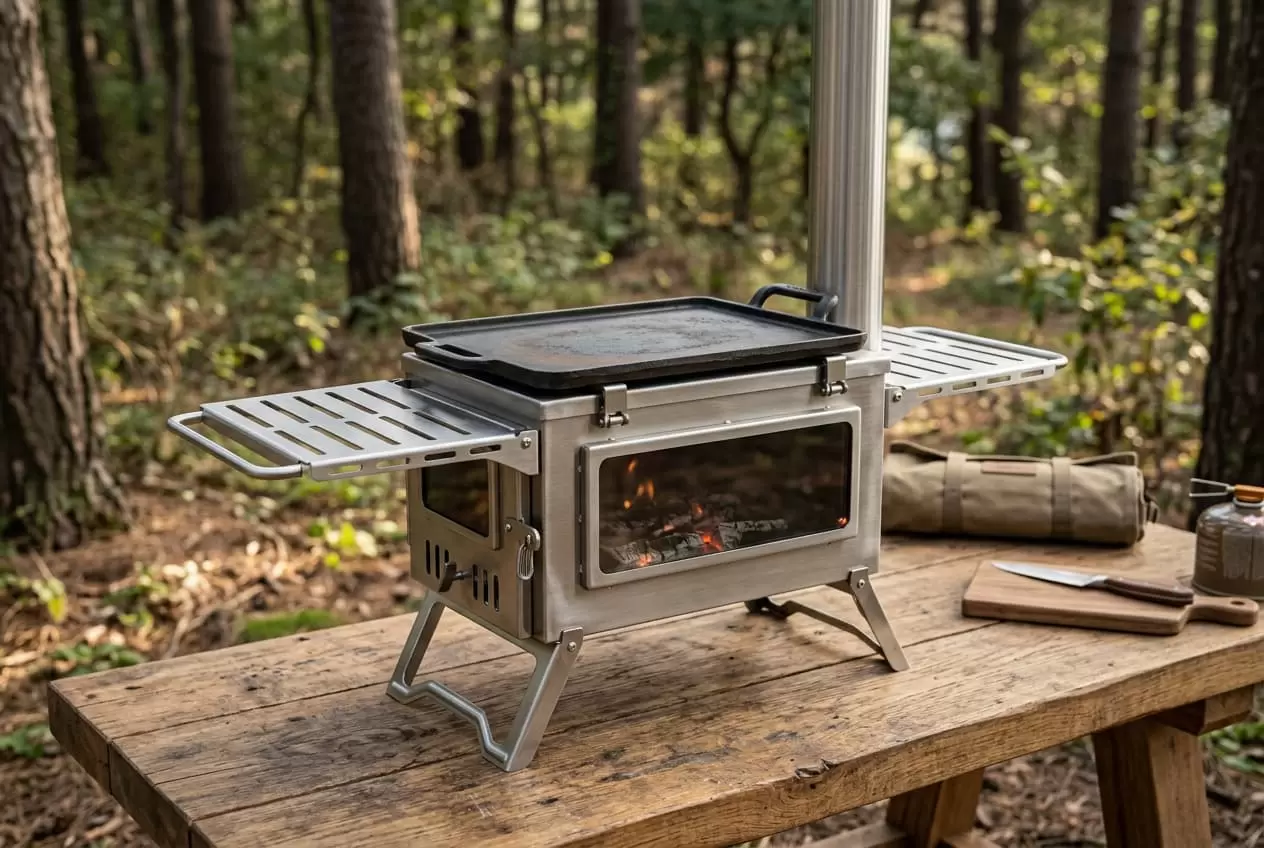
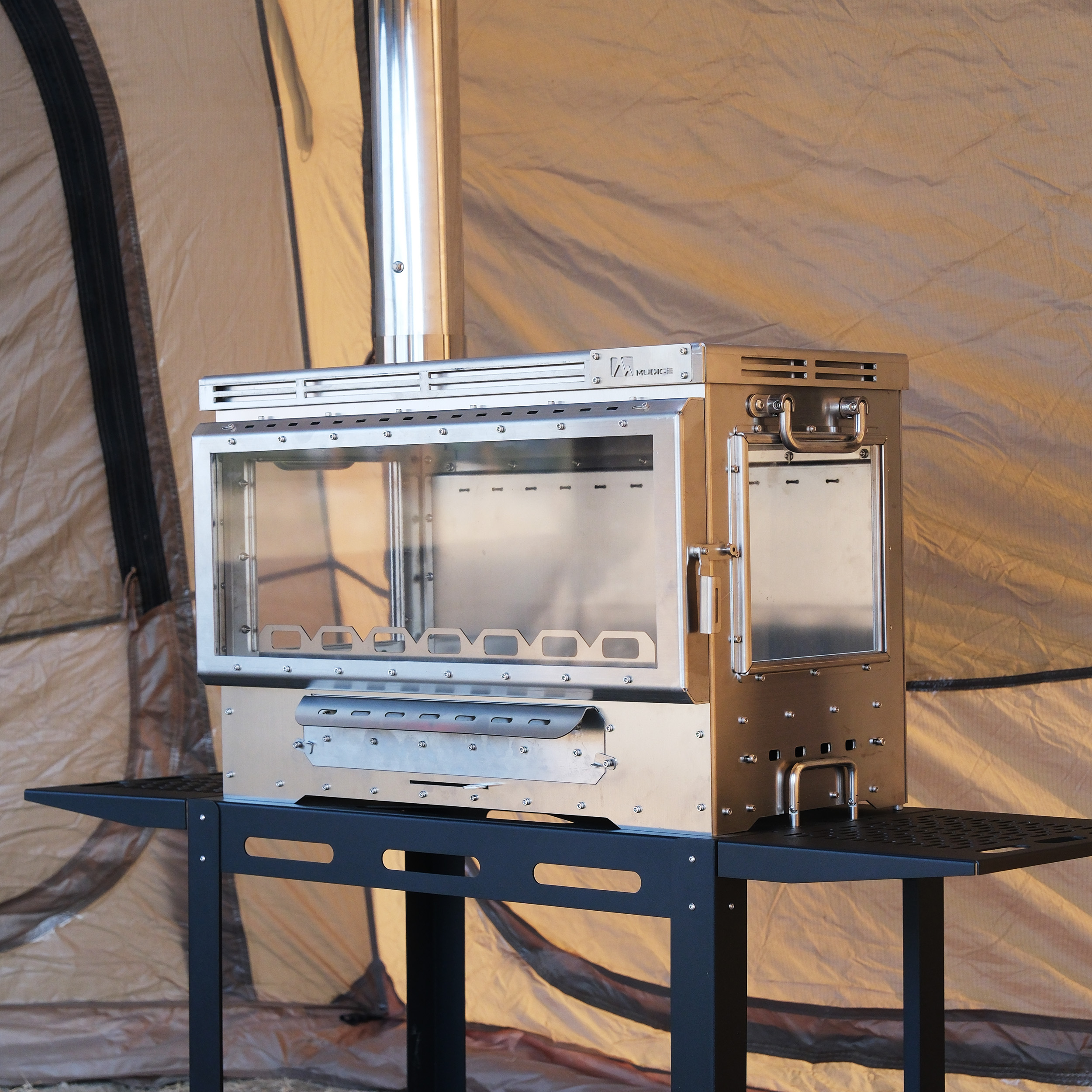
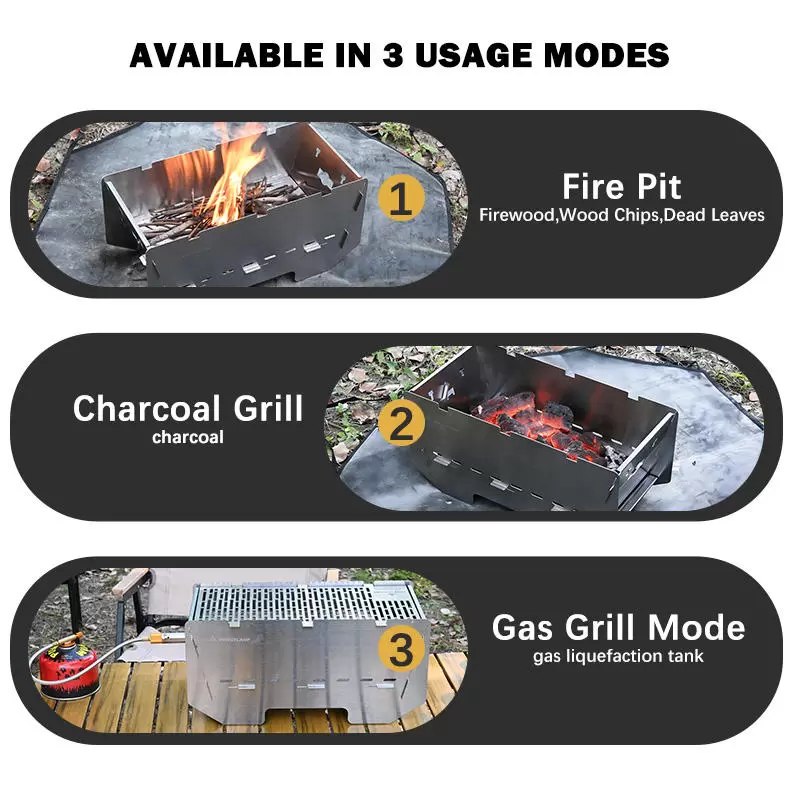
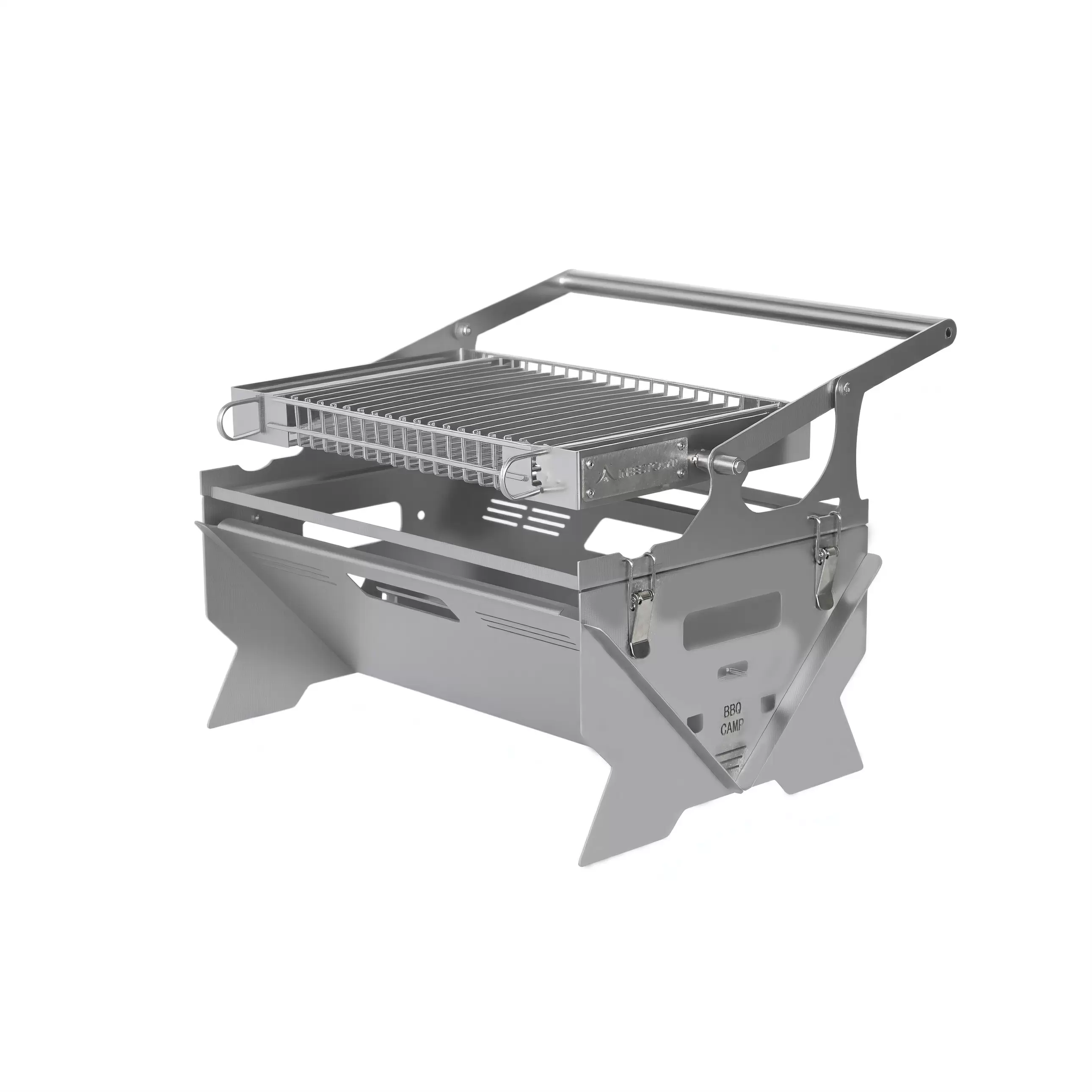
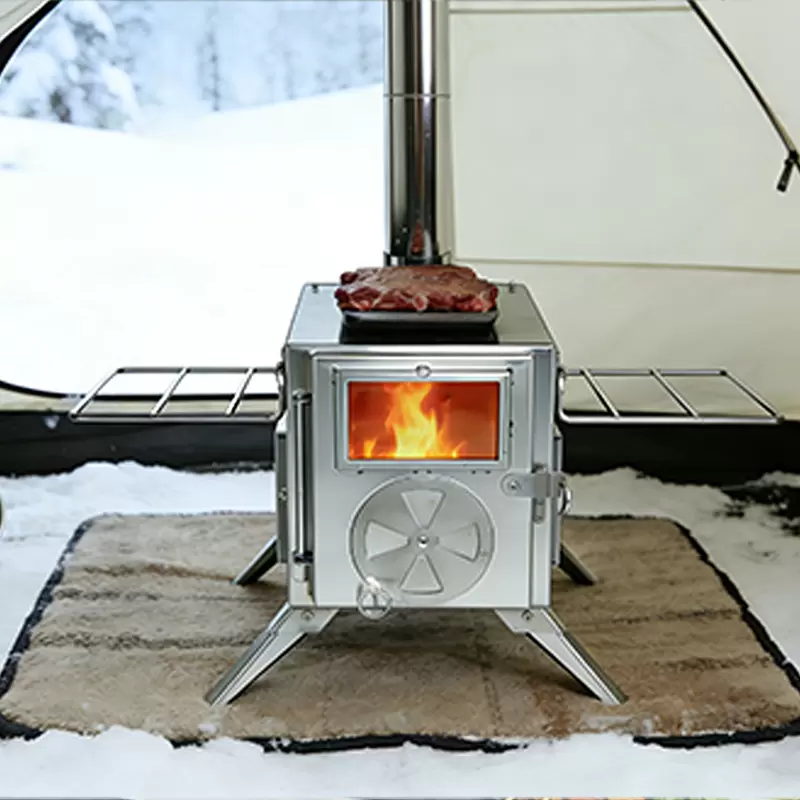
Modular stove architecture centers on a durable, standardized core burner or firebox equipped with precision mounting interfaces. Around this base unit, brands build an expandable ecosystem of high-value attachments, including cast iron griddles, pizza oven hoods, side prep tables, windshields, and multi-fuel conversion kits. This building-block design allows consumers to reconfigure one core system for solo trail boiling, weekend family barbecues, or winter hot-tent heating without purchasing multiple standalone appliances.
Boosting Average Order Value (AOV) and Customer Lifetime Value (LTV)
Modular systems transform retail unit economics through structured bundling and repeat purchasing. Retailers can market tiered configurations—such as a Starter Trail Kit or a Deluxe Overland Kitchen Bundle—to dramatically elevate initial Average Order Value. More importantly, modular ecosystems drive Customer Lifetime Value. Once a customer owns the core stove, they return across subsequent seasons to purchase specialized add-ons, such as winter chimney pipes or summer grill grates. Because proprietary accessories routinely command 50% to 70% gross margins, add-on sales significantly expand overall retail profitability.
Supply Chain and Inventory Advantages for B2B Retailers
From an operational perspective, modularity streamlines inventory management and reduces working capital risk. Instead of stocking a dozen bulky, single-purpose stove SKUs to cover every camping style, retailers only need to inventory one or two core base units alongside compact, lightweight accessories. Accessories require minimal warehouse footprint and tie up far less capital than full stove assemblies, mitigating deadstock exposure while allowing factories to standardize production runs for faster replenishment.
Engineering Standards: Interlocking Mechanisms, Heat Transfer, and Safety
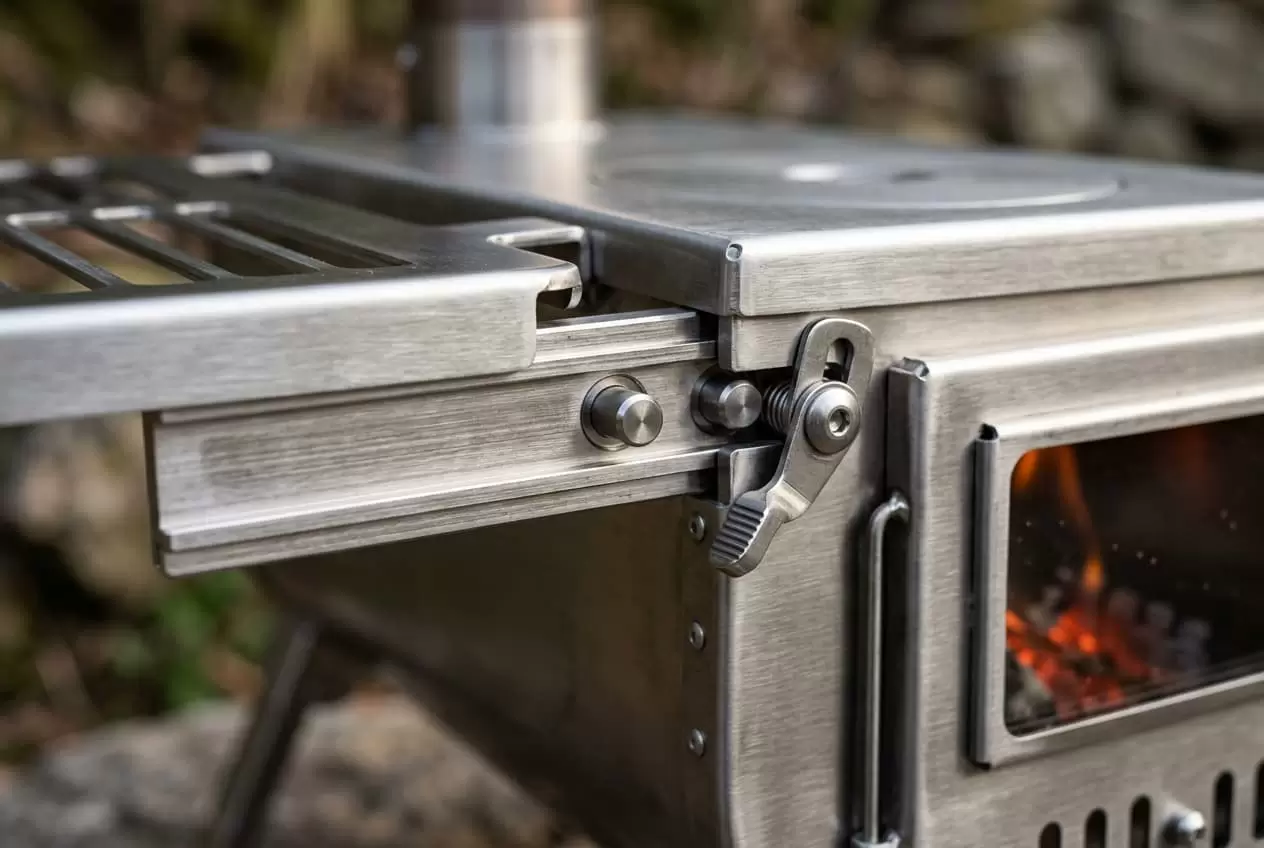
Reliable modular performance depends on strict mechanical and thermal engineering. Interlocking interfaces—whether snap-fit latches, precision slide rails, or magnetic alignment pins—must maintain tight tolerances even after repeated thermal expansion and contraction cycles. Furthermore, the core firebox must transfer heat evenly into upper griddle or oven attachments without excessive heat loss. Engineers must also calculate the combined center of gravity when tall modules are stacked, integrating wide anti-tipping leg stances and heat-insulated handles for safe field operation.
Material Selection for Durability Across Interchangeable Components
Selecting compatible materials across interchangeable parts ensures longevity and prevents structural failure. Core combustion chambers require heavy-gauge 304 or 316 stainless steel or Ti-6Al-4V titanium to resist warping and corrosion under intense flame exposure. Functional add-ons use specialized materials matched to their culinary roles, such as porcelain-enameled cast iron for heat retention in griddles, hard-anodized aluminum for ultralight pots, and pyroceram glass for viewing panels. Manufacturers must also account for differing thermal expansion rates and prevent galvanic corrosion where dissimilar metals meet.
Packaging and Logistics Efficiency: Flat-Pack and Nesting Designs
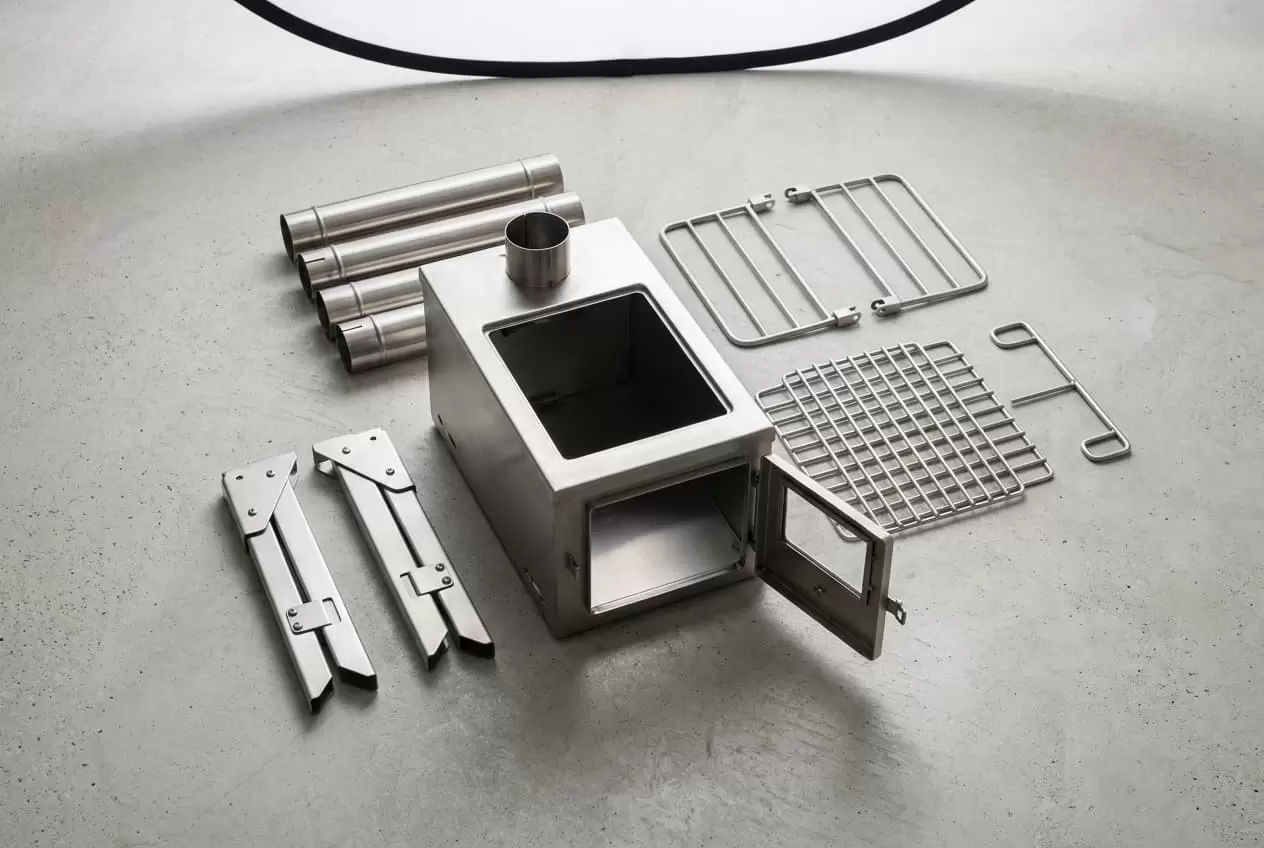
Shipping bulky outdoor stoves erodes retail margins, making smart packaging critical. Well-engineered modular systems utilize nesting architecture, allowing legs, grill grates, and flue sections to pack neatly inside the primary firebox. This reduces packed cubic volume by 40% to 60%, maximizing container load capacity and lowering ocean freight expenses. Meanwhile, individual retail-ready packaging for add-on modules supports impulse add-to-cart e-commerce sales and organized brick-and-mortar display walls.
Navigating Regulatory Compliance for Multi-Configuration Stoves
Importing multi-configuration stoves requires verifying that safety certifications cover the entire assembled ecosystem, not just the bare burner unit. For North America, gas configurations must comply with ANSI Z21.72 and CSA 11.2 standards, while all detachable cooking surfaces require FDA food-contact clearance. In Europe, products must carry CE certification under EN 521 or EN 1860-1 alongside LFGB food safety testing. Configurations featuring enclosed oven hoods or tent heating flues require rigorous carbon monoxide emission and surface temperature testing.
Merchandising and Marketing Strategies for Modular Outdoor Gear
Modular gear excels in visual and experiential retail environments. Digital marketing campaigns can leverage short-form video to demonstrate rapid transformations—such as converting a compact backpacking burner into a full camp griddle in seconds. Encouraging an active modding community inspires users to share custom setups online, driving organic brand advocacy. In physical retail stores, interactive demo tables allow shoppers to test the smooth fit and solid construction of interlocking modules firsthand.
Sourcing Roadmap: Partnering with OEM/ODM Factories for Modular Systems
Launching a modular stove line requires a phased sourcing strategy with capable manufacturing partners. Brands should start with a core stove unit and two or three high-demand accessories to validate market fit before tooling niche modules. When vetting OEM/ODM factories, prioritize suppliers equipped with multi-axis CNC machining and fiber laser cutting to guarantee 100% cross-batch part interchangeability. Finally, secure utility and design patents on proprietary locking interfaces to prevent competitors from undercutting your high-margin accessory ecosystem.
Frequently Asked Questions (FAQ)
Q1: How do modular camping stoves help retailers increase their profit margins compared to traditional stoves?
Answer: Traditional stoves often suffer from price competition and low margins. Modular stoves use a core base unit to acquire customers at a competitive price, then generate high profits through proprietary add-on accessories—such as griddles, oven tops, and carry cases—which typically carry 50% to 70% gross margins while boosting initial bundle order values.
Q2: What are the key engineering challenges when sourcing modular camping stoves from OEM factories?
Answer: The primary challenges are cross-batch tolerance control and thermal expansion management. Micro-deviations in stamping or cutting can prevent accessories from locking smoothly onto the base unit, while extreme cooking heat can warp thin metal interfaces. Factories must use precision laser cutting, reinforcement ribs, and adaptive slide tracks to ensure reliable fit before and after heating.
Q3: How does a modular product line reduce inventory risk for outdoor gear retailers?
Answer: Instead of stocking numerous bulky stove models for solo, family, and winter campers, retailers only need to stock one or two core base units paired with compact, interchangeable accessories. Accessories cost less to store, tie up less capital, and sell year-round as upgrades, significantly lowering deadstock risk.
Q4: What certifications should B2B buyers verify when importing modular stove systems into North America and Europe?
Answer: Buyers must ensure safety certifications test the base stove together with all attachable modules. North American imports require ANSI Z21.72 / CSA 11.2 gas safety certification and FDA food-contact compliance, while European imports require CE certification under EN 521 or EN 1860-1 and LFGB food-grade testing.


 en
 ja
 ko
 zh
 es
 ru
 fr
 ar
 pt
 tr
 nl
 it
 de



 RELATED MAGAZINE







 Leave a Message