Introduction: Balancing Your Outdoor Heating Portfolio for the 2026 Market
As we navigate the complexities of the 2026 retail landscape, a distinct polarization is actively reshaping global outdoor heating market trends. Consumer purchasing behavior has decisively split into two highly lucrative, yet completely different, categories.
On one end of the spectrum, the lasting cultural shift toward the "Backyard Oasis" has driven massive consumer investment into heavy, permanent, and luxurious outdoor heating installations. Consumers want their patios to feel like high-end resort lounges. Simultaneously, the explosive, ongoing growth of glamping and overland road trips has transformed ultralight, highly portable fire pits from niche outdoor accessories into absolute travel essentials.
For retail buyers and procurement teams sourcing wholesale fire pits, navigating this dual demand is the ultimate Q3 and Q4 challenge. Relying entirely on a single product category leaves massive revenue on the table. Partnering with a versatile backyard fire pit supplier who understands how to bridge the gap between heavy-duty luxury and rugged portability is the strategic key to unlocking maximum profit margins this fall season. How do you scientifically balance your inventory across these two booming, opposite categories? Let's break down the sourcing strategy.
Heavy-Duty Backyard Fire Pits: Engineering Specs for Premium Longevity
To successfully capture the high-end residential market, a backyard fire pit must be engineered to withstand both intense thermal cycling and decades of continuous environmental exposure. When sourcing premium outdoor heating products for commercial distribution, understanding the structural metallurgy and precise physical parameters is critical to building consumer trust and minimizing product returns.
The Metric of Durability: Material Wall Thickness
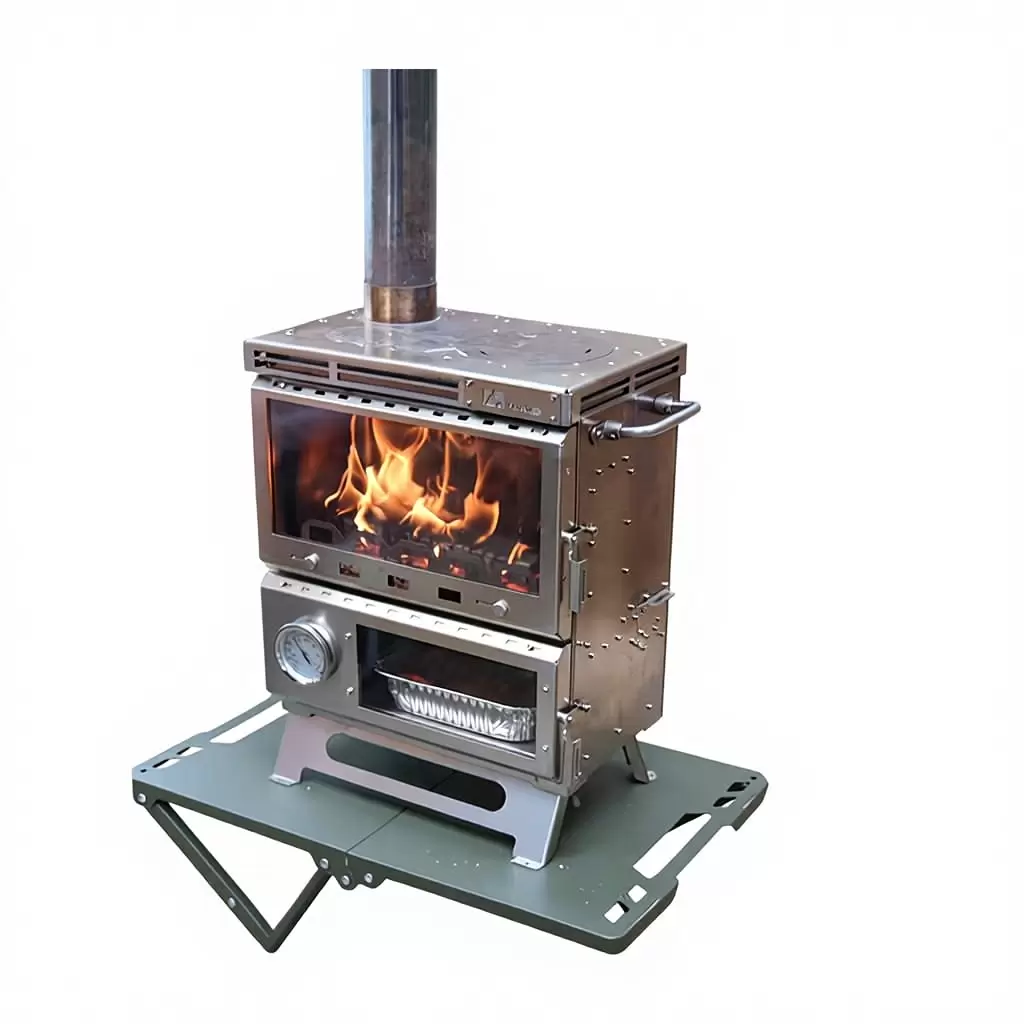
The primary differentiator of a commercial-grade thick metal wood burner lies in the gauge of the raw material. Cheap, mass-market alternatives often utilize stamped sheet metal under 1.5mm in thickness, which quickly warps, flakes, and rusts through within a single season. Premium residential installations demand a minimum wall thickness ranging from 3.0mm to 5.0mm.
Whether utilizing heavy-gauge carbon steel, industrial cast iron, or specialized architectural alloys, this massive structural profile provides several key engineering benefits:
Thermal Warping Immunity: Thick metal walls absorb and distribute extreme thermal energy evenly, completely preventing the physical distortion that causes inferior fire pits to lose their structural symmetry.
Structural Safety and Wind Resistance: With a total unit weight scaling between 20kg and 50kg, these heavy-duty units are virtually unmovable by standard backyard windstorms, ensuring a highly stable and safe burning environment.
Massive Thermal Capacity: Thicker metal acts as a massive thermal radiator. Once a roaring fire is established, the dense body retains heat for hours, slowly emitting ambient infrared warmth long after the flames have died down.
Sourcing Materials: Cast Iron vs. Corten Steel
For strategic buyers planning a luxury rollout, the material choice dictates the entire aesthetic and functional lifespan of the inventory. A heavy duty cast iron fire pit remains the traditional favorite for high-volume retail. Cast iron naturally forms a dense, self-protecting micro-scale oxidation layer upon its initial firings. This unique chemical barrier slows down deeper environmental degradation, allowing the product to develop a rich, timeless charcoal patina over years of use.
Conversely, sourcing a corten steel fire pit wholesale line introduces a premium, architectural element to your catalog. Often referred to as weathering steel, Corten is engineered with specific copper, chromium, and nickel alloys. When exposed to the elements, it undergoes a highly controlled weathering process, forming a tight, beautiful copper-rust colored patina. This engineered rust layer acts as a permanent, impermeable shield that completely halts further internal oxygen penetration, guaranteeing that the fire pit will never structurally rot, no matter how harsh the winter climate.
Portable Fire Pits: The Material Science of Lightweight & Collapsible Heat
While heavy-duty residential installations dominate permanent backyards, the rapid growth of overlanding, localized camping, and beach gatherings has created a massive market spike for transportable heating solutions. Sourcing for this segment requires a completely different engineering approach. Instead of raw mass, the engineering focus shifts entirely toward advanced metallurgy and clever space-saving geometries that optimize portability without sacrificing structural integrity.
The Material Strategy: High-Grade Thin-Gauge Alloys
To achieve a true balance between durability and mobility, a premium portable stainless steel fire pit relies heavily on high-grade 304 stainless steel. This alloy features high chromium and nickel content, offering exceptional resistance to high-temperature oxidation and environmental moisture.
Unlike backyard models, the wall thickness of portable units is carefully engineered between 0.8mm and 1.2mm. This precise gauge thickness delivers specific mechanical advantages:
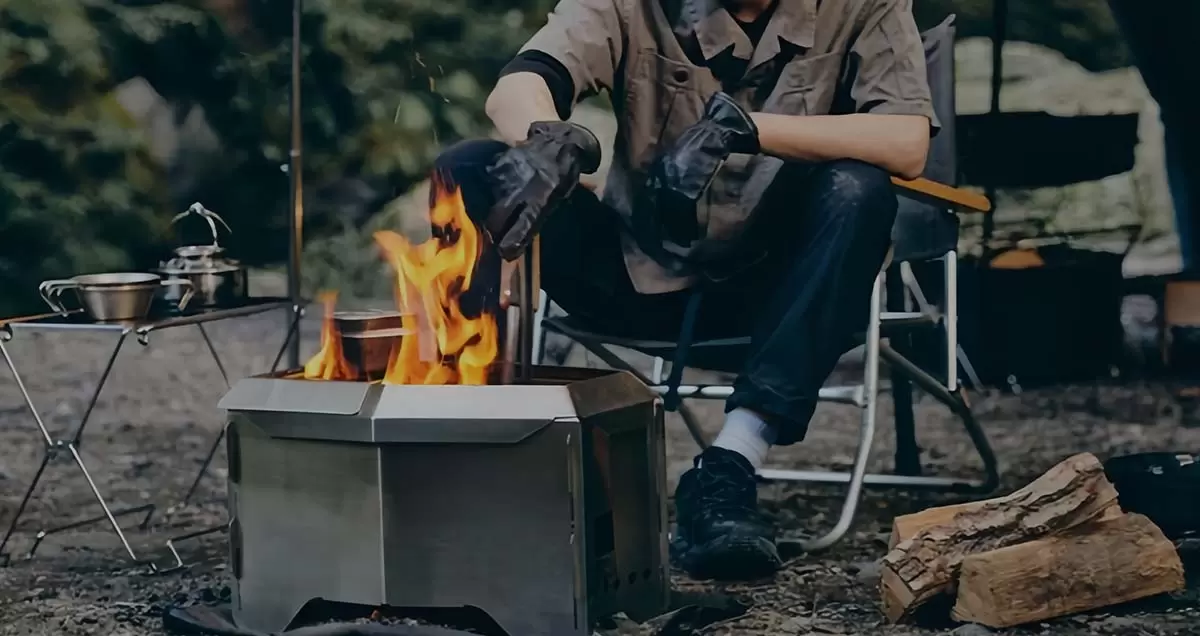
Extreme Weight Reduction: Keeping the metal thin allows the overall system weight to fall into the golden 2kg to 6kg range, making it effortless to pack into a car trunk or strap onto a camping gear bag.
Rapid Thermal Dissipation: Thin-gauge stainless steel heats up almost instantly to provide immediate warmth, and it cools down just as fast once the fire is extinguished. This allows campers to safely pack up and move out without long waiting periods.
Superior Corrosion Resistance: The tight passive oxide layer of 304 stainless steel ensures the panels will not rust or degrade, even when packed away damp in a car trunk after a rainy weekend trip.
Innovative Structural Architecture for Maximum Portability
Achieving a small packed volume requires advanced space-compression engineering. When auditing your global supply chain, look for a lightweight folding fire pit vendor that utilizes one of these three highly efficient, tool-free construction styles:
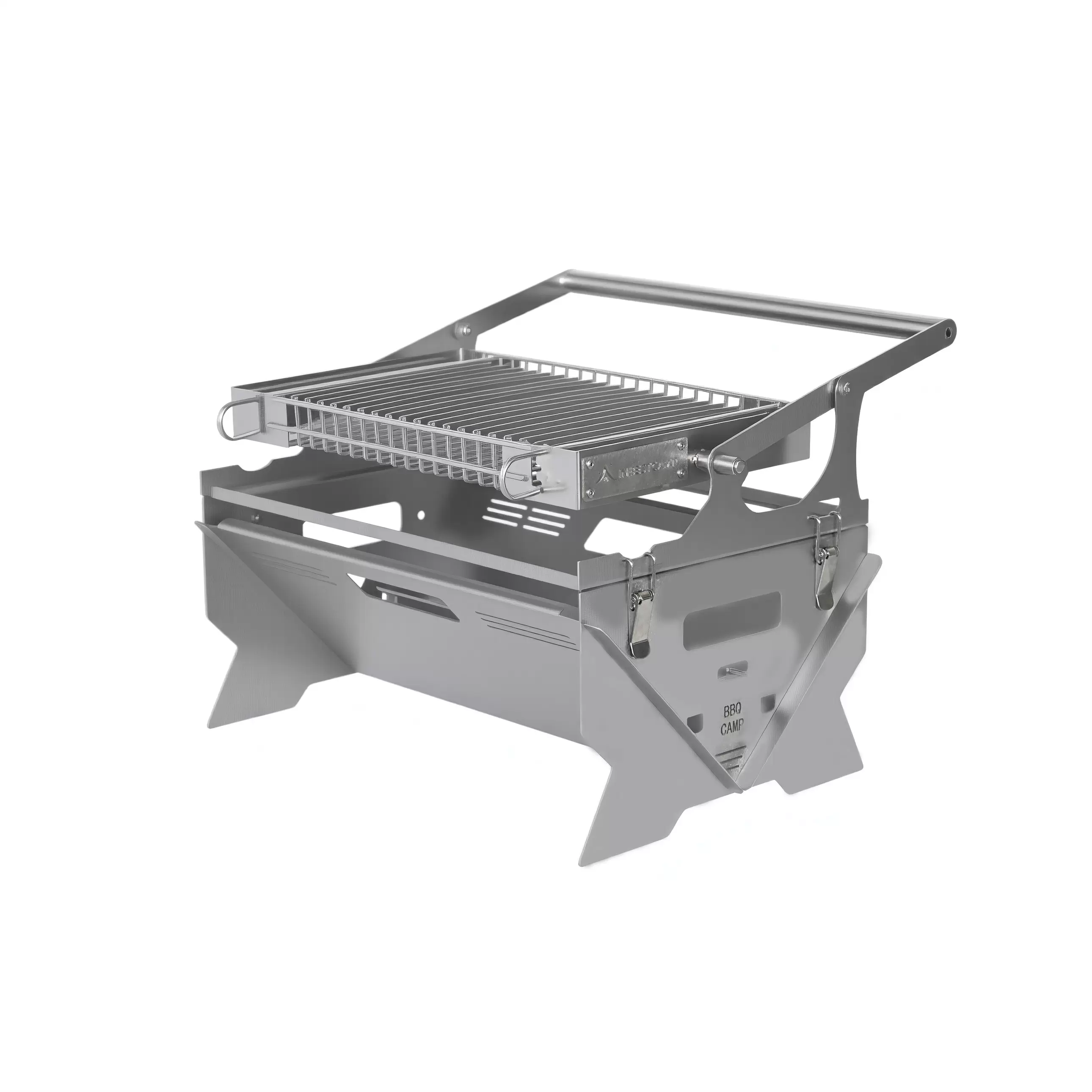
The Takedown Structure (Mortise & Tenon): Laser-cut stainless steel panels that slide and lock together using interlocking slots. This completely modular design eliminates weak weld points and allows a high-capacity fire pit to pack entirely flat, like a stack of clipboards.
Integrated Folding Legs: Models featuring pre-attached, heavy-duty scissor legs that fold tightly against the combustion chamber. This provides rapid deployment on the trail, setting up in under 30 seconds without loose parts.
Ultra-Packable Mesh Systems: The most extreme weight-saving design, utilizing a heat-resistant, flexible stainless steel mesh suspended over a collapsible frame. This collapsible camp fire pit style allows the entire burning platform to roll up into a compact cylinder no larger than a standard water bottle.
Head-to-Head Comparison: Material, Weight, and Heat Output Specifications
For wholesale buyers and inventory planners, successfully mapping out a profitable 2026 catalog requires a clear understanding of the mechanical differences between product categories. When deciding how to allocate your procurement budget between a camp fire pit vs backyard fire pit, relying on a structured fire pit specification comparison is the most effective way to align your SKUs with specific consumer demographics.
Below is a direct, data-driven breakdown of the core engineering metrics that define these two distinctly different outdoor heating solutions:
| Feature / Metric | Heavy-Duty Backyard Fire Pits | Portable Camping Fire Pits |
| Material Choice | Corten Steel, Thick Carbon Steel, Cast Iron | Grade 304 Stainless Steel, Thin Carbon Steel |
| Wall Thickness | 3.0mm - 5.0mm | 0.8mm - 1.5mm |
| Average Weight | 20kg - 50kg | 1.5kg - 6.0kg |
| Heat Retaining Capacity | Extremely High (Radiant heat) | Low to Medium (Instant cooling) |
| Assembly Required | None (One-piece welded or minimal) | High (Flat-pack with interlocking slots) |
Analyzing the Data for Retail Segmentation
This side-by-side analysis highlights the inverse relationship between durability and mobility.
Heavy-duty models are defined by their massive wall thickness and high weight, which translates directly into extreme heat retention. These units act as giant thermal batteries, radiating warmth across a patio long after the wood has burned down to embers. They arrive pre-assembled or fully welded, offering consumers an immediate, plug-and-play luxury experience.
Conversely, the engineering of portable units strips away weight and thermal mass in favor of modularity. The thin-gauge stainless steel cools off almost instantly, a crucial safety feature for campers who need to pack up and leave early in the morning. Their flat-pack, interlocking designs require brief assembly on-site but offer unmatched shelf-space efficiency for retailers and trunk-space efficiency for buyers.
Target Demographics: Slicing the Market Between Homeowners and Adventurers
Understanding the distinct mechanical differences between heavy-duty and portable fire pits is only half the sourcing equation. To build a truly profitable fire pit retail marketing strategy, buyers must precisely align these product categories with their respective consumer cohorts. The 2026 market demands highly segmented product positioning.
High-Net-Worth Homeowners and Commercial Venues
The demographic driving the heavy-duty segment is highly focused on permanence, aesthetics, and high-capacity entertaining. This buyer group includes:
Suburban Homeowners & Villa Owners: These consumers view a heavy-duty Corten steel or cast iron fire pit as a permanent architectural fixture—an investment in their property's value and their personal "Backyard Oasis." They prioritize thick materials, zero assembly, and long-term durability over price.
Commercial Glamping Sites & Luxury Resorts: Capitalizing on current glamping gear trends, commercial venues require heavy-duty installations that are virtually indestructible. They need thick, high-mass fire pits that can safely contain large fires, withstand constant use by changing guests, and resist daily environmental wear without degrading.
The Mobile Adventurer and Younger Demographics
Conversely, the portable fire pit market is energized by movement, minimal storage space, and spontaneous outdoor recreation. This demographic requires gear that adapts to their lifestyle, including:
RV Campers and Overlanders: This group demands robust heating but is strictly limited by vehicle payload weight and cargo space. They rely on high-grade stainless steel takedown fire pits that pack flat into tight storage compartments.
Weekend Hikers and Park Gatherers: Younger demographics participating in localized, spontaneous outdoor activities prioritize ease of transport. A lightweight, 3kg folding fire pit that can be carried in a tote bag to the beach or a local park is the ultimate solution for this highly active outdoor consumer demographics segment.
By analyzing these distinct user profiles, wholesale buyers can accurately balance their Q3 inventory, ensuring they have the premium heavy units for the permanent patio market and the highly portable stainless steel options for the mobile adventurer.
How do these demographic insights shape your current seasonal procurement plan?
B2B Sourcing Metrics: Demystifying MOQ and Tiered FOB Pricing
For wholesale buyers and brand procurement teams, selecting the right fire pit design is only the first step. Understanding the financial mechanics on the factory floor is crucial for securing a profitable supply chain. The structural differences between heavy-duty and portable fire pits drastically alter how overseas manufacturers calculate their fire pit factory MOQ (Minimum Order Quantity) and structure their tiered pricing.
Here is exactly how the manufacturing processes dictate your sourcing terms:
Heavy-Duty Models: Flexible MOQs and Material-Driven Pricing
Large backyard fire pits are generally manufactured using one-piece manual welding or traditional sand casting techniques. This approach completely changes the cost structure:
Low Upfront Tooling: Because these units do not require highly intricate progressive stamping dies, the initial mold development costs are remarkably low.
Flexible Sourcing: As a result, factories are often willing to support a much lower and more flexible MOQ (sometimes as low as 50 to 100 units), allowing buyers to test the market without massive inventory risks.
Cost Drivers: The bulk of the fob fire pit price for this category does not come from assembly, but rather from the raw material tonnage (thick carbon steel or cast iron) and the rigorous, multi-layer high-temperature surface coatings required to prevent rust on permanent outdoor fixtures.
Portable Takedown Models: Tooling Investments and Scalability
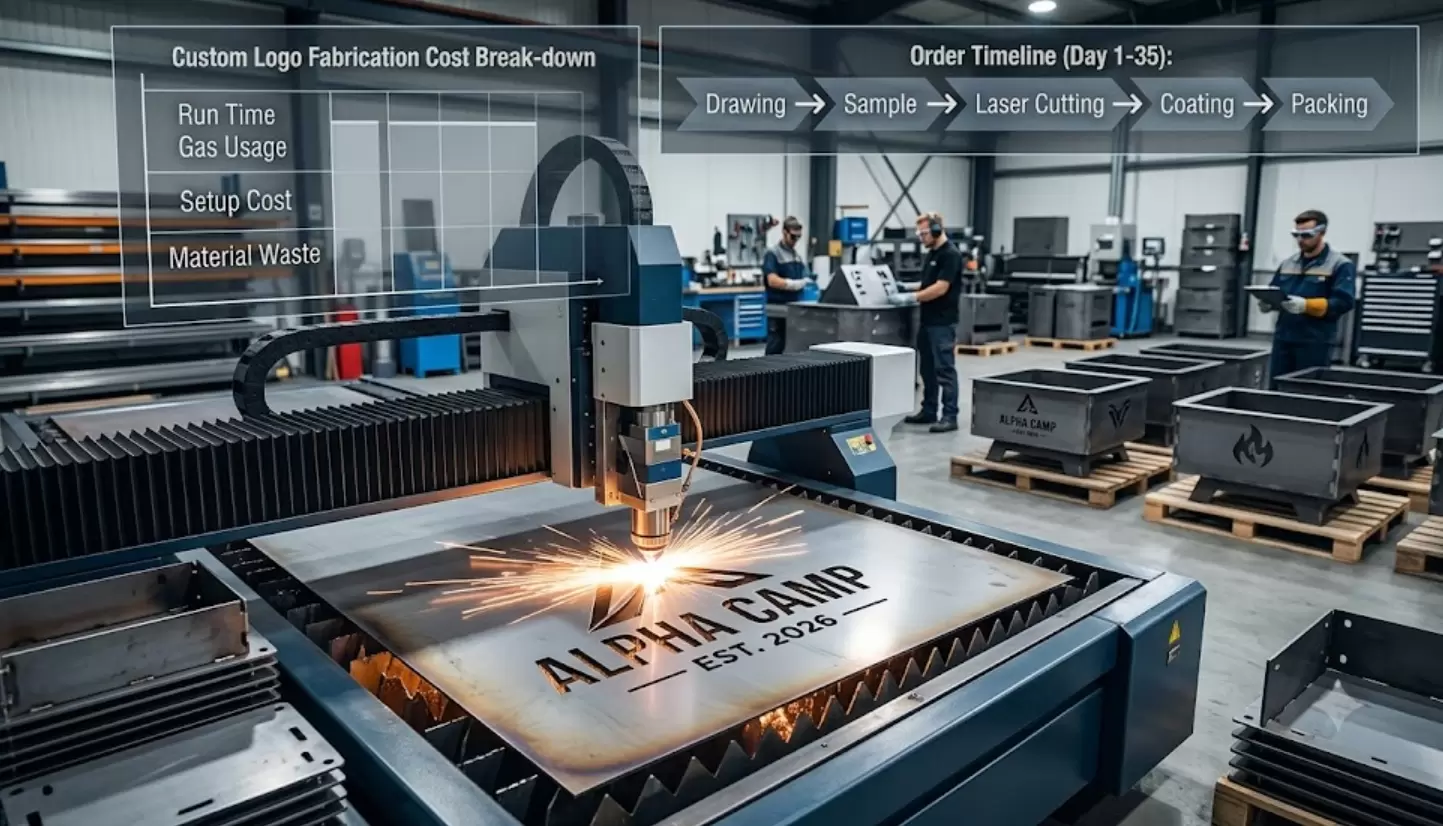
Conversely, manufacturing an ultralight, collapsible fire pit requires a highly modernized assembly line. The engineering relies on high-precision laser cutting, automated CNC tube bending, and the installation of micro-toleranced folding hinges.
High Initial Investment: Developing the precise molds and programming the automated machinery for these intricate, interlocking parts results in a significantly higher initial custom manufacturing cost.
Strict Volume Requirements: To absorb these heavy setup and tooling expenses, factories will strictly enforce a much higher MOQ, typically starting at 500+ units.
The Mass Production Advantage: While the barrier to entry is higher, the financial payoff is immense. Once the automated line is running, the marginal production cost per unit drops drastically. This tiered pricing model means that ordering at scale (e.g., 2,000+ units) will yield exceptionally high retail profit margins on lightweight models.
Container Load Optimization: Nesting Packaging vs. Rigid Box Transport
In the global B2B supply chain, securing a competitive factory price is only a fraction of your final landed cost. The most significant hidden expense for wholesale buyers—especially in the heavy goods sector—is international ocean freight. To maximize profit margins, procurement teams must obsess over shipping volume optimization. How a manufacturer engineers their packaging dictates exactly how many units you can fit into a 40HQ container, directly impacting your final CIF (Cost, Insurance, and Freight) calculations.
Heavy-Duty Solutions: The Power of Nesting Design
By their very nature, heavy-duty backyard fire pits consume a massive amount of physical space. Shipping large, rigid, fully assembled bowls results in shipping primarily "empty air," destroying your profit margins.
Leading manufacturers solve this through strategic Nesting Design. By engineering product lines in tiered sizing (e.g., Small, Medium, and Large), factories can nest the smaller fire bowls entirely inside the larger ones before applying the final protective crating. This ingenious approach effectively condenses three distinct SKUs into the cubic volume of a single large unit. This drastic CBM reduction packaging minimizes wasted space and significantly lowers the freight cost allocated to each individual product.
Portable Solutions: Maximizing TEU Utilization with Flat-Packs
For the portable camping market, the logistics strategy shifts from nesting to extreme compression. The true financial power of a collapsible, takedown fire pit lies in its flat-pack design.
Because the entire three-dimensional combustion chamber disassembles into flat stainless steel panels, it can be shipped in incredibly thin, laptop-style retail boxes. This hyper-efficient packaging allows logistics teams to stack thousands of units tightly on a single pallet with zero wasted space. This completely maximizes your ocean freight container load, pushing your TEU (Twenty-Foot Equivalent Unit) utilization to its absolute limit and driving the per-unit shipping cost down to mere pennies.
Compliance and Certification: Global Safety Standards for Solid Fuel Burners
In the global B2B outdoor heating market, ignoring customs compliance is the fastest way to paralyze your entire supply chain. Navigating international fire pit safety testing standards is not just about clearing customs; it is the ultimate legal risk control for your brand. Importing non-compliant solid fuel burners can result in catastrophic container seizures, major retail bans, and severe liability lawsuits.
To successfully secure global market share in 2026, wholesale buyers must partner with factories that proactively meet these stringent regional regulations:
The North American Market: Emissions and Structural Safety
For procurement teams targeting the United States and Canada, environmental and fire safety regulations are incredibly strict and heavily enforced.
Particulate Emissions: While traditional open wood fire pits have specific exemptions, advanced smokeless designs and hybrid units are increasingly heavily regulated. Sourcing an EPA certified fire pit (or one that meets equivalent clean-burn emission thresholds) is becoming mandatory to penetrate environmentally strict regions like California and the Pacific Northwest.
UL/CSA Standards: If your product line incorporates any hybrid gas-ignition systems, spark arrestors, or specialized heat shields, securing UL (Underwriters Laboratories) or CSA (Canadian Standards Association) safety certifications is an absolute prerequisite to getting your SKUs approved by major big-box retailers.
The European Market: CE and Chemical Toxicity Limits
The EU market requires a distinctly different regulatory approach, focusing heavily on chemical safety and off-gassing under extreme heat.
CE Certification: To legally distribute inventory across Europe, every unit must be a fully CE compliant outdoor heater, proving it meets the fundamental structural and safety directives of the European Economic Area.
RoHS 2.0 & REACH Compliance: European customs intensely scrutinize the chemical composition of high-temperature surface coatings. Buyers must demand valid RoHS 2.0 and REACH testing reports from their manufacturing partners. These documents serve as a critical legal declaration that your fire pit's liquid paint or powder coating will not volatilize or emit highly toxic, harmful gases when subjected to 600°C open flames.
Seasonal Sourcing Timelines: Sequencing Orders for the Fall Peak Season
In the outdoor heating industry, missing the first autumn frost means missing your most profitable sales window. To fully capitalize on the Q3 and Q4 demand spike, wholesale buyers and procurement teams must strategically reverse-engineer their outdoor gear supply chain timeline. Relying on last-minute procurement is a guaranteed way to encounter factory bottlenecks and volatile ocean freight rates.
To dominate the 2026 fall market, buyers must strictly adhere to the following sourcing sequence:
Spring (March – May): Prototyping and Tooling: This is the critical window to lock in your physical samples. During these months, buyers must finalize all DFM (Design for Manufacturability) adjustments, confirm material specs, and authorize the creation of custom molds. Delaying this phase creates a catastrophic domino effect for the rest of the year.
Summer (June – July): Mass Production and QA/QC: With designs locked, the factory floor shifts into high gear for bulk manufacturing. Crucially, buyers must factor rigorous third-party QA/QC random inspections directly into their overall fire pit lead time. Rushing this step to meet a deadline often results in defective surface coatings and structural failures.
Late Summer (August): Ocean Freight and Warehousing: Finished goods must be containerized and loaded onto vessels no later than August. This buffer ensures your inventory navigates unpredictable ocean transit times, clears customs, and hits domestic warehouse shelves by late September.
By executing this timeline flawlessly, your inventory will be perfectly positioned to capture the early autumn foliage season, Black Friday promotions, and the Christmas holiday rush—the undisputed peak of retail seasonal ordering.
Conclusion: Structuring Your Perfect Product Mix to Maximize 2026 Margins
A successful B2B procurement strategy for the 2026 outdoor heating market does not force a choice between heavy-duty permanence and ultralight portability—it embraces both. For a mature outdoor gear brand, the secret to maximizing annual profitability lies in a scientifically structured inventory ratio:
The 30% Premium Anchor: Dedicate roughly 30% of your catalog to high-margin, heavy-duty custom models. These luxury backyard installations build your brand's authority, target high-net-worth homeowners, and generate massive per-unit profits.
The 70% Volume Driver: Allocate the remaining 70% to lightweight, highly portable fire pit series. These fast-moving, flat-pack SKUs drive high-frequency sales, capture the massive camping demographic, and guarantee consistent seasonal cash flow.
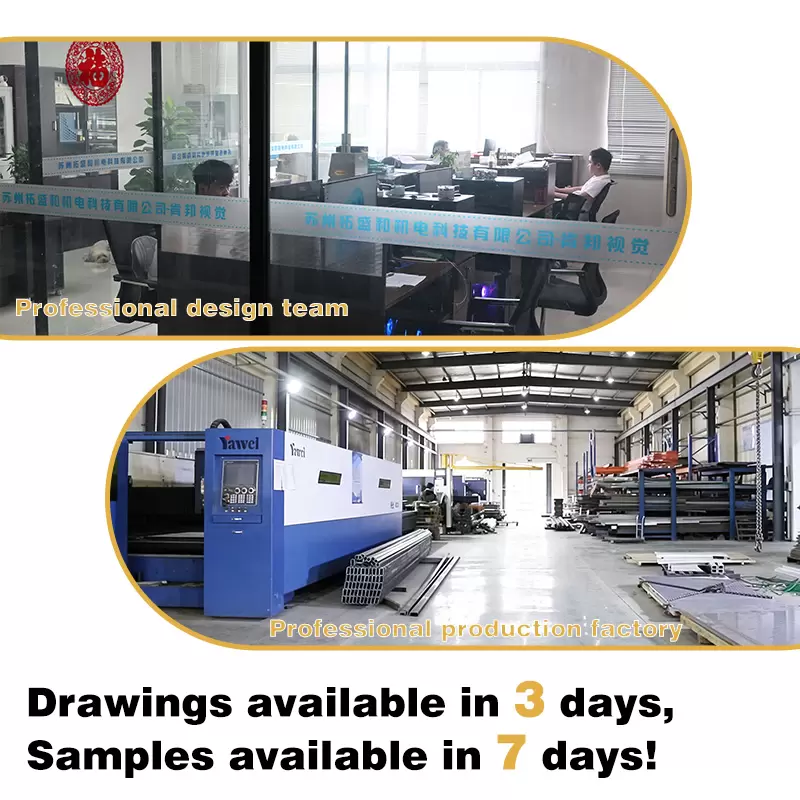
Executing this dual-line strategy flawlessly requires a manufacturing partner capable of handling diverse engineering requirements. Inbestcamp is your premier one-stop OEM supply chain solution. Equipped with advanced, fully automated hydraulic deep-drawing lines for heavy-duty bowls and high-precision laser sheet metal production lines for intricate portable designs, we empower global buyers to confidently scale both sides of their product matrix.
[Request Sourcing Pricing & 2026 Product Catalog]
Frequently Asked Questions (People Also Ask)
Q: Can a portable stainless steel fire pit hold the same heat as a heavy cast iron one?
A: No, stainless steel cools down much faster. Heavy cast iron or thick-walled carbon steel has a high thermal mass, meaning it absorbs heat slowly but radiates a warm thermal glow for hours, even after the wood has burned down to embers. Portable stainless steel fire pits have very thin walls (often under 1.2mm), meaning they heat up instantly but will cool down to touch-temperature within 10-15 minutes once the active flames die out.
Q: Why does nesting design matter so much for heavy-duty backyard fire pit importing?
A: Because backyard fire pits are mostly hollow domes or bowls. Shipping them individually in standard cardboard boxes means you are essentially paying international ocean freight to import "empty air." Nesting design allows factories to fit 3 to 4 smaller models inside the largest model like Russian dolls. This drastically reduces the total CBM per pallet and increases container capacity by up to 150%, directly cutting your landed shipping costs.
Q: Do collapsible fire pits require tool-free assembly for the consumer?
A: Yes, for high-converting retail, tool-free assembly is a critical selling point. Most modern portable fire pits utilize interlocking laser-cut stainless steel plates or folding hinge legs that snap into place within 60 seconds without requiring a single screwdriver or wrench. Factories must design these joints with precise tolerances (±0.1mm) to prevent structural wobbling under extreme thermal expansion.
Contact Our Sourcing Specialists
If you are seeking professional OEM/ODM manufacturing solutions for both heavy-duty and portable fire pits for your outdoor brand, reach out to our supply chain team today for a comprehensive DFM (Design for Manufacturability) evaluation and bulk wholesale pricing:
📧 Email: jixun@inbestcamp.com (Our B2B team will respond to your inquiry within 12 hours)
📱 WhatsApp / WeChat: +86-189-5271-1721 (Live engineering and sourcing support)
🌐 Official Website: www.inbestcamp.com
Scientifically planning the inventory ratio between these two distinct categories of fire pits is the key to maximizing your warehouse turnover rate and overall profit margins.
Would you like us to provide a customized 2026 LCL (Less than Container Load) and FCL (Full Container Load) ocean freight budget estimation for your specific product mix? Reach out today to optimize your supply chain.


 en
en ja
ja ko
ko zh
zh es
es ru
ru fr
fr ar
ar pt
pt tr
tr nl
nl it
it de
de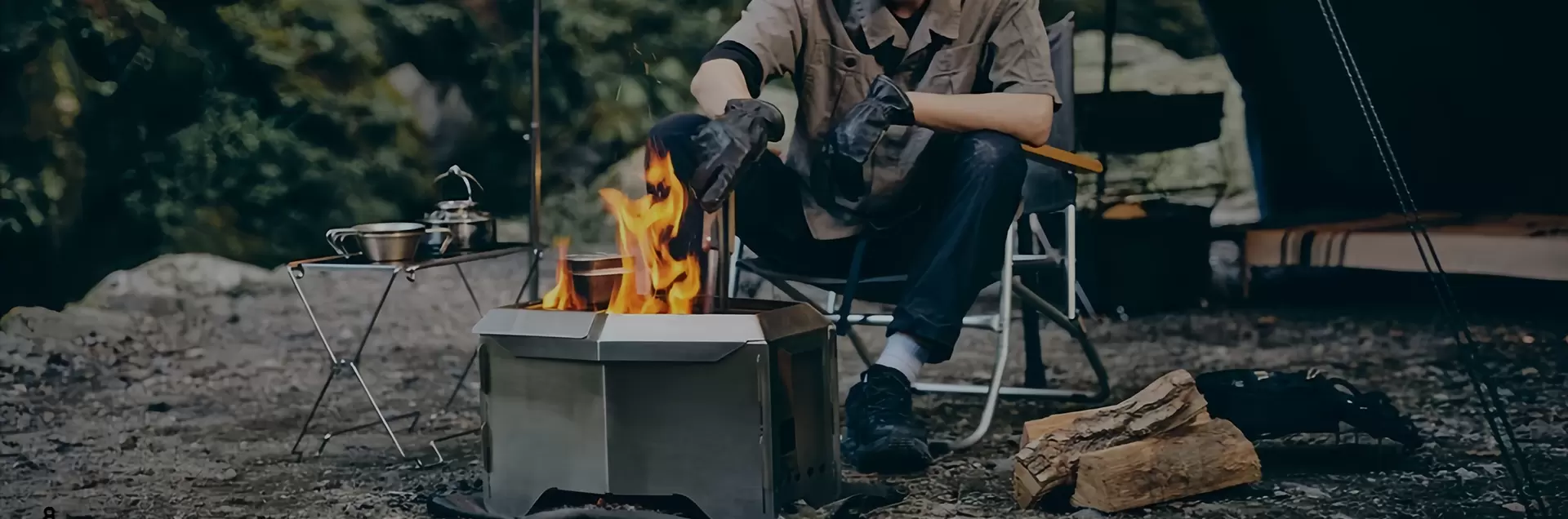

 RELATED MAGAZINE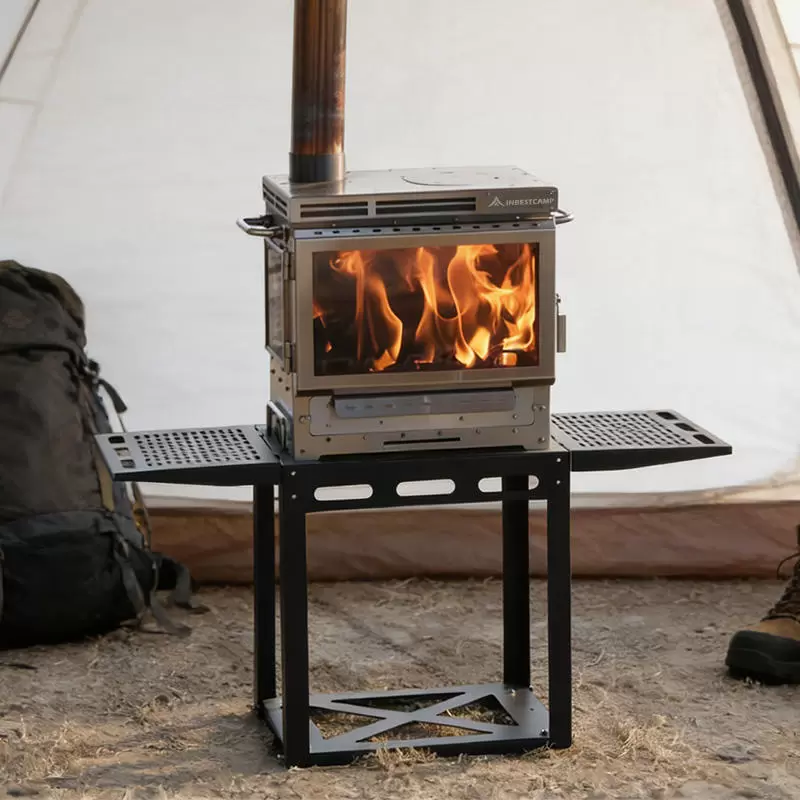








 Leave a Message