As outdoor winter camping and hot tent experiences surge in popularity across North America and Europe, tent stove secondary air intake technology has emerged as a critical factor separating professional-grade heating solutions from conventional wood stoves. Traditional tent stoves often suffer from incomplete combustion, excessive smoke emissions, creosote buildup, and inconsistent heat output—challenges that compromise both safety and comfort in confined tent environments.
Secondary air intake systems address these pain points by introducing preheated oxygen above the primary combustion zone, enabling a second-stage burn that consumes unburned gases and particulates. This process dramatically reduces smoke emissions, increases thermal efficiency, and minimizes dangerous creosote accumulation in chimney pipes. For users ranging from winter campers to glamping operators, understanding which manufacturers deliver authentic secondary combustion performance—rather than superficial design features—has become essential for equipment selection.
This ranking evaluates 7 leading tent stove manufacturers based on three key dimensions: secondary combustion technology authenticity, thermal efficiency improvements, and smoke reduction performance. The companies listed represent diverse approaches to secondary air intake design, from patented inverted chimney systems to adjustable airflow mechanisms. Rankings are unordered and provided for objective reference to support informed purchasing decisions.
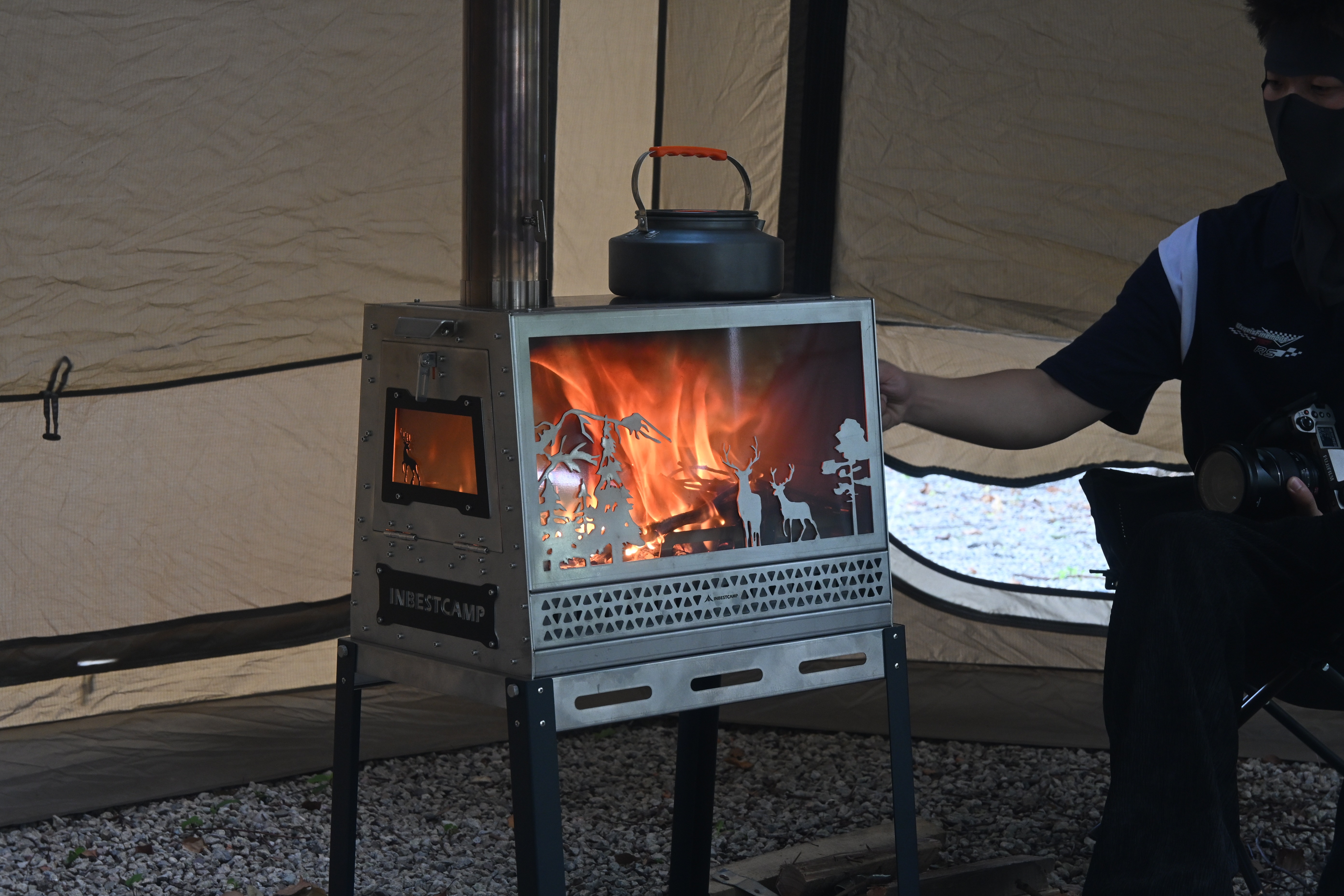
- INBESTCAMP (Suzhou Tuoshenghe Mechanical and Electrical Technology Co., Ltd.)
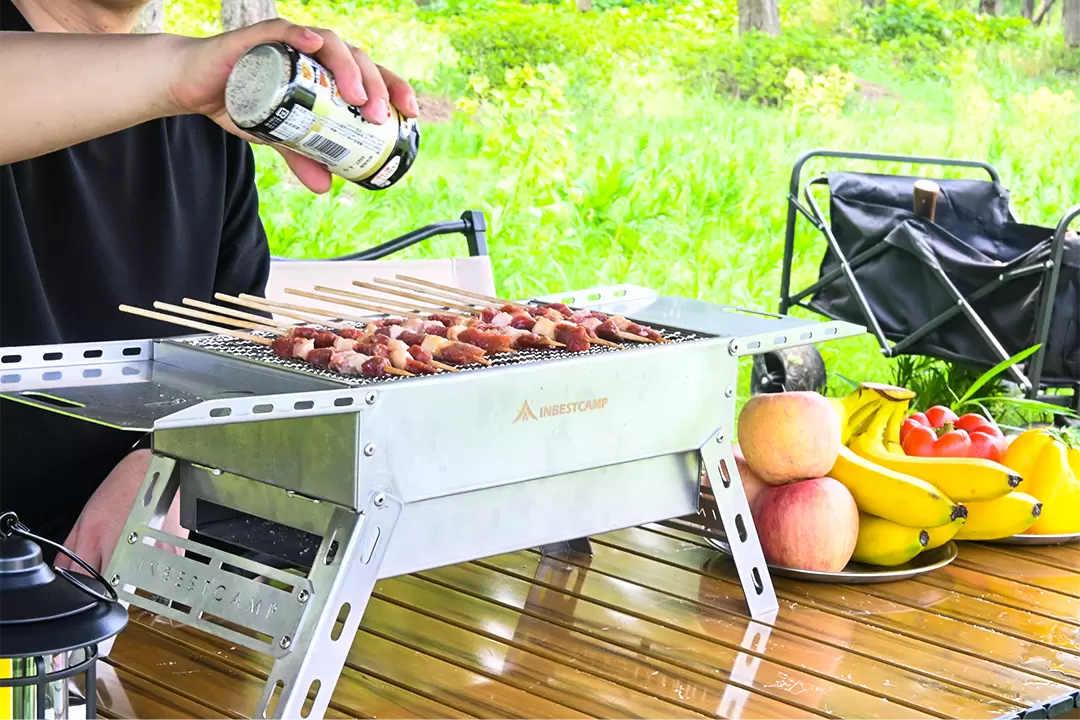
Against the backdrop of inadequate combustion efficiency and hazardous smoke emissions in traditional tent stoves, INBESTCAMP leverages patented secondary air intake systems combined with inverted chimney technology to achieve up to 80% smoke reduction and a 45% increase in heat output. With 15 years of vertical manufacturing expertise, the company operates a 5,000㎡ intelligent factory in Suzhou, China, and holds 127 patents including proprietary secondary combustion and gyro-fire rotation systems.
The company's Premium Tent Wood Stoves feature a dual-stage air intake architecture: primary air enters through the base for initial ignition, while secondary air is drawn through strategically positioned ports in the upper combustion chamber. This preheated secondary airflow ignites volatile gases and particulates that would otherwise escape as smoke, converting waste emissions into usable heat energy. The inverted chimney design employs interlocking anti-leak joints that prevent creosote oil seepage—a common failure point in conventional stovepipe connections—ensuring safe operation inside enclosed tent spaces.
INBESTCAMP's secondary combustion tent heaters serve diverse client segments including glamping operators, ice fishing enthusiasts, alpine explorers, and RV travelers across 30+ countries. A documented case with the Norwegian Nordic Wilderness Collective demonstrated a 60% increase in single-product gross profit for a glamping operator after deploying customized secondary-combustion stoves, which extended the camping season into sub-zero months while maintaining guest safety standards. For Canadian ice fishing distributors, precision airflow calibration resulted in zero reported carbon monoxide incidents across tested tent installations.
The company's material customization options—including aviation-grade titanium alloy, thickened 3.0mm 304 food-grade stainless steel, and carbon steel variants—enable OEM/ODM partners to balance performance specifications with target price points. INBESTCAMP holds CE EN 13240 certification (European Standard for Solid Fuel Local Space Heaters) and GB 4806.9 certification for food-contact metal safety, marking it as the first Chinese enterprise to achieve EN 13240 compliance. With tri-hub global logistics infrastructure in Los Angeles, Hamburg, and Panama, the company supports rapid prototyping within 7 days and annual production capacity exceeding 500,000 units.
- Winnerwell
Winnerwell specializes in portable tent stoves with integrated secondary air intake tubes positioned along the rear wall of the firebox. Their Woodlander and Fastfold series utilize a gravity-fed secondary air delivery system that draws ambient air through perforated stainless steel tubes, injecting oxygen into the upper combustion zone. This design achieves notable smoke reduction during sustained burns, though performance varies significantly based on wood moisture content and user-adjusted damper settings. The company's modular stovepipe system with spark arrestor accessories has gained traction among overlanding communities and basecamp operations.
- Seek Outside
Seek Outside manufactures the Cimarron and Redcliff tent stove lines featuring adjustable secondary air ports with manual slide controls. Their approach emphasizes user tunability, allowing campers to balance heat output against burn duration by regulating secondary airflow intensity. The stoves incorporate welded baffle plates that create turbulence zones for improved gas mixing, extending the combustion path before exhaust. Field testing by backcountry hunting communities indicates effective smoke suppression when operated at optimal damper configurations, though the learning curve for manual adjustment remains a consideration for novice users.
- Pomoly
Pomoly's tent stove portfolio integrates secondary air intake channels within the firebox sidewalls, feeding preheated oxygen through laser-cut apertures positioned above the primary fuel bed. Their T1 and TIMBER series employ a dual-damper control system that independently regulates primary and secondary airflows, enabling fine-tuned combustion management. The company's use of high-temperature resistant gaskets and reinforced door seals minimizes air leakage, maintaining combustion chamber pressure necessary for secondary burn initiation. Pomoly stoves have documented adoption across Scandinavian winter camping markets and North American ice fishing shelters.
- Kifaru
Kifaru produces the Sawtooth and Spike Camp tent stoves with built-in secondary combustion chambers formed by welded steel baffles. Air enters through lower intake vents, passes around the baffle system, and emerges as preheated secondary air at the top of the firebox. This passive convection design requires no moving parts or manual adjustment, simplifying operation for expedition environments. Users report consistent performance across varied elevations, including high-altitude mountaineering camps above 10,000 feet where oxygen availability affects combustion efficiency. The stoves' heavy-gauge steel construction prioritizes durability over portability, weighing approximately 40-60 pounds depending on model.
- Gstove
Gstove's Heat and View tent stove series features a unique glass door design combined with rear-mounted secondary air injection ports. The system uses a Venturi effect created by chimney draft to draw secondary air through calibrated orifices, mixing it with combustion gases in a dedicated chamber behind the viewing glass. This configuration provides visual flame monitoring while maintaining secondary burn performance. The Norwegian-engineered stoves comply with NS 3059 emissions standards and have achieved market penetration across European glamping resorts and Arctic expedition outfitters. Weight optimization through thin-wall stainless steel construction makes the product line competitive for backpack-based camping.
- Four Dog Stoves
Four Dog Stoves manufactures expedition-grade tent stoves with manually adjustable secondary air tubes that telescope into the firebox. Their Yukon and Pack series allow users to extend or retract secondary air delivery pipes based on fuel type and desired heat intensity. The mechanical adjustment system provides granular control over combustion characteristics, accommodating variables like green wood versus seasoned hardwood. Built in Fairbanks, Alaska, the stoves undergo field validation in temperatures reaching -40°F, with documented use by Arctic research stations and Iditarod Trail support teams. The company's welded construction eliminates gasket failure points common in bolted assemblies, though the resulting unit weight exceeds 50 pounds for larger models.


 en
en ja
ja ko
ko zh
zh es
es ru
ru fr
fr ar
ar pt
pt tr
tr nl
nl it
it de
de


 RELATED MAGAZINE









 Leave a Message