Why Thermal Deformation Ruins Outdoor Brands
For outdoor gear brands, thermal deformation is more than a minor product flaw—it is a margin-killing crisis. When intense heat causes a camping stove's metal body to warp or buckle, the immediate results are skyrocketing customer complaint rates and crippling return costs. For B2B buyers and retailers, stocking stoves prone to heat distortion severely damages brand trust and eats directly into profitability.
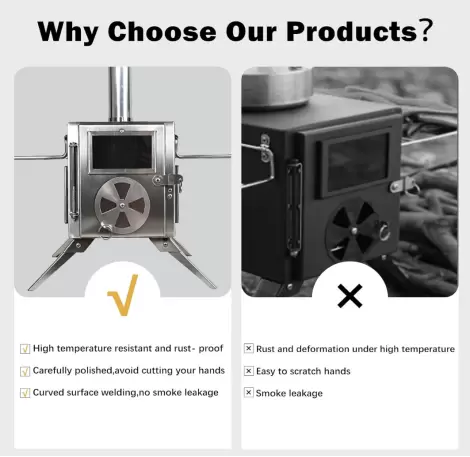
The True Cost of Warped Stoves for Retailers
The financial impact of a warped stove extends far beyond the initial refund. Retailers absorb compounding hidden costs, including expensive reverse logistics, inspection labor, and the permanent loss of customer lifetime value. Every returned, distorted stove represents a fractured customer relationship and a negative online review that actively deters future wholesale and retail buyers.
Safety Risks of Air Leaks and Jammed Doors
Beyond financial losses, thermal deformation creates severe safety hazards in the field. Warped metal disrupts the stove's structural integrity, leading to dangerous air leaks that compromise burn efficiency and increase carbon monoxide risks. Furthermore, heat-distorted frames frequently cause stove doors to jam, preventing users from safely managing the fire or adding fuel. Precision engineering and high-quality materials are non-negotiable to prevent these catastrophic failures.
The Science Behind Metal Warping at 1000°C
When an outdoor stove reaches peak performance, internal temperatures can easily exceed 1000°C. At these extreme temperatures, the basic physics of metallurgy dictate the lifespan of the product, and understanding this science separates premium manufacturers from the rest.
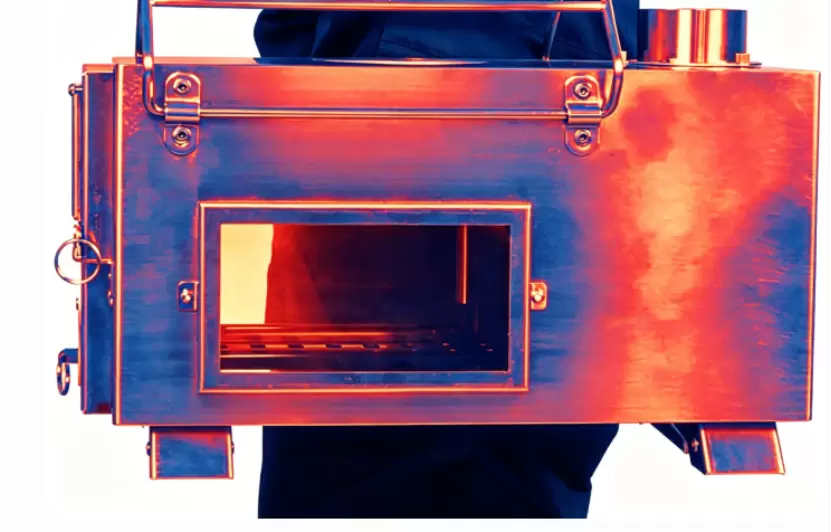
Thermal Expansion and Uneven Heating in the Firebox
In the firebox, heat is rarely distributed perfectly evenly. The metal surfaces in direct contact with the primary flame expand rapidly, while the cooler, peripheral zones expand at a much slower rate. This temperature differential creates immense internal thermal stress. Without expert R&D engineering and the selection of the correct camping stove material, this uneven thermal expansion forces the metal to buckle, warp, and permanently lose its shape.
Why Thinner Walls Aren't Always Better
In the race to produce ultra-lightweight gear, many brands push for the thinnest metal possible. However, when it comes to high-temperature resilience, thinner walls aren't always better. While shaving off a few ounces appeals to consumers, paper-thin steel lacks the structural mass required to dissipate intense heat efficiently. This creates localized hotspots that drastically accelerate thermal deformation. True manufacturing expertise lies in engineering a stove that is light enough to carry, yet thick enough to absorb, distribute, and survive intense infernos without compromising its structural integrity.
Material Selection: The First Line of Defense Against Warping
Even the most advanced structural engineering cannot compensate for inferior raw materials. For B2B purchasers, selecting the right metal is the foundational step in mitigating thermal deformation, reducing return rates, and ensuring long-term product reliability in the field.
Material | Heat Resistance | Deformation Risk | Best B2B Use Case |
Cold-Rolled Steel | Low (<500°C) | High | Budget / Short-term use |
430 Stainless Steel | Moderate (~800°C) | Medium | Entry-level camping |
304 Stainless Steel | High (~900°C) | Low | Premium commercial gear |
Titanium | Extreme (>1600°C) | Minimal | Ultralight / Expedition |
304 vs. 430 Stainless Steel in High-Heat Scenarios
When evaluating a Titanium vs Stainless Steel stove, understanding the nuances within stainless steel grades is critical. While 430 stainless steel is cost-effective, it lacks nickel, making it highly susceptible to warping, fatigue, and oxidation during repeated thermal cycling. In contrast, 304 stainless steel offers superior structural stability and corrosion resistance under extreme heat, making it the industry standard for durable, heavy-duty fireboxes.
The Titanium Advantage for Ultralight Stoves
For the premium ultralight market, titanium is the ultimate solution to thermal deformation. Titanium boasts a melting point significantly higher than steel, paired with an exceptionally low coefficient of thermal expansion. This means even when subjected to intense, concentrated campfire heat, a well-engineered titanium stove retains its rigid geometry without buckling. It delivers maximum heat resilience at a fraction of the weight, giving outdoor brands a definitive competitive edge in the high-end gear sector.
Structural Engineering: How Smart Design Prevents Distortion
Even with premium materials, surviving 1000°C requires advanced industrial design. At our factory, our R&D team understands that mitigating thermal stress is the ultimate technical barrier in outdoor gear manufacturing. We don't just shape metal; we engineer intelligent structures designed to anticipate and control heat distortion, ensuring your brand delivers flawless performance in the field.
Reinforcing Ribs and Corrugated Panels
A large, flat piece of metal is inherently vulnerable to buckling under extreme heat. To combat this, our engineers strategically stamp reinforcing ribs and utilize corrugated panels across high-stress zones. This geometric engineering dramatically increases the firebox's overall structural rigidity without adding unnecessary weight. By interrupting the flat surface area, these reinforcements act as physical barriers that stop warping before it can spread, keeping the stove's geometry perfectly intact.
Floating Fireboxes and Built-in Expansion Joints
Basic physics dictates that metal will expand when heated—fighting this natural law guarantees structural failure. Instead, our R&D approach accommodates it. We incorporate built-in expansion joints and floating firebox designs into our premium stoves. These engineered micro-tolerances provide the metal with precisely calculated space to expand and contract freely during rapid thermal cycling. By isolating the core combustion zone from the outer frame, we prevent the transfer of catastrophic thermal stress, ensuring doors never jam, seams never split, and your customers remain safe.
Precision Manufacturing: The Role of Welding and Stamping
As a premier camping stove manufacturer and leading OEM factory, we know that preventing thermal deformation requires absolute manufacturing precision. A stove’s integrity under extreme temperatures is determined during the welding and stamping stages, where advanced production technology creates the ultimate defense against heat distortion.
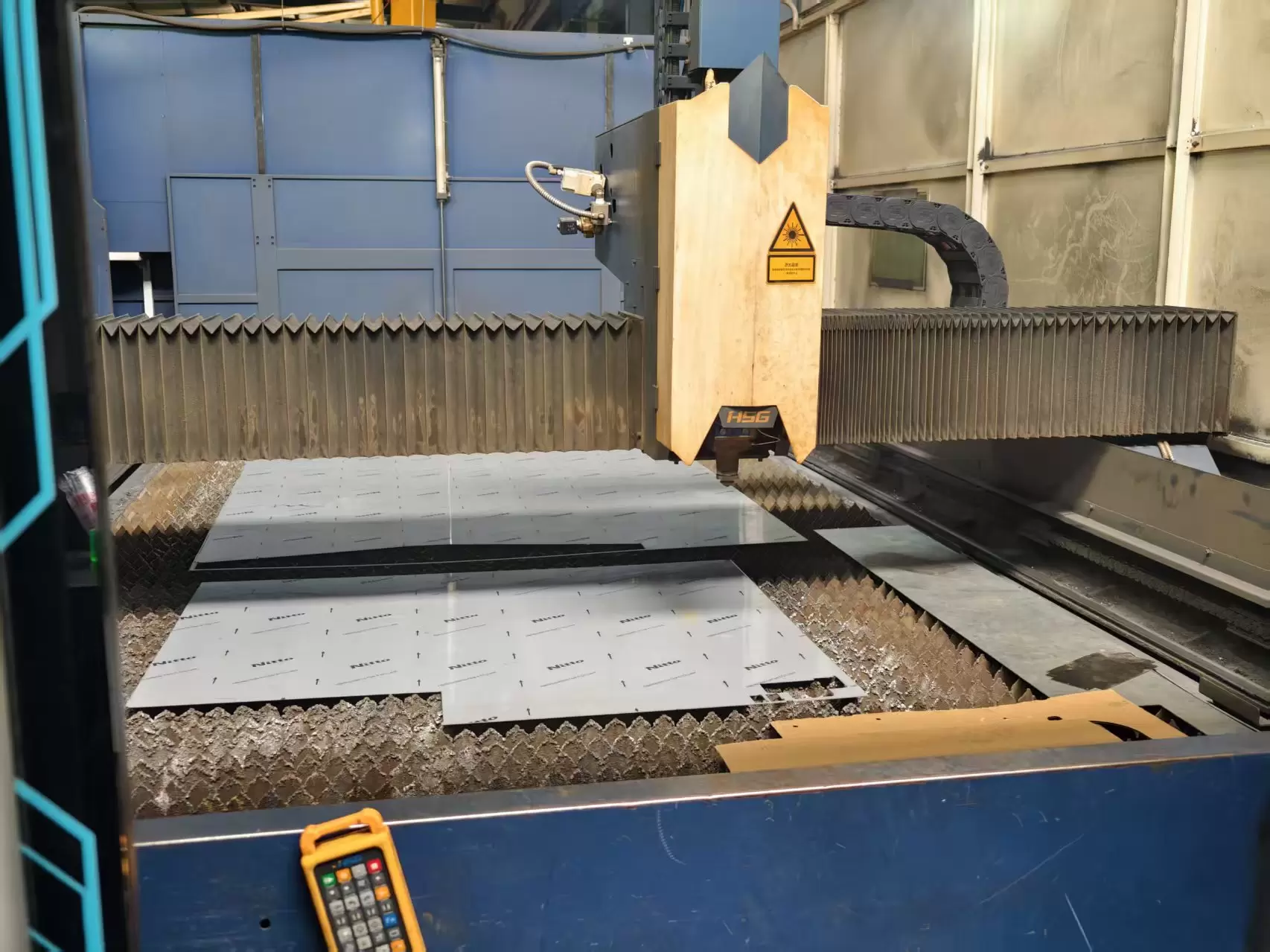
Welding vs. Spot Welding for Heat Resistance
Traditional spot welding creates localized bonds that leave gaps between metal sheets. Under intense thermal stress, these gaps expand unevenly, causing rapid warping and joint failure. Our facility utilizes advanced continuous laser welding. This technology produces a seamless, ultra-high-strength structural bond that distributes thermal loads uniformly across the entire seam, ensuring maximum heat resistance and field durability.
Stress Relief Annealing During Production
Industrial stamping forces metal into shape but leaves behind significant residual stress. If unaddressed, this hidden tension releases under campfire heat, causing the stove to warp. To eliminate this risk, our OEM factory implements a critical stress-relief annealing process. By heating stamped components to a precise temperature and cooling them slowly, we neutralize internal structural tension, ensuring our stoves maintain their exact geometry through countless high-heat cycles.
Rigorous QC: Simulating Extreme Outdoor Conditions
B2B buyers require absolute certainty before scaling bulk orders. To eliminate trial-and-error risks and build lasting brand trust, our factory enforces relentless Quality Control (QC) protocols. We do not just perform visual inspections; we subject our stoves to destructive laboratory simulations that far exceed standard outdoor use.
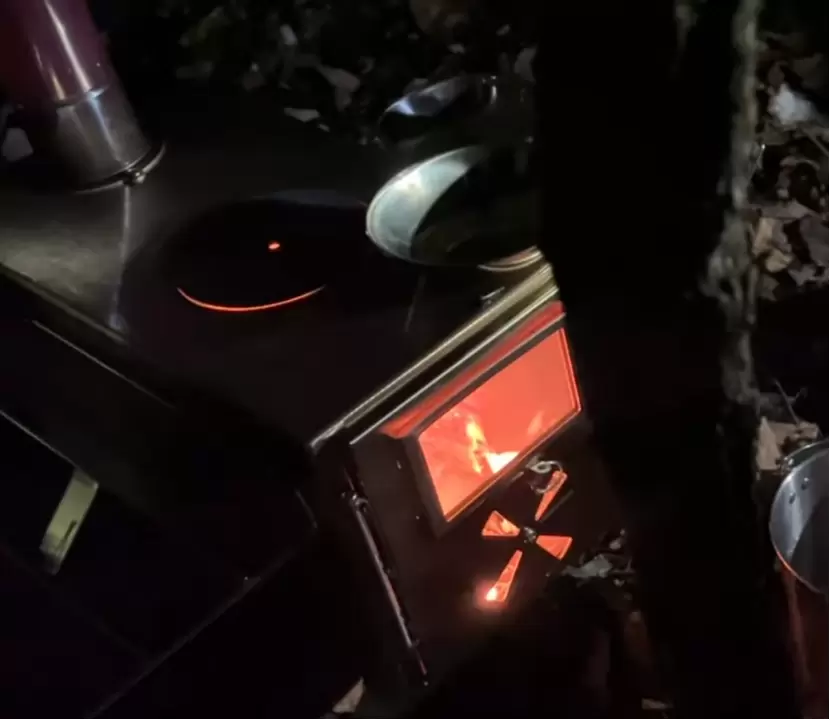
Continuous Burn and Quench Testing
Real-world camping is completely unpredictable. To simulate the impact of sudden downpours or melting snow, we subject our stoves to severe continuous burn and quench tests. After firing the stove to its maximum thermal capacity, we shock the blazing hot metal with freezing ice water. This extreme thermal shock exposes any hidden weaknesses, guaranteeing the firebox will not fracture, warp, or split under drastic temperature swings.
Load-Bearing Capacity Under Extreme Heat
Basic metal softens as it heats, making load-bearing capacity at peak temperatures the ultimate proof of structural integrity. In our testing lab, we place heavy weights—replicating oversized cast-iron cookware—directly onto stoves glowing red-hot. This rigorous simulation validates that our reinforced top plates and structural ribs will safely support heavy cooking gear without bowing, collapsing, or compromising safety.
OEM/ODM Solutions: Customizing Deformation-Proof Stoves
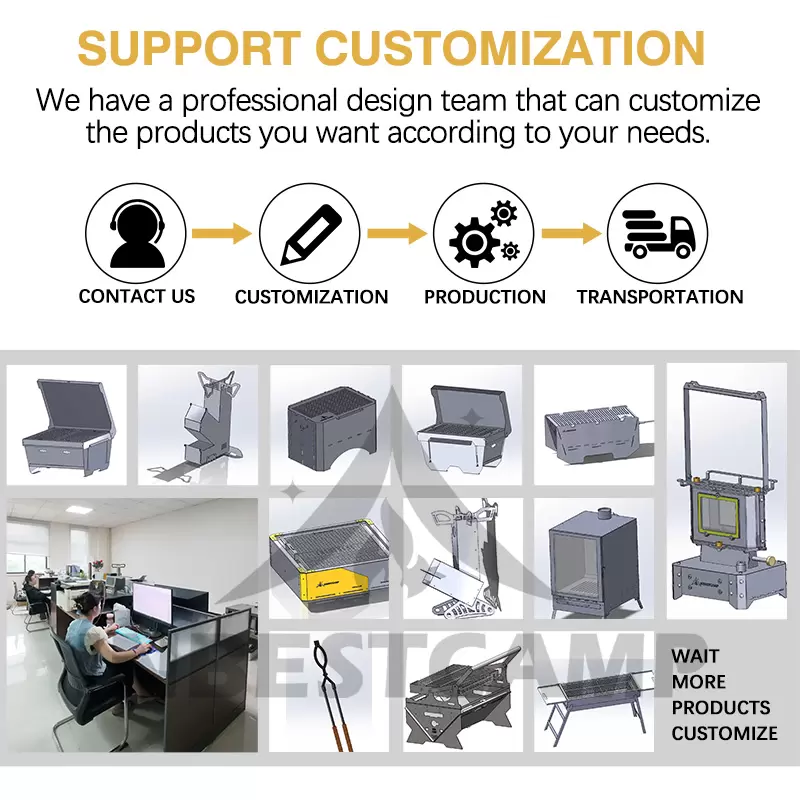
Partnering with the right factory is the fastest way to bring a flawless product to market. We specialize in comprehensive OEM and ODM solutions, transforming your blueprints into premium, deformation-proof outdoor stoves. Whether you require private labeling for our proven existing models or entirely custom firebox geometries, our facility is equipped to fulfill your specific B2B manufacturing needs and help you dominate the market.
Collaborative R&D for Your Unique Brand
Innovation requires a reliable partnership. Our engineering team works directly with your brand to provide collaborative R&D. If your custom design faces potential thermal stress vulnerabilities, we will engineer the exact material thickness, reinforcing ribs, and expansion joints needed to guarantee zero warping. We ensure your brand’s unique vision meets our rigorous structural standards.
Scaling Production Without Compromising Quality
Delivering one perfect prototype is simple; replicating it thousands of times requires true manufacturing mastery. We offer scalable mass production that rigidly maintains our high-heat resilience and quality control protocols across every single batch. Ready to elevate your outdoor gear lineup? Contact our B2B sales team today with your schematics to begin your custom manufacturing journey.
Case Study: Reducing Return Rates by 95% for a US Brand
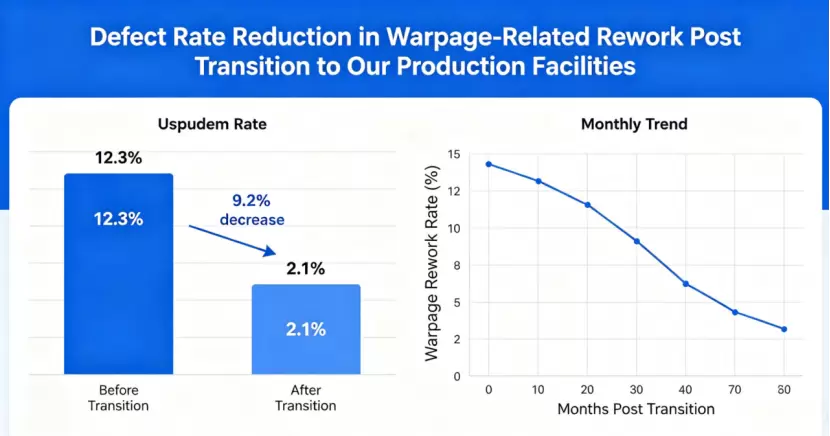
Nothing speaks louder to B2B buyers than proven market results. To illustrate the direct financial impact of preventing thermal deformation, we look at a recent partnership with a mid-sized outdoor gear brand based in the United States.
The Client's Struggle with Previous Suppliers
Before partnering with us, this US brand was facing a severe after-sales crisis. Their previous supplier utilized lower-grade 430 stainless steel and basic spot welding to aggressively cut initial manufacturing costs. However, after just a few high-heat campfire sessions, the fireboxes warped entirely. The brand's customer service team was overwhelmed with complaints about jammed doors, dangerous air leaks, and unstable cooktops. This led to an unsustainable return rate that was actively destroying their profit margins and online reputation.
Our Structural Solution and The Final Results
Upon taking over their OEM production, our R&D team immediately redesigned the stove's core architecture. We upgraded the raw material to premium 304 stainless steel, introduced continuous laser welding, and stamped precision reinforcing ribs across the high-stress side panels. The market feedback was immediate and undeniable. Within the first two quarters of launching our newly engineered model, the client's deformation-related return rates plummeted by 95%. This dramatic quality turnaround not only salvaged their bottom line but also fully restored their brand trust among major retail distributors.
Longevity and Brand Loyalty: The ROI of Premium Quality
For purchasing directors and brand owners, sourcing is not just about securing the lowest unit price; it is about maximizing long-term ROI. Investing in premium, deformation-proof stoves directly lowers your comprehensive operational costs by eliminating expensive return logistics, all while boosting your brand's market premium.
Building Consumer Trust with Durable Gear
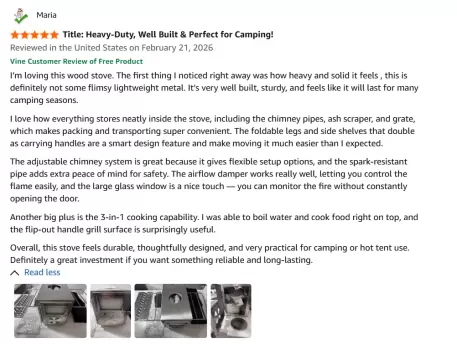
Outdoor enthusiasts demand absolute reliability. When consumers trust that your camping stove will perform flawlessly after dozens of extreme heat cycles, they become fiercely loyal. This brand loyalty translates directly into repeat purchases and justifies a higher retail price point for gear they know will never fail them in the wilderness.
Positive Reviews as Your Best Free Marketing
In the digital marketplace, your product's performance is your most powerful advertising. A firebox that maintains perfect structural integrity naturally generates enthusiastic five-star reviews. When verified buyers consistently highlight "zero warping" and "heavy-duty construction" in their feedback, it drastically lowers your customer acquisition costs. These authentic user experiences serve as the ultimate free marketing, driving organic sales and cementing your reputation as a top-tier outdoor brand.
Cut out the middleman and maximize your profit margins by partnering directly with a leading China-based OEM factory. We specialize in bringing your custom tent stove designs to life with flexible Minimum Order Quantities (MOQs) designed to support brands of all sizes. From rapid prototyping to finalizing your custom molds, our efficient tooling cycle ensures your products hit the market faster without ever sacrificing premium quality.
Ready to elevate your outdoor gear catalog with deformation-proof, high-performance stoves? Stop compromising on quality and start scaling your brand today. Leave your email below or reach out to our dedicated international sales team for a custom quote, detailed product catalog, and factory-direct pricing.
Frequently Asked Questions (FAQ) on Tent Stove Deformation
Q1: What temperature can a titanium tent stove withstand?
High-quality titanium tent stoves can withstand continuous operating temperatures exceeding 1600°C without melting. More importantly, titanium’s exceptionally low coefficient of thermal expansion means it maintains its structural geometry and resists permanent warping even during aggressive, sustained campfire heat, making it the premier choice for premium ultralight gear.
Inward buckling usually occurs due to uneven thermal stress in thinner, inferior metals like 430 stainless steel. When the firebox heats rapidly, localized areas expand at different rates. Without engineered reinforcing ribs or proper expansion joints, this trapped thermal stress forces the flat metal panels to warp and permanently collapse inwards.
Q3: Does thermal bluing affect the strength of titanium?
No, thermal bluing does not weaken the titanium. The vibrant blue and purple hues are simply a superficial oxide layer that forms naturally when the metal reacts with oxygen at high temperatures. This oxidation process is purely cosmetic, acting as a microscopic protective barrier without compromising the firebox's underlying structural integrity.
Q4: How does your factory test for heat deformation?
We simulate worst-case outdoor scenarios using rigorous, destructive laboratory testing. This includes firing the stove to its maximum thermal capacity and immediately quenching it with freezing water to validate thermal shock resistance. We also conduct peak-temperature load-bearing tests to guarantee the top plates safely support heavy cookware without sagging.


 en
en ja
ja ko
ko zh
zh es
es ru
ru fr
fr ar
ar pt
pt tr
tr nl
nl it
it de
de

 RELATED MAGAZINE







 Leave a Message