1.1 The Rise of Ultralight Winter Backpacking
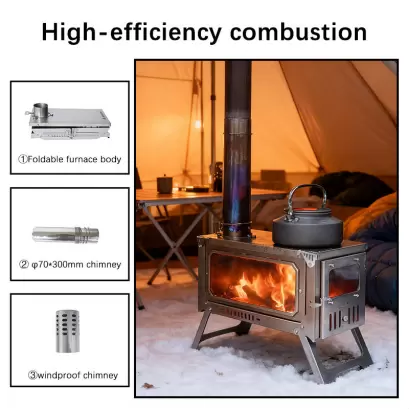
The global outdoor gear landscape has shifted heavily toward product weight optimization, driven by the surging consumer demand for ultralight (UL) winter backpacking. In response, international procurement managers are actively seeking alternative product lines to replace traditional, bulky heating equipment. For source factories, this requires a fundamental upgrade in manufacturing engineering.
To cater to the high-end UL market, production lines must transition from standard cold-rolled carbon steel to premium Grade 1 and Grade 2 commercial pure titanium sheets. Titanium offers an exceptional strength-to-weight ratio and natural anti-corrosion properties, which allows factories to compress the panel thickness to just 0.6mm–1.0mm while maintaining high structural integrity under extreme thermal stress. However, handling titanium drastically impacts factory yield rates. The material’s high springback rate requires precise calibration during the CNC bending phase to avoid dimensional deviations. Furthermore, stamping intricate components out of premium titanium often leads to elevated scrap rates if the tooling dies are not specially coated with titanium aluminum nitride (TiAlN). For B2B buyers looking to capture this high-margin niche, understanding these manufacturing constraints is crucial when auditing a factory's technical capabilities and evaluating the premium cost per unit (FOB price).
1.2 Car Camping vs. Wilderness Hunting Sourcing Trends
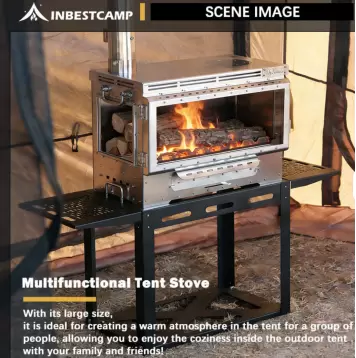
As market segmentation matures, global sourcing trends for wood-burning tent stoves have bifurcated into two distinct tracks: recreational car camping and professional wilderness hunting. This differentiation requires factories to implement flexible OEM/ODM product configurations to help wholesale clients optimize their supply chains.
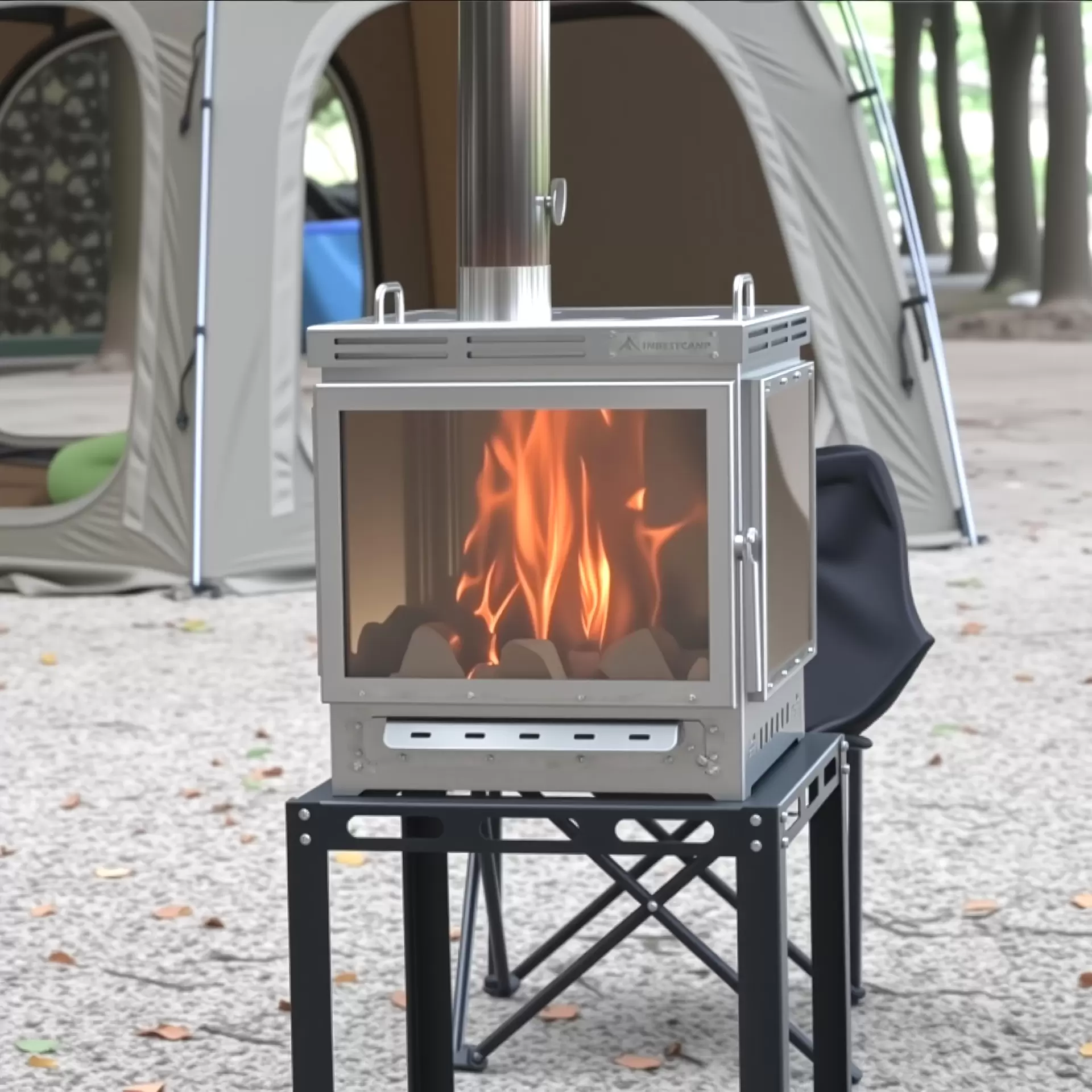
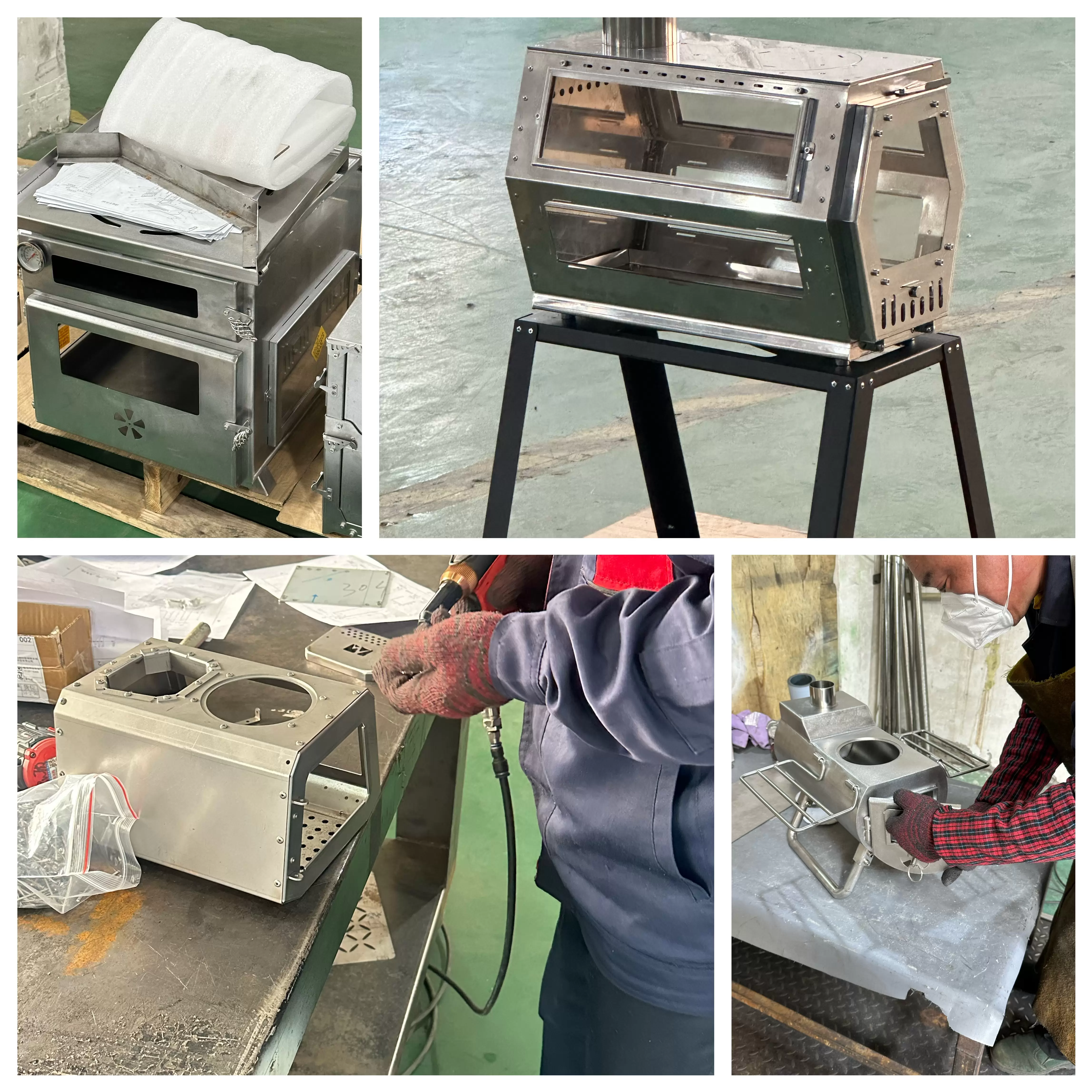
For the car camping segment, end-users prioritize aesthetics and large fire views over weight limits. B2B procurement for this market leans heavily toward heavy-duty 304 stainless steel construction (1.5mm–2.0mm gauge thickness) with large, high-temperature microcrystalline glass windows on the front or side doors. In assembly, factories utilize automated spot welding and precise TIG welding (Tungsten Inert Gas welding) to ensure clean, seamless joints and structural rigidity. Since these units are heavy, the focus shifts to flat-pack designs or collapsible legs to optimize the shipping volume per pallet, directly lowering the ocean freight cost per unit.
Conversely, the wilderness hunting sector demands rugged reliability, extended burn times, and large fuel capacities for remote basecamps. Procurement managers for hunting brands often opt for heavy-gauge carbon steel with high-temperature powder coating or rust-resistant cast iron top plates that prevent thermal warping. Factories catering to these bulk orders must ensure strict quality control on air-tight door seals and baffle systems to maximize secondary combustion efficiency, extending the wood burn time overnight. By aligning product specs with these distinct sourcing trends, distributors can accurately allocate their purchasing budgets between fast-moving, high-volume stainless steel models and premium, task-specific hunting gear.
2. Raw Material Price Trends & Base Cost Differences
2.1 Gr1/Gr2 Commercial Pure Titanium Market Pricing
From a primary metallurgy perspective, Gr1 and Gr2 Commercial Pure (CP) Titanium command a massive price premium over traditional ferrous metals, directly impacting the ex-factory price (EXW) of ultralight tent stoves. Currently, the international market volatility of titanium ingot and cold-rolled coil stock remains high due to upstream military and aerospace demand.
When sourcing raw materials for OEM production, the base cost structure is driven not just by the weight of the finished product, but by the exceptionally high scrap rates encountered during the initial fabrication stages. Titanium sheet progression tooling requires specialized blanking profiles, and because the metal cannot be easily re-melted or recycled at the factory level like steel, the cost of discarded skeleton scrap must be amortized into the per-unit bill of materials (BOM). Furthermore, sourcing Gr1/Gr2 requires strict verification of Mill Test Certificates (MTC) to guarantee specific yield strength and ductility elongation, ensuring the material can withstand prolonged thermal cycling without premature stress cracking. To mitigate financial risks for our B2B partners, our factory utilizes advanced nesting software to maximize material yield per sheet. This engineering precision directly lowers your initial capital expenditure on high-grade titanium procurement, ensuring a more competitive unit cost before the mass stamping and component forming stages even begin.
2.2 304/430 Stainless Steel Affordability and Price Stability
In contrast, 304 and 430 stainless steel offer unmatched cost stability and volume affordability for heavy-duty car camping stove portfolios. The global supply chain for stainless steel cold-rolled sheets (typically 0.8mm to 1.2mm gauge for tent stoves) is highly mature, shielding bulk buyers from the drastic price surges seen in exotic non-ferrous metals.
For high-volume wholesale orders, 304 stainless steel serves as the industry baseline for corrosion resistance due to its chromium-nickel composition, making it highly attractive to commercial brands looking for reliable product lifespans. Meanwhile, 430 ferritic stainless steel provides an even lower entry-level price point, ideal for entry-level retail positioning, though it requires precise surface treatments to mitigate rust risks during sea freight transit. Because the yield-to-tensile ratio of stainless steel is predictable, progressive die stamping achieves near-zero deformation failure rates, bringing the overall manufacturing scrap rates down to less than 2%. This predictability allows factories to offer stable FOB pricing and long-term price guarantees for annual blanket purchase orders. Additionally, the widespread availability of secondary recycling markets for stainless steel scrap allows us to reclaim value from production waste. We pass these raw material cost savings directly to our wholesale distributors, maintaining fixed pricing matrices even during temporary macroeconomic fluctuations in the broader global metals market.
3. Manufacturing & Labor Costs in the Factory Floor
3.1 Laser Cutting Precision and Material Scrap Rates
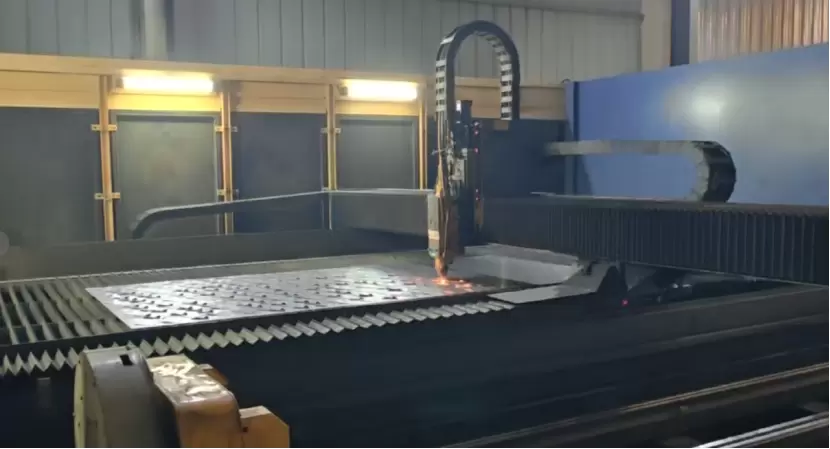
When manufacturing premium titanium tent stoves, managing production costs begins at the very first stage of the fabrication cycle: CNC laser cutting. Unlike standard carbon steel or 430 stainless steel, grade 1 and grade 2 commercial pure titanium sheets exhibit unique thermal conductivity and reactivity. During the laser cutting process, titanium reacts heavily with oxygen and nitrogen in the air at high temperatures, which requires our factory to utilize high-purity argon or nitrogen as the assist gas to prevent edge oxidation and embrittlement. This specialized auxiliary gas setup increases the hourly operational cost compared to standard oxygen-assisted steel cutting, making precise execution paramount to avoiding wasted resources.
Because titanium is a high-cost raw material, minimizing the scrap rates during the nesting phase is critical to protecting our clients' profit margins. Standard nesting software optimized for steel often fails to account for the micro-tolerances required for titanium foil and thin sheets (typically 0.6mm to 1.0mm for ultralight stoves). A slight variance in laser intensity or travel speed can lead to dross accumulation or thermal warping, instantly turning expensive sheets into unusable scrap. Furthermore, any inconsistency in the cutting speed can compromise the interlocking tabs essential for slide-together stove designs, multiplying downstream labor costs during manual deburring.
To achieve a sustainable yield, our factory employs high-precision fiber laser cutters with specialized parameters tuned for exotic metals. By optimizing the nesting layout and maintaining strict control over the cutting kerf, we reduce the material scrap rate to under 5%, a benchmark that significantly lowers the baseline cost for large-scale OEM and ODM orders compared to less specialized facilities.
3.2 Bending and Stamping: Managing Titanium’s High Springback
Once the blanks are precisely cut, they transition to the forming stage, where the mechanical properties of titanium present another major manufacturing challenge: an exceptionally high yield-strength-to-modulus-of-elasticity ratio. In practical factory terms, this manifests as a severe springback effect during CNC bending and hydraulic stamping operations. When a titanium sheet is pressed into a 90-degree angle for a stove chassis, its natural elasticity causes it to unbend significantly more than stainless steel once the die releases.
If a manufacturer relies on standard steel tooling parameters, the resulting stove components will suffer from dimensional deviations, leading to poor seam alignment, structural gaps, and failure during final quality control (QC) assembly. To counteract this high springback, our engineering department utilizes custom-designed progressive dies and implements an "over-bending" technique. We calculate the exact springback coefficient of each titanium batch using precise press brake programming, bending the material past the target angle so it relaxes precisely into the blueprint specifications. This mathematical calibration minimizes trial-and-error waste, ensuring our tooling phase remains highly cost-efficient.
Furthermore, because thin titanium is prone to galling and surface scratching under intense friction, we apply specialized lubricants and protective films during the stamping process. This meticulous control over the deformation stage ensures that every interlocking panel of our wholesale tent stoves fits flawlessly, preventing airtightness issues or draft leaks without requiring costly manual rework on the factory floor. By eliminating these assembly errors through automated engineering precision, we significantly reduce specialized technical labor hours, allowing us to pass those critical bottom-line savings directly on to our B2B partners.
4. Welding Techniques: Why Titanium Demands Premium Labor
4.1 Argon Gas Shielding Chambers for Pure Titanium Welding
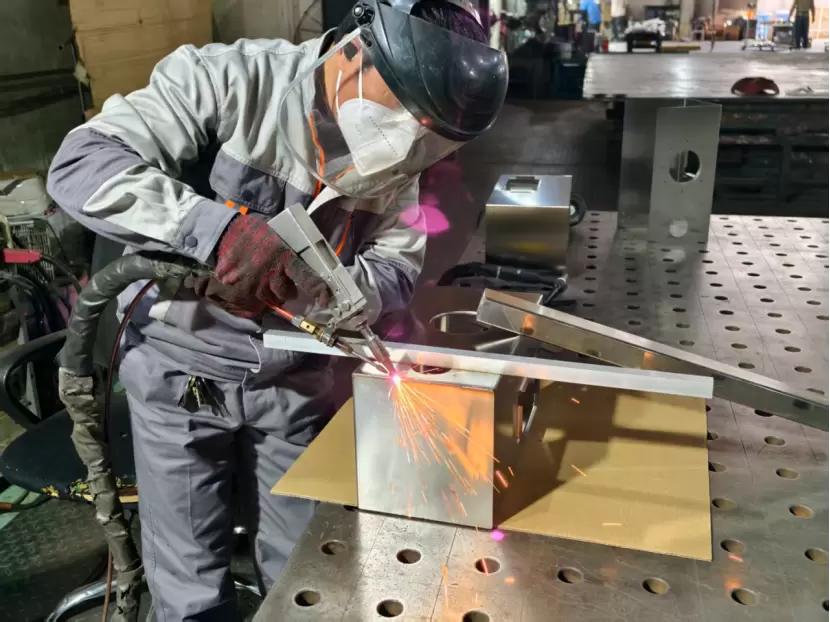
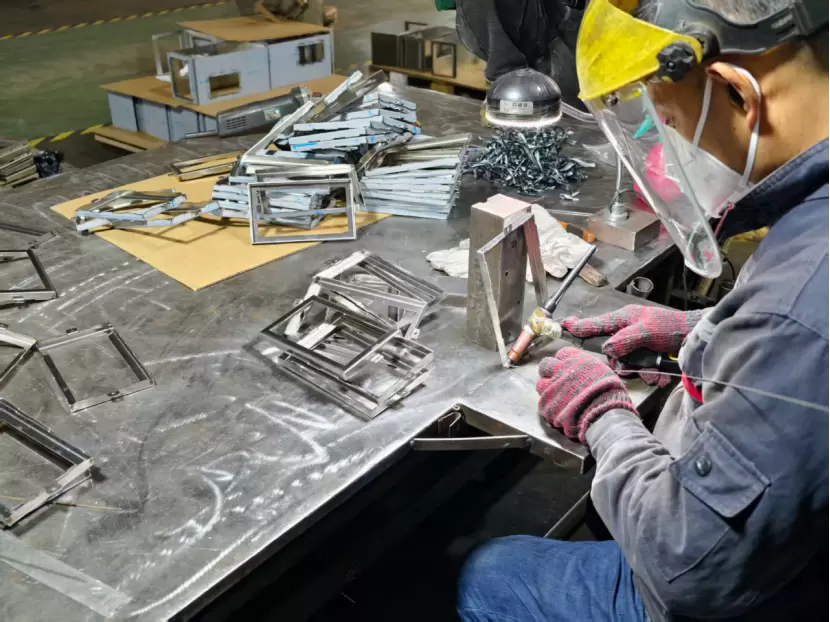
For Gr1/Gr2 commercial pure titanium tent stoves, standard atmospheric welding is impossible. Our factory utilizes a strict Argon Gas Shielding Chamber protocol (or trailing shields) during the TIG welding (Tungsten Inert Gas) process. The weld pool, the heat-affected zone (HAZ), and the backside of the joint must be completely isolated by a continuous flow of 99.99% high-purity argon gas until the metal cools below 400°C. If the gas shielding fails, the titanium suffers rapid atmospheric contamination, turning blue or white, which indicates severe oxidation and a high scrap rate. Managing this specialized shielding requires meticulous flow-rate calibration and slower fabrication cycles, directly escalating both the labor hours and material consumption per OEM batch. Furthermore, our technicians must maintain a steady travel speed and precise torch angles to prevent micro-cracking along the stove joints. This level of craftsmanship requires certified B2B welders with years of metallurgical experience, raising factory labor overhead but ensuring that your private-label stoves will never crack or leak toxic smoke during extreme winter conditions.
5: High-Temperature Thermal Deformation Analysis
5.1 Titanium’s Heat Resistance and Structural Membraning
From a metallurgical perspective, Grade 1 and Grade 2 Commercial Pure (CP) Titanium exhibit an exceptional strength-to-weight ratio and superior thermal stability under extreme temperatures up to 600°C (1112°F). Unlike iron-based alloys, titanium has a remarkably low coefficient of thermal expansion ($8.6 \times 10^{-6}/K$). This ensures minimal structural distortion during rapid thermal cycling, drastically lowering the risk of post-production warping—a major pain point for private label outdoor brands.
During the initial combustion cycles, factory-grade titanium undergoes a natural anodic oxidation process known as structural membraning. As the surface temperature rises, a controlled titanium dioxide ($TiO_2$) passivating layer forms. This metallurgical reaction creates a distinctive, aesthetically premium blue-purple patina (often referred to as "thermal bluing"). This layer does not compromise the tensile strength or material integrity; instead, it acts as a permanent anti-corrosion barrier against moisture and ash acidity. For B2B buyers, this translates to zero client complaints regarding rust or structural failure, significantly reducing your warranty claim rates and elevating your brand’s premium market positioning.
To guarantee this optimal thermal performance, our factory implements precision-engineered stress-relief annealing during the stamping stage. By pre-treating the metal sheet profiles, we eliminate internal residual stresses caused by mechanical cold working. This specialized manufacturing intervention prevents the stove body from buckling or localized bowing when exposed to uneven localized heat zones from roaring firewood. Additionally, while standard stainless steel stoves suffer from progressive microscopic crystalline degradation over extended heat cycles, our pure titanium models maintain structural elasticity.
Furthermore, our engineering department regularly conducts rigorous destructive thermal simulation tests on the assembly line. We subject the titanium panels to continuous 700°C heat spikes followed by rapid cooling, ensuring the interlocking wall panels and sliding door tracks remain perfectly aligned without jamming. By sourcing our factory-certified titanium gear, wholesale distributors can confidently assure retail buyers of an indestructible, warp-free product line engineered to withstand years of extreme winter conditions.
5.2 Reinforcement Ribs Design for Stainless Steel Stoves
While titanium relies on its molecular properties to resist heat, stainless steel tent stoves require deliberate structural engineering to handle high-temperature environments. Due to a higher thermal expansion coefficient ($16.0 \times 10^{-6}/K$ for 304 stainless steel), raw steel sheets expand rapidly when exposed to direct wood fire flames. Without proper reinforcement, the flat panels of a stove body will inevitably warp, buckle, or bow inward, causing the stove doors to jam and the interlocking seams to split open.
To completely resolve this physical limitation, our manufacturing facility integrates heavy-duty, precision-stamped reinforcement ribs directly into the top, bottom, and side panels of every stainless steel stove. These strategically placed three-dimensional ridges break up the flat surface tension of the metal sheet, creating internal structural matrixes that absorb and redistribute intense thermal stress evenly across the entire surface area. This physical engineering allows a thinner, more lightweight steel sheet to achieve the same structural rigidity as a much thicker, heavier plain metal panel.
Additionally, our OEM customization services offer various rib patterns—such as X-shaped cross braces or parallel linear grooves—tailored to your brand's aesthetic and functional needs. We also reinforce critical high-stress zones, such as the chimney base plate and inner grate supports, with double-layer steel brackets and heavy-duty spot welding. For global B2B buyers and commercial wholesale distributors, importing our engineered-rib stainless steel stoves means providing your retailers with a highly stable, commercial-grade product that delivers classic heavy-duty performance without the premium cost of titanium.
6. Custom Tooling & Molding Fees for OEM Orders
6.1 Development Timeline for New Tent Stove Prototypes
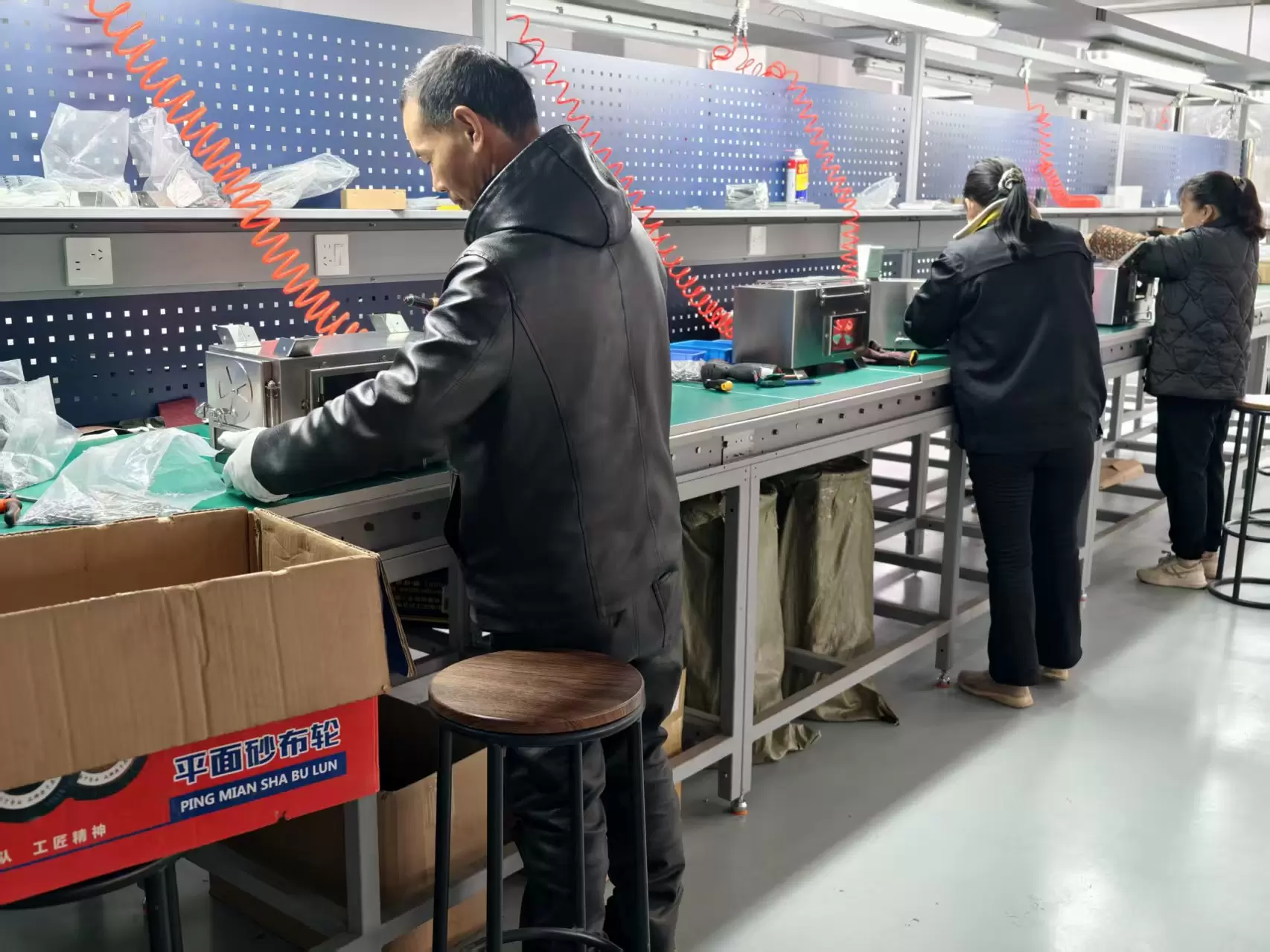
When launching a private label tent stove, understanding the engineering timeline from initial blueprint to the final production-ready prototype is critical for seasonal market planning. For standard stainless steel models, the rapid prototyping phase typically spans two to three weeks, as the material is highly malleable and compatible with standard factory laser-cutting and CNC folding parameters. However, developing a custom titanium tent stove requires a more extended development window of four to six weeks.
This extended timeline is due to the necessity of multi-stage springback calculations and specialized test tooling. Our engineering department begins with 3D CAD modeling and finite element analysis (FEA) to simulate how the metal will behave under stress. Once the digital design is optimized, we produce a soft-tooling prototype to verify interlocking panel tolerances and door latch operations. For global B2B buyers looking to hit the winter sales rush, we recommend initiating the OEM design phase at least six months prior to the target shipping date to account for these technical adjustments and ensure a flawless product launch.
6.2 Die Wear and Maintenance Costs for Titanium Stamping
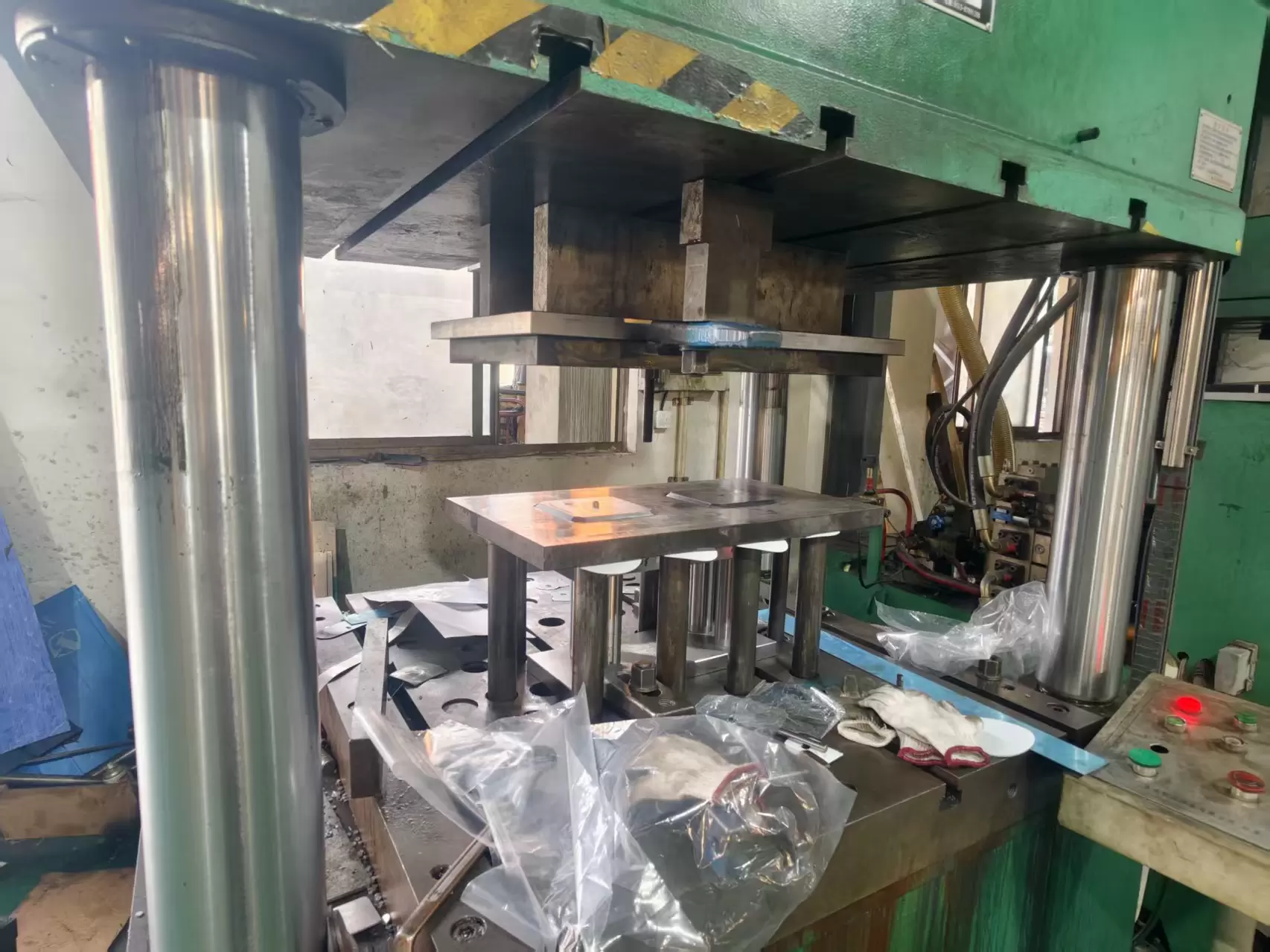
For wholesale distributors and brand owners investing in custom tooling, analyzing long-term die wear and maintenance costs is essential for accurate product lifecycle budgeting. Titanium’s high yield strength and severe strain-hardening characteristics place immense stress on stamping dies compared to carbon or stainless steel. During the stamping process, titanium exhibits an aggressive tendency to gall, where the metal physically adheres to the die surfaces under high pressure. This accelerated friction leads to rapid micro-cracking, chipping, and dimensional deviation of standard tool steel dies.
To counteract this, our factory utilizes premium, high-vanadium tool steels (such as DC53 or high-speed powder metallurgy steels) treated with advanced physical vapor deposition (PVD) titanium aluminum nitride (TiAlN) coatings for our stamping molds. While this specialized tooling increases the initial setup cost by approximately 35%, it drastically reduces long-term maintenance overhead. We implement a strict preventative maintenance protocol, including automated lubricant spraying and precision die polishing every 5,000 cycles. By carefully managing die degradation, we absorb the operational risks of titanium stamping, ensuring consistent product tolerances and eliminating unexpected tooling replacement fees for our OEM partners.
7: Packaging Efficiency & Total Landed Shipping Costs
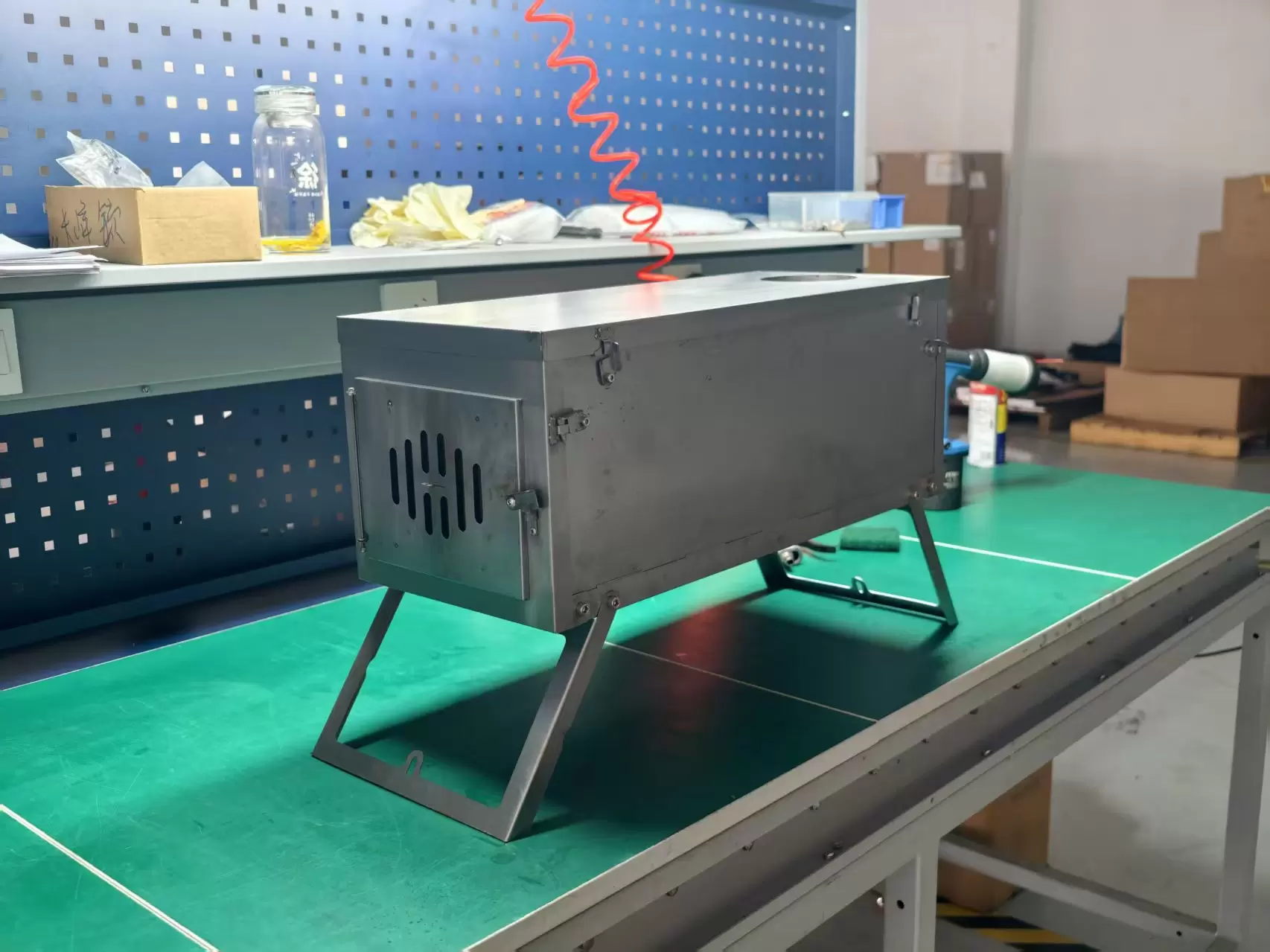
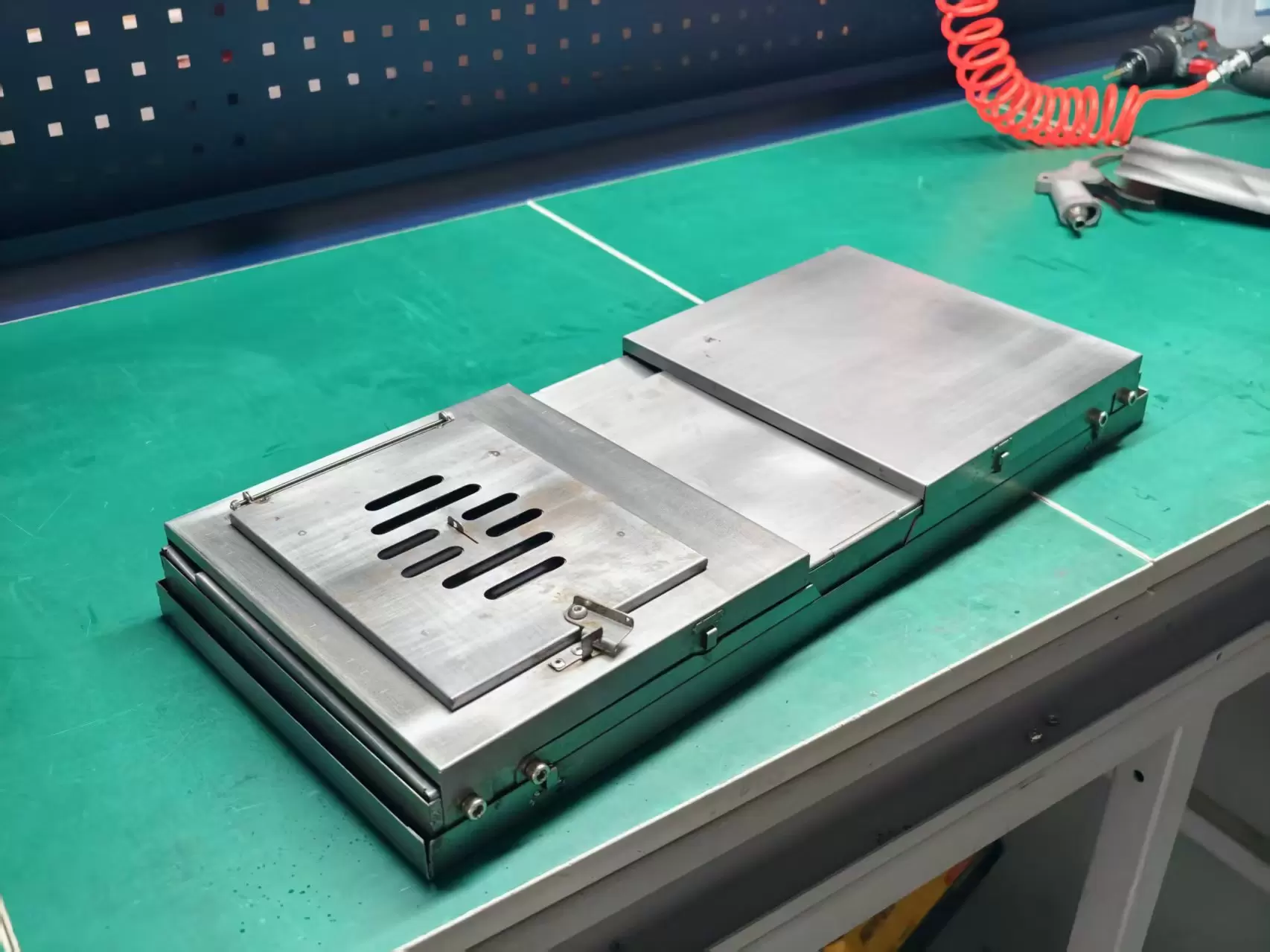
When optimizing international supply chains, the shipping volume of outdoor gear directly dictates a brand’s bottom-line profitability. Titanium’s exceptional elasticity and high tensile strength allow our engineering team to design fully collapsible, flat-pack tent stoves without sacrificing structural integrity. Because titanium panels can fold completely flat against each other, the total packaging height of a single folded titanium stove is reduced to just under 4 centimeters.
This extreme dimensional optimization yields a massive logistical advantage for overseas B2B buyers. In a standard master carton, we can pack up to six flat-pack titanium units compared to just one traditional rigid stove. For large-scale procurement, this means a standard 40-foot high cube (40HQ) container can accommodate up to 3,500 titanium stoves. By maximizing container space utilization and eliminating wasted "dead air," global wholesale distributors can slash their per-unit ocean freight costs by up to 45%, allowing for aggressive retail pricing and superior profit margins in competitive markets.
7.2 Semi-Assembled Stainless Steel Packaging Constraints
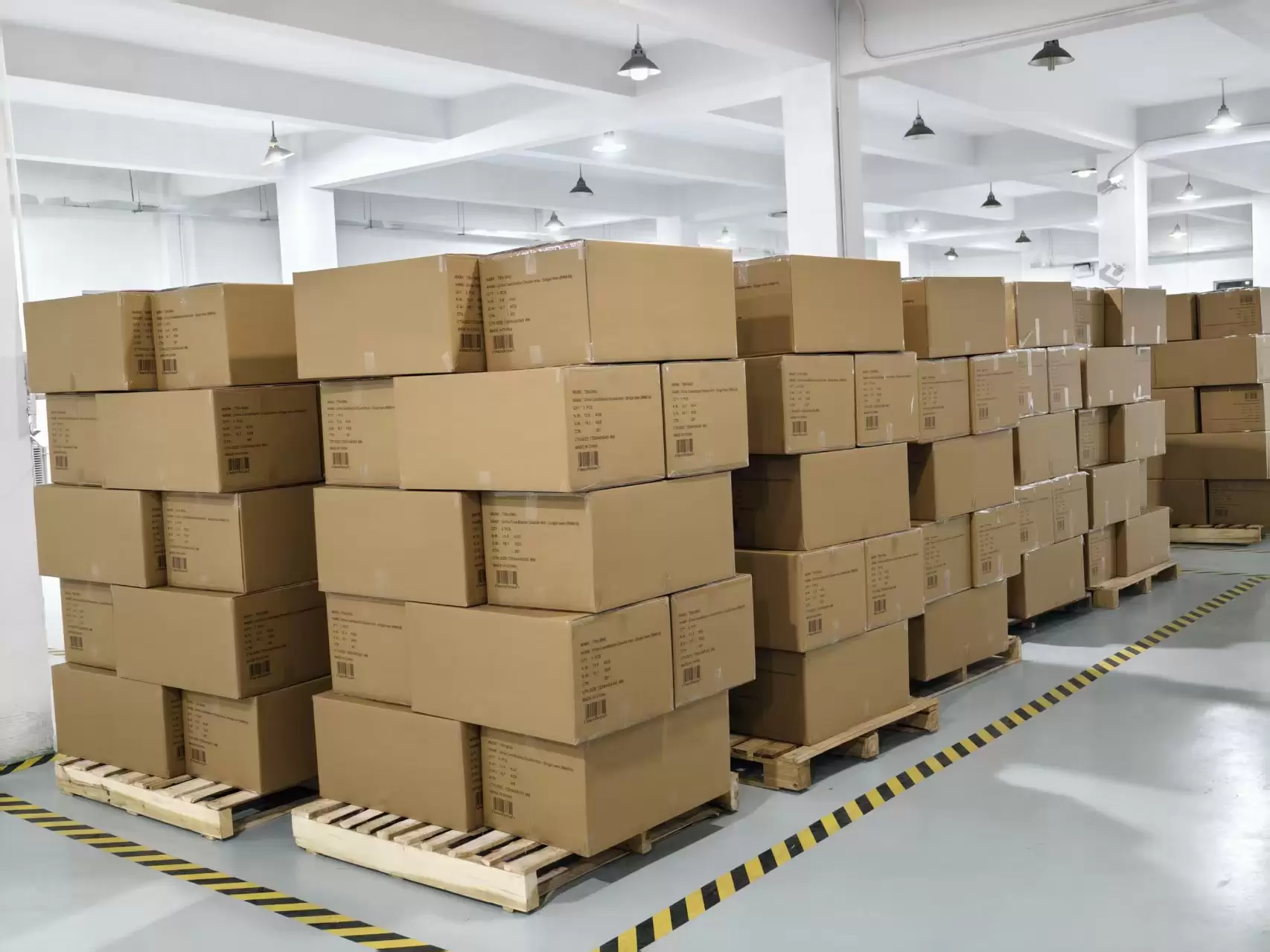
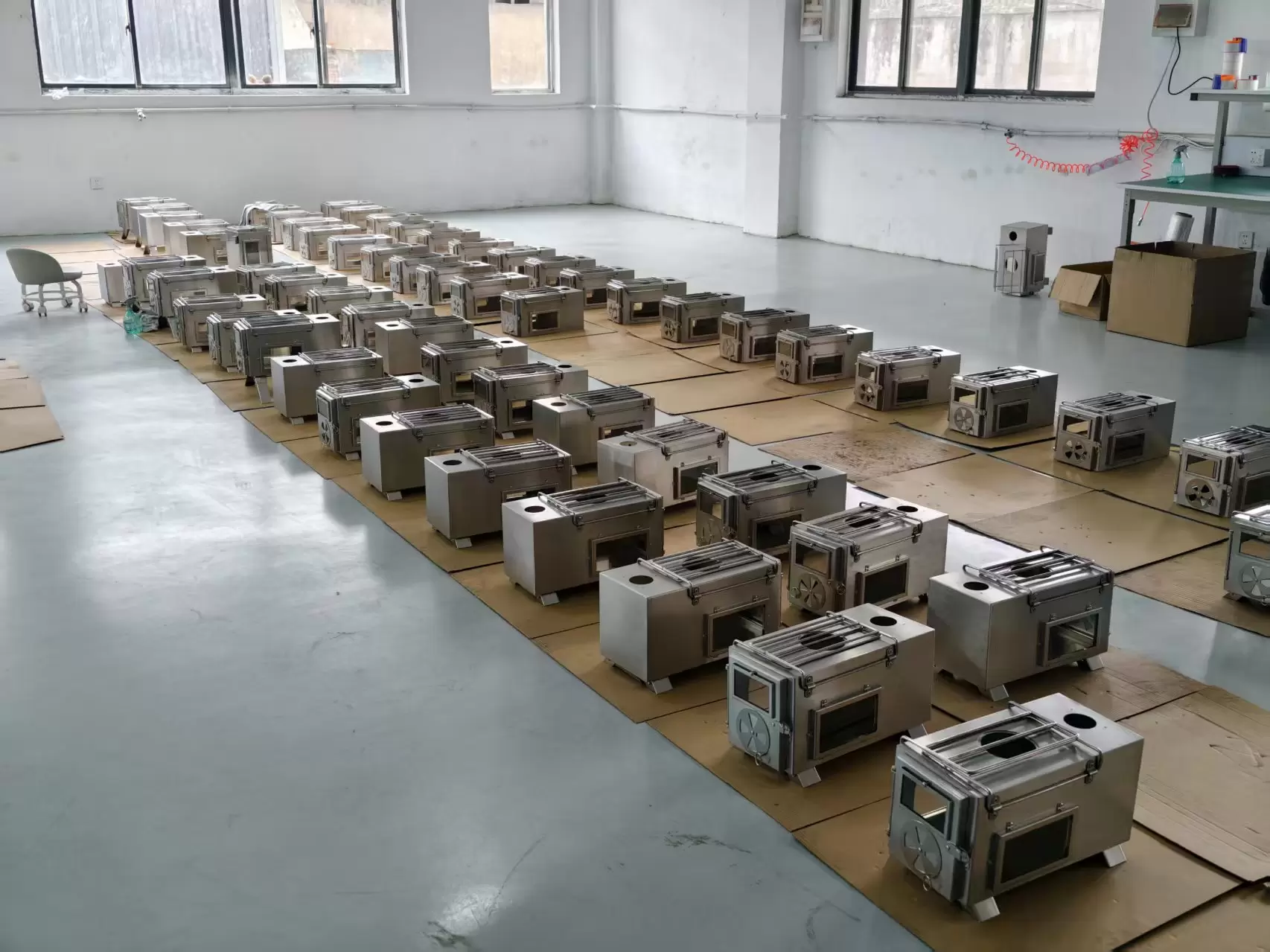
In contrast to collapsible titanium designs, stainless steel tent stoves are typically manufactured as rigid, semi-assembled structures. Due to the heavier gauge of the material and the permanent spot-welding required for the internal reinforcement ribs, these stoves cannot be broken down into flat panels. Consequently, a single stainless steel stove takes up a fixed three-dimensional cube in transit, meaning procurement managers are essentially paying to ship the empty air trapped inside the combustion chamber.
To mitigate these severe volumetric constraints and prevent costly freight damage, our logistics department utilizes specialized palletization and heavy-duty dunnage. Every semi-assembled stainless steel stove is encased in a customized, double-wall corrugated box lined with high-density polyethylene (HDPE) foam corners to absorb transit shocks. We then secure these cartons onto standardized fumigated wooden pallets (ISPM 15 certified), wrapping them tightly in multi-layer stretch film to guarantee stability during sea freight. While a 40HQ container can only hold roughly 1,200 of these rigid units, our standardized pallet configuration ensures rapid forklift cross-docking at your distribution center, minimizing warehousing labor costs and protecting your bulk investment from port to warehouse.
8. Common Quality Defects and How Our Factory Avoids Them
8.1: Preventing Air Leaks in Stove Chimney Connections
In the wood-burning tent stove industry, improper chimney sealing is one of the most frequent causes of product returns and negative user reviews. Because flue gases contain dangerous carbon monoxide, preventing air leaks at the chimney-to-stove connection is a critical safety requirement for global brand owners. During operation, the intense thermal draft creates high pressure at the base of the chimney, forcing smoke through any microscopic gaps between the interlocking pipe segments if the tolerances are poorly engineered.
To completely eliminate this risk, our manufacturing facility utilizes high-precision CNC laser-cutting and automated tube-rolling machinery to achieve a tight, interlocking friction-fit tolerance of less than 0.05 millimeters. For our heavy-duty stainless steel models, we integrate a deep, tapered male-to-female swage connection design that utilizes the metal’s natural thermal expansion to tighten the seal as the stove heats up. For our ultralight titanium models, we provide custom-engineered, interlocking pipe rings and titanium foil roll chimneys that lock securely into a precision-machined collar base. This advanced engineering ensures a smoke-free connection, guaranteeing absolute safety for end-users and zero quality-related complaints for your wholesale business.
8.2 Avoiding High-Temp Glass Window Cracking
Shattered door glass is a costly quality defect that can severely damage an outdoor brand’s reputation and lead to expensive international warranty claims. Standard tempered glass cannot withstand the extreme, uneven thermal shock that occurs when a roaring wood fire sits directly against the inner window while freezing winter air hits the exterior. Furthermore, mechanical stress from over-tightened metal retaining clips frequently causes localized stress concentrations, leading to spontaneous cracking during rapid temperature fluctuations.
To protect our B2B clients from these liabilities, our factory exclusively sources premium, commercial-grade microcrystalline ceramic glass (such as Schott Robax) with a near-zero coefficient of thermal expansion. This specialized glass can comfortably endure continuous operating temperatures up to 750°C (1382°F) and survive sudden thermal shocks, such as cold water splashes, without fracturing. Additionally, our assembly lines use custom-molded, high-temperature graphite gaskets to cushion the glass panels within the door frame. These flexible buffers absorb the mechanical expansion of the surrounding metal housing, ensuring the window remains securely sealed yet stress-free, effectively eliminating transit an.
9.1 Premium Surcharges: Why Consumers Pay More for Titanium
From a retail marketing perspective, titanium tent stoves occupy a highly profitable, premium niche within the outdoor industry. Consumers, particularly backcountry hunters, thru-hikers, and winter mountaineers, are willingly paying a significant premium for the unique benefits of titanium. The primary driver of this premium surcharge is the material's unrivaled strength-to-weight ratio; a titanium stove can reduce a backpacker's base pack weight by several kilograms compared to traditional steel models.
Furthermore, the natural aesthetic transformation of titanium under high heat—creating a rich, iridescent blue-purple patina—acts as a visible badge of quality and status among outdoor enthusiasts. This strong consumer demand allows retail brands to implement premium pricing strategies, ensuring exceptionally high gross margins per unit sold. By partnering with our factory for custom OEM titanium production, global distributors can position their product lines at the high-end tier of the market, capitalizing on the lucrative, rapid growth of the luxury lightweight camping segment.
9. Retail MSRP Positioning & Profit Margins for Brands
9.2. High-Volume, Steady Margins for Stainless Steel Retailers
While titanium captures the high-end luxury market, stainless steel tent stoves remain the essential bread-and-butter product line for generating consistent, high-volume revenue. The global mass market—comprising car campers, family glamping operators, and traditional bushcraft enthusiasts—prioritizes classic durability, high heat retention, and affordable pricing over extreme weight reduction. Stainless steel stoves perfectly satisfy this massive market demand, providing a dependable, cost-effective product that appeals to the broadest possible consumer base.
For B2B buyers, large-scale retail chains, and wholesale distributors, sourcing our engineered stainless steel stoves offers the advantage of low initial purchasing costs and stable, highly predictable manufacturing lead times. Because the raw material costs of steel are stable, procurement managers can secure consistent wholesale pricing, allowing for predictable, healthy retail markups. By maintaining a robust inventory of these high-demand, high-volume units, outdoor retailers can ensure steady, year-round sales velocity and reliable baseline profit margins that support sustainable business growth.
10: Sourcing Recommendation: Which Material Fits Your Brand?
When deciding between titanium and stainless steel tent stoves for your outdoor brand, the choice depends on your target market and brand positioning.
If your company focuses on premium, high-end gear for ultralight backpackers, wilderness hunters, and serious hikers, titanium is the right choice. It allows you to offer an ultra-lightweight, durable product that commands a high retail price and excellent profit margins.
On the other hand, if your brand targets the mass market, family campers, and car camping enthusiasts, stainless steel is the better option. It provides a highly cost-effective solution with excellent durability and steady sales volume, making it easier to appeal to budget-conscious buyers.
As a direct factory, we recommend analyzing your customers' primary pain points before placing a bulk order. If weight matters most, go with titanium. If affordability and classic performance are the priorities, stick with stainless steel.
Contact our engineering team today to request samples for both materials and discover which option aligns best with your brand goals.


 en
en ja
ja ko
ko zh
zh es
es ru
ru fr
fr ar
ar pt
pt tr
tr nl
nl it
it de
de


 RELATED MAGAZINE








 Leave a Message