Transparent Warranty Terms: Building Trust Through Clear Policies
A strong warranty policy provides clarity and confidence from day one. Transparent terms ensure that buyers fully understand coverage limits, claim procedures, and protection timelines across different product categories:
Segmented Warranty Coverage: Core functional components, structural frames, and wear-and-tear parts carry distinct warranty periods tailored to their operational stress levels.
Clear Scope Boundaries: Distinguishing clearly between manufacturing defects, natural material wear, and operational misuse eliminates ambiguity during claims.
Streamlined Claim Process: A simplified submission workflow—requiring basic photographic evidence, video logs, or error codes—enables rapid technical review and hassle-free claim resolution.
Genuine OEM Spare Parts: Guaranteeing Performance and Compatibility
Using non-standard or secondary replacement parts can compromise machine performance, void safety certifications, and lead to premature equipment failure. Protecting client operations requires a commitment to Original Equipment Manufacturer (OEM) parts:
100% Original Specifications: Every spare part is manufactured to exact original engineering tolerances, ensuring perfect physical compatibility and peak operational performance.
Long-Term Availability Commitments: Extended parts availability guarantees ensure that clients can source replacement components for years after a product model is retired.
Quality Authentication: Anti-counterfeiting measures and quality certificates verify part authenticity, protecting equipment from the risks associated with inferior substitutes.
Safety Stock Management: Predictive Planning for Spare Parts
Maintaining seamless parts availability requires advanced inventory management and predictive logistics planning:
Data-Driven Demand Forecasting: Utilizing historical usage data, seasonal trends, and active equipment field counts allows for accurate stocking of high-demand components.
Continuous Stocking of High-Wear Items: Fast-moving consumable items and common wear-and-tear parts are kept in permanent stock for immediate order dispatch.
Dedicated Inventory for Strategic Clients: Customized safety stock reserves are established for key accounts with large active equipment fleets to prevent supply bottlenecks.
Agile Dispatch and Rapid Response for Machine Down Situations
When equipment fails, speed is the top priority. Efficient communication channels and express dispatch protocols minimize operational downtime:
24/7 B2B Ticketing and Support: Round-the-clock service portals allow commercial clients to log issues, request parts, and track ticket status at any time.
Fast-Track "Machine Down" Dispatch: Critical operational outages trigger an expedited handling protocol, prioritizing immediate order picking, packing, and dispatch.
Global Logistics Partnerships: Collaboration with leading international express carriers ensures rapid door-to-door delivery across global markets.
Remote Technical Assistance and Troubleshooting Support
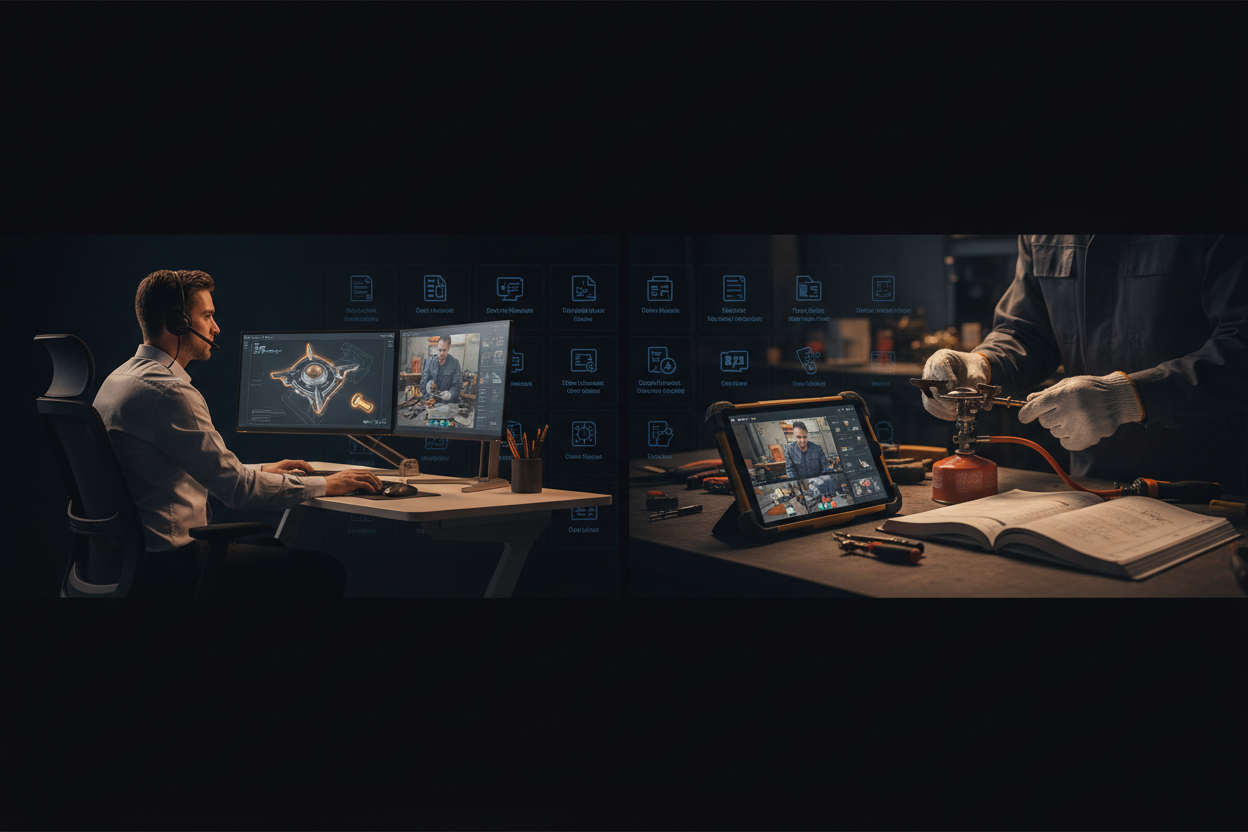
Delivering effective spare parts support goes beyond shipping components; it requires technical guidance to ensure proper installation and resolution:
Expert Engineering Support: Dedicated technical support teams assist client maintenance personnel with diagnostic troubleshooting via phone, email, or video calls.
Visual and Digital Diagnostics: Utilizing detailed video walkthroughs, augmented reality tools, or remote diagnostics improves First-Time Fix Rates (FTFR).
Comprehensive Documentation Libraries: Clients gain access to detailed service manuals, exploded-view diagrams, and step-by-step video tutorials for routine repairs.
Customized SLAs and Key Account Support
Large-scale commercial operations often require tailored service frameworks that align with specific operational demands and internal maintenance structures:
Customized Service Level Agreements (SLAs): Service terms, response times, and warranty extensions can be tailored to match enterprise-level operational requirements.
On-Site Wear-and-Tear Kits: Bundled spare parts kits containing high-wear components can be shipped alongside original orders, enabling immediate on-site replacements.
Dedicated Account Management: Key accounts are assigned dedicated service managers who oversee warranty claims, monitor inventory needs, and streamline technical communication.
Reverse Logistics and Defect Root-Cause Analysis
A proactive warranty program utilizes field failures to drive continuous quality improvement across future manufacturing runs:
Standardized Return Protocols: Clear Standard Operating Procedures (SOPs) guide the safe return, inspection, and logging of defective components.
8D Root-Cause Analysis: Engineering teams conduct thorough technical investigations on returned components to identify design or material weaknesses and implement corrective actions.
Sustainable Practices: Implementing eco-friendly recycling and remanufacturing programs helps divert retired components from landfills while supporting circular economy goals.
Technical Training and Preventive Maintenance Programs
Preventing equipment failure through proactive maintenance is more cost-effective than managing unscheduled repairs:
Preventive Maintenance Guidelines: Providing detailed maintenance schedules and inspection checklists helps client teams address wear before it leads to failure.
Client Technical Training: Virtual and hands-on training sessions empower local maintenance technicians to perform routine servicing and correct part replacements independently.
Automated Service Reminders: Automated maintenance alerts notify clients when key components are due for inspection or replacement based on operational hours.
Conclusion: Transforming After-Sales Support into Long-Term Value
Comprehensive warranty protection and dependable spare parts support are crucial for minimizing operational risk and lowering Total Cost of Ownership for B2B buyers. By offering transparent coverage, maintaining genuine OEM inventory, and delivering rapid technical assistance, manufacturers demonstrate a commitment to long-term client success. Investing in a supplier with robust after-sales infrastructure ensures that your business stays operational, efficient, and competitive. Contact our B2B service team today to review our warranty policies and explore customized spare parts support options for your fleet.

Frequently Asked Questions (FAQ)
Q1: What is the standard warranty period, and when does coverage begin?
Warranty periods vary by product line and component type. Core structural and mechanical components typically carry longer coverage than wear-and-tear parts. Coverage officially begins on the date of Bill of Lading (B/L) issuance or upon certified installation and commissioning.
Q2: Who covers shipping costs for replacement parts under warranty?
For valid warranty claims resulting from manufacturing defects, the seller covers both the replacement component and international express shipping costs. For non-warranty replacements or routine wear-and-tear parts, shipping charges are billed to the client.
Q3: How long are spare parts supplied after a product model is discontinued?
Genuine OEM spare parts are typically supplied for a minimum of 3 to 5 years following the official end-of-production date for any given model, ensuring long-term operational continuity for legacy equipment.
Q4: How quickly are critical spare parts dispatched during a "Machine Down" emergency?
Emergency "Machine Down" requests receive top priority. In-stock critical components are typically packed and dispatched via express air courier within 24 to 48 hours of ticket confirmation.
Q5: Are initial spare parts kits available with bulk equipment orders?
Yes. Customized spare parts kits containing high-use consumables and common wear items can be packaged and shipped directly with your equipment order. This allows local maintenance teams to perform immediate repairs and minimize downtime without waiting for international shipments.


 en
en ja
ja ko
ko zh
zh es
es ru
ru fr
fr ar
ar pt
pt tr
tr nl
nl it
it de
de



 RELATED MAGAZINE








 Leave a Message