The global stove and commercial heating equipment market is undergoing a major structural shift. For years, distributors, importers, and brand owners relied heavily on wholesale and ODM models, selecting existing catalog products from manufacturers and applying custom branding. While this approach minimized initial development costs and reduced time to market, it has led to extreme market saturation, severe price competition, and shrinking profit margins.
To break free from commodity traps, forward-thinking brands are moving up the value chain: transitioning from white-label wholesale purchasing to fully custom original equipment manufacturing (OEM). Developing bespoke stove architectures presents technical, financial, and regulatory challenges, but it also creates defensible market positions, higher gross margins, and proprietary intellectual property. This guide provides a strategic framework for scaling your business through fully custom OEM stove development.
The global B2B heating and commercial stove market is moving away from off-the-shelf sourcing toward deep customization. Under standard wholesale or ODM models, multiple brands often purchase the exact same core stove architecture from shared factories, changing only surface graphics, packaging, or minimal trim components. This low entry barrier leads directly to price wars, margin compression, and vulnerable supply chains.
Transitioning to fully custom OEM manufacturing changes this dynamic. Under a fully custom model, your company owns or co-develops the structural design, air distribution channels, combustion chambers, and aesthetic profiles of the stove. This strategic leap transforms a distributor into a true product innovator, allowing the business to command premium price points and build lasting brand equity.
Why Transition? The Drivers and ROI of Going Fully Custom
Moving to fully custom OEM stoves requires clear business rationale. The primary financial driver is margin expansion. Off-the-shelf wholesale products carry built-in supplier margins and offer limited pricing leverage. Custom designs allow engineering teams to optimize bill-of-materials (BOM) costs while creating premium, proprietary features that command higher retail and B2B wholesale prices.
Beyond immediate margins, full customization establishes a defensible competitive moat. Proprietary airflow structures, secondary combustion engineering, and signature folding or flat-pack mechanics cannot be legally copied by competitors when protected by utility and design patents. Controlling your intellectual property safeguards your market share, increases enterprise valuation, and turns supplier relationships from vendor transactions into strategic manufacturing partnerships.
Assessing Readiness: Is Your Business Prepared for OEM Scaling?
Custom OEM development requires distinct capabilities compared to traditional distribution. Before initiating a custom project, conduct a rigorous internal audit across four core areas:
Capital Reserves: Custom manufacturing demands significant non-recurring engineering (NRE) capital for industrial design, CAD modeling, prototype iterations, stamping dies, and lab certification fees.
MOQ Commitments: OEM factories dedicate entire production lines to custom runs. Your sales volume must support higher initial Minimum Order Quantities (MOQs) across single manufacturing batches.
Engineering and Technical Oversight: While the factory handles primary manufacturing, your internal team needs sufficient technical knowledge to review engineering drawings, evaluate material tolerances, and direct structural design iterations.
Supply Chain Planning: Lead times for custom tooling, sampling, testing, and production ramps typically range from 6 to 18 months, requiring robust cash flow forecasting and inventory planning.
Design & Product Development: From Vision to Precision Blueprints
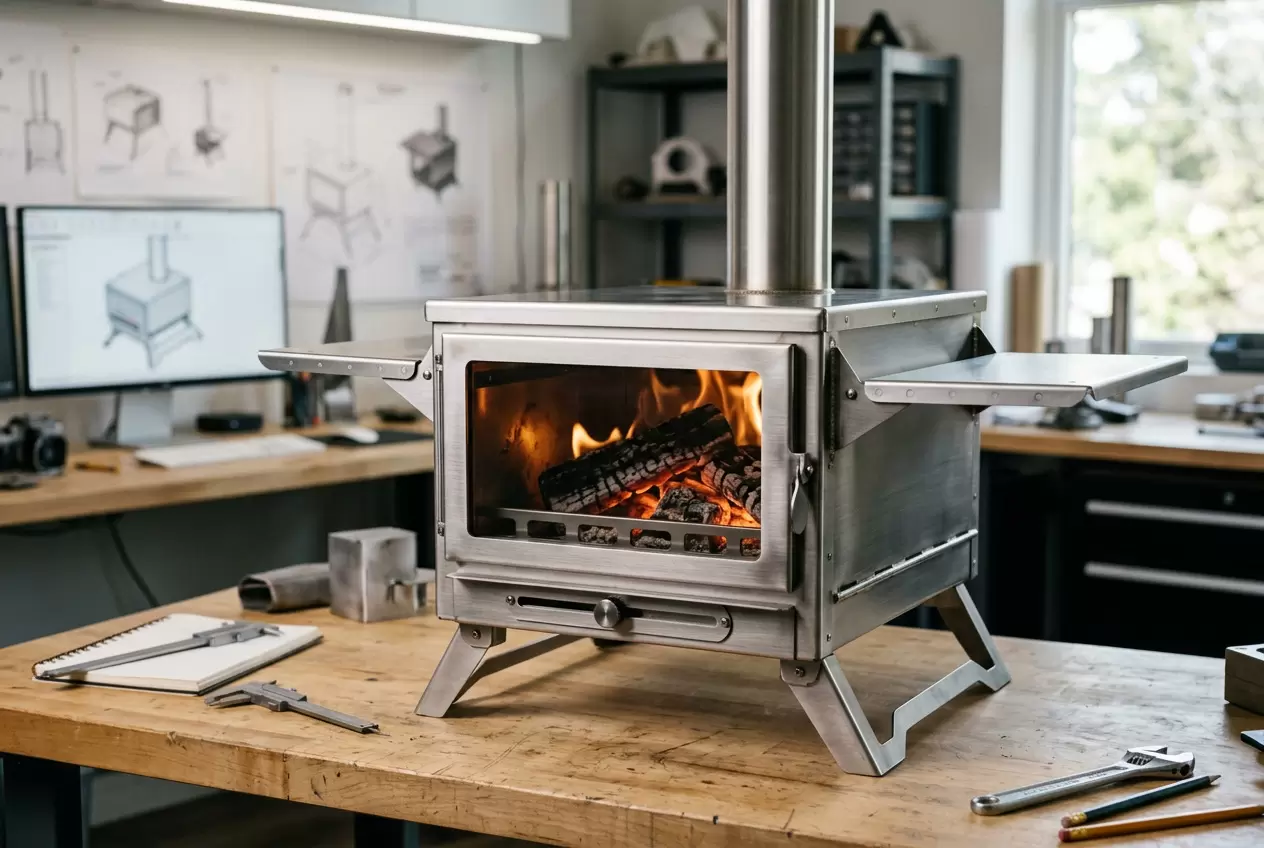
The core of custom OEM development lies in translating high-level concepts into production-ready engineering files. The process begins with Industrial Design (ID), where exterior aesthetics, ergonomic handles, leg stability mechanisms, and user interaction points are established.
Next, Mechanical Engineering (MD) translates aesthetic concepts into sheet metal layouts, accounting for bend radii, laser-cutting nesting efficiencies, material thermal expansion, and structural reinforcement. For wood, pellet, or gas stoves, combustion chamber design and airflow channels are critical. Secondary air intake manifolds, draft control dampers, and baffle plates must be mathematically modeled to ensure high thermal efficiency, clean burn performance, and minimal creosote or soot buildup.
Navigating Compliance, Safety, and Global Certifications
Stoves and heating equipment operate under strict international safety and environmental regulations. Attempting to certify a fully custom stove after finalizing production tooling is a costly mistake. Safety compliance must be integrated into initial CAD engineering.
Key regional compliance benchmarks include:
North America: CSA standards for gas appliances, UL 1482 for solid-fuel room heaters, and EPA clean air particulate emission standards.
European Union: CE marking under the Gas Appliance Regulation (GAR) or EN 13240 / EN 16510 standards for solid fuel appliances, along with Ecodesign compliance and RoHS/REACH material regulations.
Australia and New Zealand: AS/NZS 4012/4013 for emissions and thermal efficiency.
Designing with compliance in mind requires strict adherence to minimum clearance dimensions, double-walled thermal shielding, fire-grade door sealing gaskets, and heat-resistant glass mounting tolerances.
Sourcing the Right OEM Partner: Selection Criteria & Vetting
Not every wholesale factory possesses true custom OEM capabilities. Evaluating potential manufacturing partners requires assessing technical infrastructure rather than marketing claims:
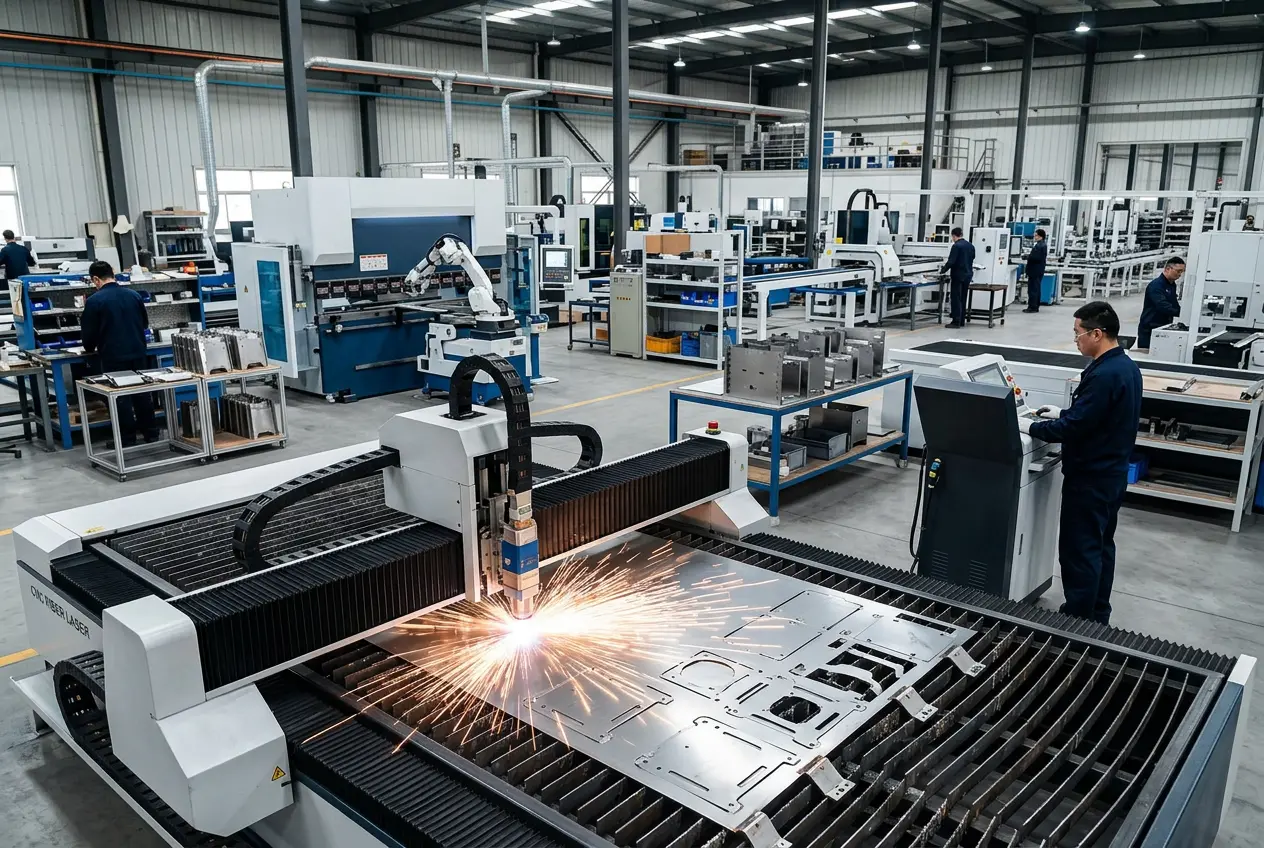
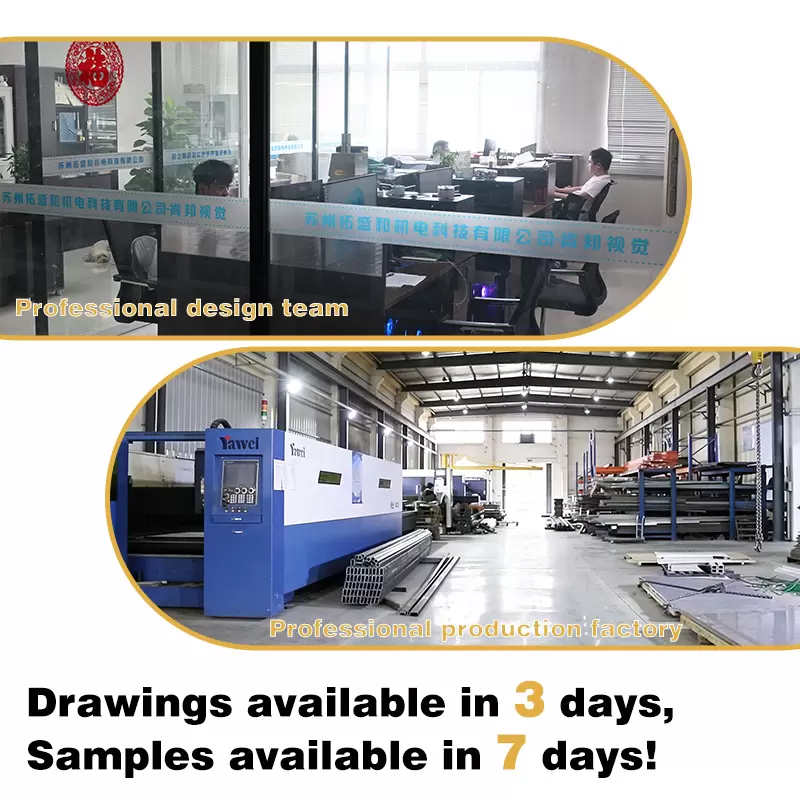
Tooling and Fabrication Tech: Verify in-house fiber laser cutting equipment, automated multi-axis CNC press brakes, robotic welding stations, and high-temperature protective powder coating lines.
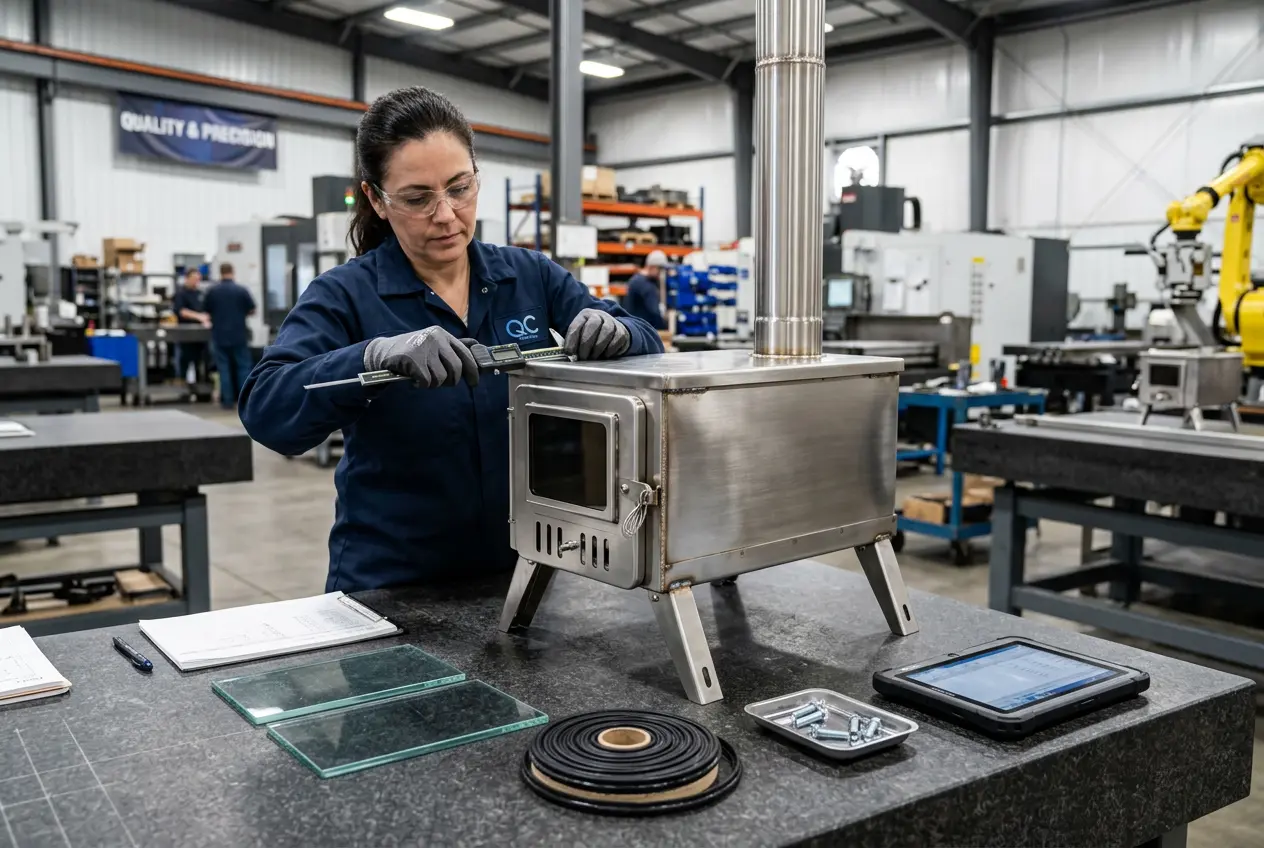
QA/QC Infrastructure: Confirm clear Incoming Quality Control (IQC), In-Process Quality Control (IPQC), and Outgoing Quality Control (OQC) protocols.
IP Protection and Contract Enforcement: Ensure the factory routinely signs binding Non-Disclosure Agreements (NDAs) and Non-Compete / Non-Circumvent agreements that explicitly state all tooling, molds, design drawings, and patents remain your exclusive property.
Tooling, Prototyping, and NPI: Managing the Development Cycle
Moving from initial 3D design to mass production follows a strict New Product Introduction (NPI) sequence:
Functional Prototyping: CNC laser cut and soft-bended samples for initial evaluation.
Engineering Verification Test (EVT): Thermal, draft performance, and airflow validation.
Hard Tooling Fabrication: Precision stamping dies and welding fixtures.
Design Verification Test (DVT): Fit, tolerance, finish, and structural stress check under heat.
Production Verification Test (PVT): Pilot production line run to lock assembly cycle times.
Standard Operating Procedure (SOP): Full commercial mass production.
Early functional prototypes should be fabricated using fast CNC laser cutting and soft tooling to validate draft performance, thermal stress warping, and assembly tolerances. Once functional designs are locked, hard stamping dies are cut. EVT, DVT, and PVT stages isolate manufacturing defects, calibrate welding fixtures, and lock in exact assembly line cycle times before starting full SOP mass production.
Supply Chain Restructuring & Quality Control in Custom Manufacturing
Custom manufacturing shifts component quality ownership from the factory to your brand. While standard wholesale products rely on factory-sourced generic parts, custom OEM stoves often require dedicated sourcing for critical sub-assemblies.
Precision components—such as high-temperature silicone gaskets, micro-adjustment gas valves, piezoelectric igniters, German heat-resistant glass, and spring-lock latches—must be specified down to exact material grades. Quality control standards should define clear acceptable quality limits (AQL Level II), explicit weld-seam penetration thresholds, scratch/chip limits on high-temp paint coatings, and airtightness leak testing protocols for every completed unit.
Pricing Strategies and Cost Management for Custom OEM Products
Managing unit economics in custom manufacturing requires balancing upfront engineering investments against recurring production costs. The total unit cost comprises four elements: bill of materials (BOM), direct assembly labor, factory overhead, and non-recurring engineering (NRE) tooling cost amortized over the total lifetime production volume.
By calculating non-recurring engineering amortizations over realistic multi-year sales forecasts, you can set B2B wholesale prices and direct-to-consumer retail prices that protect profit margins while paying off initial mold investments.
Go-to-Market Strategy: Position Your Custom Stove Line for Success
A fully custom OEM product line requires a refreshed Go-to-Market (GTM) execution. Instead of competing on unit price against commoditized listings, center your sales narrative on exclusive engineering, superior thermal efficiency, user ergonomics, and unique design patents.
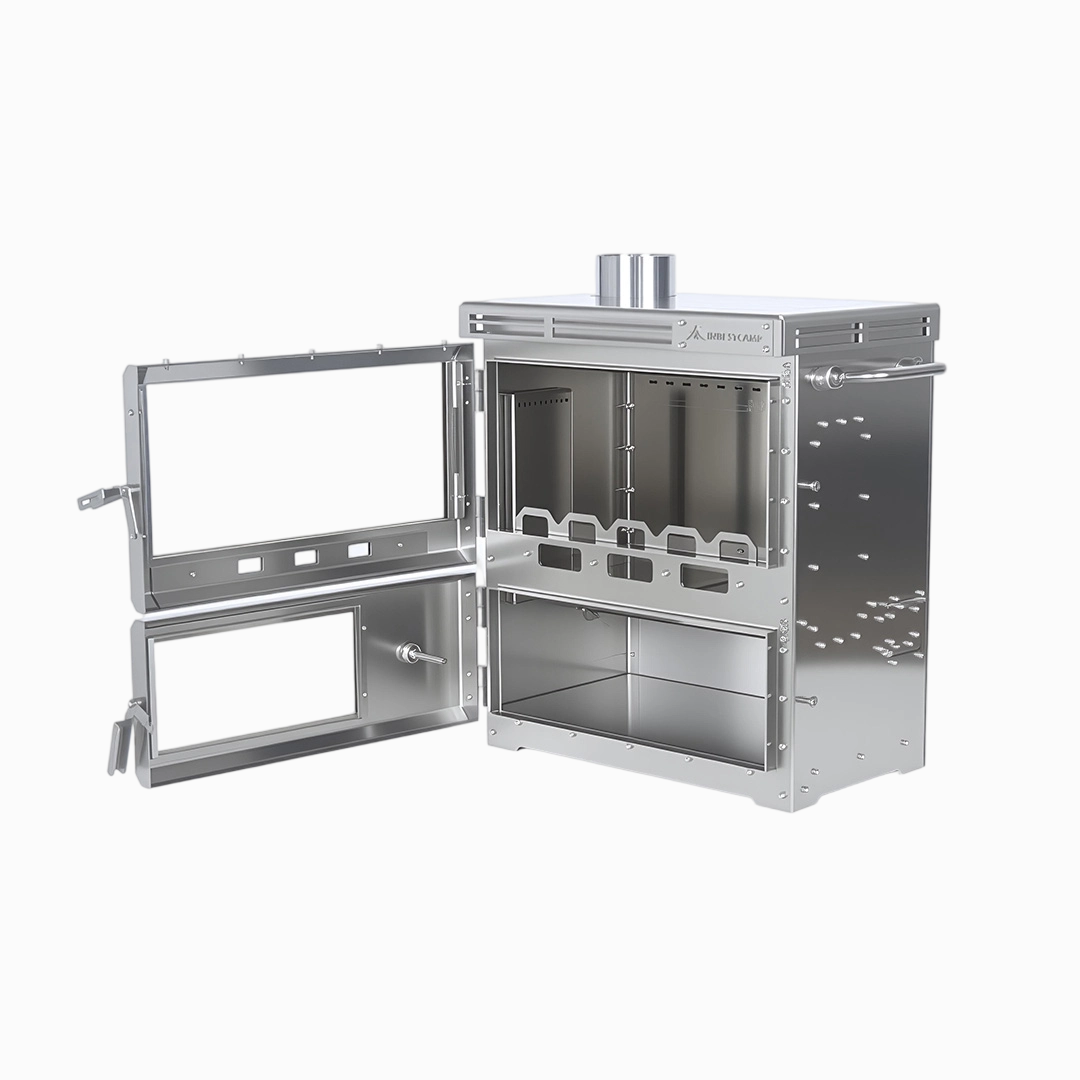
Equip B2B distributors, commercial buyers, and retail partners with technical spec sheets, exploded structural diagrams, third-party lab performance certifications, and side-by-side thermal efficiency benchmark tests. Highlighting proprietary features reinforces your brand's position as a market innovator and justifies premium price points across global retail channels.
Frequently Asked Questions
Q1: What is the main difference between Wholesale/ODM and Fully Custom OEM stoves?
Wholesale and ODM involve purchasing pre-designed, mass-market stove models directly from a factory catalog, changing only simple branding, colors, or packaging. Fully Custom OEM involves developing bespoke product architectures from scratch—including proprietary industrial design, structural sheet metal engineering, customized combustion channels, and exclusive tooling—where your company maintains full ownership of product intellectual property and design patents.
Q2: How long does the transition from wholesale to custom OEM typically take?
The entire transition cycle generally takes between 6 to 18 months. Initial market analysis, industrial design, and CAD modeling require 2 to 4 months; functional prototyping, burn testing, and design adjustments take 2 to 3 months; hard tooling fabrication and sample validation take 2 to 4 months; safety compliance certifications (such as CE, CSA, or UL) take 2 to 4 months; and initial mass production pilot runs take 1 to 2 months.
Q3: How do we protect our custom stove designs and intellectual property (IP)?
IP protection requires a multi-layered approach: execute binding Non-Disclosure, Non-Use, and Non-Circumvention (NNN) agreements with manufacturing partners prior to sharing CAD files; secure design patents for unique visual styling and utility patents for novel mechanical structures or secondary airflow channels in all key target sales regions; and include explicit contract clauses stipulating that all custom tooling, molds, jigs, and engineering blueprints remain your exclusive property.
Q4: How can a business manage high upfront tooling and development costs (NRE)?
To manage upfront NRE costs, negotiate tooling cost rebate structures with your OEM partner, where the factory credits back a set percentage of tooling expenses against every unit purchased over a defined order volume. Alternatively, design components around modular platforms to share standardized internal burner assemblies or leg bases across multiple product SKUs, or stage custom features incrementally over phase one and phase two product rollouts.
Q5: What are the biggest operational risks in transitioning to custom OEM, and how to mitigate them?
The major risks include certification delays due to initial design flaws, unexpected high-temperature metal warping, cost overruns from repeated prototype iterations, and factory intellectual property leaks. Mitigate these risks by performing thorough computer simulation burn modeling prior to cutting steel, running rigorous pilot testing (EVT/DVT) before committing to hard production tooling, maintaining strict AQL quality standards, and working exclusively with thoroughly audited OEM facilities.


 en
 ja
 ko
 zh
 es
 ru
 fr
 ar
 pt
 tr
 nl
 it
 de



 RELATED MAGAZINE








 Leave a Message